Side-by-Side IQ Profile: Digging into Cognitive Dimensions
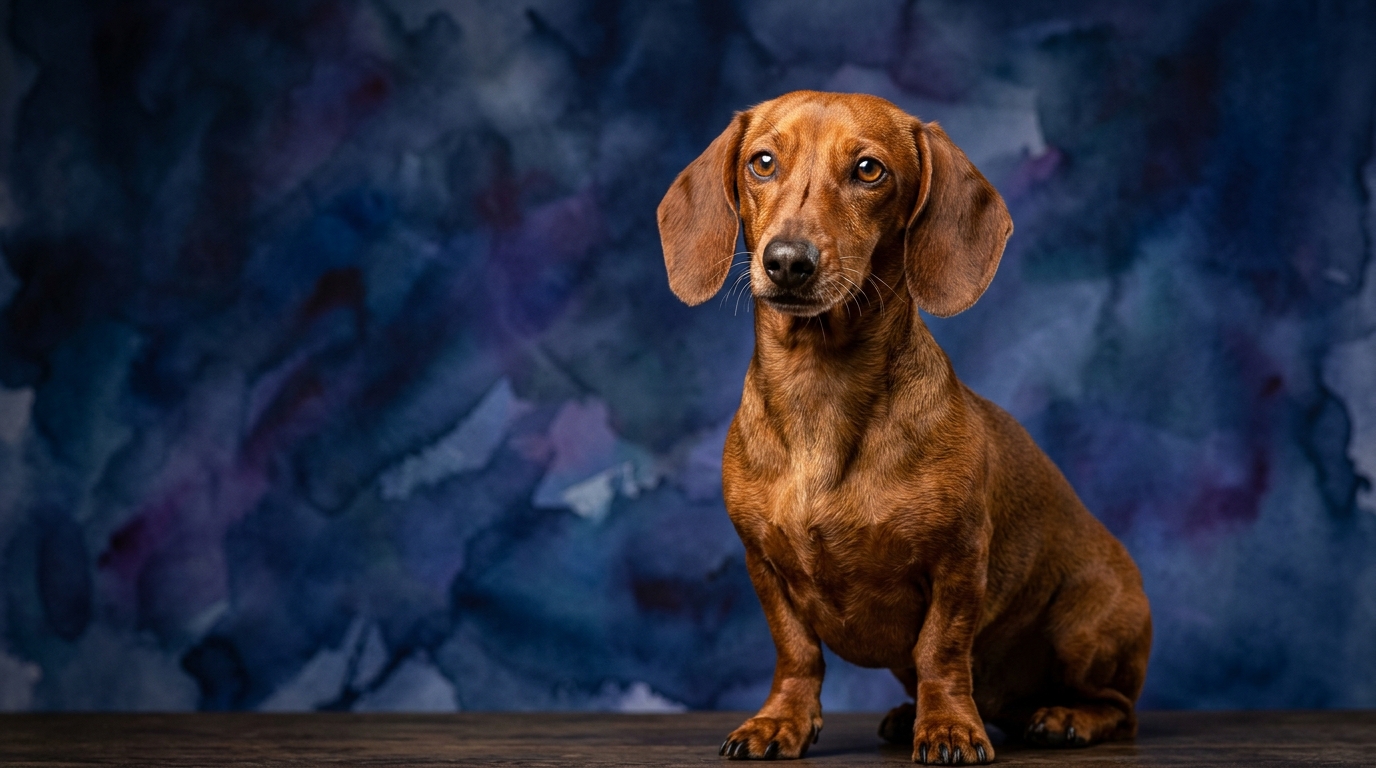
The Cosmic Pet Pet IQ Lab assesses canine intelligence across five critical dimensions: Problem Solving, Training Speed, Social Intelligence, Instinctive Drive, and Memory. For the Dachshund, a hound breed, its profile shows strong Problem Solving at 4/5, reflecting its aptitude for navigating complex environments to achieve a goal. Its Training Speed is 2/5, indicating a moderate challenge in obedience, while Social Intelligence stands at 3/5, suggesting a balanced but not overtly people-pleasing demeanor. A dominant characteristic is its Instinctive Drive at 5/5, a testament to its hunting heritage, and its Memory is rated at 3/5. Notably, the Dachshund holds a Coren rank of #49, placing it firmly within the category of average working and obedience intelligence.
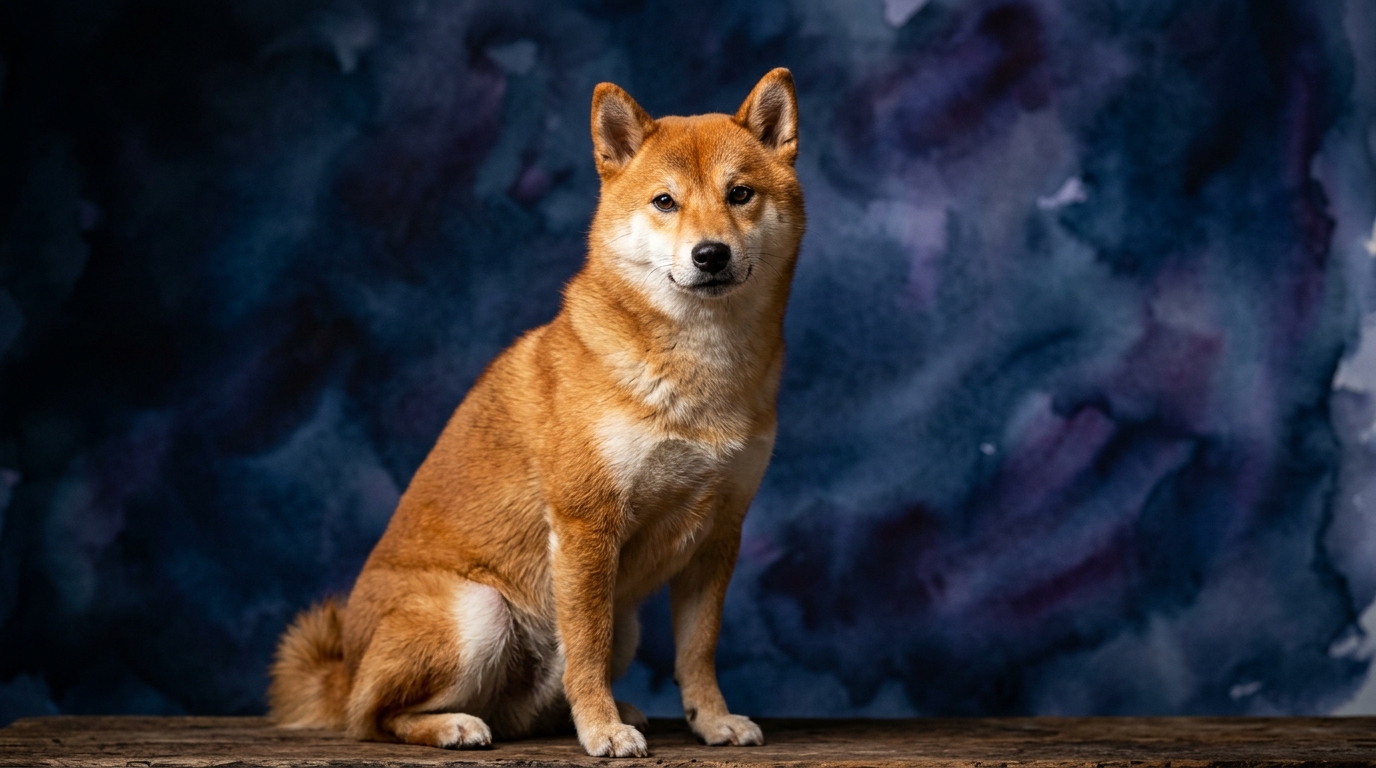
In contrast, the Shiba Inu, a non-sporting breed from Japan, shares several cognitive scores with the Dachshund, yet possesses a key distinction. Its Problem Solving is also 4/5, demonstrating a similar capacity for independent thought and strategic action. Like the Dachshund, its Training Speed is 2/5, indicating a strong-willed nature that requires patience and consistency. Social Intelligence is 3/5, reflecting an independent streak that prioritates its own interests. The Shiba Inu also scores a maximal 5/5 in Instinctive Drive, highlighting its deep-seated predatory and territorial instincts. However, where it truly diverges is in Memory, scoring 4/5 compared to the Dachshund's 3/5. The Shiba Inu is not ranked within Coren's classifications, suggesting its intelligence manifests in ways less focused on traditional obedience and more on independent problem-solving and self-preservation.
Where the Dachshund Excels Cognitively
The Dachshund's cognitive strength lies significantly in its application of problem-solving within its intense instinctive drive. With a 5/5 Instinctive Drive, particularly for scent work and burrowing, its 4/5 Problem Solving manifests as a persistent, focused determination to overcome obstacles in pursuit of a goal. This means a Dachshund excels at tasks requiring sustained effort and intricate navigation, such as following a scent trail through varied terrain or figuring out how to access a hidden treat. Their Coren ranking, while not top-tier, reflects a practical working intelligence where the dog effectively uses its cognitive abilities to perform its historical duties, demonstrating a specific type of task-oriented cunning and resilience.
This breed's cognitive prowess is less about rapid learning of complex commands and more about the methodical, almost obsessive, pursuit of an objective once its natural drive is engaged. A Dachshund might not immediately grasp a new trick, given its 2/5 Training Speed, but once its innate hunting or exploring instincts are piqued, its problem-solving abilities become acutely focused. They exhibit a cleverness in manipulating their environment to satisfy these drives, whether it's by digging under a fence to explore or finding the most efficient path to a perceived 'prey' item. Their cognitive edge is in their tenacious, single-minded application of their mental faculties when driven by instinct.
Where the Shiba Inu Shows its Cognitive Edge
The Shiba Inu's primary cognitive advantage lies in its superior Memory, scoring 4/5 compared to the Dachshund's 3/5. This enhanced memory impacts its learning retention and its ability to recall past experiences, making it adept at remembering solutions to recurring problems or the consequences of certain actions. While both breeds share a 4/5 Problem Solving score, the Shiba's better memory means it can more effectively build upon prior successes and failures, potentially leading to more refined and efficient problem-solving strategies over time. This might manifest as remembering the exact sequence to open a gate or recalling which specific family member is most likely to yield to its demands.
Coupled with its 5/5 Instinctive Drive, often geared towards independent hunting and vigilance, the Shiba Inu uses its cognitive abilities to navigate its world with a strategic independence. Its problem-solving, supported by stronger memory, allows it to learn from its environment and make decisions without constant human intervention. This cognitive independence contributes to its reputation for being a resourceful and sometimes aloof companion, capable of assessing situations and acting in its own perceived best interest, drawing on a more robust mental archive of experiences and outcomes.
Training Dynamics: Patience for Both
When it comes to training, both the Dachshund and the Shiba Inu present similar challenges, each scoring a 2/5 in Training Speed. This indicates that neither breed is inherently eager to please or quick to adopt new commands. The Dachshund's difficulty in training stems largely from its powerful 5/5 Instinctive Drive, particularly its profound interest in scent. When a Dachshund catches a compelling scent, its focus on human commands can diminish significantly, as its primal urge to track overrides immediate obedience. This single-mindedness requires trainers to be exceptionally patient, creative, and consistent, often needing to compete with the allure of the olfactory world.
The Shiba Inu's comparable training speed score arises from a different behavioral foundation: its strong independent nature and self-possessed demeanor. Unlike some breeds that thrive on human approval, Shibas are often described as cat-like in their desire for autonomy; they will comply if they see a benefit to themselves, rather than out of an inherent need to please. This means training a Shiba involves building a strong, trust-based relationship and finding highly motivating rewards, as they are less likely to perform simply because they are told. Both breeds demand an owner who understands their specific motivations and is prepared for a journey of consistent, positive reinforcement rather than expecting rapid compliance.
Lifestyle Suitability: Active Pursuit vs. Independent Companion
Understanding the cognitive profiles of the Dachshund and Shiba Inu is key to matching them with the right owner lifestyle. For active owners who enjoy engaging with a dog's natural instincts, the Dachshund can be an excellent fit. Its 5/5 Instinctive Drive, coupled with its 4/5 Problem Solving, means it thrives on activities that allow it to use its nose and mind, such as scent work, tracking games, or even urban exploring where it can follow interesting smells. While not built for endurance running, its tenacity requires consistent mental and moderate physical stimulation to prevent boredom-induced behaviors. Owners who appreciate a dog that is deeply connected to its primal instincts and enjoys guiding that drive will find a rewarding companion.
Conversely, the Shiba Inu, with its 4/5 Memory and equally high 5/5 Instinctive Drive, often suits owners who appreciate a more independent and self-sufficient companion. While capable of activities, a Shiba might prefer shorter, intense bursts of play and mental challenges that respect its autonomy, rather than constant, high-energy engagement. Owners who enjoy a dog that thinks for itself, observes keenly, and perhaps comes for affection on its own terms, will appreciate the Shiba's unique blend of intelligence and independence. They are well-suited for those who can provide clear boundaries and consistent training without expecting a constantly compliant shadow, valuing a dog that retains a distinct sense of self.
The Verdict
Choose a Dachshund if you are an owner who enjoys engaging with a dog's powerful scent drive and tenacious problem-solving, appreciating a companion with a specific, determined working intelligence.
Choose a Shiba Inu if you value a dog with superior memory and independent problem-solving capabilities, seeking a self-reliant companion that offers affection and engagement on its own terms.
🧠 Find Your Pet's IQ Score
Our Pet IQ Lab assessment covers 25+ tests across 5 cognitive dimensions — personalized to your breed.
Take the Full IQ Test →Frequently Asked Questions
Are Dachshunds and Shiba Inus stubborn during training?
Both breeds score 2/5 in Training Speed, indicating they can indeed be perceived as stubborn. Dachshunds are often distracted by scents, while Shiba Inus possess a strong independent streak, making consistent, highly motivating, and patient training essential for both.
How does their 5/5 instinctive drive impact their behavior?
A 5/5 instinctive drive means both breeds have strong innate urges. For Dachshunds, this primarily manifests as a powerful desire to track and burrow, while for Shiba Inus, it's often expressed as independent hunting, vigilance, and a territorial nature, shaping much of their natural behavior.
Is the Coren ranking difference significant for this comparison?
The Dachshund's Coren rank of #49 suggests a specific type of working and obedience intelligence, while the Shiba Inu's unranked status indicates its intelligence might not align with traditional obedience metrics. This means the Dachshund's cognitive strengths are more readily applied to human-directed tasks, whereas the Shiba's intelligence is often more autonomously expressed.