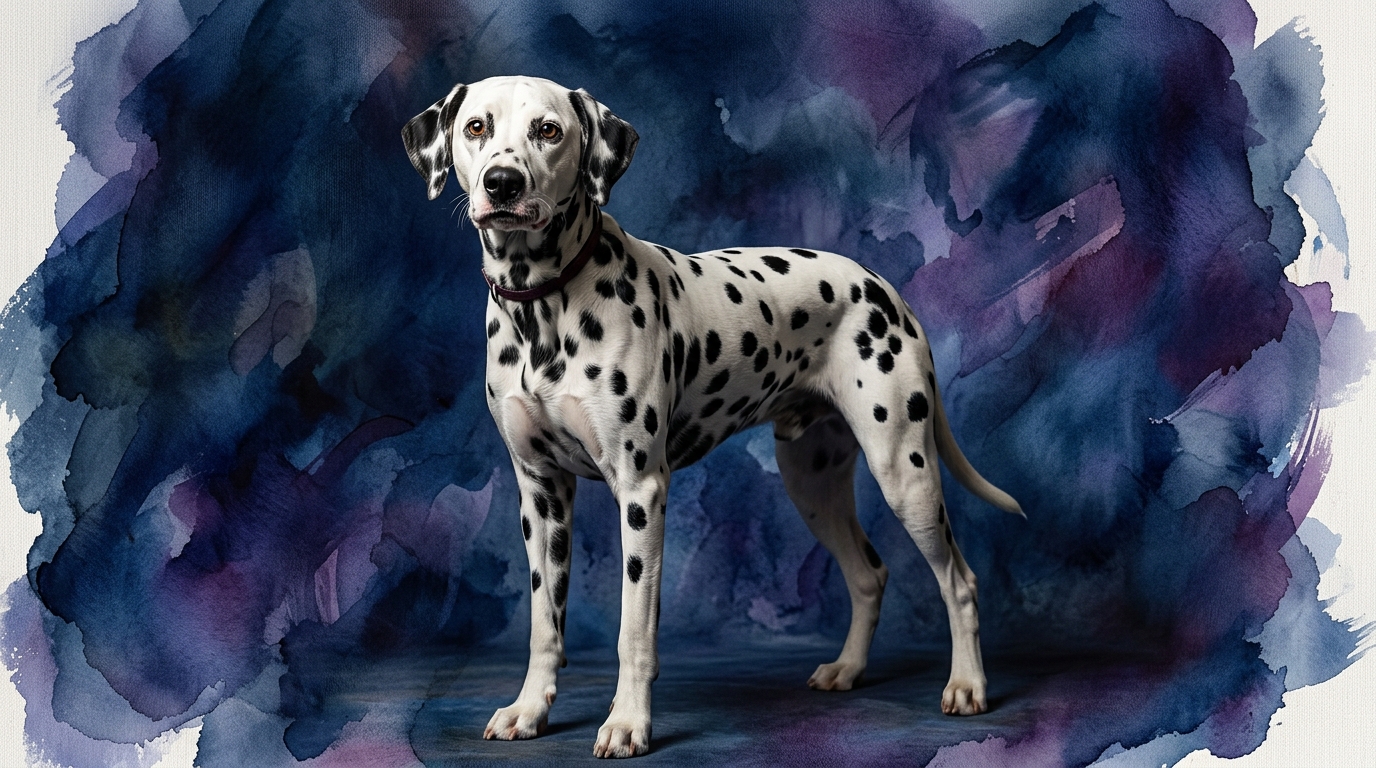
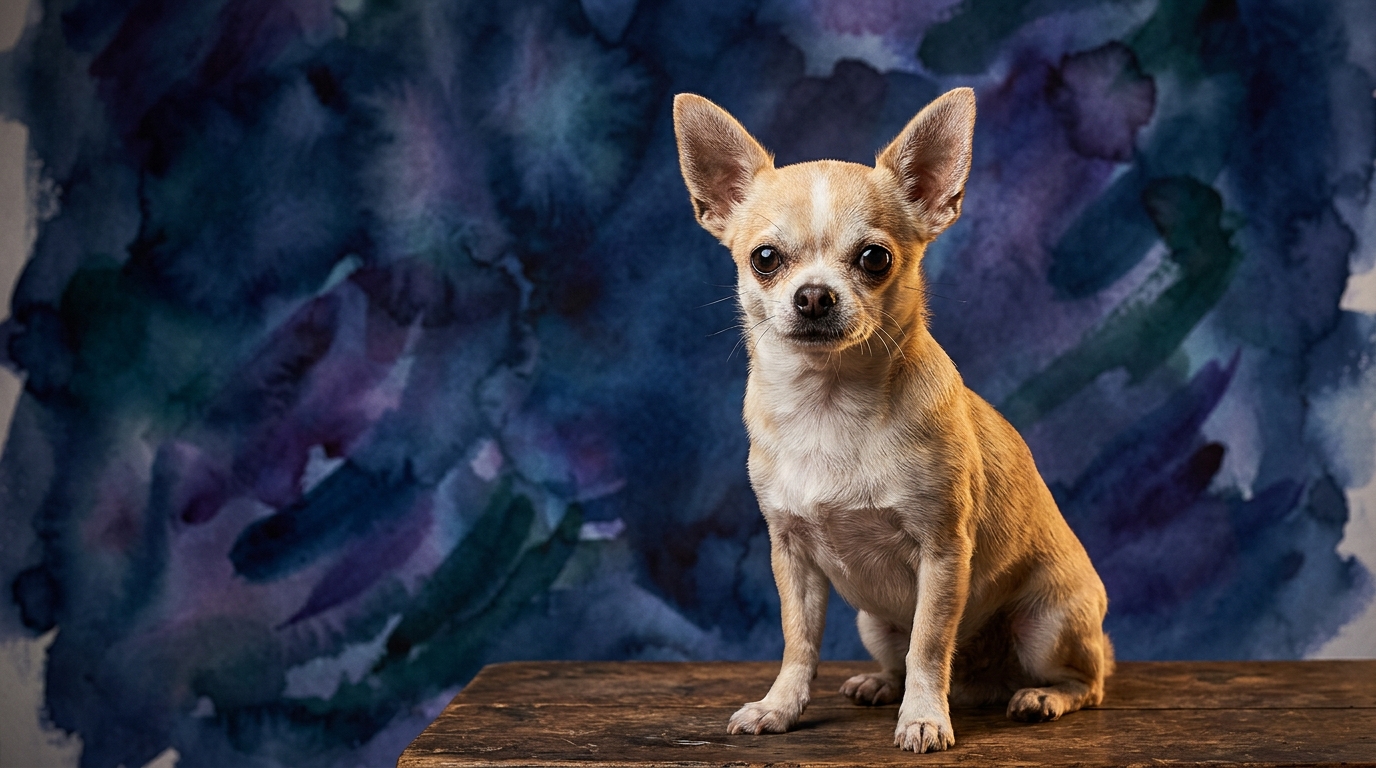
Side-by-Side Cognitive Profiles: Decoding Dalmatian and Chihuahua Minds
The Dalmatian, ranked #39 by Dr. Stanley Coren, signifies an 'above average working/obedience intelligence,' indicating a solid capacity for command execution and understanding. The Chihuahua, at #67, falls into the 'fair working/obedience intelligence' group, suggesting they often require more repetitions to learn new commands but are certainly capable of mastering them.
Problem Solving (Dalmatian: 3/5, Chihuahua: 3/5): With matching scores, both breeds show a moderate capacity for independent thought. Dalmatians might strategize to retrieve a toy or navigate complex routes. Chihuahuas, despite their size, demonstrate similar practical problem-solving, such as reaching a treat or manipulating objects for attention.
Training Speed (Dalmatian: 3/5, Chihuahua: 3/5): Again, identical scores suggest a similar rate of learning new commands and routines. Dalmatians typically grasp new cues with a reasonable number of repetitions, often responding well to consistent, positive reinforcement. Chihuahuas also learn at a moderate pace, though trainers might need to adapt their approach to keep them engaged, considering their sometimes-stubborn nature or sensitivity.
Social Intelligence (Dalmatian: 4/5, Chihuahua: 4/5): Both breeds excel in understanding and responding to human cues, scoring high in social intelligence. Dalmatians, with their history as coach dogs, are attuned to their human companions' moods and intentions, forming strong bonds. Chihuahuas are renowned for their deep connection to their primary owner, demonstrating a remarkable ability to read emotional states and often acting as devoted, empathetic companions.
Instinctive Drive (Dalmatian: 4/5, Chihuahua: 3/5): Here lies a significant difference. The Dalmatian's 4/5 reflects a strong inherent motivation for specific behaviors, rooted in their historical role as endurance runners and guardians. This manifests as high energy, a desire to patrol, and persistent focus. The Chihuahua's 3/5 indicates a moderate instinctive drive; while they possess natural dog behaviors, these are generally less intense and pervasive than in a Dalmatian, making them less driven by a specific 'job.'
Memory (Dalmatian: 4/5, Chihuahua: 4/5): Both breeds demonstrate excellent recall and retention of learned information, scoring 4/5. Dalmatians will remember commands, routines, and specific people or places for extended periods, making them reliable once trained. Chihuahuas also possess a sharp memory, recalling past experiences, learned tricks, and the intricacies of their daily schedules, contributing to their adaptability within a structured home environment.
Where the Dalmatian's Cognition Shines Brighter
The Dalmatian's higher Coren rank and superior instinctive drive truly set it apart in specific cognitive domains. Their historical role as a coach dog, running alongside carriages for miles, cultivated a unique blend of stamina and situational awareness. This translates into a robust endurance for sustained mental and physical tasks. A Dalmatian often exhibits a greater capacity for prolonged focus on an activity, whether it's an agility course requiring complex sequences or a long scent-tracking session. Their 4/5 instinctive drive means they naturally possess a more profound internal motivation to engage with the world through physical activity and exploration, making them inherently more suited for roles requiring consistent output and a strong work ethic. This higher drive also suggests a more pronounced inclination for vigilance and observation, a cognitive advantage when it comes to monitoring their environment or participating in tasks that demand prolonged attention.
Unpacking the Chihuahua's Unique Cognitive Strengths
While the Chihuahua's Coren rank is lower and their instinctive drive score is less than the Dalmatian's, their cognitive profile offers distinct advantages, particularly within a companion animal context. Their problem-solving score of 3/5, identical to the Dalmatian's, is particularly impressive given their size; they adeptly navigate complex home environments, figuring out how to access preferred resting spots or communicate specific desires. Their 4/5 social intelligence shines intensely in their intimate human bonds. Chihuahuas often demonstrate an exceptional ability to interpret subtle human cues, quickly learning what behaviors elicit desired responses from their owners, a form of highly effective social problem-solving. This acute sensitivity makes them masters of communication within their immediate social circle, translating into a dog that can be remarkably responsive to emotional nuance and subtle gestures, often appearing to anticipate their owner's needs or moods with uncanny accuracy. Their compact size also means they are constantly adapting to a human-centric world, requiring a different kind of cognitive flexibility to navigate large spaces and interact with larger beings, honing their environmental awareness in unique ways.
Training Dynamics: Dalmatian vs. Chihuahua Learnability
Both Dalmatians and Chihuahuas share a training speed score of 3/5, suggesting neither is inherently 'easier' to train in terms of raw learning capacity. However, their distinct behavioral profiles influence the training process significantly. The Dalmatian's higher instinctive drive (4/5) means they require consistent mental and physical engagement to prevent boredom-induced behaviors. Their energy levels demand structured training sessions that are stimulating and varied, often incorporating elements of their natural desire to run and explore. If not adequately exercised and mentally challenged, a Dalmatian might channel their drive into less desirable activities like excessive chewing or restless pacing, making focused training more challenging.
Conversely, the Chihuahua, with a 3/5 instinctive drive, may not demand the same intensity of physical outlet, but their small stature and potential for developing 'small dog syndrome' (where owners inadvertently allow behaviors in a small dog they wouldn't tolerate in a large one) can complicate training. Consistency is paramount, as their sharp memory (4/5) means they quickly learn both desired and undesired patterns. While they might not be as physically demanding, their sometimes-tenacious personalities require patience and positive reinforcement to build confidence and responsiveness, avoiding harsh methods that could make them fearful or resistant.
Matching Minds to Lifestyles: Active vs. Relaxed Ownership
The cognitive profiles of the Dalmatian and Chihuahua strongly guide their suitability for different owner lifestyles. The Dalmatian, with its Coren rank of #39 and a robust 4/5 instinctive drive, is unequivocally better suited for active owners. These dogs possess an innate desire for sustained physical activity and mental stimulation, often thriving in environments where they can participate in long runs, hiking, or canine sports like agility and flyball. An owner who can provide consistent outlets for their drive and problem-solving abilities will find a Dalmatian to be an engaged and fulfilling companion. Their strong memory and social intelligence make them excellent partners for complex activities, but this requires an owner willing to invest the time and energy into channeling those capabilities.
The Chihuahua, conversely, with its #67 Coren rank and a moderate 3/5 instinctive drive, fits well with more relaxed owners who still value daily engagement. While they don't demand marathon-level exercise, they still benefit from regular walks and consistent mental enrichment through puzzle toys and short training sessions. Their high social intelligence (4/5) and excellent memory (4/5) mean they form profound bonds and thrive on close companionship, making them ideal for individuals or families who want a devoted lap dog capable of nuanced interaction, without the intense physical demands of a working breed.
The Verdict
Opt for a Dalmatian if you lead an active lifestyle, seeking a resilient, intelligent companion eager to tackle physical and mental challenges alongside you, thriving on structured activity and consistent engagement.
Select a Chihuahua if you desire a deeply devoted, perceptive companion for a more relaxed home environment, appreciating their keen social intelligence and adaptable nature for intimate, daily interactions.
🧠 Find Your Pet's IQ Score
Our Pet IQ Lab assessment covers 25+ tests across 5 cognitive dimensions — personalized to your breed.
Take the Full IQ Test →Frequently Asked Questions
Are Chihuahuas difficult to house train compared to Dalmatians?
Both breeds have a 3/5 training speed, indicating moderate learning. Chihuahuas can present challenges due to their small bladders and a tendency for owners to overlook accidents, but with consistent, positive reinforcement and frequent outdoor access, they learn effectively. Dalmatians, with their higher energy, require more structured training to maintain focus during house training.
Does the Dalmatian's higher instinctive drive make them more independent?
The Dalmatian's 4/5 instinctive drive means they possess a strong internal motivation for activity and exploration, which can be interpreted as independence if not properly channeled. However, their 4/5 social intelligence ensures they remain highly attuned and connected to their human companions, balancing their drive with a desire for interaction.
Can a Chihuahua participate in dog sports despite its size?
Absolutely. While their lower instinctive drive might mean less inherent motivation than some working breeds, their 3/5 problem-solving, 4/5 social intelligence, and excellent memory make them capable participants in sports like obedience, rally, and even agility, especially when training is fun and reward-based.