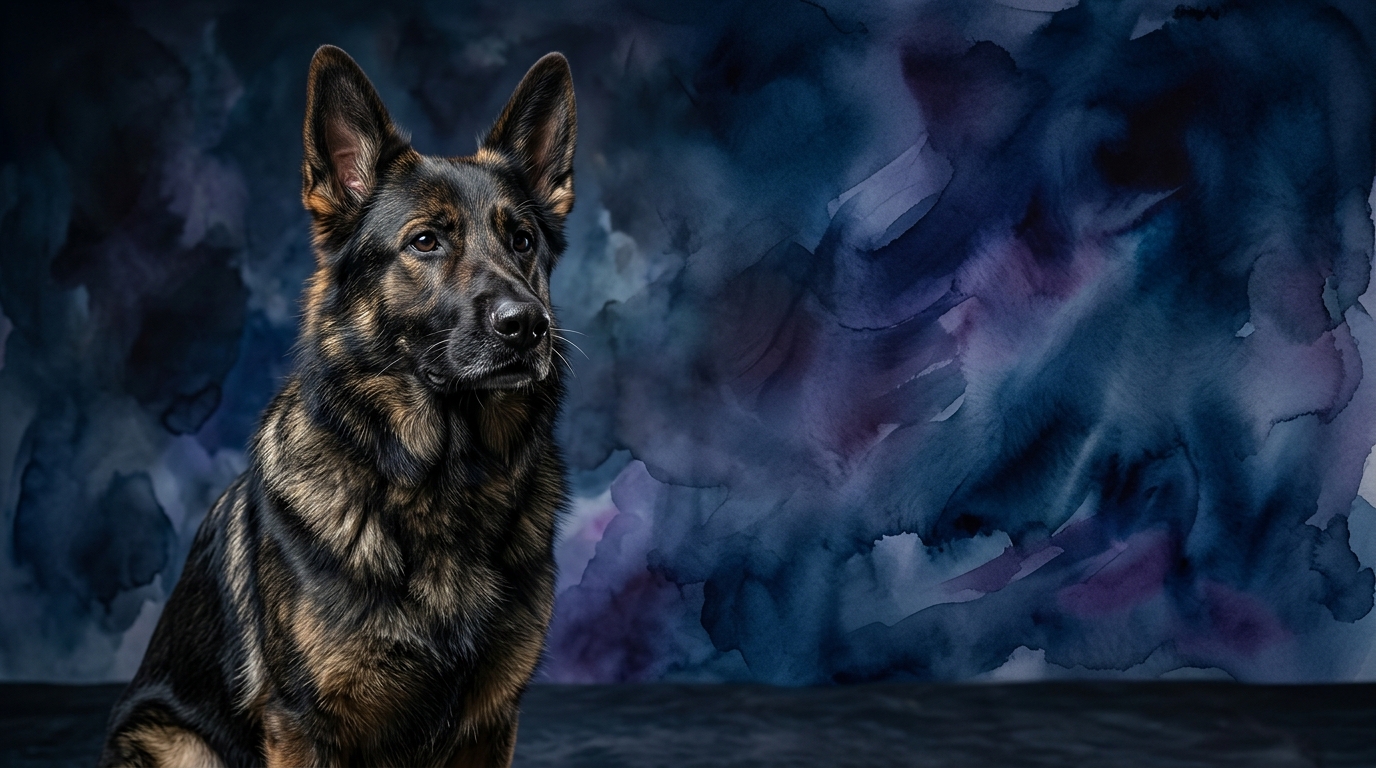
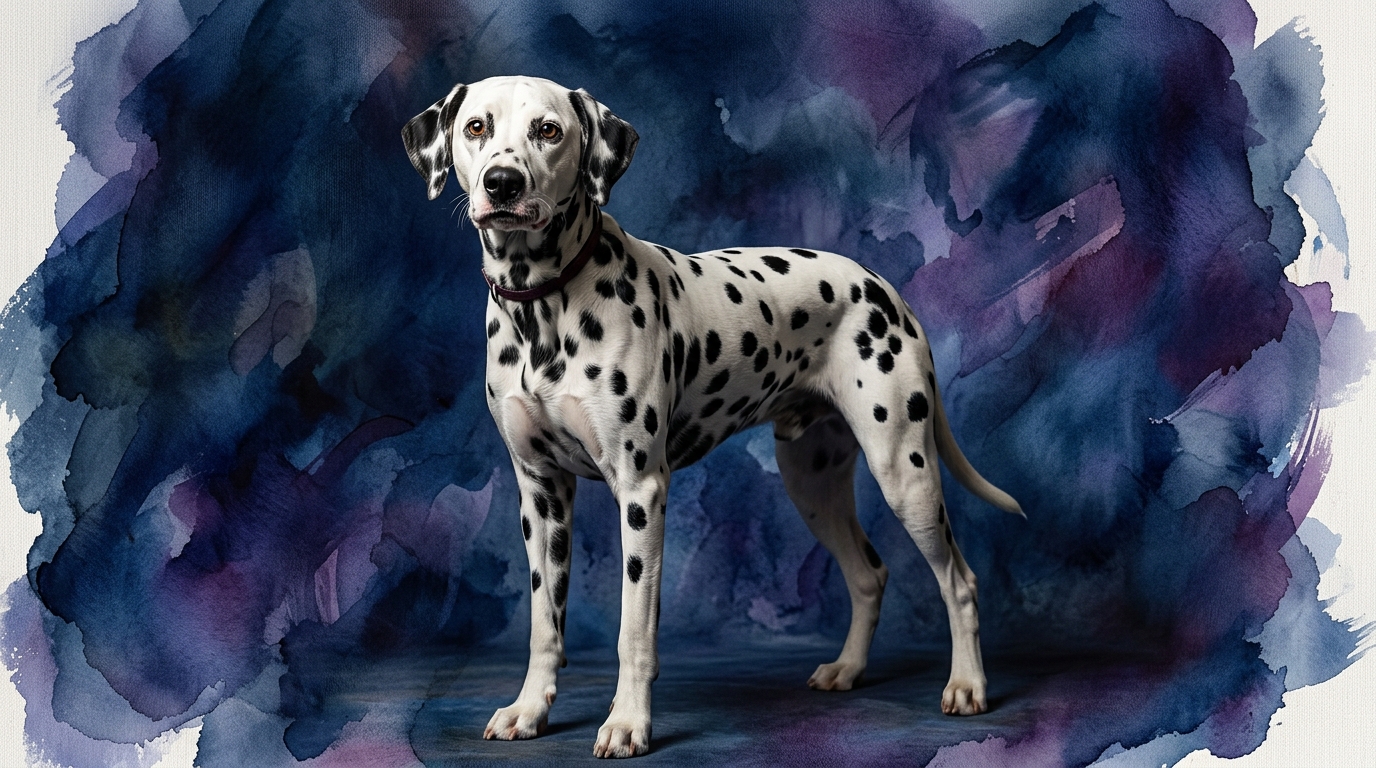
Side-by-Side IQ Profile: German Shepherd vs. Dalmatian
The German Shepherd consistently achieves top marks across all five cognitive dimensions. Their Problem Solving (5/5) means they excel at complex tasks, understanding multi-step commands, and independently devising solutions to environmental challenges. They dissect situations with remarkable clarity and adapt rapidly. Training Speed (5/5) is unparalleled; they grasp new concepts and commands almost instantaneously, requiring minimal repetitions to solidify learning. Their drive to cooperate makes training a swift and profoundly rewarding process. Social Intelligence (5/5) is profound, allowing them to interpret human cues, body language, and emotional states with exceptional accuracy, which facilitates their roles in service or protection. Their Instinctive Drive (5/5), rooted in herding and protective heritage, is intensely focused and readily channeled into structured tasks, fueling an unwavering work ethic. Finally, their Memory (5/5) ensures information, commands, and experiences are retained for extended periods, making learned behaviors incredibly durable and reliable over time.
The Dalmatian presents a balanced cognitive profile, demonstrating solid capabilities. Their Problem Solving (3/5) indicates they approach challenges with a moderate degree of independent thought. While capable of learning routines, they might require more guidance to navigate complex, novel situations or string together multiple actions without direct prompting. Training Speed (3/5) is steady; they absorb new commands at a consistent pace but may need more repetitions and consistent reinforcement than breeds with higher scores. Patience and positive methods are crucial for building their understanding and responsiveness. Social Intelligence (4/5) is a strong point; Dalmatians show a good capacity for reading human emotions and intentions, forming strong attachments and engaging readily with their family. Their Instinctive Drive (4/5), stemming from their historical role as carriage dogs, cultivates impressive stamina and a desire for companionship during activity. This translates into a consistent, though not always intense, drive for engagement. Memory (4/5) is robust; this breed exhibits solid recall for learned commands and routines, though it might not be as instantaneous as breeds with a perfect score. Consistent practice helps maintain their learned repertoire effectively.
Where the German Shepherd Wins Cognitively
The German Shepherd's cognitive strengths offer distinct advantages across various domains. Their 5/5 Problem Solving isn't merely about following orders; it signifies an innate ability to grasp the underlying objective and independently strategize novel methods to achieve it. This is invaluable in dynamic roles like search and rescue, where adapting to unforeseen obstacles is paramount, or in complex scent detection, where they must interpret subtle environmental cues. The 5/5 Training Speed translates into an exceptional capacity to generalize learned behaviors across diverse contexts, making them adaptable to new commands and environments without extensive re-training. This efficiency allows for rapid progression in advanced obedience, protection work, or service dog tasks. Furthermore, their perfect Social Intelligence enables them to anticipate human needs and react with uncanny precision, whether it's guiding a visually impaired person through a crowded street or sensing a handler's subtle shift in intention during high-stakes operations. The 5/5 Instinctive Drive is a powerful internal engine, ensuring an unwavering focus on tasks, fueled by a deep-seated desire for purpose and contribution. This drive, when properly channeled, translates into remarkable sustained effort and resilience, even in challenging or monotonous environments. Finally, their 5/5 Memory means that once a concept or command is learned, it is deeply ingrained, making them incredibly reliable for long-term service roles where forgotten commands could have serious consequences.
Where the Dalmatian Wins Cognitively
While not always achieving perfect scores, the Dalmatian's cognitive profile offers unique advantages, particularly in a family companion context. Their 4/5 Social Intelligence indicates a robust capacity for connection without the intense, task-oriented focus sometimes seen in breeds with a perfect score. This fosters a balanced, companion-oriented bond where interaction is often for mutual enjoyment and presence rather than constant task completion. They excel at being present and engaged family members, attuned to the general mood of the household and seeking affectionate interaction. Their 4/5 Instinctive Drive, rooted in their history as tireless carriage escorts, translates into impressive endurance and a consistent desire for companionship during physical activity. This isn't the intense, problem-solving drive of a herder, but rather an unwavering willingness to move alongside their humans for extended periods, making them exceptional partners for long jogs, hikes, or equestrian activities where the goal is shared experience and steady pace rather than intricate work. The 3/5 Problem Solving, while lower than a German Shepherd, means they are often less prone to overthinking or independently 'fixing' situations in ways that might deviate from a family's established routines. They tend to be more straightforward in their approach, which can be less demanding for owners who prefer a less cognitively intense companion. Their overall cognitive makeup, with solid 3s and 4s, suggests a capable and engaged companion that doesn't necessarily require constant mental puzzles or intricate challenges to feel fulfilled. Their wins lie in their balanced, adaptable nature as family dogs who thrive on activity and companionship without the perpetual need for a complex 'job.'
Which is Easier to Train and Why
Comparing the ease of training, the German Shepherd, with perfect 5/5 scores in both Problem Solving and Training Speed, presents a significantly more straightforward and faster learning experience. They rapidly connect cause and effect, understand complex sequences of commands, and generalize learned behaviors across different environments with minimal repetition. Their profound social intelligence means they are exceptionally attuned to handler cues and possess an inherent eagerness to cooperate, often anticipating what is desired. This combination allows for advanced obedience and specialized skill acquisition to progress at an accelerated rate, making them a preferred choice for intricate working roles. In contrast, the Dalmatian, scoring 3/5 in these same areas, requires a more patient, consistent, and methodical approach to training. They certainly learn, but at a more deliberate pace, necessitating more repetitions and very clear, concise instructions to build understanding. While their social intelligence (4/5) means they are willing to engage and form strong bonds, their problem-solving and training speed indicate they might struggle more with abstract concepts or multi-step commands without extensive foundational work and consistent reinforcement. They thrive with positive reinforcement and clear boundaries, but owners should expect a longer journey to achieve similar levels of precision and reliability compared to a German Shepherd.
Which Suits Active Owners vs. Relaxed Owners
When considering owner lifestyles, the German Shepherd is an ideal match for highly active and engaged owners who can provide consistent mental and physical challenges. Their 5/5 instinctive drive demands a significant purpose and outlet, whether it's advanced obedience, agility, protection sports, or extensive outdoor work. Owners who enjoy structured activities, daily rigorous exercise, and continuous training will find the German Shepherd a deeply fulfilling and responsive partner. Their profound need for engagement means they thrive when given a 'job' and can become restless, bored, or potentially destructive if consistently under-stimulated. Neither breed is truly suited for genuinely 'relaxed' owners in the sense of minimal engagement. However, the Dalmatian, with its 4/5 instinctive drive and memory, and 3/5 problem-solving, can be a better fit for active owners who prefer more straightforward companionship over complex working partnerships. They require substantial daily exercise, such as long walks, runs, or hikes, but their mental stimulation needs might be met with consistent foundational training, interactive play, and puzzle toys rather than demanding 'work' tasks. They suit owners who are active outdoors and enjoy a loyal, energetic companion by their side, but perhaps don't aspire to competitive dog sports or highly specialized roles. A Dalmatian needs activity but isn't constantly seeking to solve the next intricate puzzle in the same way a German Shepherd might.
The Verdict
Opt for a German Shepherd if you seek a highly trainable, versatile partner for demanding roles, advanced training, or a companion who thrives on intense mental and physical engagement.
Select a Dalmatian if you desire an energetic, companion-oriented dog for active lifestyles, offering a loyal presence without the constant drive for complex, specialized 'work.'
🧠 Find Your Pet's IQ Score
Our Pet IQ Lab assessment covers 25+ tests across 5 cognitive dimensions — personalized to your breed.
Take the Full IQ Test →Frequently Asked Questions
Are German Shepherds naturally protective?
Yes, their 5/5 instinctive drive includes a strong protective instinct, making them naturally inclined to guard their family and territory. This trait, combined with their social intelligence, makes them excellent guardians when properly socialized and trained.
Do Dalmatians require a lot of exercise?
Absolutely. With a 4/5 instinctive drive and history as endurance carriage dogs, Dalmatians need significant daily physical activity to stay content and healthy. Long walks, runs, or vigorous play sessions are essential.
Can Dalmatians be trained for complex tasks like German Shepherds?
While Dalmatians can learn many commands, their 3/5 problem-solving and training speed mean they require more time and repetition for complex tasks. They can achieve high levels of obedience, but typically not with the same speed or independent execution as a German Shepherd.