Side-by-Side IQ Profile: Poodle (Standard) vs. Dalmatian
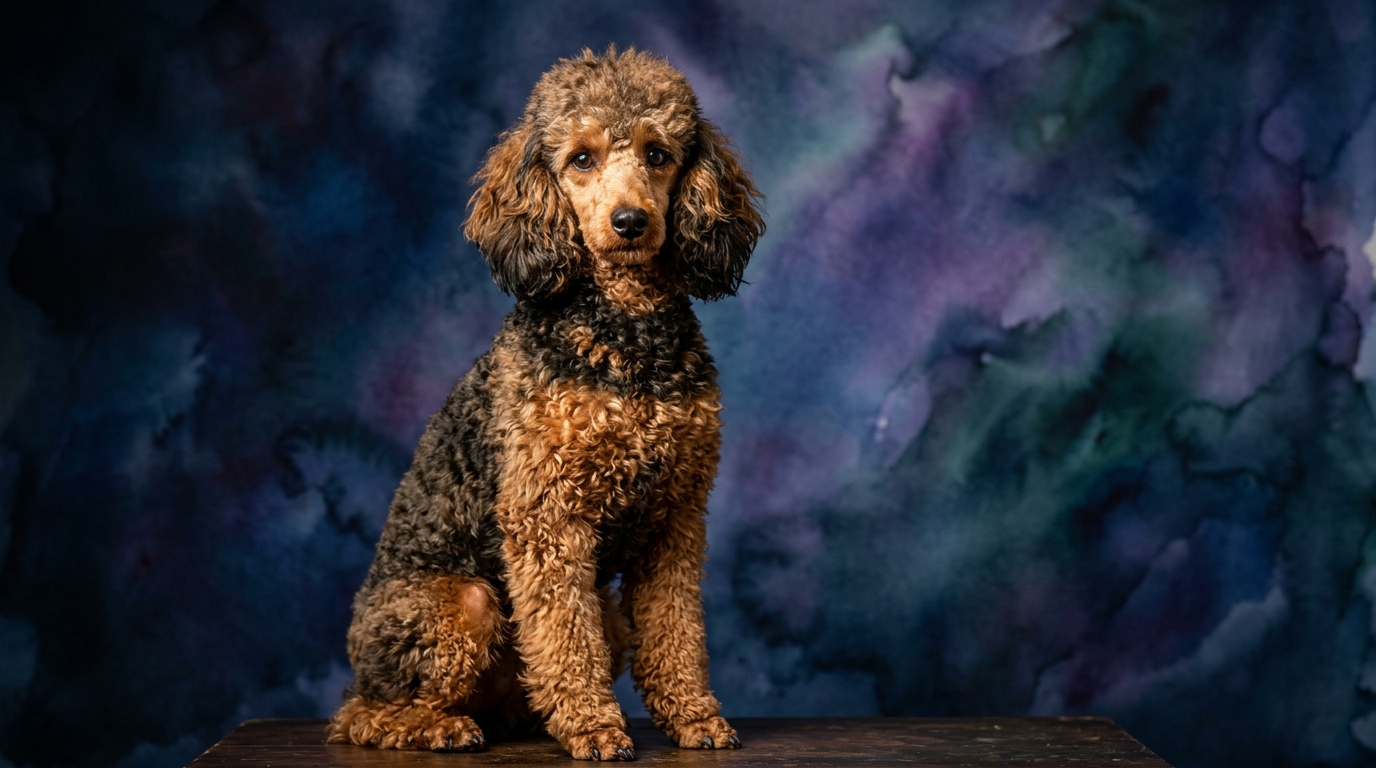
The Standard Poodle, ranking impressively at Coren #2, exhibits a cognitive architecture designed for rapid assimilation and complex understanding. Their Problem Solving score of 5/5 indicates an exceptional capacity to analyze novel situations and devise effective solutions, often with minimal prior instruction. This breed doesn't just learn tasks; they tend to grasp the underlying principles, allowing for quick adaptation when variables change or when presented with multi-step puzzles requiring sequential thought. Training Speed, also at a perfect 5/5, reflects their eagerness and aptitude for acquiring new commands and behaviors swiftly, often anticipating cues. Their Social Intelligence at 5/5 signifies a profound ability to interpret human intentions, moods, and subtle body language, fostering a deeply responsive partnership. An Instinctive Drive of 4/5 suggests a well-directed, adaptable motivation, while a Memory score of 5/5 ensures that once a lesson is learned, it is retained with remarkable fidelity, even after long periods.
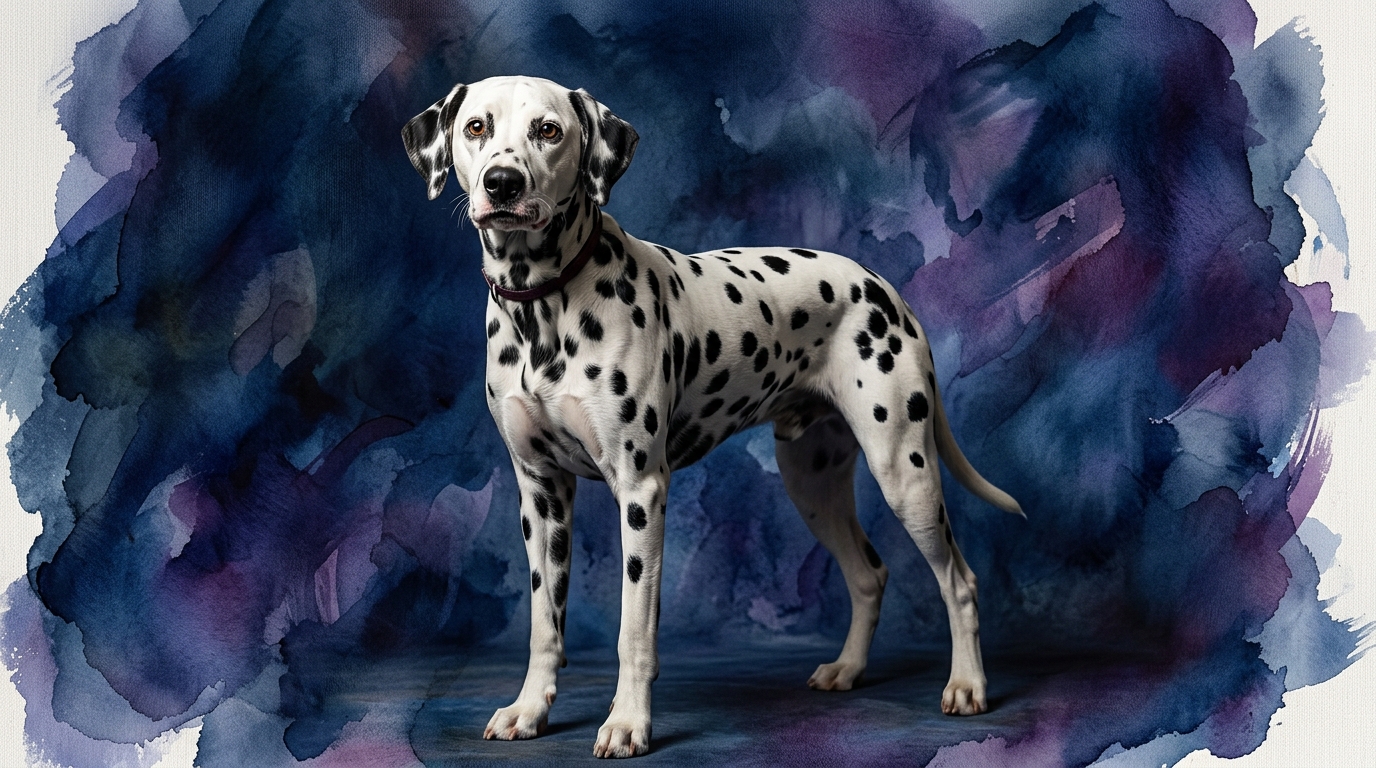
Conversely, the Dalmatian, with a Coren rank of #39, demonstrates a different set of cognitive strengths. Their Problem Solving score of 3/5 suggests a more direct, less abstract approach to challenges. They excel at learning established procedures and repeating them reliably, but might require more structured guidance to navigate entirely new, complex scenarios or to independently figure out multi-part mechanisms without previous exposure. A Training Speed of 3/5 means they are certainly trainable, but typically require more repetition and consistent reinforcement to solidify new behaviors compared to the Poodle. Their Social Intelligence at 4/5 shows a strong capacity for connection and responsiveness to human interaction, though perhaps not with the same nuanced perceptive ability as a Poodle. An Instinctive Drive of 4/5 highlights a robust motivation for specific, often physical, tasks, which can be channeled effectively. Finally, their Memory score of 4/5 indicates good retention of learned information, ensuring consistency in performance once a skill is mastered.
Where Poodle (Standard) Wins Cognitively
The Standard Poodle's cognitive advantages are most evident in their superior capacity for abstract thought and rapid learning. Their 5/5 Problem Solving and Training Speed mean they excel at complex obedience, agility, and even specialized service work where understanding intricate sequences and adapting to new commands on the fly is crucial. A Poodle might quickly figure out how to open a child-proof gate or independently retrieve a specific item based on a verbal description, showcasing their ability to connect abstract concepts to physical actions. This breed often thrives on intellectual challenges, demonstrating a drive to engage with puzzles and novel situations.
Furthermore, their 5/5 Social Intelligence allows for an almost uncanny attunement to their human companions. They frequently anticipate needs, respond to subtle shifts in tone or posture, and adapt their behavior to fit social contexts with remarkable precision. This makes them exceptionally intuitive partners, often seeming to 'understand' more than just commands, but the underlying intent behind them. This profound social awareness, combined with their excellent memory, allows Poodles to build intricate repertoires of learned behaviors and social etiquette that are both broad and deeply ingrained.
Where Dalmatian Wins Cognitively
While the Dalmatian's cognitive profile differs from the Poodle's, it offers distinct strengths, particularly in areas demanding focused application and physical endurance. Their Instinctive Drive of 4/5, combined with a Memory score of 4/5, makes them exceptional candidates for roles requiring consistent execution of learned tasks over extended periods. For instance, a Dalmatian's historical role as a coach dog, running alongside carriages, speaks to an innate stamina and a reliable adherence to a specific 'job' once taught. They possess a persistent focus that, when directed, can lead to highly dependable performance in activities such as long-distance running, carting, or tracking.
The Dalmatian's 4/5 Social Intelligence, while not as acutely perceptive as the Poodle's, still signifies a strong capacity for loyalty and responsiveness within a clear social structure. They form deep bonds with their families and are generally eager to please, especially when training is consistent and positive. Once a routine is established and understood, the Dalmatian's memory ensures they will perform reliably, making them robust companions for owners who value steadfastness and a clear, predictable partnership. Their cognitive strengths lie in dedicated application and sustained effort rather than rapid, abstract problem-solving.
Which is Easier to Train and Why
Based on The Cosmic Pet Pet IQ Lab's metrics, the Standard Poodle is, by a significant margin, easier to train. Their 5/5 Training Speed means they typically pick up new commands and complex routines with minimal repetition. They possess an inherent desire to engage mentally with their trainers and often derive satisfaction from the learning process itself. A Poodle might learn a multi-step agility course after only a few walkthroughs, or quickly generalize a new trick to different contexts, due to their superior problem-solving and memory. They are highly motivated by intellectual challenge and positive reinforcement, often requiring less tangible reward as the training progresses.
The Dalmatian, with a Training Speed of 3/5, requires a more patient, consistent, and structured approach. While certainly capable of learning a wide array of commands and behaviors, they typically need more repetitions to solidify new information. Dalmatians respond best to clear, unambiguous cues and a steady routine, with positive reinforcement being key to maintaining their engagement. Real behavioral differences include the Dalmatian's potential for stubbornness or distraction if training is inconsistent or if they don't perceive a clear purpose. Unlike the Poodle who might find the 'puzzle' of training intrinsically rewarding, the Dalmatian often needs a more direct, tangible motivator and a sense of partnership in the activity to maintain focus and enthusiasm. Their training journey is often a marathon, not a sprint, built on trust and consistent reinforcement rather than rapid conceptual leaps.
Which Suits Active Owners vs. Relaxed Owners
For owners seeking an active intellectual partnership, the Standard Poodle is an ideal match. Their profound cognitive capacity means they thrive on mental stimulation as much as physical exercise. An owner who enjoys teaching intricate tricks, participating in dog sports like obedience or agility, or even engaging in scent work and puzzle games will find the Poodle an eager and capable collaborator. They are well-suited to individuals or families who can dedicate time to daily training sessions, problem-solving activities, and varied enrichment that challenges their sharp minds. While they are physically capable, their mental needs often dictate the pace and type of 'activity' required.
The Dalmatian, with its robust Instinctive Drive of 4/5 and historical working background, is better suited for owners who define 'active' more physically. These dogs possess considerable stamina and energy, making them excellent companions for long runs, hikes, or consistent, high-energy play. They thrive with owners who can provide ample opportunities for physical exertion and structured outdoor activities. While they benefit from mental stimulation, their primary activity requirement leans towards sustained physical output. A relaxed owner, or one who cannot meet their substantial exercise needs, might find a Dalmatian's energy manifesting in less desirable ways, highlighting the importance of matching their physical drive with an owner's lifestyle.
The Verdict: When to Choose Each
Choosing between a Standard Poodle and a Dalmatian ultimately depends on the specific cognitive partnership and lifestyle you envision. Your decision should align with which breed's innate intellectual and energetic drivers resonate most with your own capacity for engagement and training philosophy.
The Verdict
Choose the Standard Poodle if you are an owner who relishes a deep, intuitive cognitive bond, enjoys intricate training, and seeks a companion eager for constant mental challenges and nuanced social interaction.
Opt for the Dalmatian if you are an active owner who appreciates a steadfast, physically enduring companion, values consistent training, and can provide ample opportunities for sustained physical activity and a clear, predictable routine.
🧠 Find Your Pet's IQ Score
Our Pet IQ Lab assessment covers 25+ tests across 5 cognitive dimensions — personalized to your breed.
Take the Full IQ Test →Frequently Asked Questions
Do Standard Poodles require a lot of mental stimulation?
Yes, absolutely. With a Problem Solving and Social Intelligence score of 5/5, Standard Poodles require significant daily mental engagement. This can include advanced training, puzzle toys, scent work, or participation in dog sports to keep their sharp minds challenged and prevent boredom.
Are Dalmatians difficult to train due to their lower IQ scores?
Dalmatians are not difficult to train, but their Training Speed of 3/5 means they require more consistency, patience, and repetition than a breed like the Poodle. They respond well to positive reinforcement and clear, structured lessons, making them quite trainable for dedicated owners.
Which breed is better for first-time dog owners?
For first-time dog owners, the Standard Poodle's rapid learning and desire to please can make the training process more forgiving. However, their high mental needs require commitment. A Dalmatian can also be suitable for a first-time owner who is prepared for their significant physical exercise requirements and committed to consistent, structured training.