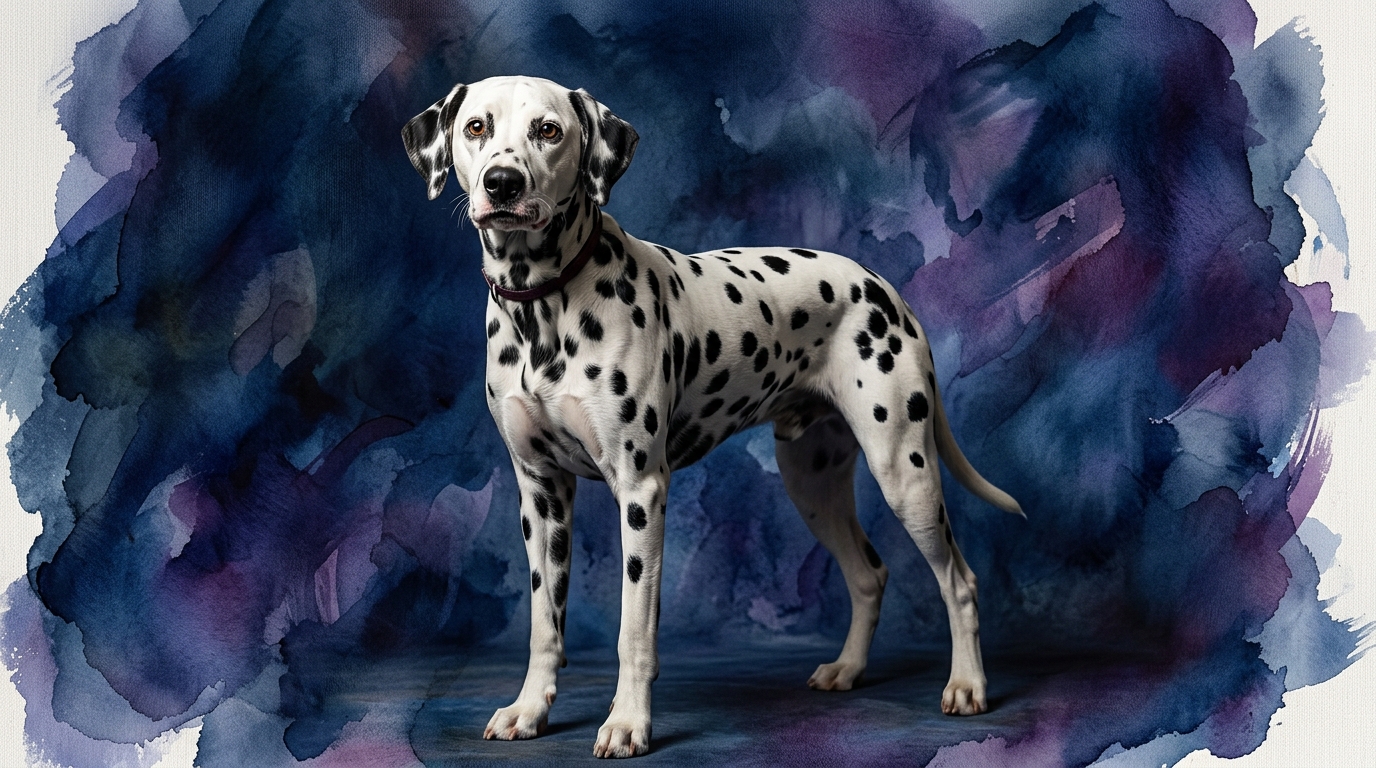
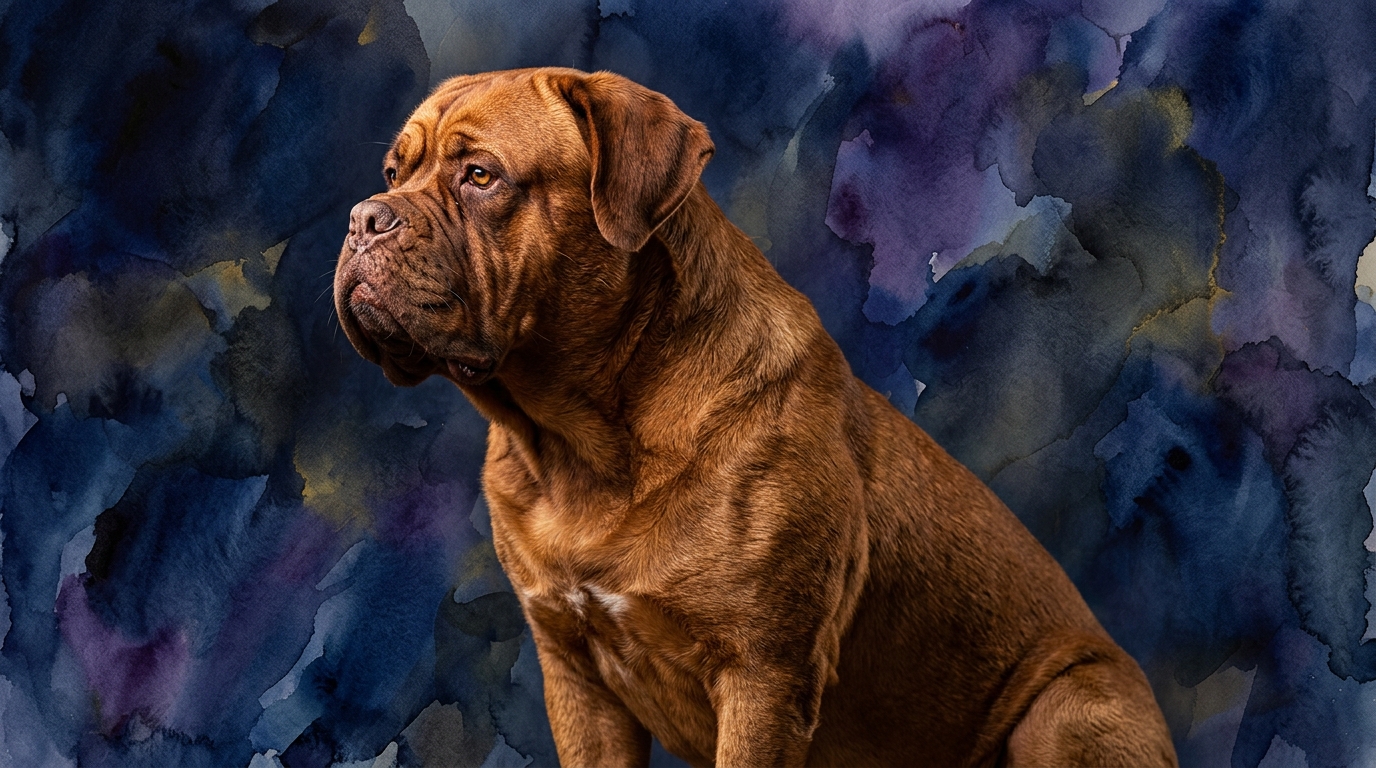
Side-by-Side IQ Profile: Dalmatian vs. Dogue de Bordeaux
The Cosmic Pet Pet IQ Lab employs five dimensions to assess canine intelligence, offering a granular view of how breeds process information and interact with their world. For the Dalmatian, ranked #39 by Coren, these dimensions paint a picture of an engaged and responsive companion. Their Problem Solving is rated 3/5, indicating a moderate aptitude for novel challenges, often relying on learned behaviors or practical, direct solutions. Training Speed also sits at 3/5, suggesting they learn new commands at a steady pace, requiring consistent and engaging methods. Where Dalmatians truly shine is in Social Intelligence (4/5), exhibiting a high capacity for understanding social cues from both humans and other animals, leading to strong, expressive bonds. Their Instinctive Drive is a notable 4/5, reflecting a pronounced desire for activity and engagement, often with a clear purpose, stemming from their historical role. Finally, a robust Memory of 4/5 means they retain learned commands, routines, and experiences over long periods, aiding consistent behavior and recall.
The Dogue de Bordeaux, a powerful Working breed not ranked by Coren, presents a different but equally compelling cognitive blueprint. Their Problem Solving matches the Dalmatian at 3/5; they tend to be deliberate in their actions, often assessing situations before committing to a solution. Training Speed is also 3/5, similar to Dalmatians, but their training requires patience and a firm yet gentle hand, as their compliance is often tied to their bond and clear expectations. Social Intelligence scores 3/5; while solid, it’s more discerning than overtly expressive, leading to deep bonds with immediate family but reservation with strangers, indicating a selective, rather than broad, social awareness. Their Instinctive Drive is 3/5, primarily rooted in guardianship and loyalty, manifesting as a strong protective instinct and a desire to be near their human companions, often with a calm, watchful presence. Memory is rated 3/5, reliable for routines and commands once established, though consistency in training is key to leveraging this memory effectively.
Where the Dalmatian Wins Cognitively
The Dalmatian's cognitive profile showcases several distinct advantages, particularly in areas demanding adaptability and broad social engagement. Their superior Social Intelligence (4/5) means they are generally more attuned to complex interpersonal dynamics, making them adept at navigating varied social situations with grace and understanding. This enhanced ability to read cues allows them to interact more smoothly with a wider range of people and animals, often anticipating intentions. Furthermore, their Instinctive Drive (4/5) is geared towards endurance and companionship, stemming from their history as carriage dogs; this translates into a higher intrinsic motivation for sustained activity and partnership, which can be leveraged in cooperative tasks. Coupled with their robust Memory (4/5), Dalmatians quickly recall complex routines, excelling in activities demanding precision and consistency, like advanced obedience or agility. This combination of social acumen, intrinsic drive for engagement, and strong memory allows them to excel in environments where dynamic interaction and continuous learning are valued.
Where the Dogue de Bordeaux's Cognitive Strengths Shine
While the Dogue de Bordeaux doesn't outscore the Dalmatian in numerical IQ dimensions, their cognitive strengths lie in a different, equally valuable direction: focused loyalty and steadfast purpose. Their Problem Solving (3/5) and Training Speed (3/5) scores are on par with the Dalmatian, but the Dogue de Bordeaux approaches these with a deliberate, often unwavering focus once a task is understood. Their cognitive processes, though not quick to generalize, are deeply rooted in protective instincts and family bonds. This means that while their Social Intelligence (3/5) might appear lower due to their reserved nature with strangers, it manifests as an intense, discerning loyalty towards their inner circle, making them acutely aware of their family's well-being. Their Instinctive Drive (3/5) is singularly directed towards guardianship, translating into an impressive capacity for watchful vigilance and a profound sense of responsibility. This unwavering dedication, rather than broad adaptability, highlights their cognitive strength, allowing them to excel in roles requiring steadfastness and deep commitment.
Which is Easier to Train and Why
When considering ease of training, the Dalmatian generally holds a slight edge due to its higher scores in Social Intelligence (4/5) and Memory (4/5), coupled with a comparable Training Speed (3/5). Dalmatians are typically more responsive to human cues and tend to retain learned behaviors more reliably over time. Their historical role required them to work closely with humans and horses, fostering an inherent desire for cooperation and responsiveness. They often pick up subtle signals and engage in collaborative learning, making training feel like a partnership. For instance, a Dalmatian might quickly generalize a 'stay' command from different locations due to better memory and social understanding. In contrast, while the Dogue de Bordeaux also has a Training Speed of 3/5 and a Problem Solving score of 3/5, their more reserved Social Intelligence (3/5) and slightly lower Memory (3/5) can mean that training requires greater patience and consistency. They need to thoroughly understand the 'why' behind a command and trust their trainer implicitly. A Dogue de Bordeaux might be slower to generalize commands or require more repetition, but once ingrained, behaviors are performed with unwavering commitment, driven by their desire to please their trusted companion. The Dogue de Bordeaux's protective instincts, while valuable, can also present a challenge in training if not channeled appropriately, requiring a trainer who understands their specific motivators.
Which Suits Active Owners vs. Relaxed Owners
The Dalmatian's cognitive profile, particularly its high Instinctive Drive (4/5) and robust Memory (4/5), aligns perfectly with active owners seeking a dynamic companion. Their history as endurance runners means they possess a deep-seated need for physical and mental stimulation, thriving on regular exercise, engaging activities, and consistent interaction. An owner who enjoys long runs, agility courses, or complex obedience training will find the Dalmatian eager to participate and quick to master new challenges. Their social intelligence also makes them adaptable to varied active environments. Conversely, the Dogue de Bordeaux, with its more moderate Instinctive Drive (3/5) and focused social intelligence (3/5), is better suited for relaxed owners who appreciate a calm, watchful presence. While they certainly require regular walks and mental engagement to stay healthy, their activity needs are less intense and sustained than a Dalmatian's. They are content with being close to their family, often acting as a quiet, protective guardian within the home. A relaxed owner valuing deep, loyal companionship and a serene home, rather than constant high-energy activities, will find the Dogue de Bordeaux a perfect match.
The Verdict
Opt for a Dalmatian if you seek an engaging, active companion with a strong memory and high social acumen, eager to participate in dynamic activities and learn complex routines.
Select a Dogue de Bordeaux if you prefer a deeply loyal, steadfast companion whose cognitive strengths lie in focused dedication and calm guardianship, thriving in a more relaxed home environment.
🧠 Find Your Pet's IQ Score
Our Pet IQ Lab assessment covers 25+ tests across 5 cognitive dimensions — personalized to your breed.
Take the Full IQ Test →Frequently Asked Questions
Do Dalmatians and Dogue de Bordeaux learn at the same pace?
Both breeds share a 'Training Speed' score of 3/5, indicating they learn new commands at a moderate, steady pace. However, Dalmatians may appear to learn faster due to their higher memory and social intelligence, making them more receptive to varied training methods.
Which breed is better with strangers, considering social intelligence?
Dalmatians, with a Social Intelligence of 4/5, are generally more open and adaptable to strangers, often reading social cues with greater ease. Dogue de Bordeaux, scoring 3/5, tend to be more reserved and discerning, forming deep bonds with their family while being more aloof towards new people.
How do their problem-solving abilities differ in practical scenarios?
Both breeds have a Problem Solving score of 3/5, meaning they approach challenges practically. Dalmatians might use trial-and-error more readily due to their higher drive for engagement, while Dogue de Bordeaux might be more deliberate and focused on assessing the situation before acting, drawing on their inherent steadiness.