Side-by-Side Cognitive Profiles
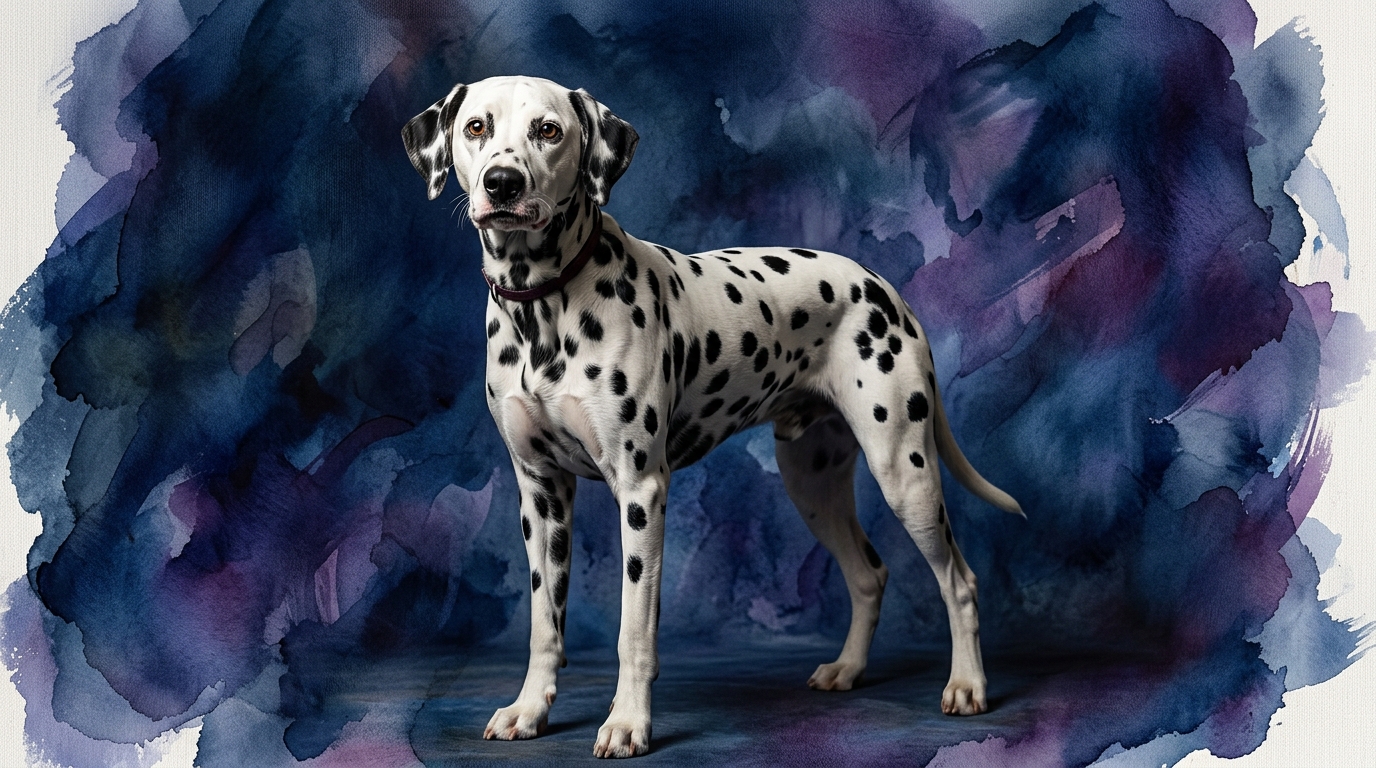
At The Cosmic Pet Pet IQ Lab, we evaluate canine intelligence across five key dimensions, providing a nuanced understanding beyond simple ranking. For the Dalmatian, a Non-Sporting breed with a Coren rank of #39, their cognitive scores paint a picture of a capable and socially aware companion. Their Problem Solving is rated 3/5, indicating an aptitude for figuring out puzzles and navigating novel situations, though they may not always be the most innovative thinkers. Training Speed also sits at 3/5, meaning Dalmatians learn new commands at a moderate pace, benefiting greatly from consistent and engaging methods. Where they truly shine is in Social Intelligence at 4/5, showing a strong innate capacity to understand and respond to human cues and social dynamics, fostering deep bonds. Their Instinctive Drive is a robust 4/5, often tied to their historical role as coach dogs, providing a generalized motivation that can be channeled into various tasks. Finally, their Memory is also 4/5, suggesting they retain learned behaviors and experiences effectively over time.
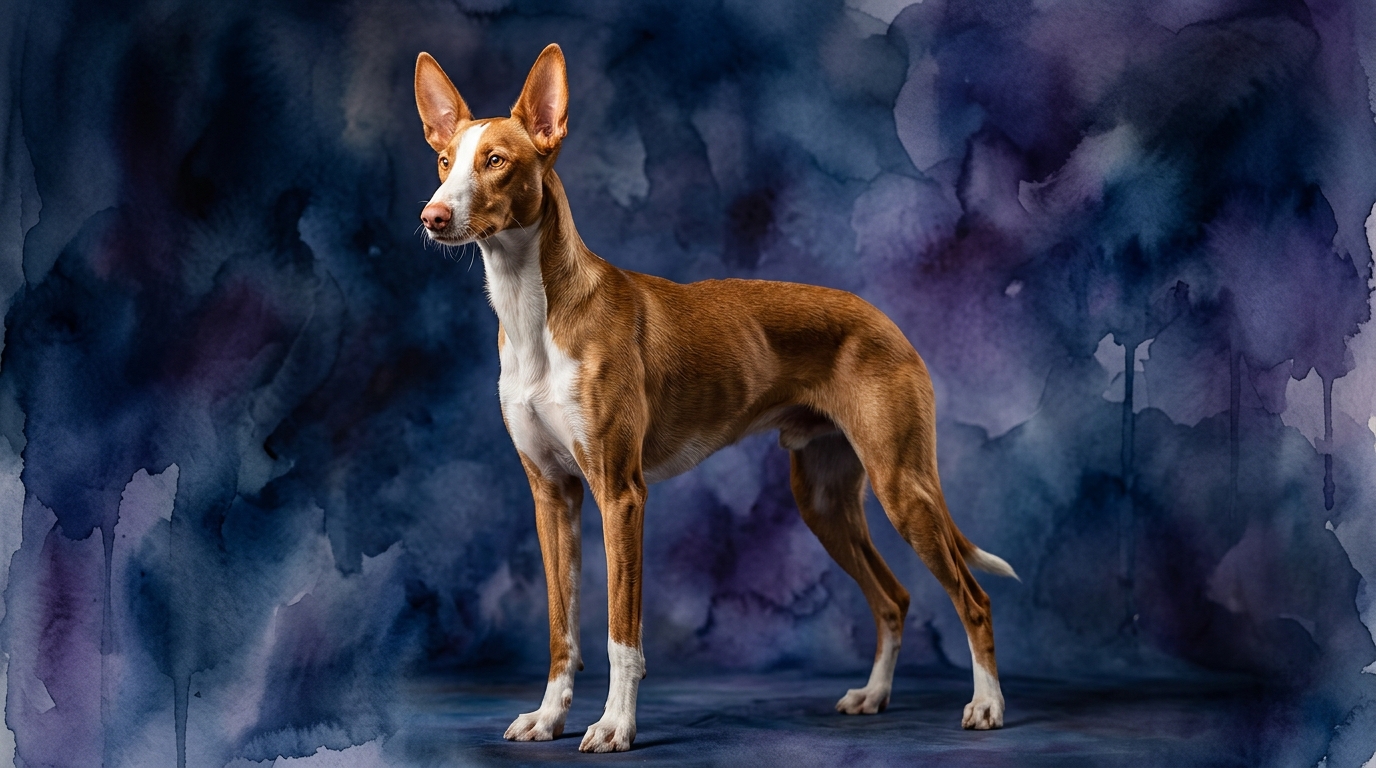
The Ibizan Hound, a graceful Hound breed with a Coren rank of #53, presents a cognitive profile geared towards independence and specialized hunting prowess. Their Problem Solving is 3/5, showcasing an ability to think for themselves, particularly when motivated by their keen senses and prey drive in a hunting context. Like the Dalmatian, their Training Speed is 3/5; they absorb new information steadily, but their independent spirit can sometimes be mistaken for stubbornness, requiring patience and creative motivation. Social Intelligence for the Ibizan Hound is 3/5, indicating they form strong, affectionate bonds with their immediate family but tend to be more reserved and less overtly people-focused with strangers. Their Instinctive Drive is 3/5, reflecting a powerful, focused sighthound drive for pursuit rather than a broad, generalized motivation. Their Memory is also 3/5, meaning they remember commands and routines, though perhaps not with the same vividness or long-term retention as a breed scoring higher in this dimension.
Where the Dalmatian Wins Cognitively
The Dalmatian exhibits a distinct cognitive advantage in several key areas, particularly in social intelligence, instinctive drive, and memory, where they score 4/5 compared to the Ibizan Hound's 3/5. Their superior social intelligence means Dalmatians possess a greater innate capacity for understanding and responding to human emotional states and social cues. This often translates into a more overt eagerness to please and participate in family activities, making them highly attuned partners in daily life. Their heightened social cognition makes them more likely to seek out interaction and form strong, cooperative working relationships with their owners, a legacy of their historical role as coach dogs who needed to work in tandem with horses and humans.
Furthermore, the Dalmatian's more robust instinctive drive (4/5) suggests a broader, generalized motivation that can be channeled into a wide array of tasks beyond pure prey pursuit. This drive, combined with their 4/5 memory score, means they are not only more inclined to engage in structured activities but also more likely to retain complex sequences of commands and routines over extended periods. This combination of social acumen, generalized drive, and strong memory makes Dalmatians particularly receptive to advanced obedience training, learning intricate tricks, and excelling in dog sports where consistent recall and complex pattern learning are paramount. Their cognitive profile points to a dog that thrives on engagement and remembers the satisfaction of shared tasks, making them highly rewarding for owners who enjoy an actively collaborative canine relationship.
Where the Ibizan Hound Shows Unique Cognitive Strengths
While the Ibizan Hound's numerical scores might not surpass the Dalmatian's across the board, their cognitive profile reveals distinct strengths rooted in their millennia-old purpose as independent sighthounds. Their problem-solving, rated at 3/5, is often expressed through a highly specialized form of strategic thinking during the hunt. This involves independently assessing terrain, anticipating prey movements, and devising swift, efficient pursuit strategies without direct human command. This type of autonomous, situational problem-solving is a hallmark of their intelligence, requiring sharp observation, rapid decision-making, and self-reliance in dynamic, fast-paced environments.
Their instinctive drive, also rated 3/5, is intensely focused on the chase, showcasing an unwavering determination and singular focus once a target is sighted. This isn't a generalized drive for companionship or abstract tasks, but a finely tuned predatory instinct that demands exceptional concentration and perseverance. Cognitively, this translates into an ability to filter out distractions and maintain singular attention on a goal, a trait invaluable for specific tasks like lure coursing or independent exploration. Their social intelligence (3/5) and memory (3/5) might suggest a more reserved demeanor, but this independence allows them to operate effectively without constant human guidance, relying instead on their keen senses and innate hunting intellect. Owners who appreciate a dog capable of making its own smart decisions in specific, instinct-driven contexts will find this independent cognitive style particularly appealing and rewarding.
Which Breed is Easier to Train and Why?
When comparing ease of training, both the Dalmatian and the Ibizan Hound share a training speed rating of 3/5, suggesting they absorb new commands at a moderate pace. However, the nuances of their cognitive profiles significantly impact the overall training experience. The Dalmatian's higher social intelligence (4/5) means they are generally more people-oriented and eager to please, making them more inclined to engage in cooperative training sessions. They are more likely to seek out human approval and respond positively to praise, which can subtly accelerate the learning process despite their moderate training speed score. Their stronger, more generalized instinctive drive (4/5) also provides a broader motivational canvas; they can be driven by toys, food, or the sheer joy of interaction, making them adaptable to various reward-based training methods and a wider range of training disciplines.
Conversely, the Ibizan Hound’s social intelligence (3/5) and instinctive drive (3/5), while perfectly adequate for bonding, imply a more independent and less overtly people-focused training partner. Their strong sighthound instincts mean they are often more motivated by the chase than by human praise or abstract tasks. While they are capable of learning, their independent nature can sometimes be perceived as stubbornness, requiring more patience, creativity, and a deep understanding of their sighthound motivations. Training an Ibizan Hound often means finding ways to make the training itself mimic a "game" or a "hunt," tapping into their inherent drive for pursuit rather than relying solely on their desire to please. Consistency, clear, concise commands, and positive reinforcement are crucial for both breeds, but the Dalmatian's cognitive leanings generally make them a more straightforward and responsive student for a wider range of obedience and trick training.
Matching Cognitive Profiles to Owner Lifestyles
Both breeds are inherently active, but their cognitive needs and expressions of energy diverge, making them suitable for different types of "active" or "engaged" owners. The Dalmatian, with its 4/5 social intelligence and 4/5 instinctive drive, thrives on purposeful interaction and shared activities. They require owners who are not just physically active but also mentally engaging, providing structured training, participating in dog sports, or offering consistent "jobs" to satisfy their drive and cognitive need for companionship. A Dalmatian needs an owner who actively participates in their mental and physical stimulation, as their higher social intelligence means they are not content to simply exercise alone or be left to their own devices for extended periods. They are ideally suited for owners who enjoy a canine partner in jogging, hiking, or even competitive obedience, where the dog is an active, cooperative participant in shared adventures.
The Ibizan Hound, while possessing an equally high need for physical exertion, expresses this need with more independence. Their 3/5 social intelligence suggests they are content with their family but less reliant on constant human direction for stimulation. Their 3/5 instinctive drive is keenly focused on chase and exploration, meaning they require ample opportunities for off-leash running in secure areas, lure coursing, or activities that satisfy their sighthound instincts for pursuit. An owner for an Ibizan Hound might be someone who can provide large, fenced spaces for independent sprints or regular trips to a safe open field, rather than constant, structured interaction. While they need significant exercise, their cognitive profile suggests they are less prone to separation anxiety born from a need for constant human interaction, making them suitable for active owners who appreciate a dog capable of entertaining itself with appropriate outlets, or who enjoy watching their dog revel in independent, high-speed pursuits and explorations.
The Verdict
If you seek a highly engaged, socially attuned companion eager to participate in cooperative training and family activities, the Dalmatian's strong social intelligence, drive, and memory make them an excellent choice.
Opt for the Ibizan Hound if you appreciate an independent, elegant athlete whose cognitive strengths lie in autonomous problem-solving and focused pursuit, thriving with ample space for independent exercise and a keen appreciation for their unique sighthound nature.
🧠 Find Your Pet's IQ Score
Our Pet IQ Lab assessment covers 25+ tests across 5 cognitive dimensions — personalized to your breed.
Take the Full IQ Test →Frequently Asked Questions
Is the Dalmatian really 'smarter' than the Ibizan Hound according to these scores?
The Dalmatian scores higher in social intelligence, instinctive drive, and memory (4/5 versus 3/5 for the Ibizan Hound), suggesting a greater overall cognitive versatility and responsiveness to human-led activities. While the Ibizan Hound excels in specific independent problem-solving related to hunting, the Dalmatian's profile indicates a broader range of adaptable cognitive strengths for a typical companion role.
Do these IQ scores mean an Ibizan Hound cannot be trained effectively?
Absolutely not. An Ibizan Hound's training speed is 3/5, meaning they are capable of learning new commands at a moderate pace, similar to a Dalmatian. However, their independent nature and strong prey drive require consistent, patient training methods that leverage their natural motivations, making the process different rather than inherently more difficult for a dedicated owner.
How do the 'instinctive drive' scores differ in practice for these breeds?
The Dalmatian's 4/5 instinctive drive is a more generalized motivation often channeled into cooperation and engagement, historically linked to their coach dog role and a desire to work alongside humans. The Ibizan Hound's 3/5 drive is intensely focused on the sighthound's pursuit instinct, meaning they can become highly fixated on moving objects or distant sights, requiring vigilant management in unsecured areas but excelling in activities like lure coursing that satisfy this specific drive.