Side-by-Side Cognitive Profile
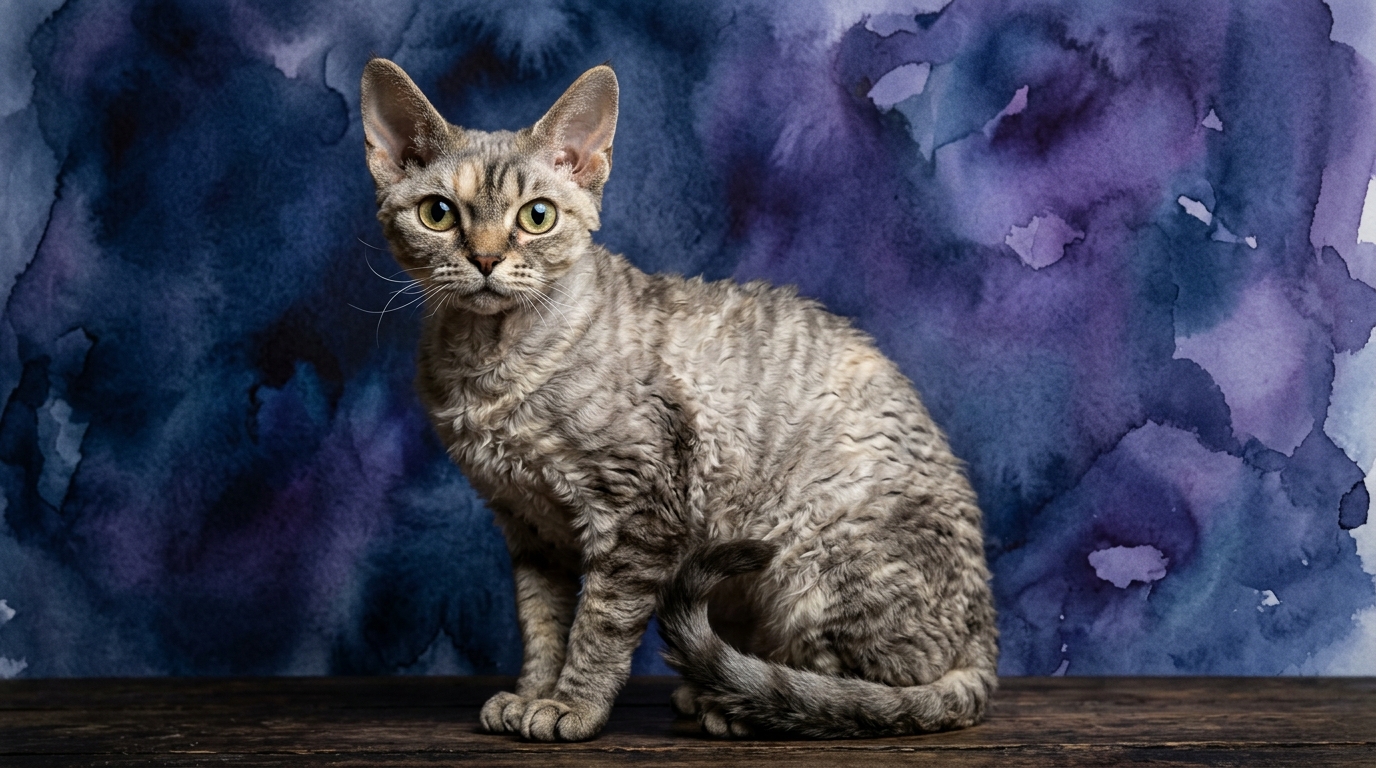
The Cosmic Pet Pet IQ Lab offers a comprehensive look into feline cognition across five key dimensions. For the **Devon Rex**, these scores highlight a highly engaged and adaptable mind.
**Devon Rex IQ Scores:** Problem Solving 4/5, Training Speed 5/5, Social Intelligence 5/5, Instinctive Drive 3/5, Memory 4/5. With a **Problem Solving score of 4/5**, the Devon Rex demonstrates a keen ability to decipher complex situations, often creatively figuring out how to access desired items or navigate intricate spaces. Their perfect **5/5 in Training Speed** signifies an extraordinary capacity for rapid learning, quickly associating commands with actions and rewards. A **Social Intelligence of 5/5** means they are exceptionally attuned to human emotions and cues, fostering deep, perceptive bonds. Their **Instinctive Drive at 3/5** indicates a healthy, moderate level of natural predatory behaviors, enjoying play that mimics hunting without being overly driven by it. Finally, a **Memory of 4/5** ensures they retain learned behaviors and recall past experiences over extended periods, contributing to their overall trainability and adaptability.
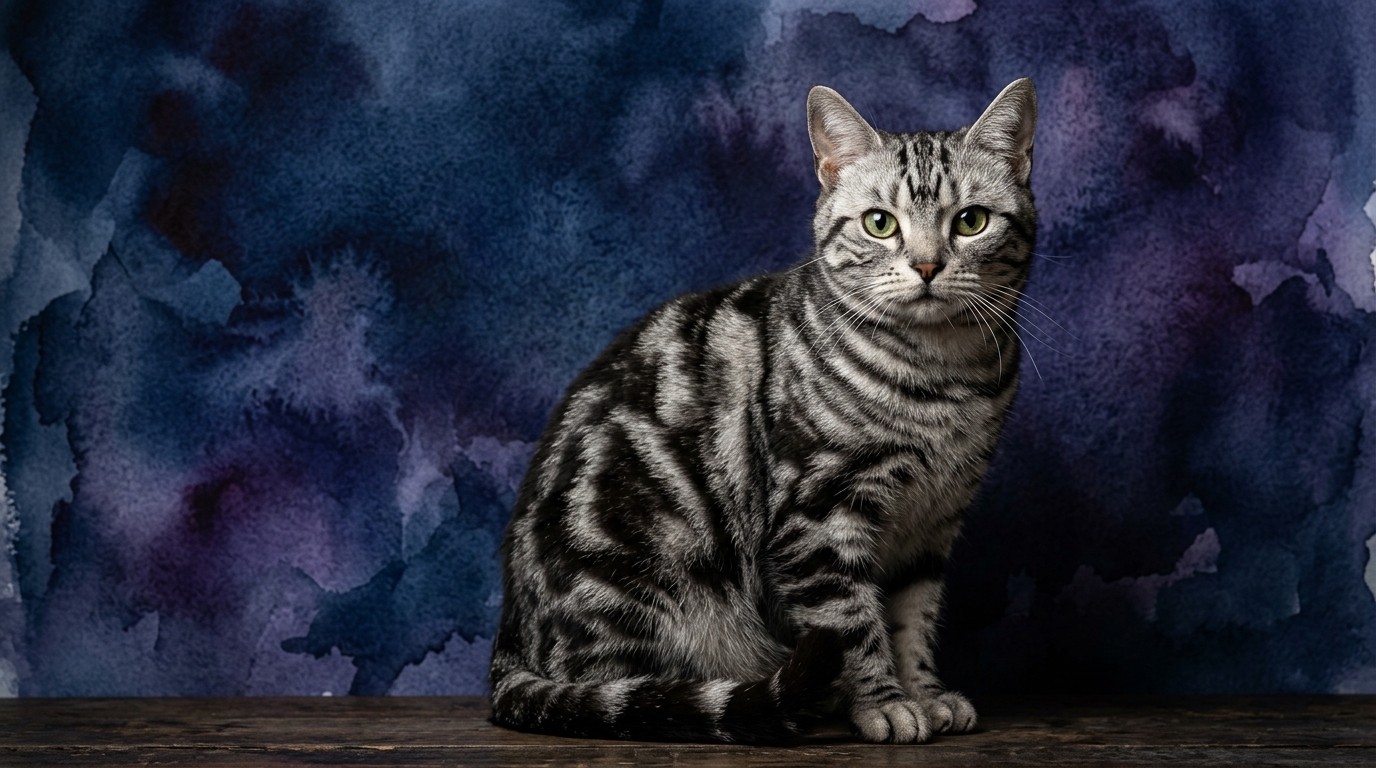
In contrast, the **American Shorthair** presents a profile of balanced and consistent cognitive abilities.
**American Shorthair IQ Scores:** Problem Solving 3/5, Training Speed 3/5, Social Intelligence 3/5, Instinctive Drive 3/5, Memory 3/5. An American Shorthair's **Problem Solving score of 3/5** reflects a practical and efficient approach to everyday challenges; they are competent at figuring out how to get what they want, often through direct and straightforward methods. Their **3/5 in Training Speed** indicates they learn at a steady, reliable pace, capable of picking up routines and commands with patient, consistent reinforcement. A **Social Intelligence of 3/5** means they are friendly and interactive, enjoying companionship and forming affectionate bonds, though perhaps not with the same intensity or nuanced perception as a higher-scoring breed. Matching the Devon Rex, their **Instinctive Drive at 3/5** suggests a moderate enjoyment of chasing and exploring, engaging in typical feline play behaviors without excessive fixation. A **Memory score of 3/5** ensures they reliably remember routines, favored individuals, and the layout of their home, contributing to their stable and adaptable nature.
Where the Devon Rex Excels Cognitively
The Devon Rex distinguishes itself with superior scores across several critical cognitive dimensions, making it a standout for owners seeking an intellectually vibrant companion. Their Problem Solving at 4/5 points to a cat that doesn't just react but actively strategizes, often devising inventive solutions to puzzles or challenges. This cognitive flexibility means they are less likely to be deterred by obstacles and more inclined to experiment with different approaches until success is achieved. The perfect 5/5 in Training Speed is a testament to their remarkable aptitude for learning, enabling them to quickly master new commands, tricks, and even complex agility courses. This rapid uptake is significantly amplified by their stellar 5/5 Social Intelligence, which allows them to keenly interpret human intentions and emotions. This deep understanding fosters a highly collaborative learning environment where the Devon Rex is often eager to engage and please. Furthermore, their 4/5 Memory ensures that these learned skills and successful strategies are retained, allowing them to build a rich repertoire of knowledge and adapt past lessons to novel situations. These combined strengths create a feline companion that is not only bright but also highly interactive and responsive to its human family.
American Shorthair's Cognitive Strengths
While the Devon Rex shines in specific areas, the American Shorthair's cognitive strength lies in its remarkable balance and consistency, with solid 3/5 scores across Problem Solving, Training Speed, Social Intelligence, and Memory. This consistent profile indicates a highly adaptable and resilient intellect. An American Shorthair's 3/5 in Problem Solving means they are practical and effective at navigating daily life; they might not invent elaborate schemes, but they will reliably find straightforward solutions to access food, toys, or comfortable resting spots. Their 3/5 Training Speed suggests they are certainly trainable, absorbing new information at a steady, manageable pace, making them responsive to patient, consistent reinforcement. Similarly, a 3/5 in Social Intelligence means they are affectionate and capable of forming stable, loving bonds with their human companions, enjoying interaction without exhibiting an overwhelming or constant demand for engagement. This well-roundedness means the American Shorthair is generally stable, predictable, and resilient, capable of thriving in a variety of home environments without presenting extreme cognitive demands. Their balanced intellect contributes to their reputation as a wonderfully adaptable, easygoing, and dependable companion.
Ease of Training: Devon Rex vs. American Shorthair
When evaluating ease of training, the Devon Rex holds a distinct advantage, primarily due to its exceptional 5/5 Training Speed and 5/5 Social Intelligence. A Devon Rex's rapid learning curve means they quickly form associations between actions and desired outcomes, making the process of teaching commands or desired behaviors remarkably efficient and often enjoyable for both cat and owner. Their high social intelligence means they are often intrinsically motivated to engage with their human companions, actively seeking interaction and responding readily to subtle cues, which transforms training into a highly collaborative and rewarding experience. For example, a Devon Rex is more likely to quickly pick up complex tricks, respond to their name consistently, or even learn to walk on a leash, driven by their desire for engagement and their acute understanding of human intentions.
In contrast, the American Shorthair, with its consistent 3/5 scores in both Training Speed and Social Intelligence, is certainly trainable but generally requires a more patient and consistent approach. They absorb information at a steady pace and appreciate companionship, but they might not possess the same innate drive for structured learning or the nuanced understanding of human intentions that propels the Devon Rex. Training an American Shorthair often relies more on establishing clear routines, utilizing positive reinforcement over time, and offering enticing rewards, rather than immediate, enthusiastic participation in complex, novel tasks. They will learn, but the pace and intrinsic motivation for active participation might be less pronounced.
Matching Breeds to Lifestyles: Active vs. Relaxed Owners
The distinct cognitive profiles of these two breeds naturally align with different owner lifestyles and expectations. The Devon Rex, with its high Problem Solving (4/5), Training Speed (5/5), and Social Intelligence (5/5), is an ideal match for active owners who relish interactive engagement and mental stimulation. These cats thrive on puzzle toys, learning new tricks, and participating actively in family activities, demanding consistent intellectual and social interaction. An owner who enjoys teaching, playing extended games, and providing a dynamic, enriching environment will find a Devon Rex to be an incredibly rewarding and responsive companion. Their profound need for social connection means they generally dislike being left alone for long periods and will actively seek out their humans for companionship and play, often following them from room to room.
Conversely, the American Shorthair, characterized by its consistent 3/5 scores across most cognitive dimensions, is exceptionally well-suited for more relaxed owners who appreciate a steady, amiable, and less demanding presence. While they certainly enjoy play and affection, their cognitive and social demands are less intense. They are content with predictable routines, a comfortable home, and regular, but not necessarily constant, interaction. An American Shorthair's balanced intelligence allows them to be independent without being aloof, making them excellent companions for individuals or families seeking a calm, adaptable pet that doesn't require constant mental challenges or structured, high-energy engagement. They are happy to observe and participate on their own terms, offering a comforting and reliable presence.
The Verdict
Opt for a Devon Rex if you seek a highly interactive, trainable, and socially astute feline companion ready to engage deeply in complex play and learning.
Select an American Shorthair if you prefer a well-balanced, adaptable cat that offers steady companionship and thrives in a more relaxed, predictable home environment.
🧠 Find Your Pet's IQ Score
Our Pet IQ Lab assessment covers 25+ tests across 5 cognitive dimensions — personalized to your breed.
Take the Full IQ Test →Frequently Asked Questions
Does the Devon Rex's high social intelligence mean it is prone to separation anxiety?
While their high social intelligence means they deeply value human companionship and thrive on interaction, it doesn't automatically equate to separation anxiety. With proper early socialization and gradual exposure to alone time, a Devon Rex can learn to cope, though they will always prefer being with their family and may become lonely if left alone for very long periods.
Are American Shorthairs less affectionate because their social intelligence score is lower than the Devon Rex?
Not at all. A 3/5 in social intelligence indicates they are affectionate and enjoy companionship, just perhaps not with the same intense, constant demand for interaction as a 5/5 breed. American Shorthairs are known for their calm, consistent affection and form strong, reliable bonds with their families, often expressing love in a more subtle, independent manner.
Can an American Shorthair be taught tricks like a Devon Rex?
Yes, an American Shorthair can absolutely be taught tricks, though their training speed of 3/5 means it might require more patience and repetition compared to a Devon Rex. They respond well to positive reinforcement and consistent, shorter training sessions, and can learn a variety of commands and simple tricks effectively over time.