Side-by-Side IQ Profile: Dogo Argentino
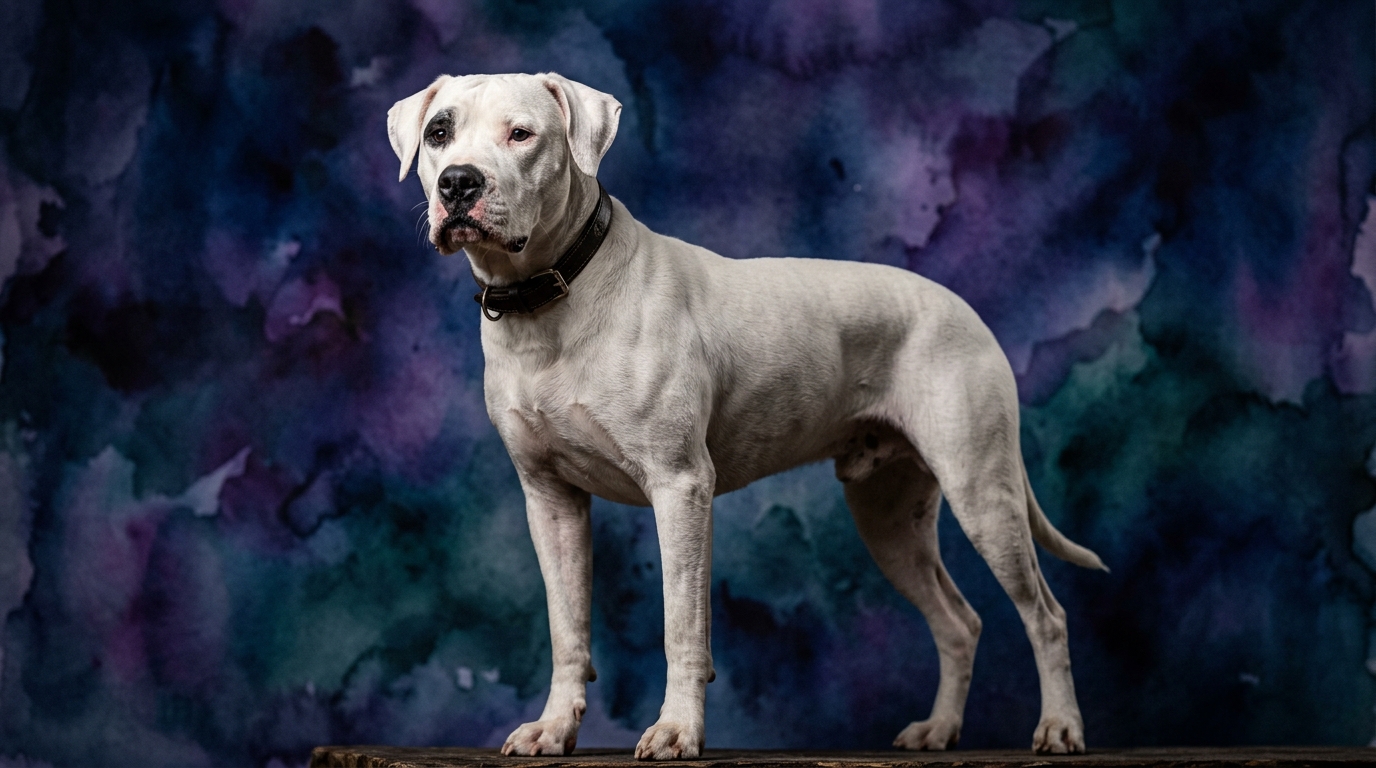
The Dogo Argentino’s cognitive profile reflects its heritage as a big-game hunter and guardian, emphasizing practical intelligence for real-world scenarios. Their Problem Solving is rated 3/5, indicating an ability to make decisive judgments in dynamic situations, such as assessing environmental threats or navigating complex terrain during a hunt, rather than solving abstract puzzles. Training Speed also stands at 3/5; while capable of learning, they typically require a patient, consistent approach with more repetition to solidify new behaviors, building trust and understanding over time.
In terms of Social Intelligence, the Dogo Argentino scores 3/5, primarily directing its keen observational skills towards its immediate family. They are adept at discerning the emotional nuances of their human companions, especially concerning perceived external dangers, though they tend to be reserved with strangers. Their Instinctive Drive, rated 3/5, manifests as profound courage, tenacity, and a strong prey drive, essential for their original working roles. Finally, their Memory, also 3/5, is robust for critical experiences related to territory, family members, and established routines, selectively prioritizing information relevant to their protective duties.
Side-by-Side IQ Profile: Chesapeake Bay Retriever
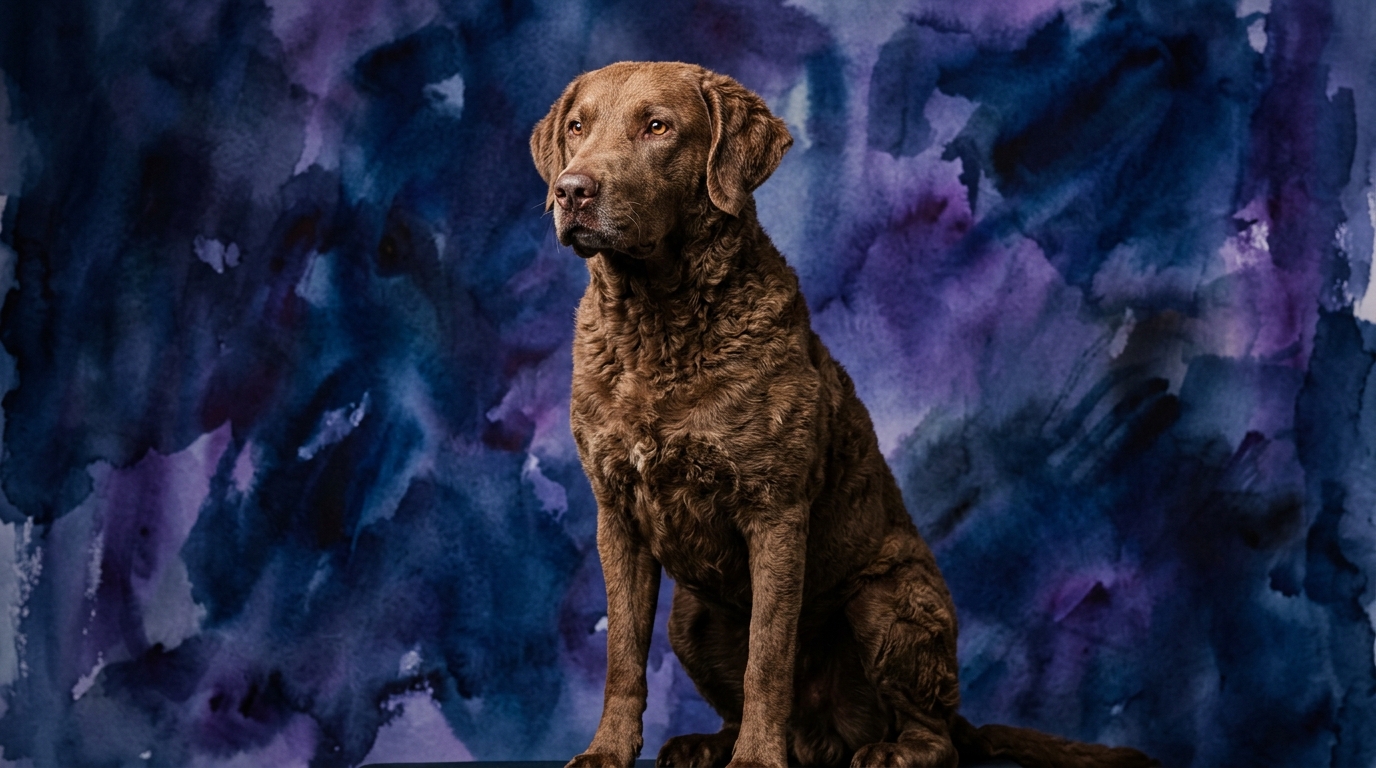
The Chesapeake Bay Retriever, Coren-ranked #27, showcases a cognitive design optimized for complex retrieving tasks, exhibiting higher scores in key areas. Their Problem Solving is rated 4/5, reflecting an enhanced ability to strategize and adapt in challenging retrieving scenarios, such as navigating obstacles, remembering fall locations, and adjusting to changing conditions. Training Speed is also 4/5; Chessies are generally quick learners, eager to absorb new commands and tasks efficiently, especially when motivated by consistent, positive reinforcement and their strong desire to work.
Their Social Intelligence, rated 3/5, mirrors the Dogo’s in its focus on human companions, forming deep bonds and being attuned to their owner’s moods. While devoted to family, they can be discerning with strangers. The Chessie’s Instinctive Drive, 3/5, is powerfully channeled towards persistent, dedicated retrieving, often in demanding environments involving water and cold. Crucially, their Memory scores 4/5, indicating an excellent working memory vital for remembering multiple retrieve locations, executing sequential commands, and retaining a vast repertoire of learned behaviors over time, making them highly effective partners in field work.
Where Dogo Argentino Wins Cognitively
While the Dogo Argentino’s scores are consistently 3/5, its cognitive strengths shine in the *application* of these aptitudes to its specialized role. Its problem-solving, though not numerically superior, is exceptionally effective in discerning subtle environmental cues related to security and threat assessment. This involves a rapid, instinctual evaluation of strangers and situations, enabling quick, decisive judgments about the safety of its human family—a nuanced skill critical for a guardian breed that differs significantly from solving abstract puzzles.
Moreover, the Dogo's social intelligence, while rated 3/5, is uniquely tuned to the dynamics of protection. They excel at understanding the emotional states and intentions of their immediate family and can quickly identify shifts that might signal danger, responding with appropriate loyalty and courage. This deeply embedded protective instinct and the cognitive processing behind it represent a specialized form of intelligence, focused on guardianship rather than collaborative tasks, demanding a unique blend of observation and decisive action.
Where Chesapeake Bay Retriever Wins Cognitively
The Chesapeake Bay Retriever clearly demonstrates superior cognitive abilities in areas requiring sequential processing, adaptive problem-solving, and robust memory, evidenced by its 4/5 scores in these domains. Their problem-solving prowess shines in complex field scenarios where they must independently strategize to locate and retrieve game, navigating varied terrain, water, and dense cover. This involves more than just following commands; it requires independent decision-making to overcome obstacles and achieve a predefined objective.
Their enhanced training speed and memory are intrinsically linked, allowing them to rapidly acquire and retain a wide array of commands and complex behaviors. A Chessie can remember multiple “marks” (locations where birds fell) over an extended period and execute a series of precise retrieves, demonstrating exceptional working memory and the ability to hold several pieces of information concurrently. This capacity for intricate task learning and retention makes them highly efficient and reliable partners in demanding sporting activities.
Which is Easier to Train and Why
When comparing ease of training, the Chesapeake Bay Retriever, with its Training Speed score of 4/5, generally presents a more straightforward experience for most handlers than the Dogo Argentino, rated at 3/5. The Chessie’s inherent biddability and strong desire to please, coupled with its excellent memory, mean it typically grasps new commands and concepts more quickly and with fewer repetitions. Their drive is often channeled directly into working alongside their human, making them highly responsive to positive reinforcement and structured learning environments.
In contrast, the Dogo Argentino's 3/5 training speed reflects a more independent and strong-willed temperament. While capable of learning and highly loyal, they may require a handler who understands how to motivate a dog with a strong protective and hunting drive, rather than one primarily driven by pleasing. Training a Dogo often demands exceptional consistency, clear boundaries, and a deep understanding of their unique motivations, as they might question commands or prioritize their own assessment of a situation over immediate obedience, especially if it conflicts with their innate guarding instincts.
Which Suits Active Owners vs Relaxed Owners
Neither the Dogo Argentino nor the Chesapeake Bay Retriever are suitable companions for truly “relaxed” owners who prefer a largely sedentary lifestyle. Both breeds demand significant physical exercise and mental engagement to thrive. However, the *type* of activity and owner involvement differs significantly, making them suitable for different kinds of active individuals.
The Dogo Argentino suits active owners who are also confident, consistent leaders prepared to channel a powerful protective instinct. These owners must provide daily vigorous exercise, such as long runs or structured training, alongside extensive socialization and ongoing obedience work to manage their formidable presence. They thrive with owners who understand the responsibility of managing a high-drive working dog and can provide consistent boundaries and mental challenges that respect their independent, decisive nature. The Chesapeake Bay Retriever, conversely, is an ideal match for active owners who relish outdoor adventures and often participate in dog sports, hunting, or water activities. Their boundless energy and dedication to work mean they excel with owners who can provide outlets for their retrieving drive, such as dock diving, agility, or field trials. While also requiring consistent training and mental stimulation, their biddable nature makes them eager partners in structured activities, making them a fantastic fit for those seeking an active canine collaborator rather than a primary protector.
The Verdict
Choose the Dogo Argentino if you are an experienced, confident dog owner seeking a deeply loyal, protective companion and are prepared to dedicate significant time to consistent training and socialization, channeling their independent problem-solving for security.
Opt for the Chesapeake Bay Retriever if you are an active, outdoors-oriented individual looking for an eager, biddable partner for dog sports, hunting, or other demanding activities, valuing their quick learning and robust memory for complex tasks.
🧠 Find Your Pet's IQ Score
Our Pet IQ Lab assessment covers 25+ tests across 5 cognitive dimensions — personalized to your breed.
Take the Full IQ Test →Frequently Asked Questions
Are Dogo Argentinos difficult to train?
Dogo Argentinos are not inherently difficult to train, but their independent nature and protective drives mean they thrive with experienced handlers who provide consistent, firm, and positive guidance. They require more repetition and motivation tailored to their working temperament compared to some other breeds.
How much exercise does a Chesapeake Bay Retriever need?
Chesapeake Bay Retrievers require a substantial amount of daily exercise, typically an hour or more of vigorous activity, including swimming, running, or engaging in mentally stimulating tasks like retrieving. Their high energy and working drive necessitate consistent physical and mental outlets.
Can a Dogo Argentino live with other pets?
While possible, introducing a Dogo Argentino to other pets requires careful, early socialization and supervision due to their strong prey drive and protective instincts. They generally do best when raised with other animals from a young age, but individual temperament plays a significant role.