
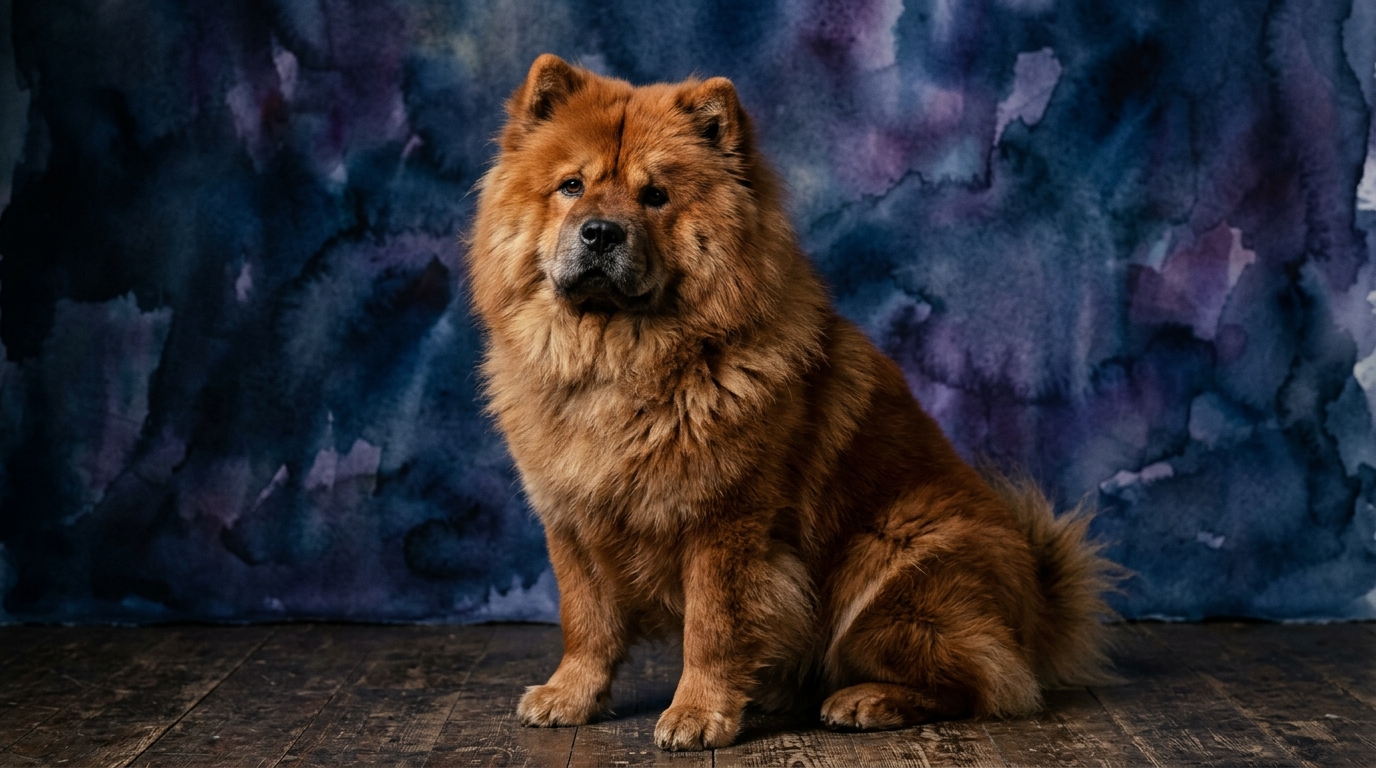
Side-by-Side IQ Profile: Dogo Argentino vs. Chow Chow
**Problem Solving (3/5):** The Dogo Argentino, with its working heritage, often approaches problems with a direct, physical engagement, utilizing its strength and determination to overcome obstacles, especially when a desired outcome or handler's command is involved. The Chow Chow, conversely, tends to employ a more observational and independent problem-solving strategy, often evaluating situations from a distance before deciding whether to engage, sometimes preferring to ignore what it deems irrelevant.
**Training Speed (3/5):** For the Dogo Argentino, a 3/5 training speed reflects a moderate learning curve, often coupled with an eager-to-please attitude towards its trusted handler, though its strong drives can sometimes necessitate focused redirection. The Chow Chow's 3/5 training speed is characterized by a deliberate learning pace, where commands are absorbed and processed, but compliance is often contingent on the Chow's independent assessment of the request's value or necessity.
**Social Intelligence (3/5):** The Dogo Argentino exhibits its social intelligence through deep loyalty and attentiveness to its immediate family, often being highly perceptive of their moods and intentions, while maintaining a discerning wariness towards strangers. The Chow Chow's social intelligence manifests as a profound, albeit subtle, bond with its chosen few, demonstrating an astute ability to read familiar human cues while maintaining a famously aloof and reserved demeanor with outsiders, indicating a selective social engagement.
**Instinctive Drive (3/5):** The Dogo Argentino possesses a pronounced instinctive drive, rooted in its history as a big-game hunter, which translates into a strong prey drive, territoriality, and a powerful protective instinct towards its family and property. The Chow Chow's 3/5 instinctive drive is primarily expressed through its guardian nature, a strong sense of personal space, and a deeply ingrained independence, rather than a high prey drive, making it an effective, albeit reserved, sentinel.
**Memory (3/5):** Both breeds demonstrate a 3/5 memory, meaning they retain commands, experiences, and associations effectively. The Dogo Argentino typically remembers training sequences and the specific contexts of past interactions, holding onto both positive reinforcement and any perceived injustices from its human counterparts. The Chow Chow's memory often encompasses routines, boundaries, and the specific dynamics of its household, remembering perceived slights or inconsistent handling with a long-lasting impression, contributing to its independent decision-making.
Where the Dogo Argentino Wins Cognitively
The Dogo Argentino, despite identical scores, often appears to "win" in scenarios demanding active, cooperative engagement and physical problem-solving in partnership with a human. Its inherent working drive and desire to participate in handler-directed activities mean it readily applies its cognitive abilities to tasks requiring sustained focus on a goal, such as scent work, obedience trials, or navigating complex environments to retrieve an item. This breed's social intelligence, when directed towards its family, allows it to finely tune into handler cues and anticipate needs, making it exceptionally responsive in dynamic situations where quick, decisive action is required. Furthermore, its memory for training sequences and positive reinforcement allows it to build complex behavioral chains, making it proficient in roles that require a structured, task-oriented approach, such as assistance work or advanced canine sports. The Dogo's cognitive strengths are most evident when its thinking is channeled into a shared objective, where its physical prowess meets its mental determination.
Where the Chow Chow Wins Cognitively
The Chow Chow's cognitive strengths shine in areas demanding independent judgment, astute observation, and a discerning approach to its environment. While its scores match the Dogo's, the Chow's application of problem-solving is often more internal and strategic, winning in situations where self-reliance is paramount. This breed excels at assessing situations without requiring constant human input, a manifestation of its social intelligence that prioritizes discerning safety and boundaries over overt engagement. Its powerful memory for routines and environmental specifics allows it to maintain a stable, predictable home environment, often acting as a quiet, watchful guardian who processes information and makes decisions based on its own independent assessment of "normalcy." The Chow Chow's distinctive aloofness is not a lack of social intelligence but rather a highly selective application of it, allowing it to conserve mental energy and respond only when truly necessary, demonstrating a sophisticated form of cognitive economy. This breed's wins are often subtle, found in its unwavering self-possession and its ability to manage its own world effectively and quietly.
Which is Easier to Train and Why
When considering ease of training, the Dogo Argentino typically presents a more straightforward path for owners seeking a responsive, task-oriented companion. Its moderate training speed (3/5) is often complemented by an inherent eagerness to please its chosen handler and a strong drive to work, which makes it receptive to consistent positive reinforcement and clear commands. While its strong instinctive drives, like prey drive, require careful management and socialization, the Dogo's desire for partnership means it actively seeks to understand and comply, making it relatively easier to teach complex behaviors and integrate into a structured training regimen. Conversely, the Chow Chow, despite also having a 3/5 training speed, presents a unique challenge due to its profound independence and self-assured nature. This breed is not inherently motivated by a desire to please and often views commands as suggestions rather than directives. Training a Chow Chow requires immense patience, a deep understanding of canine behavior, and a willingness to build a respectful partnership rather than enforce strict obedience. They respond poorly to harsh methods, often becoming more stubborn, and learning requires finding what truly motivates them, which is often food or comfort, applied in short, engaging sessions. Therefore, for owners prioritizing traditional obedience and quick results, the Dogo Argentino is generally considered the easier breed to train due to its cooperative spirit and drive.
Which Suits Active Owners vs. Relaxed Owners
For active owners seeking a dynamic, engaged companion, the Dogo Argentino is the clear choice. This breed thrives on significant physical exercise, requiring daily vigorous activity such as long runs, hiking, or structured play sessions to channel its substantial energy and powerful build. Beyond physical exertion, Dogo Argentinos also demand consistent mental stimulation through training, puzzle toys, and engaging activities that utilize their problem-solving skills and instinctive drives. An active owner who can provide leadership, structure, and ample opportunities for shared adventures will find a devoted and fulfilled Dogo. Conversely, the Chow Chow is better suited for more relaxed owners who appreciate a dignified, independent companion with moderate exercise needs. While Chows certainly enjoy regular, leisurely walks, they are not typically high-energy dogs and are generally content with a comfortable indoor environment. Their preference for quiet companionship and less demanding interaction makes them ideal for owners who value a calm presence and are comfortable with a dog that doesn't constantly seek attention or require extensive daily excursions. The relaxed owner for a Chow Chow is one who respects its independent nature and provides consistent, gentle guidance without expecting a highly demonstrative or constantly active partner.
The Verdict
If you are an active, experienced owner prepared to provide extensive training, consistent socialization, and ample physical and mental stimulation for a devoted, powerful, and task-oriented partner, choose the Dogo Argentino.
If you appreciate a dignified, independent, and discerning companion with moderate exercise needs, are comfortable with a less overtly affectionate demeanor, and are patient enough to build a respectful partnership based on trust and understanding, choose the Chow Chow.
🧠 Find Your Pet's IQ Score
Our Pet IQ Lab assessment covers 25+ tests across 5 cognitive dimensions — personalized to your breed.
Take the Full IQ Test →Frequently Asked Questions
How do Dogo Argentinos apply their problem-solving skills in daily life?
Dogo Argentinos typically apply their problem-solving skills directly and physically, often using their strength and determination to achieve goals, like navigating obstacles to reach a toy or figuring out how to open a gate. They are often goal-oriented, especially when a task involves their human companion or a desired reward.
What makes training a Chow Chow uniquely challenging despite its moderate training speed score?
Training a Chow Chow is challenging due to their profound independence and lack of inherent desire to please; they learn at a moderate pace but often choose whether to comply based on their own assessment. Owners must build a deep, respectful bond and find strong motivators, as Chows respond poorly to forceful methods, which can lead to increased stubbornness.
Given their identical social intelligence scores, how do Dogo Argentino and Chow Chow interact differently with their human families?
Despite identical social intelligence scores, Dogo Argentinos typically interact with their families through overt affection, attentiveness, and a strong desire to participate in family activities, often being highly perceptive of human moods. Chow Chows, while deeply loyal, express their social intelligence through a more reserved and dignified manner, forming profound, selective bonds and showing affection subtly, preferring quiet companionship over constant interaction.