Side-by-Side Cognitive Profiles
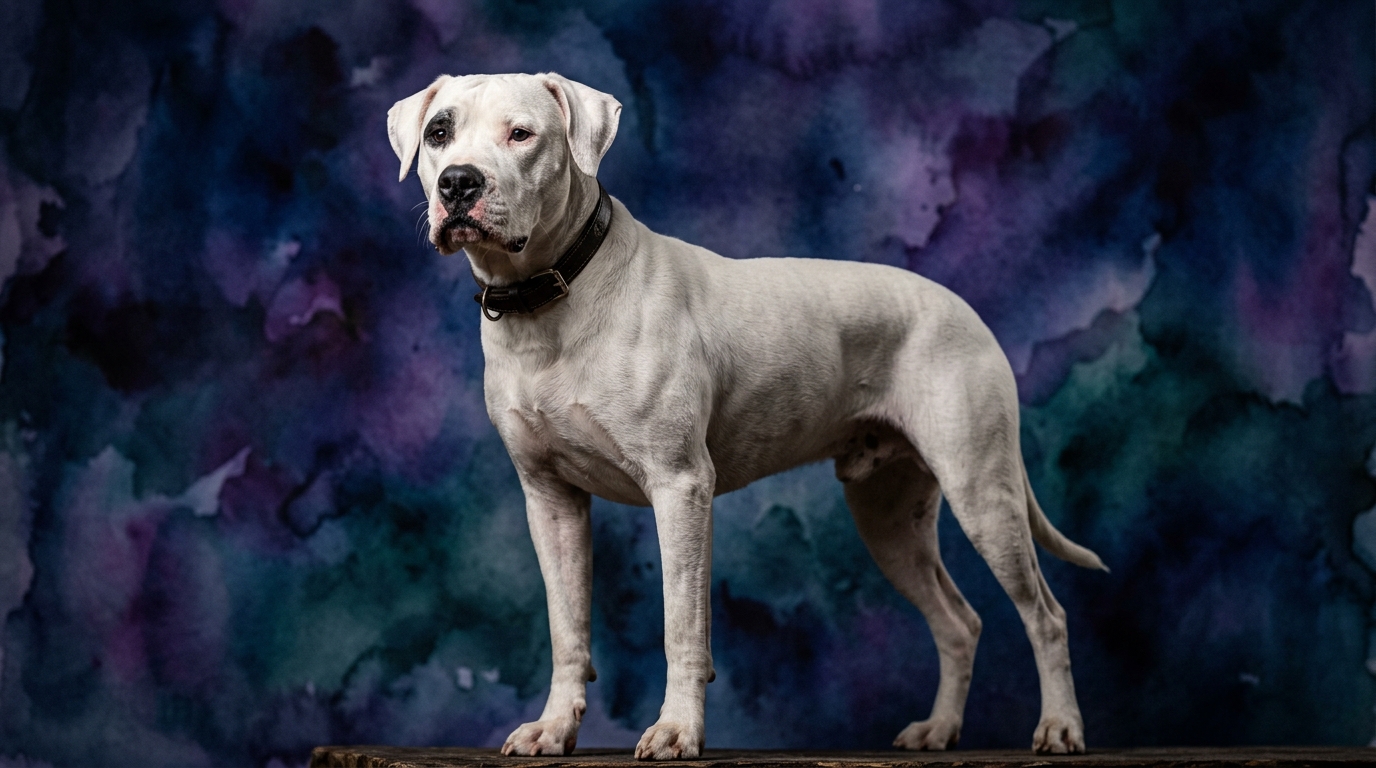
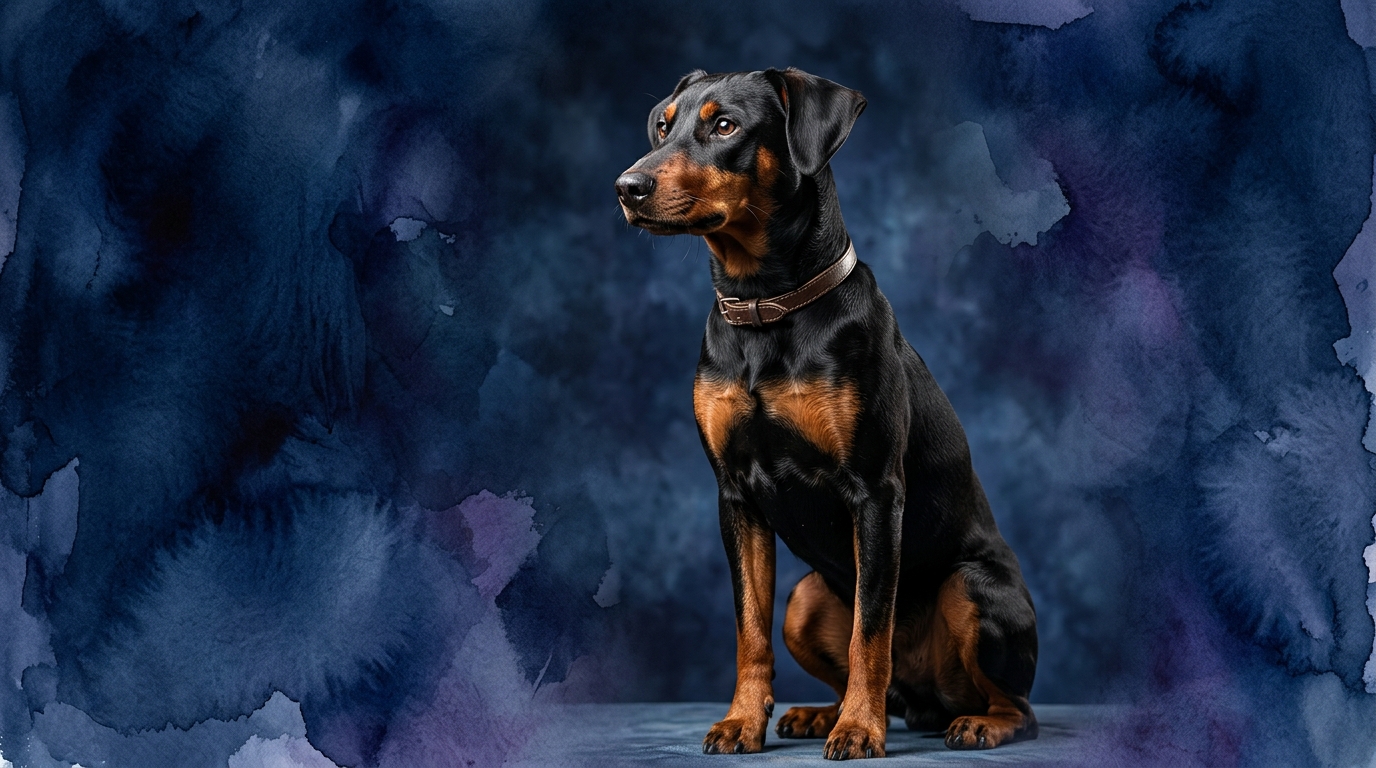
In The Cosmic Pet Pet IQ Lab, both the Dogo Argentino and the German Pinscher register a consistent 3/5 across all five cognitive dimensions: Problem Solving, Training Speed, Social Intelligence, Instinctive Drive, and Memory. This fascinating alignment means that while neither breed outscores the other numerically, their shared 3/5 rating manifests through distinct lenses shaped by their historical roles and physical attributes.
The Dogo Argentino, a powerful working dog, approaches Problem Solving (3/5) with a focus on strategic assessment, particularly in large-scale, dynamic situations like tracking and cornering game. Its Training Speed (3/5) reflects a steady learning curve, often requiring a clear understanding of purpose and a consistent, confident leader. Social Intelligence (3/5) for the Dogo centers on discerning intent within its pack and identifying potential threats, fostering deep bonds with its trusted humans. Its Instinctive Drive (3/5) is rooted in a robust prey drive for large targets and a strong protective instinct, translating into unwavering focus when engaged. Memory (3/5) in the Dogo allows for reliable recall of learned commands and routines, particularly those reinforced through consistent practice and positive association.
Conversely, the German Pinscher, a spirited and agile working dog, interprets Problem Solving (3/5) through a lens of quick-witted environmental assessment, excelling at intricate tasks like locating vermin or navigating complex spaces. Its Training Speed (3/5) is marked by an eagerness to learn new commands swiftly, though often coupled with an independent streak that demands engaging and varied methods. Social Intelligence (3/5) for the Pinscher involves a keen awareness of its surroundings and human cues, often manifesting as an alert, observant companion who forms strong, albeit sometimes reserved, bonds. Its Instinctive Drive (3/5) is characterized by a high-energy prey drive for smaller, fast-moving targets and a vigilant guarding instinct. Memory (3/5) ensures the Pinscher retains a wide array of commands and experiences, adapting its behavior based on past interactions and environmental cues.
Where the Dogo Argentino's Cognition Shines
While sharing identical scores, the Dogo Argentino demonstrates a distinct cognitive strength in the *scale* and *intensity* of its problem-solving and instinctive drives. A 3/5 in Problem Solving for the Dogo signifies an ability to process complex, multi-factor scenarios, such as tracking and engaging large game, which demands not just physical prowess but also strategic foresight and independent decision-making in high-stakes environments. This isn't about solving abstract puzzles, but about navigating a dynamic, often dangerous, real-world challenge with focused intent. The Dogo's cognitive framework allows it to maintain composure and execute a plan under pressure, a testament to its specialized working heritage.
Furthermore, its 3/5 in Instinctive Drive, while numerically matching the Pinscher, manifests as an unwavering, almost singular focus when its protective or hunting instincts are activated. This depth of commitment, fueled by a powerful physique, requires a cognitive system capable of filtering distractions and maintaining a long-term goal. Its social intelligence, too, shines in its ability to quickly discern friend from perceived foe, offering a protective layer that speaks to a specific kind of cognitive filtering and loyalty. This unique blend allows the Dogo to excel in roles requiring profound dedication and robust, independent action.
Where the German Pinscher's Cognition Excels
The German Pinscher, with its identical 3/5 scores, carves its own niche in the cognitive landscape through its *agility* and *adaptability* in problem-solving and its quick-witted approach to its environment. Its 3/5 in Problem Solving highlights a capacity for rapid assessment and ingenious solutions to more intricate, often confined, challenges typical of vermin control. This breed thrives on mental stimulation that requires quick shifts in attention and creative thinking to outsmart small, elusive targets. Their cognitive strength lies in their ability to process information swiftly and react with precision, often displaying a cleverness that can be both charming and challenging.
The German Pinscher's 3/5 in Training Speed, while numerically matched, often translates into a perceived quickness in learning when the training is engaging and varied, leveraging their inherent curiosity and zest for novelty. Their social intelligence, too, shines in their hyper-awareness of environmental changes and subtle human cues, making them exceptional alert systems and highly responsive companions. This breed's instinctive drive, focused on smaller, faster prey, demands a different kind of cognitive processing – one that prioritizes speed, precision, and relentless pursuit in a dynamic, often confined, setting. The Pinscher's intellect allows it to be a perpetually engaged and versatile companion, always ready for the next mental challenge.
Ease of Training: Nuances Beyond the Score
While both breeds register a 3/5 for Training Speed, the practical experience of training them diverges significantly due to their inherent behavioral patterns. The Dogo Argentino's 3/5 means they learn at a moderate pace, but their strong independent nature and formidable physical presence require a trainer who embodies consistent, calm, and assertive leadership. They are not dogs that will blindly obey; they need to understand the 'why' and respect their handler's authority. Training a Dogo is about building a profound partnership based on mutual trust and clear communication, leveraging their desire to work *with* their human, rather than simply *for* them. Their sheer power also means that any training lapse can have significant physical consequences, underscoring the need for diligence and early, consistent socialization.
The German Pinscher, also at 3/5 for Training Speed, often picks up commands quickly due to their inherent zest and desire for engagement. However, their quick-wittedness and energetic, sometimes mischievous, temperament can lead to 'selective hearing' or a tendency to get bored with repetitive tasks. Training a Pinscher requires creativity, variety, and a sense of humor, as they thrive on mental stimulation and positive reinforcement that keeps them guessing and engaged. While smaller, their tenacity and independent streak mean they can be equally challenging if their intelligence isn't channeled productively, potentially leading to clever but undesirable behaviors if boundaries are not consistently reinforced. Neither is 'easier' in an absolute sense; rather, they demand different training philosophies: gravitas and consistency for the Dogo, and engagement and novelty for the Pinscher.
Lifestyle Match: Active vs. Relaxed Owners
When considering the ideal lifestyle match, both the Dogo Argentino and the German Pinscher demand active engagement from their owners, albeit in different forms, despite their shared 3/5 Instinctive Drive score. The Dogo Argentino, with its powerful build and heritage as a big-game hunter, requires substantial physical exertion. An 'active owner' for a Dogo means someone who can commit to extensive daily exercise, such as long, vigorous walks, runs, or structured outdoor activities that allow them to expend their considerable energy in a purposeful way. They thrive with owners who can provide clear direction and opportunities for their protective and working instincts to be channeled appropriately, often excelling in activities like tracking, obedience, or protection sports. A truly 'relaxed' owner would find it challenging to meet the Dogo's needs, potentially leading to frustration for both dog and human.
The German Pinscher, while smaller, is a bundle of energy and alertness. Its 3/5 Instinctive Drive manifests as a need for constant mental stimulation and varied physical activity, reflecting its history as a vermin hunter and vigilant guard. An 'active owner' for a Pinscher enjoys engaging in diverse activities like agility, obedience, puzzle toys, and consistent interactive play sessions. They need an owner who can keep their quick mind occupied and their nimble body moving through structured daily routines. While they might adapt to apartment living more readily than a Dogo, this is only possible if their high energy and mental stimulation needs are met through dedicated daily outings and training. Neither breed is suited for a genuinely 'relaxed' owner; both demand a significant, consistent investment of time and energy, but the *type* of activity and engagement differs greatly.
The Verdict: When to Choose Each Companion
The Verdict
Choose the Dogo Argentino if you are an experienced owner seeking a powerful, devoted protector and companion, capable of independent thought in challenging situations, and who can commit to robust training, socialization, and extensive physical activity in open spaces.
Opt for the German Pinscher if you are an active, engaged owner who appreciates a spirited, alert, and curious companion, thrives on consistent mental stimulation and varied physical activities, and can manage a quick-witted, sometimes independent temperament in a more compact package.
🧠 Find Your Pet's IQ Score
Our Pet IQ Lab assessment covers 25+ tests across 5 cognitive dimensions — personalized to your breed.
Take the Full IQ Test →Frequently Asked Questions
Do Dogo Argentinos make good family pets?
Yes, with proper socialization and training from a young age, Dogo Argentinos are known for their deep devotion to their families, often exhibiting a gentle and patient nature with children. They thrive in homes where they are integrated as valued members of the pack and receive consistent guidance.
Are German Pinschers good with other pets?
German Pinschers possess a strong prey drive, which means they can be challenging with smaller pets like cats or rodents if not properly socialized from puppyhood. However, with early introductions and consistent training, many can learn to coexist peacefully with other dogs within the household.
How much exercise does a Dogo Argentino need daily?
Dogo Argentinos require substantial daily exercise to maintain their physical and mental well-being, typically needing 1-2 hours of vigorous activity. This can include long, brisk walks, running, hiking, or engaging in structured play sessions that allow them to expend their considerable energy.