Side-by-Side IQ Profile: Unpacking Identical Scores
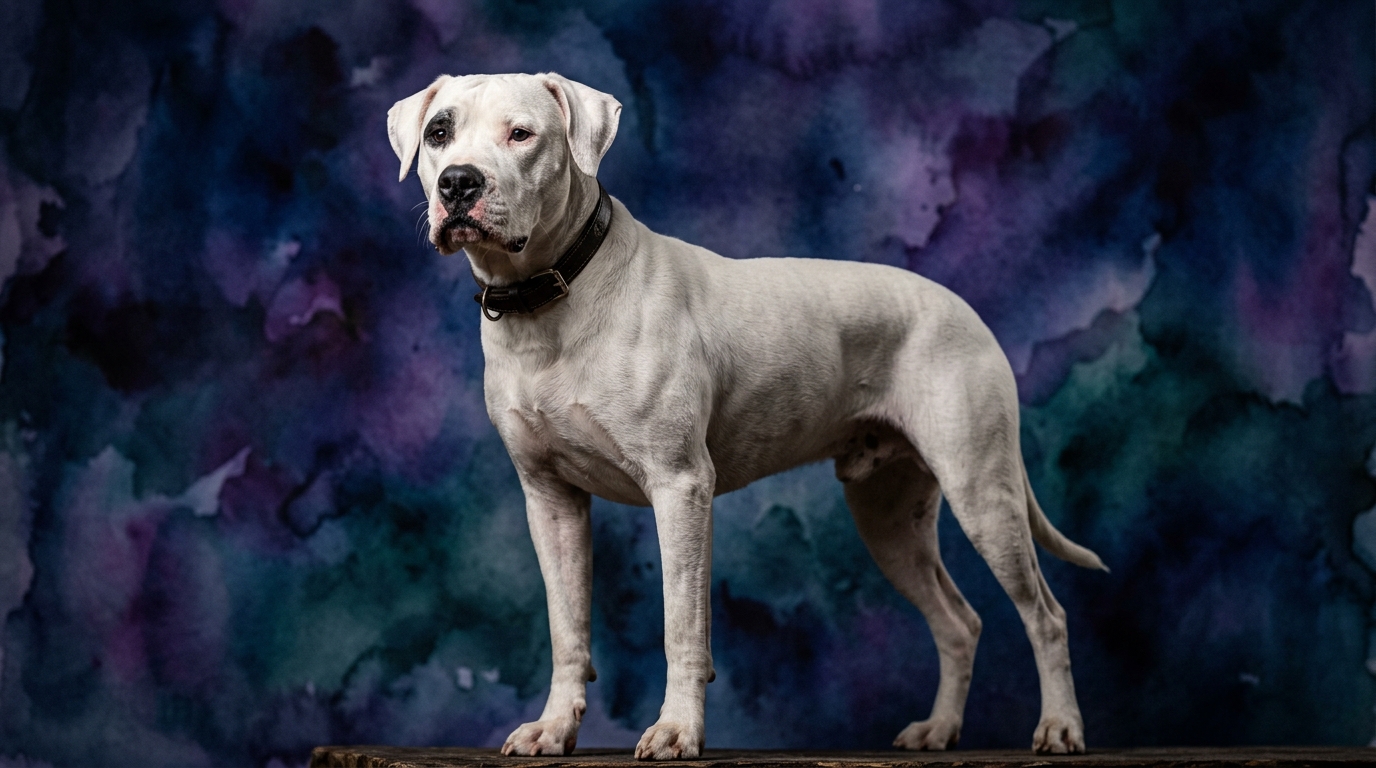
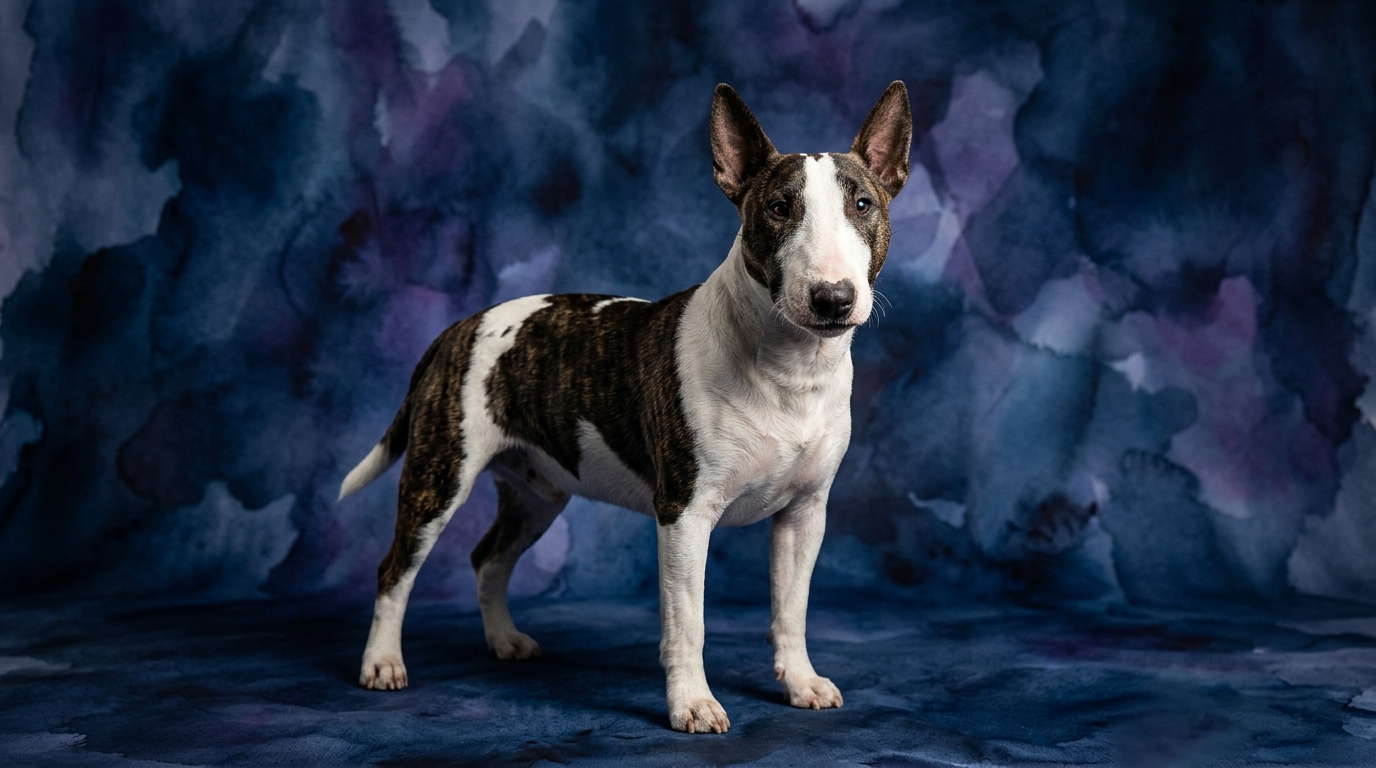
The Cosmic Pet Pet IQ Lab assigns both the Dogo Argentino and the Miniature Bull Terrier a consistent 3 out of 5 across problem-solving, training speed, social intelligence, instinctive drive, and memory. While these scores suggest a similar baseline capacity, the *manifestation* of these cognitive traits varies considerably due to their foundational breed groups: the Dogo as a powerful Working dog, and the Miniature Bull Terrier as a spirited Terrier.
For **Problem Solving (3/5)**, the Dogo Argentino typically approaches challenges with a methodical persistence, often relying on its physical prowess and focused determination to overcome obstacles. Their problem-solving might involve systematically navigating complex terrain or figuring out how to access a desired area with strength. The Miniature Bull Terrier, conversely, might exhibit a more ingenious, perhaps even mischievous, approach; they are adept at finding unconventional solutions, using their agility and quick wit to outsmart situations, sometimes demonstrating a quirky stubbornness.
Regarding **Training Speed (3/5)**, a Dogo Argentino often learns new commands and routines at a steady pace, driven by a desire for purpose and partnership. Their biddability, a hallmark of many working breeds, means they respond well to consistent, structured instruction. The Miniature Bull Terrier, while capable of learning quickly, often requires training methods that are more engaging and varied, as their independent spirit and tendency towards self-amusement can make repetitive tasks less appealing. Their learning is efficient when they perceive value or enjoyment in the activity.
In terms of **Social Intelligence (3/5)**, the Dogo Argentino typically displays a discerning awareness of their human companions and their environment, often exhibiting a calm confidence and a protective nature. They are adept at reading cues related to security and family dynamics. The Miniature Bull Terrier's social intelligence often revolves around forming strong, often playful, bonds with their chosen people, demonstrating an understanding of social dynamics within their immediate circle and a knack for charming or engaging individuals, though they can be less concerned with broader social hierarchies.
Their **Instinctive Drive (3/5)** also diverges significantly. For the Dogo Argentino, this drive is often rooted in their heritage as a hunter of large game and a guardian; this translates into a strong prey drive, a territorial instinct, and a need for a clear 'job' or purpose. The Miniature Bull Terrier's instinctive drive is characteristic of its terrier lineage: a robust prey drive for small animals, a propensity for digging, and an independent, often tenacious, pursuit of whatever captures their interest, whether it's a squeaky toy or an intriguing scent. Finally, **Memory (3/5)** for both breeds is solid. A Dogo Argentino will reliably remember complex sequences of commands, established routines, and specific individuals or territories. A Miniature Bull Terrier will also retain learned behaviors and social interactions, often recalling specific play patterns, favored people, and the locations of hidden treats or toys with impressive accuracy.
Where Dogo Argentino Wins Cognitively
The Dogo Argentino's cognitive strengths truly shine in scenarios demanding sustained focus, physical problem-solving, and a deep understanding of hierarchical roles. Their Working breed background means they are often more adept at tasks requiring consistent application of learned skills over extended periods, especially when those tasks involve protecting resources or people. For instance, in an obedience competition or a search-and-rescue scenario, a Dogo's capacity for unwavering attention and methodical execution of commands, coupled with their physical strength, can give them an edge. Their social intelligence, while rated the same, often manifests as a more serious, protective discernment, making them quicker to assess and react to perceived threats or changes in their environment, prioritizing the safety of their family unit.
Where Miniature Bull Terrier Wins Cognitively
The Miniature Bull Terrier, with its terrier heritage, often demonstrates a cognitive advantage in situations requiring quick, adaptable thinking and independent decision-making. Their problem-solving, rated 3/5, frequently involves an out-of-the-box approach, allowing them to navigate tricky situations or figure out how to access desired objects with cleverness and often a touch of stubborn persistence. They might excel at puzzle toys that require abstract thought or quickly learning how to manipulate objects to achieve a goal. Their social intelligence, while equally rated, often translates into a more nuanced understanding of individual human personalities and moods, enabling them to adapt their interactions to elicit specific responses, often for play or attention, showcasing a charming manipulative streak that is distinctly terrier in nature.
Which Is Easier to Train and Why
Despite both breeds scoring 3/5 in Training Speed, the Dogo Argentino generally presents as an easier dog to train for a novice or intermediate owner due to behavioral differences rooted in their breed purpose. Dogos, as a working breed, typically possess a stronger innate desire to work *with* their handler and a greater willingness to please. They thrive on clear direction and purpose, often exhibiting a more consistent focus during training sessions. Their instinctive drive often aligns with cooperative tasks, making them receptive to commands that involve guarding, tracking, or protection, which they view as fulfilling their role.
The Miniature Bull Terrier, while equally capable of learning, often requires a more patient, creative, and engaging approach to training. Their Terrier classification means they possess a strong independent streak and a formidable will. They learn quickly when motivated, but that motivation often needs to be high-value and varied to combat their potential for boredom or stubbornness. A Miniature Bull Terrier might decide a particular command isn't worth their effort or that their own agenda (like chasing a leaf) is more compelling. Training them effectively often means making it a game, keeping sessions short and fun, and understanding that consistency, rather than sheer repetition, is key to overcoming their independent nature.
Which Suits Active Owners vs. Relaxed Owners
For active owners seeking a canine partner for structured activities, the Dogo Argentino often makes an excellent match. Their need for purpose, coupled with their substantial physical and mental stamina, means they thrive with owners who can provide consistent training, regular exercise, and perhaps even engage in dog sports like obedience, protection work, or tracking. They require an owner who understands the responsibilities of managing a powerful working breed with a strong protective instinct and can provide firm, consistent leadership. Their cognitive profile benefits from having a 'job' to do.
The Miniature Bull Terrier, while energetic and playful, can suit a slightly different kind of active owner. They enjoy vigorous play, long walks, and interactive games, but their activity often manifests as bursts of enthusiastic energy rather than sustained, methodical effort. They are well-suited to owners who appreciate a lively, often comical companion and who are prepared to channel their independent spirit into positive outlets. They might not be the ideal partner for a highly disciplined marathon runner, but they will happily join an owner for varied adventures, engaging puzzle play, and plenty of social interaction. For truly relaxed owners, neither breed is a perfect fit, as both require significant engagement, mental stimulation, and consistent training to be well-adjusted companions.
The Verdict
Choose the Dogo Argentino if you are an experienced, active owner seeking a loyal, protective companion for structured activities and purposeful work, valuing their biddability and focus. They thrive with clear leadership and consistent engagement in their 'job.'
Opt for the Miniature Bull Terrier if you are an energetic, patient owner who appreciates an independent, witty, and often comical companion, prepared to engage their clever mind with varied, fun training and plenty of playful interaction.
🧠 Find Your Pet's IQ Score
Our Pet IQ Lab assessment covers 25+ tests across 5 cognitive dimensions — personalized to your breed.
Take the Full IQ Test →Frequently Asked Questions
Do Dogo Argentinos and Miniature Bull Terriers have similar temperaments?
Despite similar IQ scores, their temperaments differ significantly. Dogos are typically calm, confident, and protective, forming strong bonds with their families. Miniature Bull Terriers are known for being spirited, playful, and independent, often exhibiting a mischievous streak and a tenacious personality.
Are Dogo Argentinos good family dogs?
Yes, Dogo Argentinos can be excellent family dogs when properly socialized and trained from a young age. They are devoted and protective of their families, but their size and strength mean they require experienced owners who can provide consistent guidance and integrate them into family life responsibly.
How much exercise do Miniature Bull Terriers need?
Miniature Bull Terriers are energetic and require a good amount of daily exercise to stay happy and well-behaved. This typically includes vigorous walks, playtime in a secure yard, and mental stimulation through training or puzzle toys to channel their terrier drive and prevent boredom-related behaviors.