A Side-by-Side Look at Cognitive Profiles
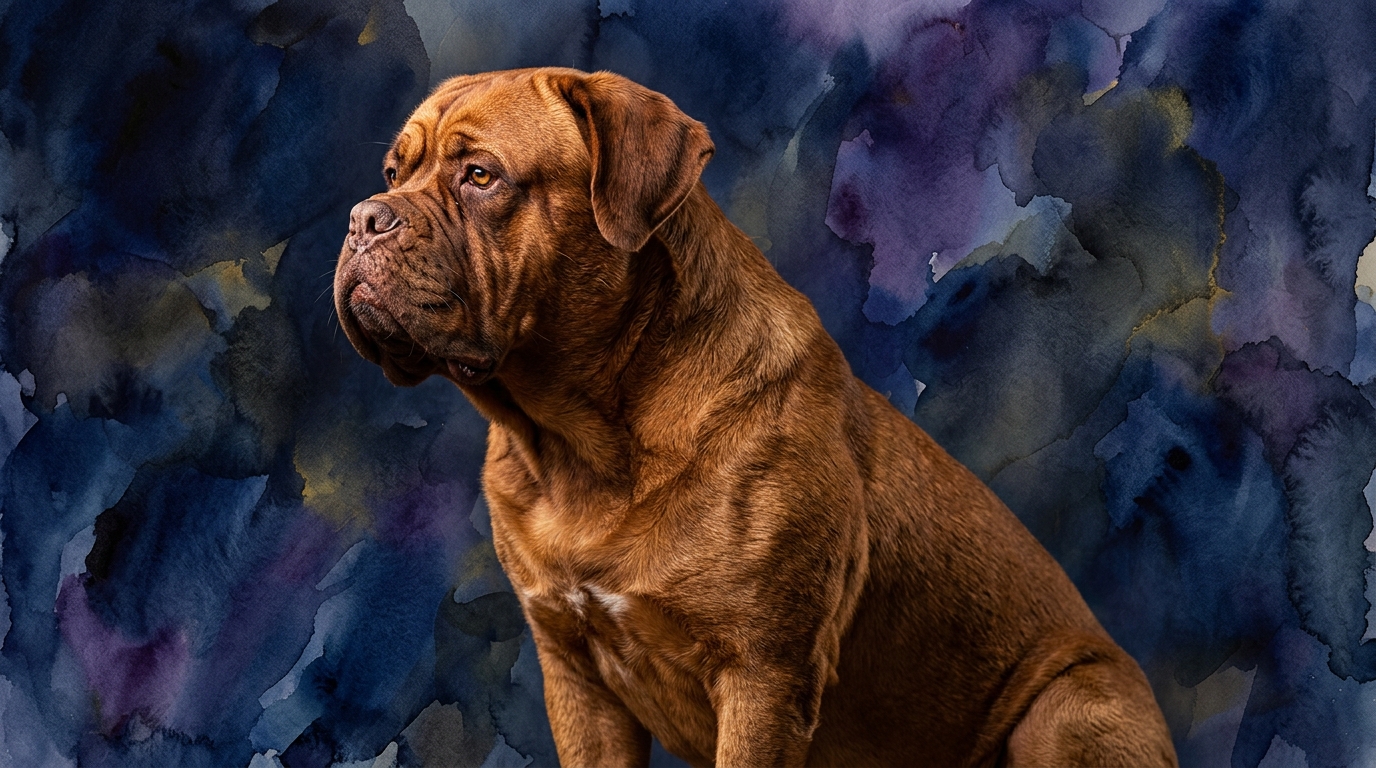
The Cosmic Pet Pet IQ Lab assesses canine intelligence across five key dimensions: problem solving, training speed, social intelligence, instinctive drive, and memory. For the Dogue de Bordeaux, a Working group breed, each of these dimensions registers a score of 3 out of 5. This indicates a balanced, moderate aptitude across the board, reflecting a steady and thoughtful approach to their environment and tasks. Their problem-solving capacity suggests they can navigate challenges with deliberate consideration, while their training speed indicates they learn at a consistent pace, requiring patient and clear guidance. Social intelligence at 3/5 means they comprehend human cues and pack dynamics adequately, and their instinctive drive, also 3/5, points to a moderate inherent inclination towards their protective and guarding roles. Finally, their memory, rated 3/5, suggests they retain experiences and learned behaviors with reasonable recall.
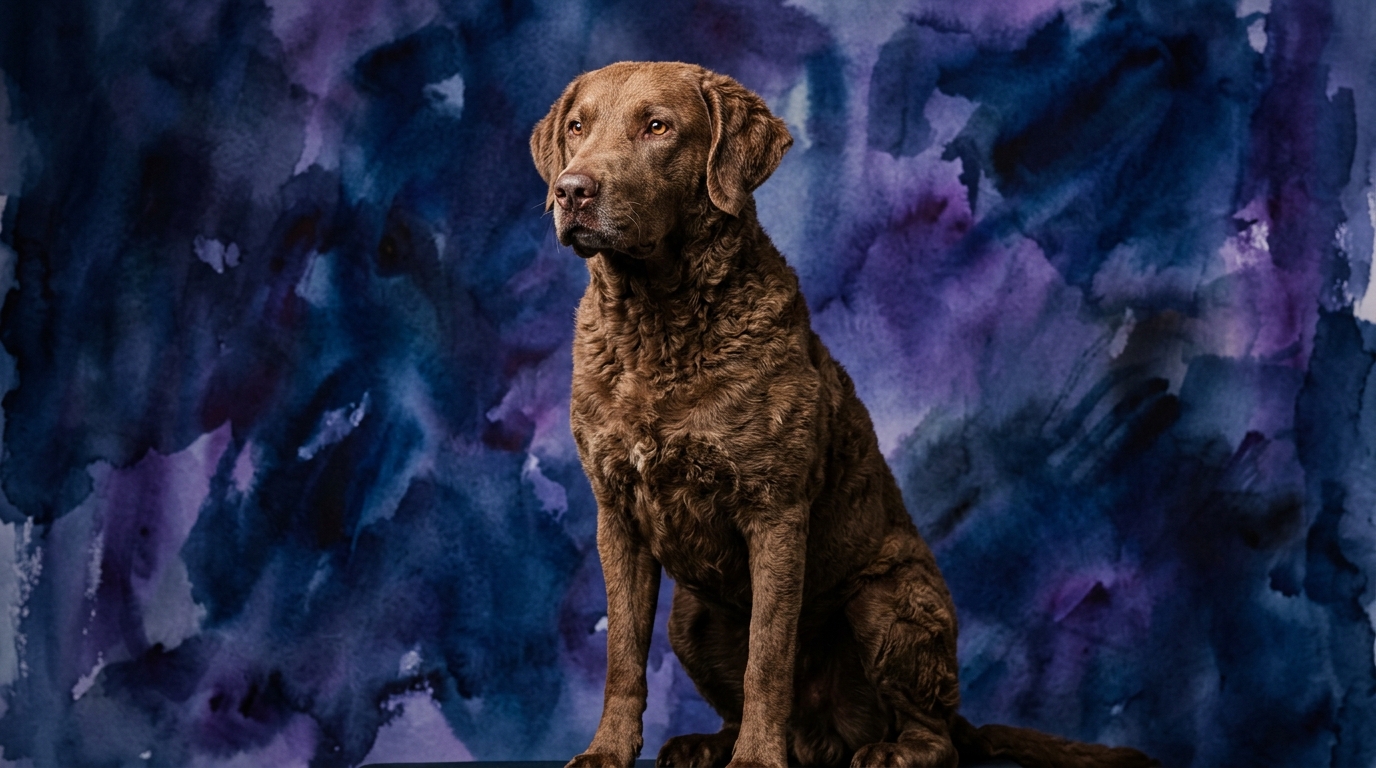
In contrast, the Chesapeake Bay Retriever, a Sporting group breed ranked #27 by Coren, presents a profile geared towards their demanding retrieving work. They excel with a 4/5 in problem solving, demonstrating a strong ability to independently figure out solutions, whether it's navigating complex terrain to retrieve game or deciphering a puzzle toy. Their training speed also scores 4/5, indicating a quicker grasp of new commands and routines, often eager to engage in structured learning sessions. Like the Dogue, their social intelligence is rated 3/5, signifying a solid understanding of interactions. Their instinctive drive is also 3/5, but this drive is specifically channeled towards retrieving, marking, and water work, requiring sustained focus and stamina. A standout trait for the Chessie is their 4/5 memory, which allows them to recall intricate sequences, remember marked falls in hunting scenarios, and retain extensive learned repertoire over time.
Where the Dogue de Bordeaux Shines Cognitively
While the Dogue de Bordeaux doesn't boast higher numerical scores in individual IQ dimensions compared to the Chesapeake Bay Retriever, their cognitive strengths lie in a different kind of application, deeply rooted in their history as guardians. Their balanced 3/5 across all categories points to a robust, all-around capability that prioritizes steady assessment over rapid execution. Their problem-solving, though not lightning-fast, is often characterized by a thoughtful, unhurried approach, particularly when evaluating unfamiliar situations or potential threats. This deliberate processing allows them to make considered judgments in their role as a protector, ensuring they react appropriately rather than impulsively.
The Dogue's social intelligence, while a 3/5, is particularly adept at discerning nuances in their human family's demeanor and identifying outsiders. This isn't about fetching a tossed ball, but about understanding the subtle shifts in household dynamics and the intent of strangers. Their memory, at 3/5, is reliable for retaining routines and the identities of familiar individuals, contributing to their steadfast loyalty and consistent guardianship. They remember who belongs and who doesn't, reinforcing their protective instincts with a clear understanding of their territory and people. Their moderate instinctive drive, combined with these traits, creates a dog that is consistently present and aware, rather than constantly seeking active engagement.
Where the Chesapeake Bay Retriever Excels Cognitively
The Chesapeake Bay Retriever's cognitive profile is a testament to its specialized breeding for demanding retrieving tasks, particularly in challenging environments. Their superior 4/5 score in problem solving means they are adept at navigating complex scenarios independently. This manifests in their ability to overcome obstacles, figure out how to retrieve a challenging 'fall' in dense cover, or even manipulate puzzle toys with impressive ingenuity. This capacity for independent thought is crucial for a dog expected to work far from its handler, making quick decisions under pressure.
The Chessie's 4/5 in training speed is a significant advantage for owners who enjoy teaching complex commands or engaging in dog sports. They pick up new tasks with relative ease, often connecting concepts rapidly and building on previously learned behaviors. This quick assimilation of information, coupled with their excellent 4/5 memory, allows them to master extensive repertoires of commands, retrieve specific items from memory, and recall intricate patterns of behavior over long periods. This combination of quick learning and strong retention makes them highly adaptable and capable partners for various activities, from competitive obedience to advanced field trials.
Training Dynamics: Dogue de Bordeaux vs. Chesapeake Bay Retriever
When it comes to trainability, the differences between these two breeds become quite apparent. The Chesapeake Bay Retriever, with its 4/5 training speed and strong memory, generally proves to be a more responsive and quicker learner. They often possess a strong desire to work collaboratively, inherited from generations of working alongside hunters. This biddability, combined with their capacity for problem-solving, means they can quickly understand and execute multi-step commands and adapt to new training scenarios. Their instinctive drive, while also a 3/5, is channeled into focused tasks like retrieving, which makes them enthusiastic participants in structured training that taps into these natural inclinations. They thrive on clear direction and consistent positive reinforcement, often demonstrating a 'can-do' attitude.
The Dogue de Bordeaux, with its 3/5 training speed, requires a different approach. They are certainly capable of learning, but often at a more deliberate pace. Their independence and guardian instincts mean they might not always prioritize immediate compliance over their own assessment of a situation. For example, a Dogue might pause to evaluate an unfamiliar person approaching before responding to a 'sit' command, whereas a Chessie might execute the command more readily. Training a Dogue requires immense patience, consistency, and positive reinforcement, focusing on building a strong bond and mutual respect. They respond best to calm, firm guidance and can become stubborn if training is harsh or inconsistent. Their memory, while moderate, ensures that once a behavior is truly learned, it is retained, but the initial acquisition phase may take longer.
Matching Canine Intellect to Lifestyle
For active owners seeking a dynamic partner, the Chesapeake Bay Retriever is often an ideal match. Their superior problem-solving, rapid training speed, and excellent memory make them well-suited for a lifestyle rich in physical and mental challenges. They thrive in environments where they can engage in dog sports like agility, obedience, or dock diving, and excel as hiking or running companions. Their inherent retrieving drive means they are happiest when given a 'job' to do, and their cognitive abilities allow them to master complex tasks and remain engaged for extended periods. An owner who can commit to daily rigorous exercise and consistent mental stimulation will find the Chessie an incredibly rewarding and capable companion.
Conversely, the Dogue de Bordeaux might be a more suitable choice for relaxed owners who appreciate a steadfast, protective presence without the need for constant, high-intensity activity. While they still require regular exercise and mental engagement to prevent boredom, their moderate instinctive drive and deliberate cognitive pace mean they are often content with a comfortable routine and companionship. Their intelligence is geared towards observation and protection, making them excellent family guardians who are attentive without being overly demanding. Owners who prefer leisurely walks, quiet companionship, and a dog that can settle calmly indoors will find the Dogue's temperament and cognitive style a better fit, provided their socialization and training needs are met with consistent patience.
The Verdict
Choose the Dogue de Bordeaux if you seek a loyal, protective companion with a steady, thoughtful temperament, and you appreciate a more deliberate pace in training and daily life.
Opt for the Chesapeake Bay Retriever if you are an active owner desiring a highly engaged, capable partner for outdoor adventures, dog sports, and extensive training challenges.
🧠 Find Your Pet's IQ Score
Our Pet IQ Lab assessment covers 25+ tests across 5 cognitive dimensions — personalized to your breed.
Take the Full IQ Test →Frequently Asked Questions
Is the Dogue de Bordeaux difficult to train?
The Dogue de Bordeaux is not inherently difficult to train, but they require patience, consistency, and positive reinforcement due to their moderate training speed and independent nature. They thrive with clear, calm guidance and a strong bond with their owner.
Do Chesapeake Bay Retrievers need a lot of mental stimulation?
Yes, Chesapeake Bay Retrievers benefit greatly from significant mental stimulation. Their high problem-solving ability and excellent memory mean they thrive on learning new tasks, puzzle toys, and engaging in activities that challenge their intellect, alongside their physical exercise needs.
Which breed is better for first-time dog owners?
Neither breed is typically recommended for novice dog owners without prior research and commitment. The Chesapeake Bay Retriever's energy and specific training needs can be challenging, while the Dogue de Bordeaux's size and protective instincts require confident, consistent handling from an experienced individual.