
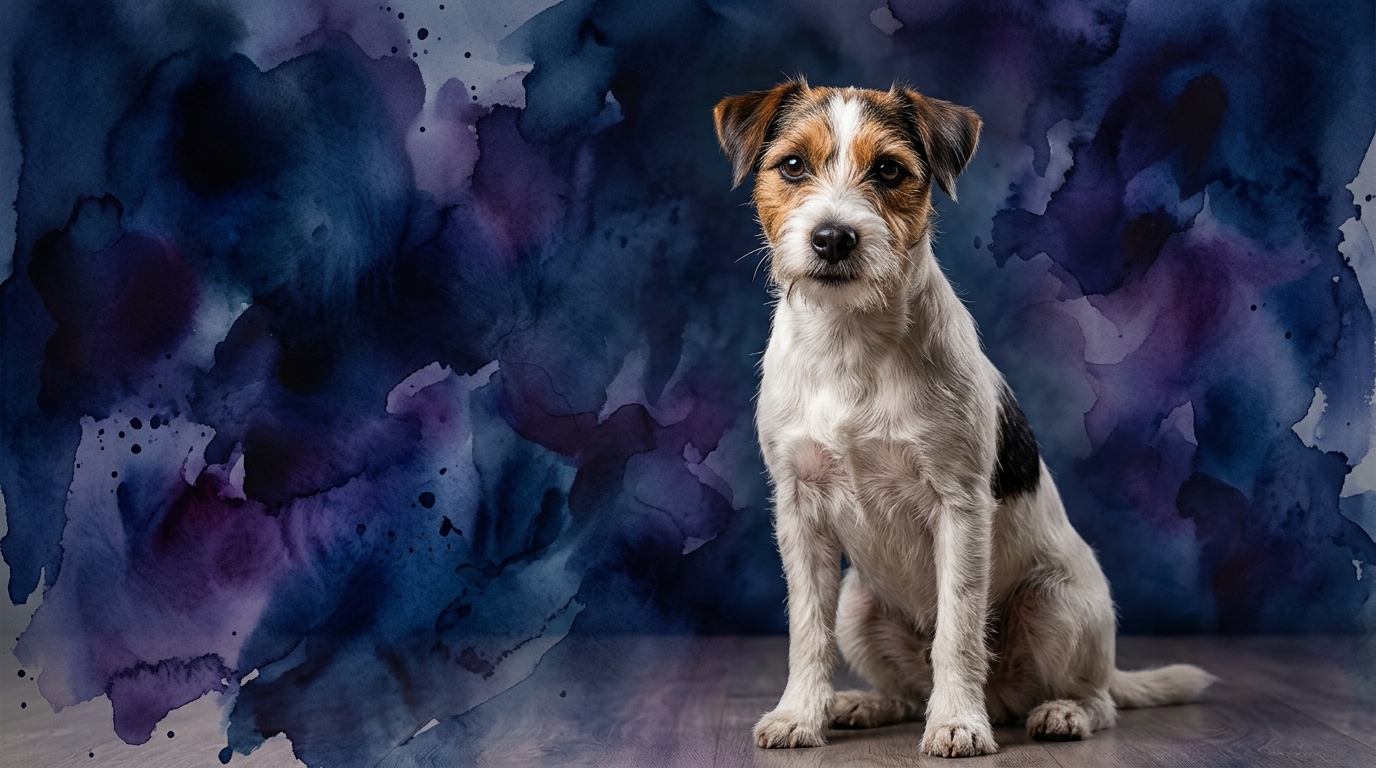
Side-by-Side IQ Profile: Unpacking the 3/5 Scores
At first glance, the Dogue de Bordeaux and the Parson Russell Terrier appear to stand on equal cognitive footing, each registering a consistent 3/5 across all five IQ dimensions: Problem Solving, Training Speed, Social Intelligence, Instinctive Drive, and Memory. However, these identical scores belie distinct expressions of cognitive function, deeply rooted in their breed histories and fundamental temperaments. A 3/5 in Problem Solving for a Dogue de Bordeaux, a breed historically valued for guarding and companionship, often translates to a methodical, deliberate approach to novel situations, such as figuring out how to comfortably position its large frame or assess potential threats. For the Parson Russell Terrier, a 3/5 in Problem Solving typically manifests as quick, often tenacious, attempts to overcome physical barriers or unravel scent puzzles, driven by their terrier instinct to investigate and pursue.
When examining Training Speed, a 3/5 for the Dogue de Bordeaux indicates a moderate pace of learning, requiring consistent, patient, and positive reinforcement to solidify commands. Their willingness to comply often hinges on a deep bond with their owner and a clear understanding of expectations, rather than an eagerness to perform complex sequences rapidly. In contrast, the Parson Russell Terrier's 3/5 in Training Speed means they can grasp concepts quickly, but their high energy and independent spirit may lead to rapid disengagement or selective hearing if training isn't kept engaging, varied, and rewards-based. Their challenge isn't always comprehension, but sustained focus amidst compelling environmental distractions.
Social Intelligence at 3/5 for the Dogue de Bordeaux typically presents as a calm, watchful awareness of their human family's moods and intentions, often reacting with subtle body language or a quiet presence. They possess a discerning quality, readily distinguishing between familiar friends and strangers, and can be quite sensitive to the emotional atmosphere of their home. The Parson Russell Terrier's 3/5 Social Intelligence, however, is often characterized by a more reactive and interactive approach, quickly picking up on cues for play or exploring new social dynamics. They are often adept at engaging with their environment and other animals, though their social interactions can sometimes be assertive or boisterous, reflecting their bold nature.
Instinctive Drive, also at 3/5 for both, highlights their inherent predispositions. For the Dogue de Bordeaux, this drive often centers on protection, loyalty, and companionship, manifesting as a strong desire to be near their family and a natural inclination to guard their territory or loved ones. This drive is typically expressed with a quiet confidence and a watchful demeanor. The Parson Russell Terrier's 3/5 Instinctive Drive is overwhelmingly oriented towards hunting, chasing, and digging, reflecting their heritage as working terriers. This drive is powerful and persistent, compelling them to explore, scent-track, and engage with their environment in a highly active and focused manner, often requiring significant outlets to prevent redirection.
Finally, Memory at 3/5 for both breeds suggests a moderate capacity for retaining information and experiences. A Dogue de Bordeaux will likely remember routines, trusted individuals, and past pleasant or unpleasant interactions with a quiet certainty. Their memory serves to reinforce their sense of security and belonging within their established social structure. For the Parson Russell Terrier, memory is often excellent for recalling exciting past events, such as where a favorite toy was last hidden or a particularly interesting scent was discovered. Their memory is often tied to their experiences of exploration and engagement, helping them navigate their world with a terrier's characteristic zest.
Where the Dogue de Bordeaux Excels Cognitively
Despite sharing identical IQ scores, the Dogue de Bordeaux demonstrates particular cognitive strengths that align with its historical role and temperament. Their problem-solving, while not necessarily rapid, benefits from a more deliberate and methodical approach. When faced with a novel situation, a Dogue de Bordeaux is more likely to pause, observe, and then attempt a solution, often favoring a strategy that minimizes conflict or discomfort. This calm assessment can be a distinct advantage in complex home environments, where a measured response is often more desirable than impulsive action. Their social intelligence, too, manifests as a profound, less reactive understanding of human emotions, allowing them to offer a comforting presence without needing constant physical interaction.
The Dogue de Bordeaux's instinctive drive, even at a 3/5, translates into a powerful sense of loyalty and a nuanced protective instinct. This isn't just about barking at strangers; it involves a sophisticated ability to discern intent and respond appropriately, often through subtle shifts in posture or presence. This cognitive discernment makes them exceptional companions for families seeking a watchful guardian who integrates seamlessly into the household rhythm. Their memory, combined with their social intelligence, enables them to form deep, lasting bonds and recall specific interactions with a quiet certainty, reinforcing their role as a steadfast and reliable family member.
Where the Parson Russell Terrier Excels Cognitively
The Parson Russell Terrier's cognitive strengths, while also rated at 3/5, shine in areas demanding quick wits, agility, and relentless determination. Their problem-solving is characterized by speed and adaptability; they are masters at figuring out how to navigate tight spaces, outsmart perceived 'prey,' or manipulate objects to their advantage. This quick-thinking nature, a byproduct of their terrier heritage, allows them to excel in dynamic environments and situations requiring rapid decision-making. Their instinctive drive, focused on hunting and exploration, fuels a cognitive persistence that is truly remarkable, enabling them to pursue a goal with unwavering focus, often for extended periods.
The Parson Russell Terrier's social intelligence, while expressed differently than the Dogue de Bordeaux, is acutely attuned to interactive cues, making them highly responsive to play and engagement. They quickly learn what behaviors elicit desired responses from humans and other animals, often using this understanding to initiate games or solicit attention. Their memory is particularly sharp for spatial awareness and the location of interesting stimuli, helping them retrace steps or remember where a scent trail picked up. This combination of quick problem-solving, persistent drive, and acute sensory memory makes them formidable in activities requiring agility, nose work, or complex obedience tasks, showcasing a vibrant and energetic cognitive profile.
Training Dynamics: Dogue de Bordeaux vs. Parson Russell Terrier
When considering which breed is 'easier' to train, the identical 3/5 Training Speed scores can be misleading, as their behavioral differences dictate very different approaches. The Dogue de Bordeaux, with its more placid temperament and lower overall energy, often requires a patient, consistent, and gentle hand. Their training speed reflects a need for repetition and positive reinforcement that builds trust and motivation, rather than relying on high-intensity drills. Due to their formidable size and strength, early and consistent training in leash manners and basic obedience is not just beneficial, but critical for safety and manageability. Their independence means they might not be overtly eager to please in the same way some other breeds are, requiring an owner to find what truly motivates them.
The Parson Russell Terrier presents a different set of training challenges rooted in their high energy, strong prey drive, and independent nature. While they can learn commands quickly, their attention span can be fleeting, and their inherent desire to chase or investigate can easily override learned behaviors in stimulating environments. Training a Parson Russell Terrier demands creativity, variety, and an understanding of their deep-seated instincts. Owners must channel their instinctive drive into appropriate activities, such as agility or scent work, rather than attempting to suppress it entirely. Consistency, short engaging sessions, and high-value rewards are essential to keep a Parson Russell Terrier focused and compliant, preventing boredom and potential stubbornness.
Matching Breeds to Lifestyles: Active vs. Relaxed Owners
The Dogue de Bordeaux, despite its imposing size, generally suits a more relaxed owner or a family environment that appreciates a calm, watchful companion. While they require regular, moderate exercise to maintain health and prevent boredom—think leisurely walks or supervised outdoor time—they are not typically suited for intense, prolonged physical activity. Their cognitive profile, with its emphasis on thoughtful observation and social bonding, aligns well with owners who enjoy a quiet presence and a deep, steady companionship. They thrive in homes where they can be an integral part of daily life, offering a comforting presence rather than constant demands for engagement. Owners who prefer a less frenetic pace and value a steady, loyal presence will find a Dogue de Bordeaux a rewarding fit.
Conversely, the Parson Russell Terrier is an ideal match for active owners who relish outdoor adventures and can provide substantial physical and mental engagement. Their high energy levels and potent instinctive drives mean they require significant daily exercise, such as vigorous runs, hiking, or structured play sessions that challenge both their bodies and minds. Owners who enjoy dog sports like agility, earthdog trials, or advanced obedience will find the Parson Russell Terrier a willing and capable partner. Their cognitive strengths thrive when given outlets for their problem-solving and instinctive drives, making them best suited for individuals or families committed to an energetic lifestyle and dedicated to channeling their terrier zest into productive activities.
The Verdict
Choose the Dogue de Bordeaux if you value a calm, watchful companion with a deliberate problem-solving approach and a profound capacity for loyal social bonding, fitting a more relaxed home environment. They excel as steady family members who offer a quiet, comforting presence and a discerning protective instinct.
Opt for the Parson Russell Terrier if you're an active owner seeking a quick-witted, tenacious companion with a strong drive for exploration and problem-solving, thriving on consistent physical and mental challenges. They are best suited for dynamic households that can channel their abundant energy and keen instincts into engaging activities.
🧠 Find Your Pet's IQ Score
Our Pet IQ Lab assessment covers 25+ tests across 5 cognitive dimensions — personalized to your breed.
Take the Full IQ Test →Frequently Asked Questions
Do Dogue de Bordeaux dogs require a lot of exercise?
While large, Dogue de Bordeaux dogs generally require moderate exercise, not intense activity. Daily leisurely walks and some supervised outdoor play are usually sufficient to keep them healthy and content, preventing boredom and maintaining their calm demeanor.
Are Parson Russell Terriers good with children?
Parson Russell Terriers can be good with children, especially if raised with them and properly socialized. Their high energy and playful nature mean they can be excellent playmates, but supervision is important due to their assertive terrier instincts and potential for boisterous play.
How do their grooming needs compare?
Dogue de Bordeaux have short, low-maintenance coats requiring minimal brushing, though they do drool. Parson Russell Terriers, depending on coat type (smooth or broken), require regular brushing and occasional hand-stripping for broken coats to maintain health and appearance.