
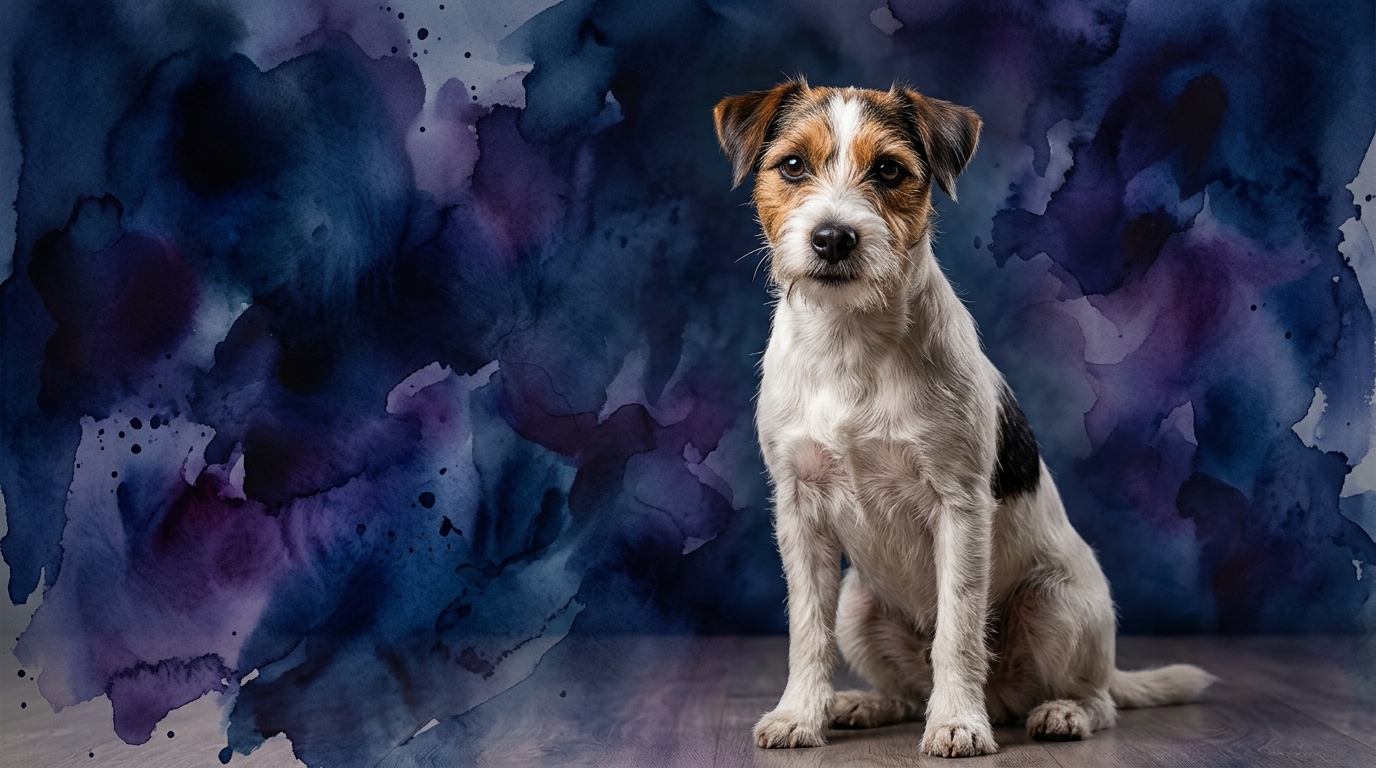
Side-by-Side IQ Profile: German Shepherd vs. Parson Russell Terrier
The German Shepherd (Coren Rank #3) presents a profile of profound cognitive capabilities, honed over generations for complex working roles:
Problem Solving (5/5): This breed excels at complex, multi-step problem-solving, particularly with human guidance. They quickly assess situations, adapting responses for tasks like obstacle navigation or intricate search and rescue. Their cognitive strength lies in analytical thought and applying learned concepts to new scenarios.
Training Speed (5/5): German Shepherds are renowned for rapid acquisition of new commands and routines, often needing fewer repetitions. This speed is fueled by a strong desire to cooperate and a deep understanding of human cues.
Social Intelligence (5/5): Their social acumen is profound, enabling them to form strong, nuanced bonds with their human families and understand subtle shifts in human emotion and intent. This allows them to be exceptionally responsive partners, often anticipating needs.
Instinctive Drive (5/5): The instinctive drive of the German Shepherd is primarily geared towards herding, protection, and companionship. This manifests as a strong work ethic, a desire for purpose, and a natural inclination to guard and guide, making them highly motivated by purposeful tasks.
Memory (5/5): German Shepherds possess an excellent memory for commands, routines, and experiences. Once a behavior or lesson is learned, it is retained with remarkable consistency, making long-term training highly effective and reliable.
The Parson Russell Terrier (Not Coren-ranked), conversely, showcases a distinct cognitive makeup, rooted in its independent hunting heritage:
Problem Solving (3/5): Parson Russell Terriers approach problem-solving with independent tenacity, often focused on specific goals like flushing quarry. This requires quick, solitary decision-making rather than collaborative planning. Resourceful, but they may not always seek human guidance in their solutions.
Training Speed (3/5): While capable of learning, Parson Russell Terriers typically exhibit a moderate training speed. Their independent nature often requires more patience and creative motivation to maintain focus and enthusiasm. Repetition is necessary, and trainers must be engaging.
Social Intelligence (3/5): Parson Russell Terriers form strong bonds with their families, but their social intelligence leans more towards assertive independence. They are affectionate but often on their own terms, and their understanding of nuanced human social cues might be overshadowed by their drive to explore or pursue.
Instinctive Drive (3/5): Their instinctive drive is deeply rooted in their terrier heritage: hunting small prey, digging, and exploring. This translates into a persistent, energetic pursuit of perceived “quarry” and a strong desire for physical and mental stimulation that taps into these ancient behaviors.
Memory (3/5): Parson Russell Terriers have a functional memory for commands and routines, particularly those that are consistently reinforced and tied to their interests. However, their independent nature can sometimes make it seem as though they “forget” commands if a more compelling instinct takes over, requiring consistent reinforcement.
Where the German Shepherd Wins Cognitively
The German Shepherd's cognitive strengths truly shine in scenarios demanding sophisticated collaboration and adaptability. Their superior problem-solving (5/5) means they can not only understand multi-stage commands but also adjust their approach based on changing environmental factors, a critical skill in police work or service roles. Their profound social intelligence (5/5) allows them to interpret subtle human body language and vocal tones, fostering a near-telepathic working relationship. This capacity for deep, reciprocal communication, combined with a robust memory (5/5) for complex sequences and a strong desire to please, enables them to master intricate tasks that require both precision and initiative, far beyond simple obedience.
Where the Parson Russell Terrier Wins Cognitively
The Parson Russell Terrier's cognitive advantages lie in their fierce independence and unwavering tenacity. Their problem-solving (3/5), while not centered on human-directed complex tasks, excels in situations requiring autonomous action and persistent effort to overcome obstacles. Picture a terrier relentlessly working to locate a scent or navigate a challenging earthdog tunnel; this requires a specific kind of focused, self-directed cognitive effort that is less about following instructions and more about achieving an innate goal. Their instinctive drive (3/5) propels them to pursue objectives with single-minded determination, making them exceptionally effective in tasks where perseverance and quick, unassisted decision-making are paramount, even if it means ignoring a human's directive temporarily.
Which is Easier to Train and Why
The German Shepherd generally proves easier to train due to a confluence of factors. Their exceptional training speed (5/5) means they grasp new concepts and commands with minimal repetition. This rapid learning is underpinned by a profound desire to engage with and please their handler, a high degree of social intelligence (5/5) that makes them receptive to human instruction, and an impressive memory (5/5) for learned behaviors. They thrive on structured work and cooperative tasks, often viewing training as a fulfilling partnership. Conversely, the Parson Russell Terrier, with a moderate training speed (3/5) and a robust independent streak, presents a different training challenge. Their strong instinctive drive (3/5) for hunting and exploring can often override a desire to comply with commands, requiring handlers to be highly creative in their motivational tactics. Training a Parson Russell Terrier demands immense patience, consistency, and the ability to make learning feel like a game that taps into their natural curiosity and prey drive, rather than a rigid set of rules.
Which Suits Active Owners vs. Relaxed Owners
For owners seeking a highly engaged and purposeful canine partner, the German Shepherd is an ideal match. Their substantial instinctive drive (5/5) for work and companionship means they require consistent mental stimulation through complex training, active sports like agility or protection work, and a clear “job” within the family structure. They are best suited for active owners who can dedicate significant time daily to training, exercise, and providing a sense of purpose. A German Shepherd with insufficient mental or physical engagement can develop behavioral issues stemming from boredom or unfulfilled drives. The Parson Russell Terrier, while smaller, demands an equally active, though perhaps differently focused, owner. Their instinctive drive (3/5) for chasing and exploring means they need ample opportunities for vigorous physical exercise and outlets for their natural curiosity, such as structured play, earthdog trials, or long hikes. They are less suited for “relaxed” owners who prefer a sedentary lifestyle, as their boundless energy and independent problem-solving (3/5) will lead them to create their own entertainment if not adequately channeled, which may involve digging or chasing. Both breeds require active engagement, but the German Shepherd thrives on cooperative tasks, while the Parson Russell Terrier flourishes with opportunities to pursue its own energetic explorations.
The Verdict
Choose a German Shepherd if you seek a highly cooperative, versatile working partner capable of mastering complex tasks, excelling in obedience, protection, or service roles, and valuing a deep, communicative bond.
Opt for a Parson Russell Terrier if you appreciate an independent, spirited companion with boundless energy, a tenacious drive for adventure, and the capacity for self-directed problem-solving, thriving in active, stimulating environments like agility or earthdog.
🧠 Find Your Pet's IQ Score
Our Pet IQ Lab assessment covers 25+ tests across 5 cognitive dimensions — personalized to your breed.
Take the Full IQ Test →Frequently Asked Questions
Do German Shepherds require more mental stimulation than Parson Russell Terriers?
German Shepherds generally thrive on more complex, cooperative mental challenges and structured learning, given their high problem-solving and training speed. Parson Russell Terriers require significant mental stimulation too, but often prefer independent, instinct-driven puzzles like scent work or digging games.
Is a Parson Russell Terrier a good choice for a first-time dog owner?
A Parson Russell Terrier can be challenging for a first-time owner due to their independent nature, strong prey drive, and moderate training speed. They require consistent, patient training and an owner who understands how to manage their tenacious spirit and channel their energy productively.
How do their social intelligence differences impact household dynamics?
A German Shepherd's high social intelligence means they are often attuned to family dynamics and eager to please, making them cooperative household members. A Parson Russell Terrier, while affectionate, may exhibit more independent social behaviors, sometimes prioritizing their own pursuits over immediate human directives, requiring clear boundaries.