Side-by-Side IQ Profile: Dogue de Bordeaux vs. Pointer
Despite their numerical equality, the Dogue de Bordeaux and Pointer channel their cognitive abilities through very different lenses, shaped by centuries of selective breeding for distinct purposes. Understanding these nuances is key to appreciating their individual brilliance.
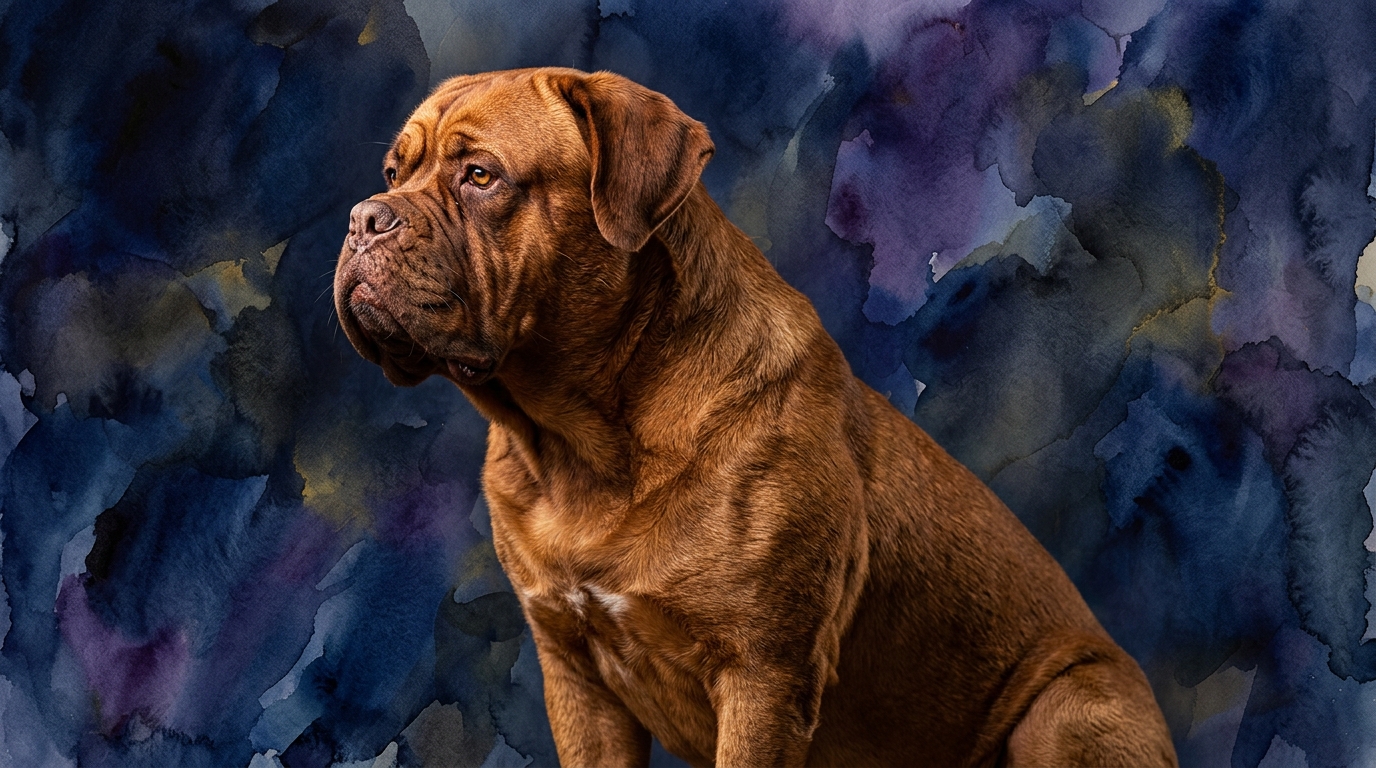
The Dogue de Bordeaux, a member of the Working group, exhibits a Problem Solving score of 3/5, often approaching challenges with a deliberate, physical method, leveraging their strength to manipulate objects or navigate their environment to achieve a goal. Their Training Speed, also 3/5, indicates they learn at a steady pace, requiring consistent and patient instruction, retaining commands once thoroughly understood. Their Social Intelligence, at 3/5, is expressed through deep loyalty to their family, a discerning eye for strangers, and an ability to read the emotional states of their closest companions, understanding family dynamics. An Instinctive Drive of 3/5 for the Dogue de Bordeaux is rooted in guardianship and companionship, translating into a watchful, protective presence rather than a pursuit-oriented one. Finally, their Memory, rated 3/5, means they reliably remember routines, familiar faces, and established commands, particularly those reinforced through positive, repetitive experiences, recalling places and people with enduring clarity.
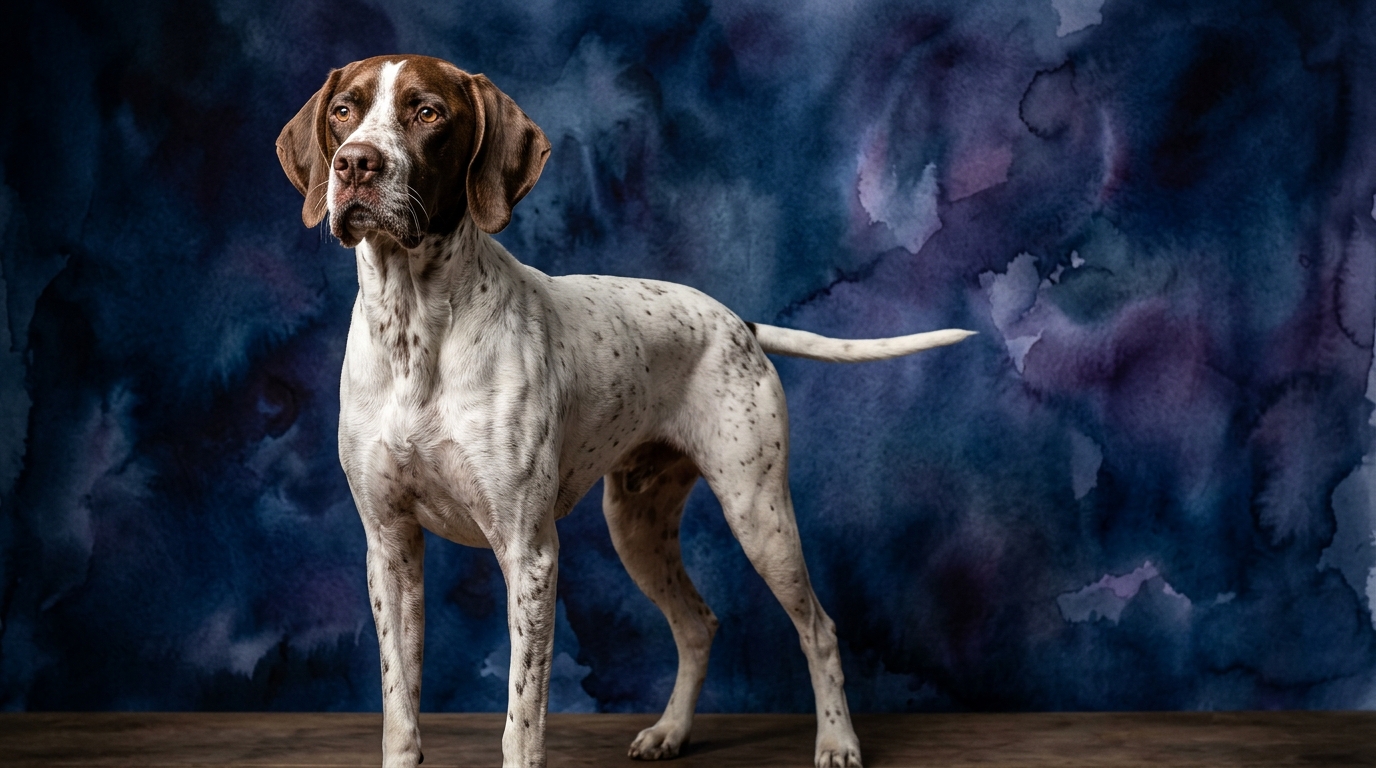
The Pointer, belonging to the Sporting group, also holds a Problem Solving score of 3/5, but their skills are acutely geared towards locating game, involving complex environmental assessment like interpreting scent trails, navigating varied terrain, and understanding wind direction. Their Training Speed of 3/5 demonstrates a consistent learning curve, eager to engage in training, especially when it involves activity and positive reinforcement, absorbing commands steadily. For Social Intelligence, a 3/5 means Pointers are generally outgoing and affectionate, expressing their social acumen through enthusiastic interactions with their family and a generally friendly demeanor, thriving on companionship. Their Instinctive Drive, a powerful 3/5, is almost singularly focused on hunting, pointing, and retrieving, showcasing an innate aptitude for searching and locating game, fueling their high energy. A 3/5 Memory score indicates Pointers excel at recalling complex sequences of commands, especially those used in field work, and possess an excellent memory for specific scent profiles, retaining learned behaviors and environmental cues effectively.
Where the Dogue de Bordeaux Wins Cognitively
While sharing identical numerical scores, the Dogue de Bordeaux's cognitive strengths distinctly align with their historical role as guardians and devoted companions. Their social intelligence, at a 3/5, often manifests as a more profound, nuanced understanding of human emotional states and intricate family dynamics within their established circle. Unlike the Pointer's more generalized affection, the Dogue's social cognition can involve a deeper, more discerning assessment of individuals, quickly identifying who belongs and who might pose a perceived threat to their loved ones. This isn't about aggression, but rather a sophisticated internal filtering process, making them exceptionally attuned to their immediate environment and its inhabitants. Their problem-solving, also a 3/5, can be subtly superior when it comes to spatial reasoning within their home territory, such as understanding how to position themselves to observe multiple entry points or how to subtly obstruct a path if they sense unease. This isn't about solving complex puzzles, but about practical, situation-aware solutions tied directly to their protective instinct. Furthermore, their memory, while numerically equal, might hold a more robust and lasting recall for specific people, their routines, and the intricate emotional landscape of their human companions, fostering an incredibly strong and stable bond that relies on deep familiarity and consistent interaction.
Where the Pointer Wins Cognitively
The Pointer, with its consistent 3/5 scores across all dimensions, truly shines in cognitive applications relevant to its sporting heritage. Their problem-solving, while numerically identical to the Dogue's, is acutely honed for environmental navigation and target acquisition in vast, open spaces. This involves intricate spatial awareness far beyond a domestic setting, requiring them to process vast amounts of sensory information—primarily scent—to locate game in diverse and challenging terrains. They're not just finding a toy; they're strategically working a field, using wind and topography to their advantage, which demands a complex, multi-layered cognitive process involving constant adjustment and assessment. Their instinctive drive, also a 3/5, is a powerful engine for this type of problem-solving, translating into an unmatched focus and persistence in tracking and pointing. This drive isn't just a general energy; it's a highly refined cognitive program for a specific purpose. This intense, task-oriented focus can make their training speed, again a 3/5, feel more efficient for activities tied to their core drive. They pick up field commands and sequences with an eagerness that stems from their profound genetic programming, making the learning process feel more fluid and responsive when channeled appropriately. Their memory excels at recalling specific scent profiles and complex, multi-step hunting patterns, making them incredibly effective and reliable partners in the field.
Which is Easier to Train and Why
Both breeds score 3/5 in training speed, indicating they learn at a consistent pace. However, the *experience* of training them can differ significantly due to their distinct temperaments and motivations. The Pointer often feels 'easier' to train for an owner who understands how to leverage their intense prey drive and inherent eagerness to please. Pointers are naturally biddable and highly responsive to positive reinforcement, especially when training involves movement, retrieving, or engaging their natural hunting instincts. Their high energy means they often thrive on having a job to do, making them receptive to commands that channel this drive. Consistency and clear, positive methods yield excellent results, as they genuinely enjoy working alongside their human and find purpose in structured activities.
Conversely, the Dogue de Bordeaux, while equally capable of learning, can present a more deliberate training experience. Their 3/5 training speed is coupled with a strong-willed, sometimes independent nature. They require a patient, confident leader who uses consistent, fair methods and understands their need for clear boundaries. While affectionate, they are less inherently driven by an external 'job' in the same way a Pointer is, meaning motivation often needs to come from building a strong bond and making training feel like a partnership rather than a command-and-response exercise. They may ponder a command before executing, needing to understand the 'why' or simply deciding if it's worth their effort. This isn't a lack of cognitive ability, but a difference in processing style and what intrinsically motivates them.
Which Suits Active Owners vs. Relaxed Owners
The Dogue de Bordeaux is a better fit for owners who appreciate a calm, watchful presence indoors but are committed to providing moderate, structured daily exercise. While they can appear quite relaxed, they are large dogs requiring regular walks to maintain muscle tone and mental well-being, preventing boredom and potential behavioral issues. They thrive on companionship and being part of family activities but are not typically suited for high-intensity, prolonged physical exertion due to their build and brachycephalic nature. A relaxed owner who enjoys a comfortable home life with consistent, manageable outdoor routines would find a Dogue de Bordeaux a rewarding companion.
In stark contrast, the Pointer is unequivocally suited for highly active owners. Their robust 3/5 instinctive drive and boundless energy demand significant daily physical and mental stimulation. These dogs excel with owners who enjoy activities like long-distance running, hiking, biking, or participating in dog sports such as agility or field trials. A Pointer without sufficient outlets for its energy can become restless, destructive, or prone to excessive barking. For owners who lead an adventurous, outdoor-oriented lifestyle, the Pointer is an ideal, enthusiastic partner; for a truly relaxed, sedentary owner, a Pointer would likely be overwhelming and unfulfilled.
The Verdict
Choose a Dogue de Bordeaux if you seek a loyal, protective, and discerning companion who thrives on deep family bonds and appreciates a moderate, consistent routine, valuing a calm, watchful presence.
Opt for a Pointer if your lifestyle is highly active and outdoor-oriented, and you desire an enthusiastic, biddable partner for extensive exercise and engaging, purposeful activities like field work or sports.
🧠 Find Your Pet's IQ Score
Our Pet IQ Lab assessment covers 25+ tests across 5 cognitive dimensions — personalized to your breed.
Take the Full IQ Test →Frequently Asked Questions
Do Dogue de Bordeaux and Pointers learn at the same rate?
While both breeds share a 3/5 training speed score, their learning styles and motivators differ. Pointers often appear to learn faster due to their biddability and high drive for activity, while Dogue de Bordeaux learn steadily but require more patient, consistent reinforcement due to their independent streak.
Which breed is better at understanding human emotions?
Both breeds score 3/5 in social intelligence. The Dogue de Bordeaux often exhibits a more nuanced understanding of family dynamics and emotional states within their inner circle, tied to their protective nature. Pointers are socially affectionate but might be less subtly discerning in complex emotional contexts.
Can a Dogue de Bordeaux be a good running partner?
Generally, no. While they need regular exercise, the Dogue de Bordeaux is not built for sustained, high-impact activities like long-distance running due to their large size and brachycephalic (short-nosed) structure, which can lead to overheating. They prefer moderate walks and comfortable indoor companionship.