Side-by-Side IQ Profile: Unpacking Moderate Cognition
The Cosmic Pet Pet IQ Lab assesses canine intelligence across five critical dimensions, each rated on a scale of 1 to 5. What makes the Dogue de Bordeaux and Soft Coated Wheaten Terrier comparison particularly intriguing is their uniform score of 3/5 in every category. This moderate rating signifies capable, but not exceptional, cognitive function across the board, demanding a careful interpretation of how these scores translate into real-world behavior for each breed.
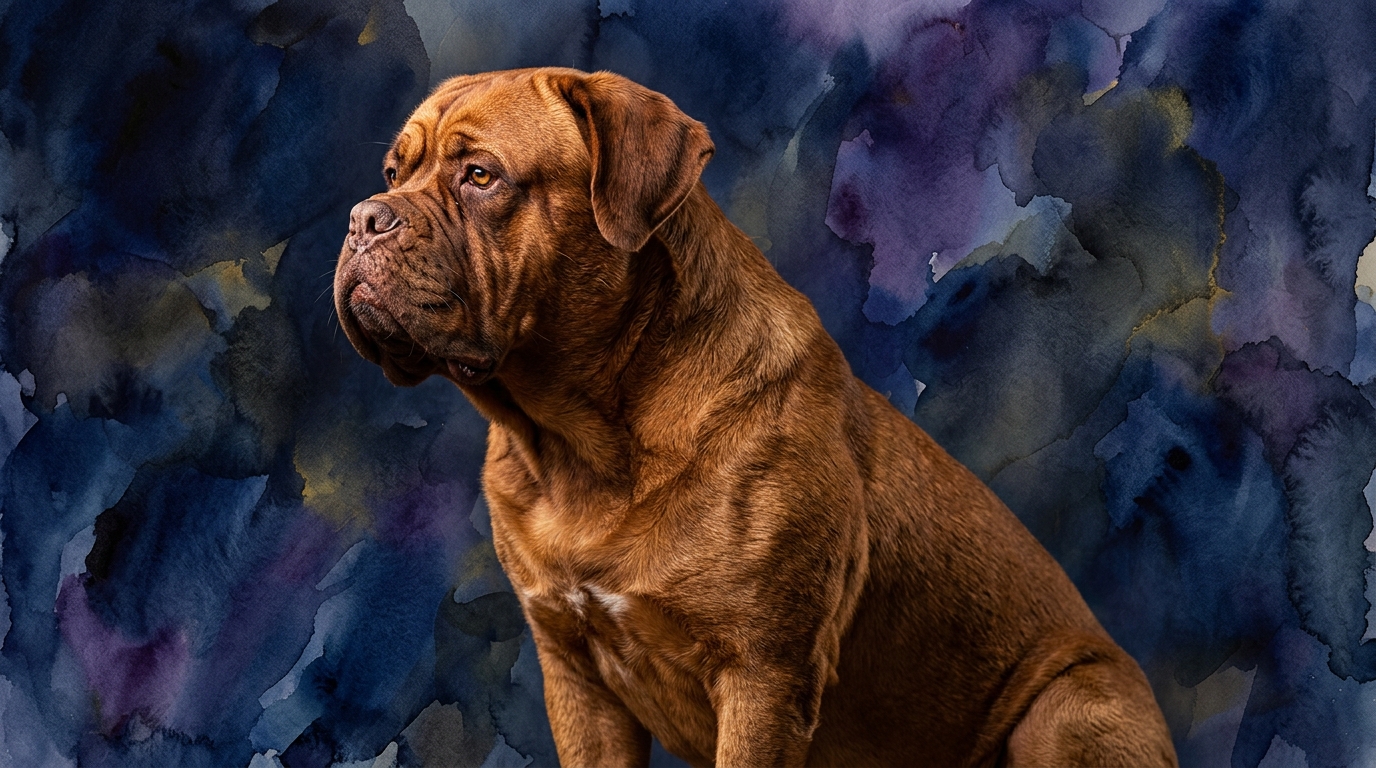
For the Dogue de Bordeaux, a 3/5 in Problem Solving indicates a moderate ability to navigate obstacles and figure out solutions to novel challenges. These mastiffs often prefer straightforward approaches or may look to their human companions for guidance rather than engaging in complex, intricate manipulations. Their problem-solving might manifest in finding the most comfortable spot in a room or efficiently navigating familiar spaces, rather than devising elaborate escape plans.
Their Training Speed, also at 3/5, suggests that the Dogue de Bordeaux learns new commands at a steady, moderate pace. They require consistent repetition and positive reinforcement to solidify new behaviors, but once a command is learned, they tend to retain it reliably. This isn't a breed that picks up complex sequences instantly, but rather one that builds a solid foundation over time with patient instruction.
The Dogue de Bordeaux's Social Intelligence, scoring 3/5, points to a moderate perceptiveness of their family's emotional states. They are often attuned to the moods of their close human companions, responding with a comforting presence. However, their interpretation of subtle social cues from strangers or unfamiliar dogs might be less nuanced, often leading to a reserved or watchful demeanor.
An Instinctive Drive of 3/5 for the Dogue de Bordeaux primarily reflects their inherent guardian and protective instincts towards their family and territory. This drive is a core part of their being, guiding their watchful nature. Beyond protection, they also exhibit a significant drive for physical comfort and close companionship, consistently seeking to be near their people.
Finally, their Memory score of 3/5 signifies a good recall for familiar people, places, and established routines. They remember training commands and household rules consistently, especially when these behaviors have been reinforced positively over time, contributing to their generally predictable nature.
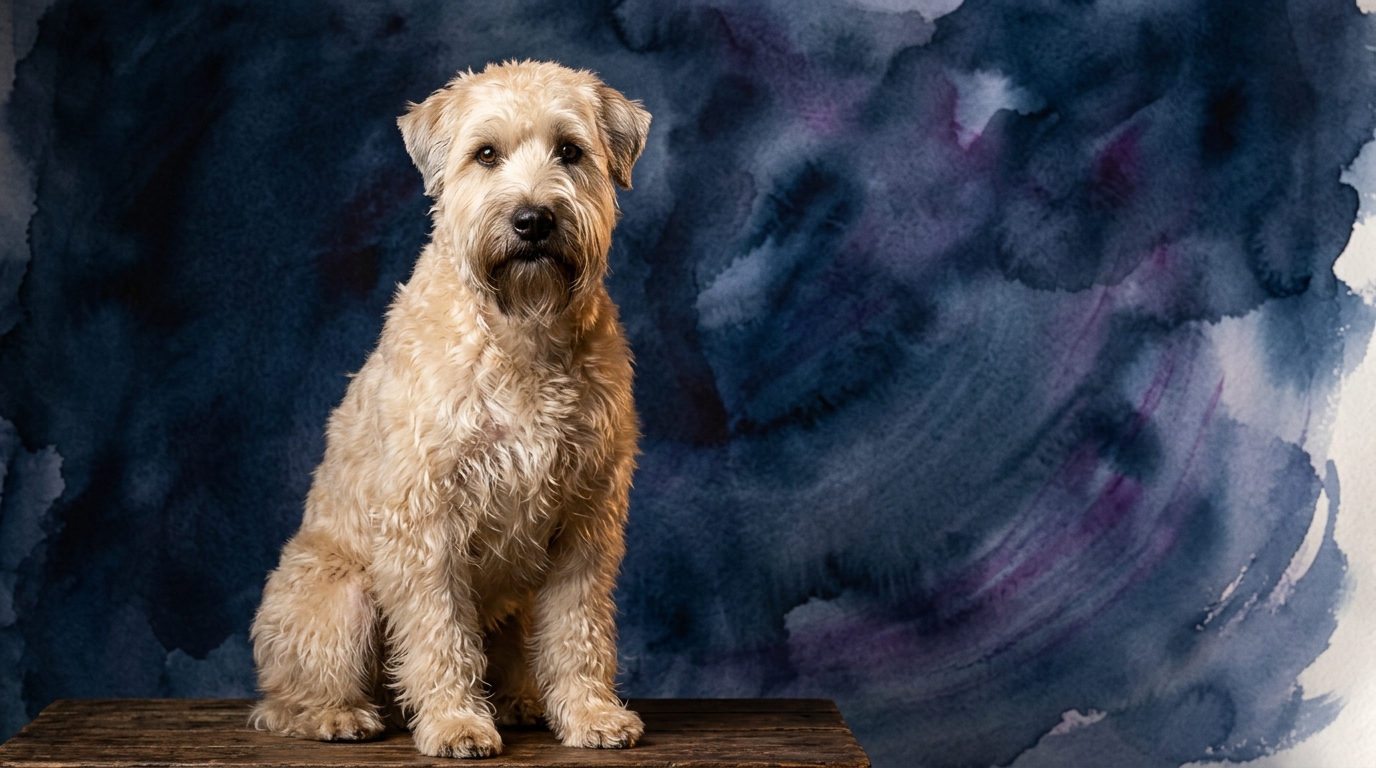
Turning to the Soft Coated Wheaten Terrier, their 3/5 in Problem Solving reflects a moderate capacity for figuring out challenges. This often involves a characteristic terrier persistence and ingenuity, whether it's working out how to access a forbidden treat or navigating a tricky gate. Their solutions might be less about brute force and more about clever, sustained effort.
The Wheaten Terrier's Training Speed, also 3/5, means they learn new commands at a moderate pace. However, their independent nature, a hallmark of the terrier group, can make the consistent application of these learned behaviors more challenging. They might understand a cue perfectly but choose not to perform if a more interesting distraction captures their attention.
Their Social Intelligence, like the Dogue de Bordeaux, is rated 3/5, indicating they are attuned to their family's mood and often eager to engage in social play. They can be quite responsive to invitations for interaction. However, they might also be more overtly reactive to the presence of new people or other dogs, often expressing their curiosity or excitement with enthusiastic greetings.
A 3/5 for Instinctive Drive in the Soft Coated Wheaten Terrier encompasses moderate terrier drives for chasing, digging, and exploring. Their inherent curiosity and a strong desire for engagement fuel much of their activity, prompting them to investigate novel scents, sights, or potential play opportunities in their environment.
The Wheaten Terrier's Memory, also 3/5, indicates they effectively retain learned commands and routines. Importantly, they also tend to remember past experiences, both positive and negative, which can significantly influence their future interactions and responses to various stimuli or situations.
Despite identical numerical scores, the practical manifestation of these cognitive dimensions differs profoundly between these two breeds, shaped by their ancestral roles and inherent temperaments.
Where the Dogue de Bordeaux Wins Cognitively
While both breeds share a 3/5 in social intelligence, the Dogue de Bordeaux's expression of this dimension often translates into a more stable and predictable emotional presence within the home. Their cognitive strength lies in their capacity for calm, reassuring companionship. This can be seen as a distinct cognitive 'win' for owners who prioritize a steady, unruffled presence and a dog that excels at offering quiet support.
Furthermore, the Dogue de Bordeaux's problem-solving, even at a moderate 3/5, is frequently directed towards maintaining comfort and security. They are less inclined to invent mischief or engage in complex exploratory behaviors that might disrupt the household. Their cognitive efforts are often channeled into evaluating their surroundings for potential threats or simply ensuring their own well-being within a familiar, safe environment, making them highly effective at self-regulation in these contexts.
Where the Soft Coated Wheaten Terrier Wins Cognitively
The Soft Coated Wheaten Terrier’s 3/5 problem-solving ability, combined with their moderate instinctive drive, often results in a more creative and persistent approach to achieving their goals. They display a terrier-typical ingenuity in finding ways around obstacles or figuring out how to engage with interesting objects, demonstrating a cognitive flexibility in pursuit of their desires. For owners who appreciate a dog that actively explores and interacts with its environment in novel, often clever ways, this can be a significant cognitive 'win'.
Their moderate instinctive drive, when channeled appropriately, makes them highly engaging in play and activities. This breed showcases a cognitive agility in responding to dynamic situations, quickly adapting to new game rules or anticipating movements during play. This responsiveness and eagerness for interaction, driven by their inherent curiosity, can be more pronounced than in the more sedate Dogue de Bordeaux.
Which Is Easier to Train and Why
Despite both breeds scoring 3/5 in Training Speed, the Dogue de Bordeaux is generally considered easier to train for basic obedience. Their strong desire to please their family, coupled with a typically lower inherent distraction level—manifesting as less intense prey drive or independent wandering—means they are often more focused on the task at hand during training sessions. Consistency, clear communication, and positive reinforcement tend to yield reliable and lasting results with a Dogue de Bordeaux.
The Soft Coated Wheaten Terrier, while certainly capable of learning new commands quickly, often presents a more significant training challenge due to their strong independent streak, a hallmark of the terrier group. Their moderate instinctive drives for chasing, digging, and exploring can easily divert their attention, making sustained focus difficult, especially in stimulating environments. Training a Wheaten Terrier requires more patience, creativity, and the consistent use of high-value rewards to maintain their interest and overcome their natural inclination to follow their own agenda. They might understand a command perfectly but require substantially more motivation to perform it consistently, particularly when distractions are present.
Which Suits Active Owners vs. Relaxed Owners
The Dogue de Bordeaux is better suited for relaxed owners who appreciate a calm, companionable presence in their home. While they require moderate daily exercise to maintain their health and muscular physique, their cognitive preference leans towards comfortable lounging and observing their domain from a secure spot. They thrive in homes where they can be integral, watchful family members without constant demands for high-intensity physical or mental activity, content with a steady routine and ample human companionship.
Conversely, the Soft Coated Wheaten Terrier is an ideal match for active owners who enjoy engaging their dog in a variety of physical and mental activities. Their moderate instinctive drives and social intelligence mean they actively seek out opportunities for play, exploration, and interaction. They thrive with regular vigorous walks, interactive play sessions, and opportunities to use their problem-solving skills in fun, structured ways, requiring an owner who can consistently meet their need for engagement.
The Verdict: When to Choose Each
The Verdict
Choose the Dogue de Bordeaux if you value a stable, protective, and calmly companionable presence, appreciating a dog whose cognitive strengths lie in loyal companionship and steady routines within a relaxed home environment.
Opt for the Soft Coated Wheaten Terrier if you seek an engaging, curious, and moderately energetic companion who enjoys active participation in family life and thrives on consistent mental and physical challenges.
🧠 Find Your Pet's IQ Score
Our Pet IQ Lab assessment covers 25+ tests across 5 cognitive dimensions — personalized to your breed.
Take the Full IQ Test →Frequently Asked Questions
Are Dogue de Bordeaux difficult to train?
While their training speed is moderate (3/5), Dogue de Bordeaux are generally not considered difficult to train for basic obedience due to their strong desire to please and their focused nature around their family. Consistency and positive reinforcement are crucial for success, and they retain learned behaviors well once established.
Do Soft Coated Wheaten Terriers need a lot of mental stimulation?
Yes, Soft Coated Wheaten Terriers benefit significantly from consistent mental stimulation. Their moderate problem-solving skills and instinctive drives mean they thrive when engaging in activities that challenge their minds, which helps prevent boredom and constructively channels their natural terrier curiosity and energy.
Which breed is better with children, from a cognitive perspective?
Both breeds, with their 3/5 social intelligence, can form strong bonds with children. The Dogue de Bordeaux often exhibits a calm, protective demeanor, acting as a steady and watchful presence. The Wheaten Terrier, with its playful and engaging nature, might be more inclined towards active interaction and games, making either suitable depending on the family's lifestyle, the dog's individual temperament, and appropriate training.