Side-by-Side IQ Profile: Poodle (Standard) vs. Soft Coated Wheaten Terrier
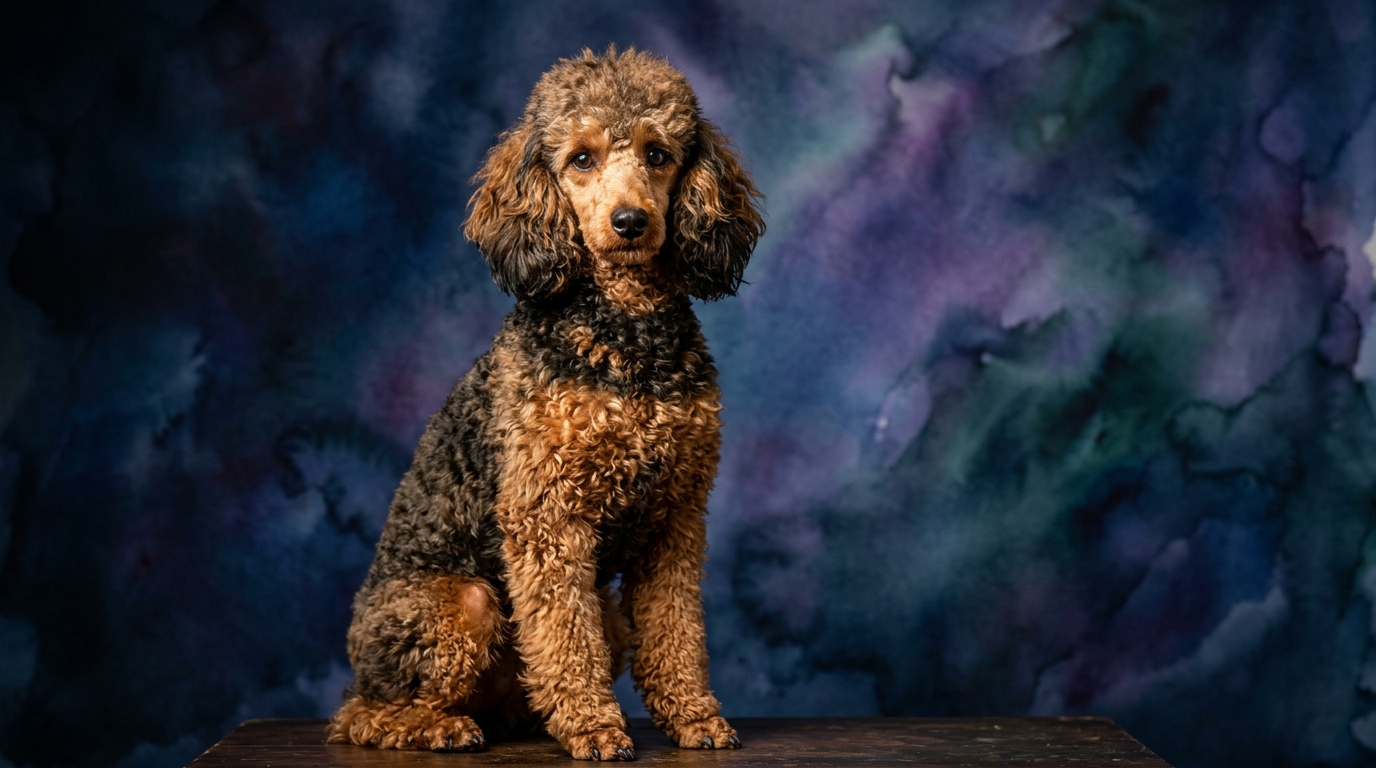
The Standard Poodle consistently ranks among breeds with exceptional cognitive capabilities, a reflection of its historical role requiring adaptability and quick thinking. Its Problem Solving is rated 5/5, indicating an outstanding capacity to analyze novel situations, devise solutions, and generalize learning across different contexts. Training Speed also stands at 5/5, signifying an almost immediate grasp of new commands and complex sequences, often requiring minimal repetition for mastery. Social Intelligence is equally robust at 5/5, demonstrating a profound ability to interpret human emotions, body language, and social cues, fostering deep, communicative bonds. Its Instinctive Drive is a balanced 4/5, reflecting its origins as a water retriever with a strong but adaptable drive, rather than an obsessive, singular focus. Finally, Memory is a solid 5/5, ensuring the retention of learned behaviors and associations over extended periods, making complex training durable.
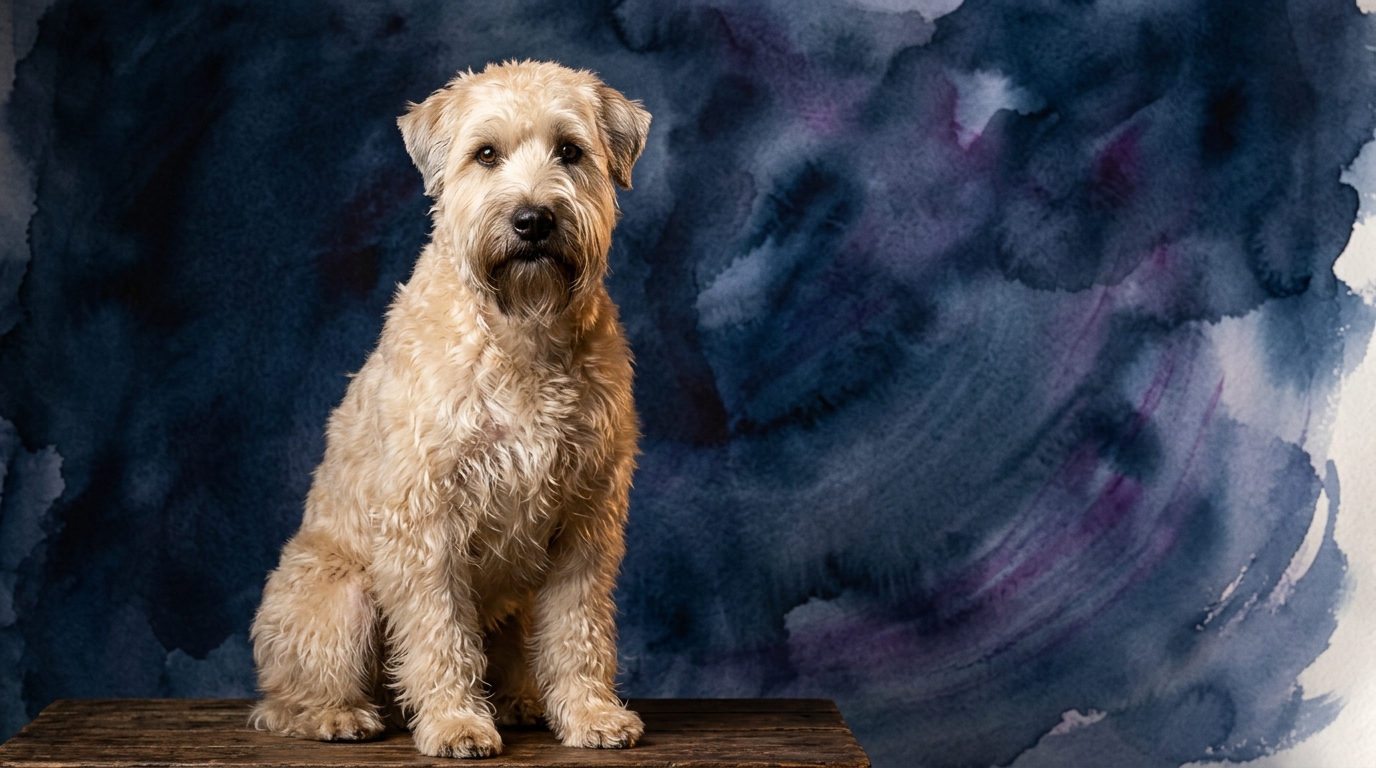
In contrast, the Soft Coated Wheaten Terrier presents a cognitive profile rooted in its terrier heritage, characterized by a spirited independence. Its Problem Solving is rated 3/5, indicating a competent ability to navigate familiar challenges but potentially requiring more time or assistance with entirely new or abstract problems. Training Speed is also 3/5; while trainable, Wheatens learn at a moderate pace, benefiting significantly from consistent, engaging, and positive reinforcement methods rather than rapid acquisition. Social Intelligence, at 3/5, suggests a friendly and interactive nature, though perhaps less attuned to the subtle emotional nuances of humans compared to the Poodle. Its Instinctive Drive is 3/5, reflecting a moderate but persistent terrier inclination for chasing, digging, and exploring, driven by curiosity rather than intense purpose. Memory is rated 3/5, meaning Wheatens retain information well with regular reinforcement, but may require refreshers for less frequently used commands or skills.
Where the Standard Poodle Wins Cognitively
The Standard Poodle's cognitive advantages stem from its consistently high scores across multiple dimensions, making it a generalist par excellence in the canine world. Its 5/5 Problem Solving means it excels at tasks requiring abstract thought, strategizing, and adapting to changing rules, such as advanced obedience trials or complex scent work. This capacity for independent thought in problem-solving allows them to excel in roles like service work, where anticipating needs and performing intricate sequences are paramount. The Poodle's 5/5 Training Speed allows for the rapid acquisition of a vast repertoire of commands and behaviors, enabling handlers to teach them sophisticated routines with remarkable efficiency. This translates into a dog that can quickly learn to differentiate between nuanced cues, understand multi-step instructions, and even learn names for numerous objects. Furthermore, its 5/5 Social Intelligence makes it exceptionally perceptive to human intent and emotional states, fostering a cooperative spirit that often makes the Poodle seem to anticipate its handler's wishes. This profound social understanding, combined with its 5/5 Memory, ensures that once a Poodle learns a skill or a social expectation, it retains it for the long term, making it a reliable and consistently performing companion in diverse roles and environments.
Where the Soft Coated Wheaten Terrier Wins Cognitively
While the Wheaten Terrier's cognitive scores are generally lower than the Poodle's, its particular blend of abilities constitutes unique cognitive strengths that shine in specific contexts. Its 3/5 Instinctive Drive, while moderate, is a key component of its joyful, spirited, and engaging personality. This drive manifests as an enduring curiosity and a playful approach to exploration, which can be a significant 'win' for owners seeking a companion that actively engages with its environment in a boisterous, happy manner without the intense, singular focus of some working breeds. This moderate drive means they are often less prone to obsessive behaviors, offering a more balanced companion for active family life. The Wheaten's 3/5 Social Intelligence supports a generally outgoing and friendly disposition, making them straightforward and affectionate companions who thrive on direct, positive interactions. They are not overly sensitive to every subtle human mood swing, which some owners might find less demanding and more consistently cheerful. Furthermore, their 3/5 Problem Solving and Training Speed, while requiring more repetition, means that the process of teaching them is often a rewarding journey of consistent engagement and positive reinforcement. This can be a 'win' for owners who enjoy the process of patient, fun-filled training, valuing the bond built through persistent effort over rapid mastery. Wheatens approach challenges with a tenacious terrier spirit, even if it takes them a little longer to figure things out, demonstrating a delightful persistence that is uniquely their own.
Which is Easier to Train and Why
When evaluating ease of training, the Standard Poodle holds a clear advantage due to its exceptional cognitive profile. Their 5/5 Training Speed means they grasp new concepts and commands almost instantly, often after just a few repetitions. This rapid learning is coupled with a 5/5 Problem Solving ability, allowing them to generalize learned behaviors to new situations and understand complex sequences without extensive drilling. Their 5/5 Social Intelligence also plays a crucial role; Poodles are highly attuned to their handler's cues, intentions, and emotional states, making them eager to cooperate and inherently responsive to direction. They thrive on mental stimulation and find the training process itself highly rewarding, often displaying a strong desire to please and engage, which translates into a cooperative student. Behaviors like a reliable recall, intricate obedience routines, or learning specific object names are typically acquired with speed and retained due to their 5/5 Memory, making the training journey smooth and progressive.
Conversely, the Soft Coated Wheaten Terrier, with its 3/5 scores in Training Speed, Problem Solving, and Memory, presents a more engaging challenge in training. Wheatens require more patience, consistency, and repetition to solidify commands and behaviors. Their moderate instinctive drive means they can sometimes be more interested in exploring a scent or chasing a squirrel than adhering to a command, especially in distracting environments. While they are certainly trainable, their terrier independence means that handlers must work to make training sessions highly rewarding and fun to maintain their focus and motivation. They might require more frequent refreshers for less common commands, as their 3/5 Memory benefits from consistent reinforcement. Owners should anticipate that a Wheaten might occasionally choose to follow its nose or its own agenda over a directive, requiring a firm yet positive approach to reinforce desired behaviors and manage their spirited nature.
Which Suits Active Owners vs. Relaxed Owners
The Standard Poodle is an excellent match for active owners who are prepared to engage their dog's considerable cognitive abilities. These dogs thrive on mental stimulation through complex training, dog sports like agility, obedience, or flyball, and roles that demand nuanced understanding, such as therapy or service work. Their balanced 4/5 Instinctive Drive means they enjoy varied activities and can adapt to different forms of engagement, from long walks to puzzle toys. While physically active, their mental needs are paramount; a Poodle that isn't regularly challenged cognitively might develop undesirable behaviors out of boredom. A relaxed owner could potentially manage a Standard Poodle, but only if they commit to providing significant mental enrichment through daily training, interactive games, and puzzle toys, ensuring their sharp mind remains engaged even if physical activity is moderate.
The Soft Coated Wheaten Terrier is best suited for active owners who appreciate a playful, energetic companion with a joyful, spirited approach to life. Their 3/5 Instinctive Drive, while moderate, means they possess a persistent desire for exploration and play, requiring regular physical exercise and engaging activities to keep them content. They enjoy playful romps, walks, and games that tap into their terrier curiosity. Owners who enjoy outdoor adventures or active family life will find a Wheaten a delightful companion. A relaxed owner might find the Wheaten's consistent need for engagement and moderate energy levels challenging. Without sufficient outlets for their spirited nature and curiosity, Wheatens can become restless or find their own (potentially destructive) ways to entertain themselves. They benefit from consistent, positive interaction and activities that allow them to express their inherent terrier zest for life.
The Verdict
Choose a Standard Poodle if you seek a highly adaptable, cooperative, and intellectually engaged companion capable of mastering complex tasks and thriving on extensive mental challenge and nuanced communication.
Opt for a Soft Coated Wheaten Terrier if you appreciate a spirited, friendly terrier with a joyful approach to life, willing to engage in playful activities, and are prepared for a training journey that values consistency, patience, and fun over rapid mastery.
🧠 Find Your Pet's IQ Score
Our Pet IQ Lab assessment covers 25+ tests across 5 cognitive dimensions — personalized to your breed.
Take the Full IQ Test →Frequently Asked Questions
Do Standard Poodles require constant mental stimulation to prevent boredom?
Yes, Standard Poodles, with their 5/5 Problem Solving and Memory, possess minds that thrive on engagement. Without consistent mental challenges like training sessions, puzzle toys, or interactive games, they can become bored and may develop behaviors like excessive barking or finding their own 'work' to do.
Are Soft Coated Wheaten Terriers considered 'stubborn' during training?
Soft Coated Wheaten Terriers, with their 3/5 Training Speed and instinctive drive, can sometimes exhibit independent streaks that might be perceived as stubbornness. They require consistent, positive, and engaging training methods to maintain their interest and cooperation, rather than outright defiance.
What kind of mental enrichment is most effective for a Soft Coated Wheaten Terrier?
For a Wheaten Terrier, mental enrichment should focus on activities that engage their 3/5 instinctive drive and problem-solving. Scent games, interactive toys, short and fun training sessions, and opportunities for supervised exploration in varied environments are particularly effective to satisfy their curiosity and energy.