
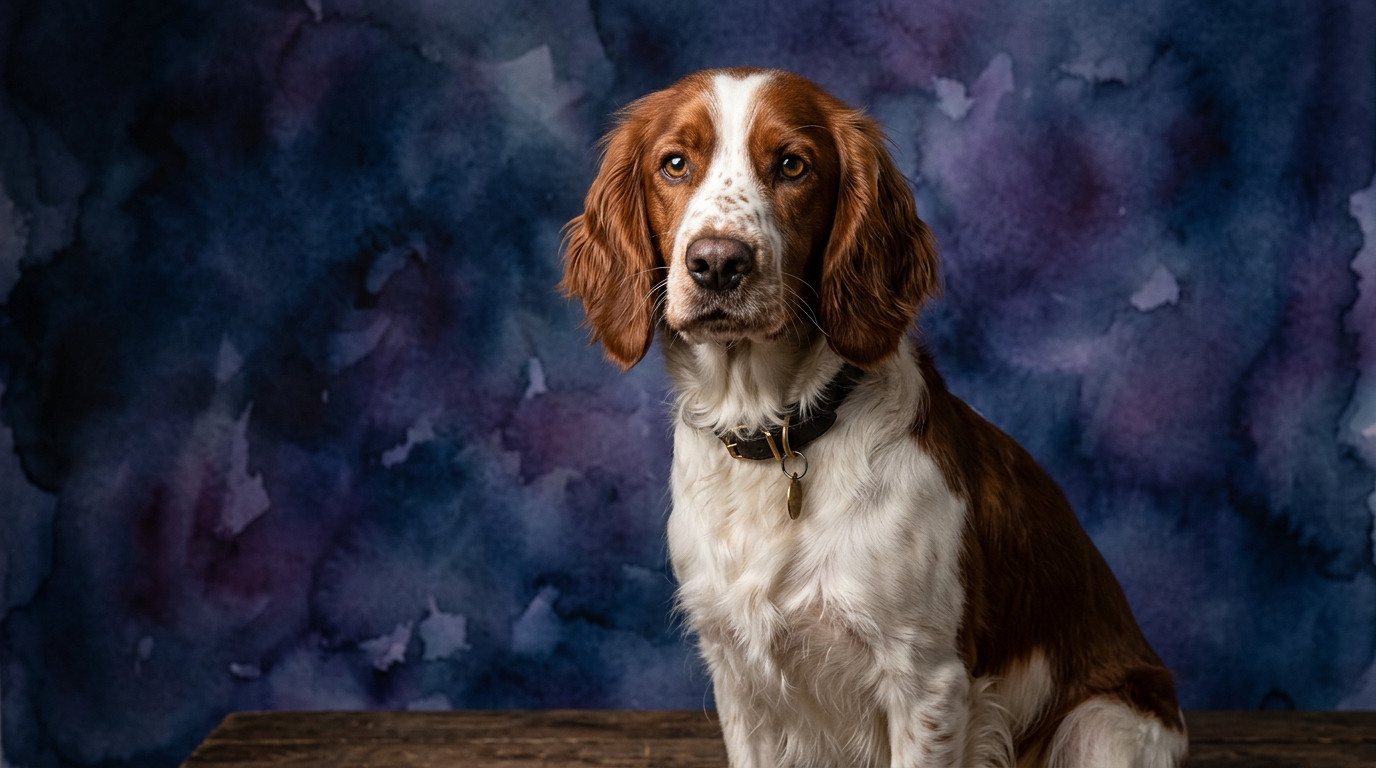
Side-by-Side IQ Profile: Dogue de Bordeaux vs. Welsh Springer Spaniel
The Cosmic Pet Pet IQ Lab employs a five-dimensional framework to assess canine cognition, providing a nuanced understanding beyond simple obedience. For the Dogue de Bordeaux and Welsh Springer Spaniel, these dimensions highlight their unique mental architectures, influencing everything from how they learn to how they interact with their world.
**Dogue de Bordeaux Profile:** This breed, from the Working group, does not have a Coren ranking, indicating its cognitive strengths lie outside traditional obedience measures. Its scores reflect a thoughtful, steady approach to life.
**Problem Solving (3/5):** This breed approaches challenges with a steady, deliberate demeanor, often preferring to rely on established routines rather than spontaneous innovation. Their cognitive process prioritizes methodical persistence, allowing them to patiently work through tasks once motivation is clear.
**Training Speed (3/5):** Learning new commands requires a patient and consistent approach, as they absorb information at a moderate rate. Repetition and positive reinforcement are crucial for solidifying new skills, which they retain reliably once ingrained.
**Social Intelligence (3/5):** Their social intelligence is primarily directed towards their immediate family, forming deep, loyal bonds and adeptly reading their human companions' moods. This manifests as a protective vigilance and a desire for close physical proximity within their trusted circle.
**Instinctive Drive (3/5):** Possessing a moderate drive, it often expresses as a strong protective instinct for home and family, rather than intense prey drive. They are a steadfast presence, aware of their surroundings, and content with moderate interaction.
**Memory (3/5):** They demonstrate good capacity for memory, particularly for routines, people, and places within their familiar environment. Learned commands and expected behaviors are reliably recalled when reinforced consistently over time.
**Welsh Springer Spaniel Profile:** As a member of the Sporting group, the Welsh Springer Spaniel holds a Coren rank of #31, signifying its strong working and obedience intelligence. Its scores reflect an eager, adaptable, and quick-thinking nature.
**Problem Solving (4/5):** This breed exhibits a strong aptitude for figuring out new situations, adapting strategies, and navigating complex environments effectively. Their cognitive flexibility allows them to quickly assess and devise solutions to challenges, thriving on mental stimulation.
**Training Speed (4/5):** Welsh Springer Spaniels grasp new commands and concepts rapidly, often requiring fewer repetitions to achieve proficiency. Their attentiveness and eagerness to please make them highly receptive to instruction, accelerating the learning process.
**Social Intelligence (3/5):** Their social intelligence enables them to form strong bonds and interact appropriately, being perceptive to human emotions and body language. They can adjust their behavior to suit the mood of their companions and integrate well into diverse family dynamics.
**Instinctive Drive (3/5):** Their moderate instinctive drive is primarily focused on activities like flushing and retrieving, typical of a sporting spaniel. They possess a natural inclination to explore, follow scents, and work cooperatively in the field.
**Memory (4/5):** Possessing excellent memory, they retain learned commands, complex sequences, and spatial information with remarkable consistency. This robust recall makes them highly dependable for tasks requiring consistent performance over time.
Where the Dogue de Bordeaux Wins Cognitively
While the Welsh Springer Spaniel boasts higher scores in several cognitive dimensions, the Dogue de Bordeaux demonstrates specific cognitive strengths that excel in different contexts. Their 3/5 in Problem Solving, for instance, translates not into rapid innovation but into a profound and patient persistence. When faced with a challenge, a Dogue de Bordeaux might not immediately find the most elegant solution, but they will often apply sustained effort, relying on their methodical nature to eventually achieve their goal. This deliberate approach means they are less likely to become frustrated by complex, multi-step tasks if given clear, consistent parameters, prioritizing thoroughness over speed.
Furthermore, their 3/5 in Social Intelligence, while appearing moderate, often manifests as an exceptionally deep and nuanced understanding of their immediate human family. They are acutely attuned to the subtle shifts in their owner's mood, tone, and routine, often anticipating needs or reacting with comforting presence. This specific cognitive application of social intelligence is geared towards fostering intense loyalty and a protective vigilance, rather than broad social adaptability. Their memory (3/5) for these social nuances and established routines contributes significantly to their calm, predictable demeanor, providing a steady presence in the home and a clear recall of their trusted circle.
Where the Welsh Springer Spaniel Wins Cognitively
The Welsh Springer Spaniel truly shines in cognitive areas demanding quick processing, adaptability, and retention, largely reflected in their 4/5 scores for Problem Solving, Training Speed, and Memory. Their problem-solving prowess means they are adept at navigating novel situations with confidence and ingenuity. Whether it's figuring out how to retrieve a toy from an intricate setup or understanding the sequence of actions required in an agility course, they demonstrate a capacity for flexible thinking and rapid learning from experience. This ability to quickly assess and react makes them highly versatile in various environments and activities, as they don't get easily flustered by unexpected changes.
Their superior Training Speed (4/5) is a significant cognitive advantage, allowing them to absorb and execute new commands with remarkable efficiency. This isn't just about rote memorization; it's about a quick cognitive grasp of cause and effect, and an eagerness to engage in reciprocal learning with their handler. This quick uptake means they can master a wide repertoire of commands and behaviors, from basic obedience to advanced tricks, in a relatively short timeframe. Complementing this is their strong Memory (4/5), which ensures that once a lesson is learned, it is retained effectively. They reliably recall complex sequences of commands, making them highly dependable partners for tasks requiring consistent performance over time.
Which is Easier to Train and Why
When considering ease of training, the Welsh Springer Spaniel holds a distinct advantage, primarily due to their higher scores in Training Speed (4/5) and Memory (4/5), alongside their historical role as cooperative working dogs. These spaniels possess an inherent eagerness to engage with their human companions and a strong desire to understand and execute commands. Their quick cognitive processing allows them to make rapid associations between a cue, a behavior, and a reward, accelerating the learning curve significantly, making them highly responsive and a joy to train.
The Dogue de Bordeaux, with a 3/5 in Training Speed and Memory, presents a different training experience. While certainly trainable, they require a more patient, consistent, and often more creative approach. Their learning pace is moderate, meaning owners should be prepared for more repetitions and a slower progression through training stages. They can be more independent thinkers, sometimes requiring stronger motivation, such as high-value treats or engaging play, to maintain focus. Training success with a Dogue de Bordeaux hinges on building a strong, trusting relationship and employing positive reinforcement methods that appeal to their calm yet resolute temperament.
Which Suits Active Owners vs. Relaxed Owners
The cognitive profiles and inherent drives of these breeds naturally align them with different owner lifestyles. For active owners, the Welsh Springer Spaniel is an excellent match. Their 4/5 in Problem Solving and Training Speed, combined with a moderate instinctive drive geared towards exploration and cooperative work, means they thrive on consistent mental and physical stimulation. These dogs possess the cognitive capacity and physical stamina to excel in activities like agility, flyball, competitive obedience, or long-distance hiking, making them ideal partners for owners who want to actively engage their dog in sports and outdoor adventures.
Conversely, the Dogue de Bordeaux is often a better fit for relaxed owners or those seeking a more sedate, yet deeply loyal, companion. While they benefit from regular, moderate exercise, their cognitive and physical makeup does not demand the intense, high-energy output of a spaniel. Their 3/5 scores across most cognitive dimensions suggest a dog that appreciates routine and a calm home environment, rather than constant novelty or high-octane activities. Owners who appreciate a dog that is self-composed, requires consistent but not necessarily fast-paced training, and who offers a deep, protective companionship without needing constant high-impact activity will find the Dogue de Bordeaux's temperament and cognitive style a superb fit.
The Verdict
Choose the Dogue de Bordeaux if you value a calm, steadfast companion with deep family loyalty, who thrives on consistent routines and offers a profound, protective presence, understanding that their training requires patience and a methodical approach.
Opt for the Welsh Springer Spaniel if you lead an active lifestyle and desire an eager, quick-learning partner for dog sports, extensive outdoor adventures, and enjoy a highly responsive and trainable companion.
🧠 Find Your Pet's IQ Score
Our Pet IQ Lab assessment covers 25+ tests across 5 cognitive dimensions — personalized to your breed.
Take the Full IQ Test →Frequently Asked Questions
Is the Dogue de Bordeaux difficult to train due to its IQ scores?
No, the Dogue de Bordeaux is not difficult to train, but their moderate training speed means they require more patience and consistency. They learn effectively with positive reinforcement and clear, repetitive instruction, building strong habits over time.
What activities best utilize a Welsh Springer Spaniel's intelligence?
A Welsh Springer Spaniel's intelligence, particularly their problem-solving and training speed, excels in activities like agility, obedience, rally, and field work. They thrive on mental challenges and physical engagement that allow them to use their quick minds and bodies.
How does Coren ranking relate to these breeds' IQ profiles?
Coren ranking primarily measures working and obedience intelligence, aligning well with the Welsh Springer Spaniel's higher training speed and memory scores. The Dogue de Bordeaux's lack of a Coren rank doesn't diminish its cognitive abilities, but rather indicates its intelligence is expressed differently, often in areas like social bonding and protective instincts.