Side-by-Side IQ Profile: Poodle (Standard) vs. Welsh Springer Spaniel
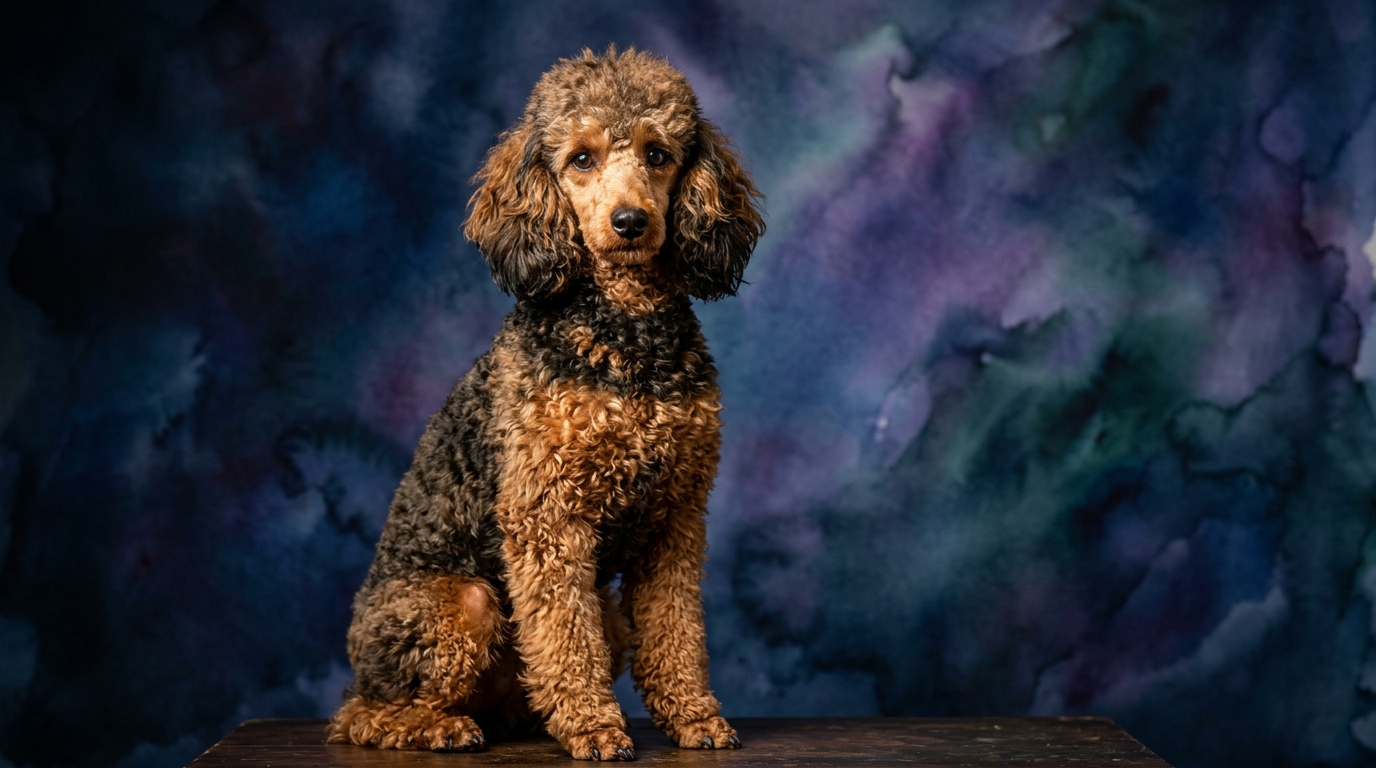
The Poodle (Standard), ranked #2 on the Coren scale, presents a comprehensive cognitive profile, achieving top marks in several key areas. Their Problem Solving is rated 5/5, indicating an exceptional capacity to analyze novel situations and devise effective solutions, often demonstrating foresight and ingenuity. With a Training Speed of 5/5, Standard Poodles assimilate new commands and behaviors with remarkable alacrity, typically requiring minimal repetitions to achieve mastery, which speaks to their focus and comprehension.
Social Intelligence for the Standard Poodle also stands at a perfect 5/5, reflecting their profound attunement to human emotional states, intentions, and complex social dynamics. Their Instinctive Drive, rated 4/5, is robust and versatile, not singularly focused but adaptable to various tasks, from retrieving to performance sports. Finally, their Memory is a stellar 5/5, allowing them to retain vast amounts of information, complex sequences, and learned experiences over extended periods, making them consistent performers.
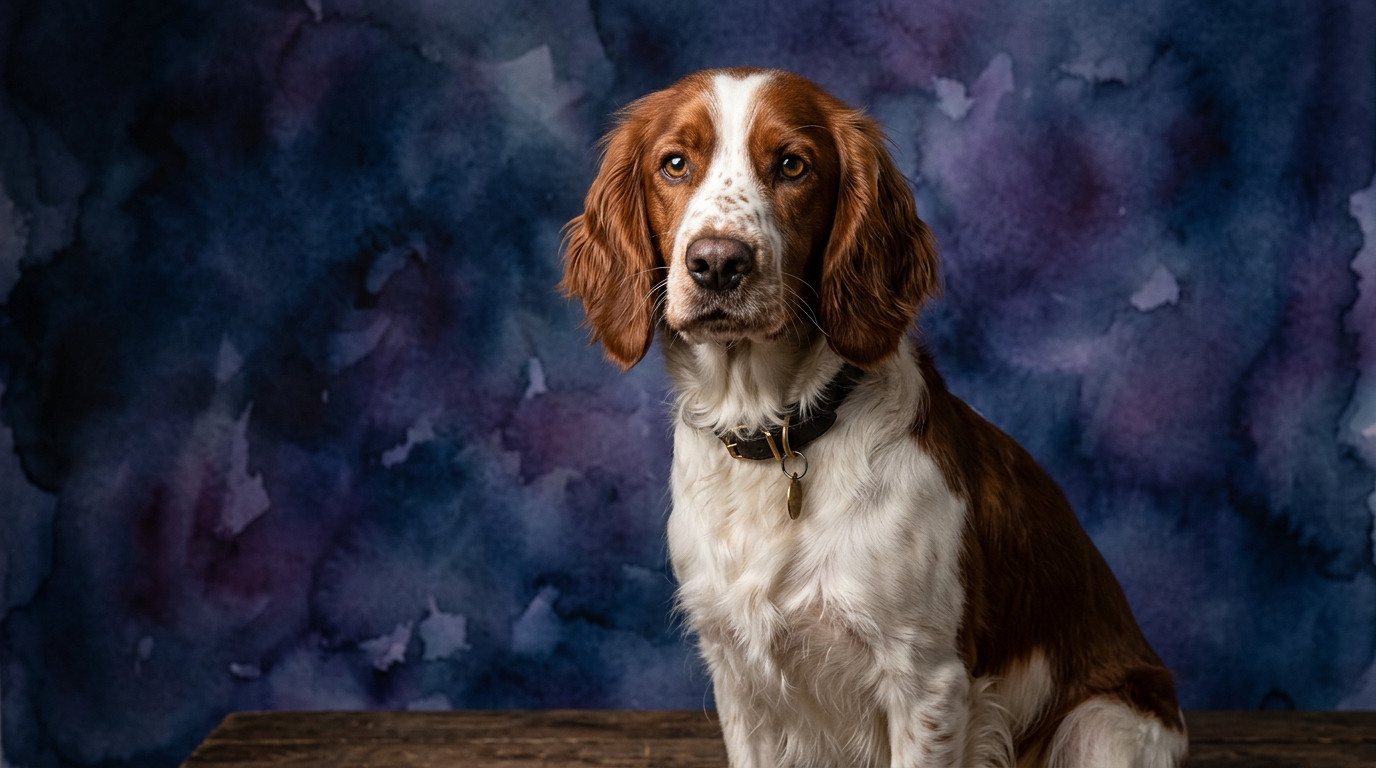
In contrast, the Welsh Springer Spaniel, with a Coren rank of #31, offers a different yet equally compelling intellectual makeup, rooted deeply in its sporting heritage. Their Problem Solving ability is a solid 4/5; they are adept at practical, task-oriented challenges, especially those involving scent work or retrieving, though they might approach abstract puzzles with less immediate flair than a Poodle. Their Training Speed of 4/5 indicates a responsive learner, capable of picking up commands efficiently with consistent guidance and positive reinforcement.
The Welsh Springer Spaniel's Social Intelligence is rated 3/5, suggesting a strong bond with their family unit but potentially less emphasis on interpreting subtle human emotional shifts compared to the Poodle; their interactions are often more direct and task-focused. Their Instinctive Drive, also 3/5, is channeled primarily towards their historical role as a flushing and retrieving gun dog, manifesting as a keen desire to work with their nose and mouth. Their Memory, at 4/5, is reliable for retaining learned behaviors, especially those relevant to their working tasks and routines, allowing them to perform intricate sequences with consistency.
Where the Poodle (Standard) Wins Cognitively
The Standard Poodle’s cognitive strengths truly shine in areas demanding abstract thought and rapid learning across diverse scenarios. Their 5/5 Problem Solving and Memory allow them to excel in complex obedience, agility, and even scent work that requires intricate discrimination and sequential execution, often anticipating next steps. They demonstrate a remarkable ability to generalize learned concepts, applying solutions from one context to an entirely new one, showcasing cognitive flexibility.
Furthermore, the Standard Poodle’s unparalleled 5/5 Social Intelligence grants them a profound understanding of human communication, both verbal and non-verbal. This cognitive advantage means they can often pick up on subtle cues, adapt their behavior to human moods, and engage in nuanced interactions, making them exceptionally perceptive companions who can seemingly 'read' their owners' minds. This deep social awareness contributes to their adaptability in various human environments and their aptitude for service roles.
Where the Welsh Springer Spaniel Wins Cognitively
The Welsh Springer Spaniel's cognitive advantages are deeply intertwined with their breed's purpose, particularly excelling in tasks requiring sustained focus, robust sensory processing, and physical resilience. Their 4/5 Problem Solving, while not as broad as a Poodle's, is highly effective within their domain, allowing them to efficiently track, locate, and retrieve, often navigating complex terrains with determination. They possess a keen ability to use their senses, especially scent, to solve real-world 'puzzles' in the field.
Their 3/5 Instinctive Drive, though lower on the scale, is precisely what makes them formidable in their specific sporting roles. This drive translates into an unwavering commitment to a task once engaged, often exhibiting greater endurance and single-mindedness in repetitive, physically demanding activities like quartering a field or retrieving multiple items. While a Poodle might seek novel challenges, a Welsh Springer finds satisfaction in the consistent execution of its ingrained working behaviors.
Which is Easier to Train and Why
When it comes to ease of training, the Standard Poodle generally holds an advantage due to its exceptional cognitive profile. Their 5/5 Training Speed means they grasp new commands almost immediately, often after just a few repetitions, and retain them reliably thanks to their 5/5 Memory. This rapid learning curve allows for quick progression through various levels of obedience and complex skill sets, making training sessions highly productive and often enjoyable for both dog and owner. They are eager to please and their 5/5 Social Intelligence helps them understand what is being asked of them, even with minimal cues.
The Welsh Springer Spaniel, with a 4/5 Training Speed, is certainly a capable and willing learner, but they typically require more consistent repetition and reinforcement to solidify new behaviors compared to the Poodle. Their 3/5 Instinctive Drive, while valuable in the field, can sometimes manifest as a strong independent streak or a tendency to follow an interesting scent trail over a handler's command, especially in distracting environments. This means training often requires more patience and a greater emphasis on creating a strong recall foundation to counteract their natural predispositions. While they learn well, their drive can occasionally override their responsiveness.
Which Suits Active Owners vs. Relaxed Owners
For active owners seeking a true intellectual partner for diverse activities, the Standard Poodle is an exceptional match. Their cognitive agility across Problem Solving, Social Intelligence, and Memory means they thrive on continuous mental engagement, such as advanced obedience, complex trick training, dog sports like agility and rally, or even scent work that requires intricate discrimination. These dogs are not content with just physical exercise; they demand consistent intellectual stimulation and social interaction to prevent boredom and channel their considerable mental energy constructively. An owner who enjoys teaching new things and participating in dog sports will find a Poodle to be an enthusiastic and capable teammate.
The Welsh Springer Spaniel, conversely, is an excellent fit for active owners whose primary focus is on physical activity, especially those that tap into their natural sporting instincts. While they appreciate mental stimulation, their core contentment often comes from opportunities to run, explore, and use their nose. Activities like hiking, long walks, retrieving games, and field trials are where they truly excel and derive satisfaction. Relaxed owners might find the Welsh Springer’s drive for physical activity and exploration a bit overwhelming if not adequately managed, as their 3/5 Instinctive Drive compels them to move and investigate. They are less suited for a purely sedentary lifestyle, needing consistent outlets for their inherent working dog energy.
Neither breed is truly suited for a 'relaxed' owner in the sense of minimal engagement. Both are energetic breeds requiring commitment. However, the nature of that commitment differs: the Poodle needs intense mental work and social connection, while the Welsh Springer requires consistent physical activity and opportunities for sensory exploration, particularly scent-based activities.
The Verdict
Choose the Poodle (Standard) if you seek a highly adaptable, socially astute companion eager for complex mental challenges and nuanced interaction.
Opt for the Welsh Springer Spaniel if your lifestyle prioritizes robust physical activity and you appreciate a diligent, scent-driven partner for outdoor adventures.
🧠 Find Your Pet's IQ Score
Our Pet IQ Lab assessment covers 25+ tests across 5 cognitive dimensions — personalized to your breed.
Take the Full IQ Test →Frequently Asked Questions
Do Standard Poodles get bored easily?
Yes, Standard Poodles, with their 5/5 Problem Solving and Memory, require consistent mental stimulation. Without engaging tasks or training, they can become bored and may develop undesirable behaviors, highlighting their need for intellectual engagement.
Are Welsh Springer Spaniels good for first-time dog owners?
Welsh Springer Spaniels can be suitable for first-time owners who are prepared for their energetic nature and strong instinctive drives. Their 4/5 Training Speed means they learn well, but consistent training and ample exercise are crucial to manage their sporting instincts effectively.
Which breed is better for dog sports like agility?
Both breeds can excel in dog sports, but the Standard Poodle's 5/5 Training Speed and Problem Solving often give it an edge in mastering complex sequences and adapting quickly to new courses in sports like agility. The Welsh Springer Spaniel, while capable, might require more consistent repetition and motivation to maintain focus amidst distractions.