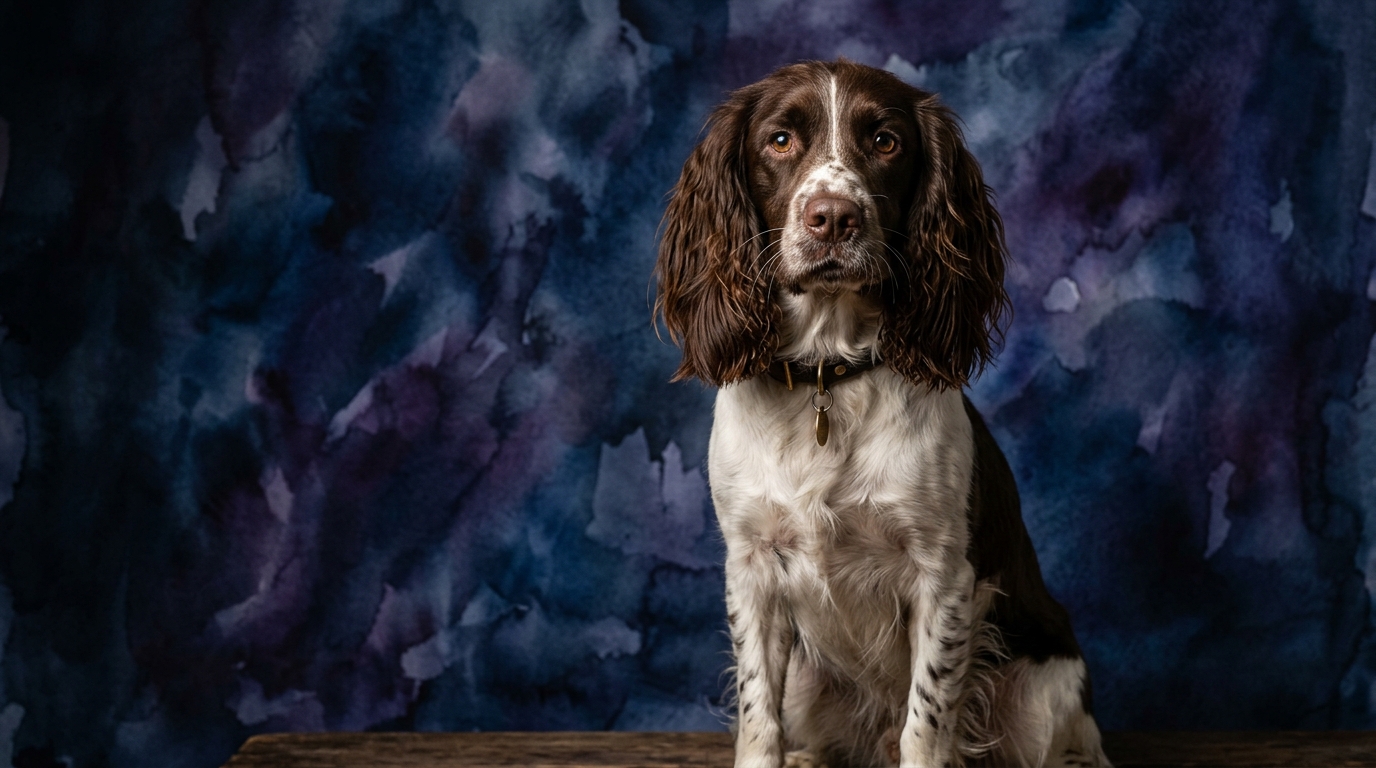
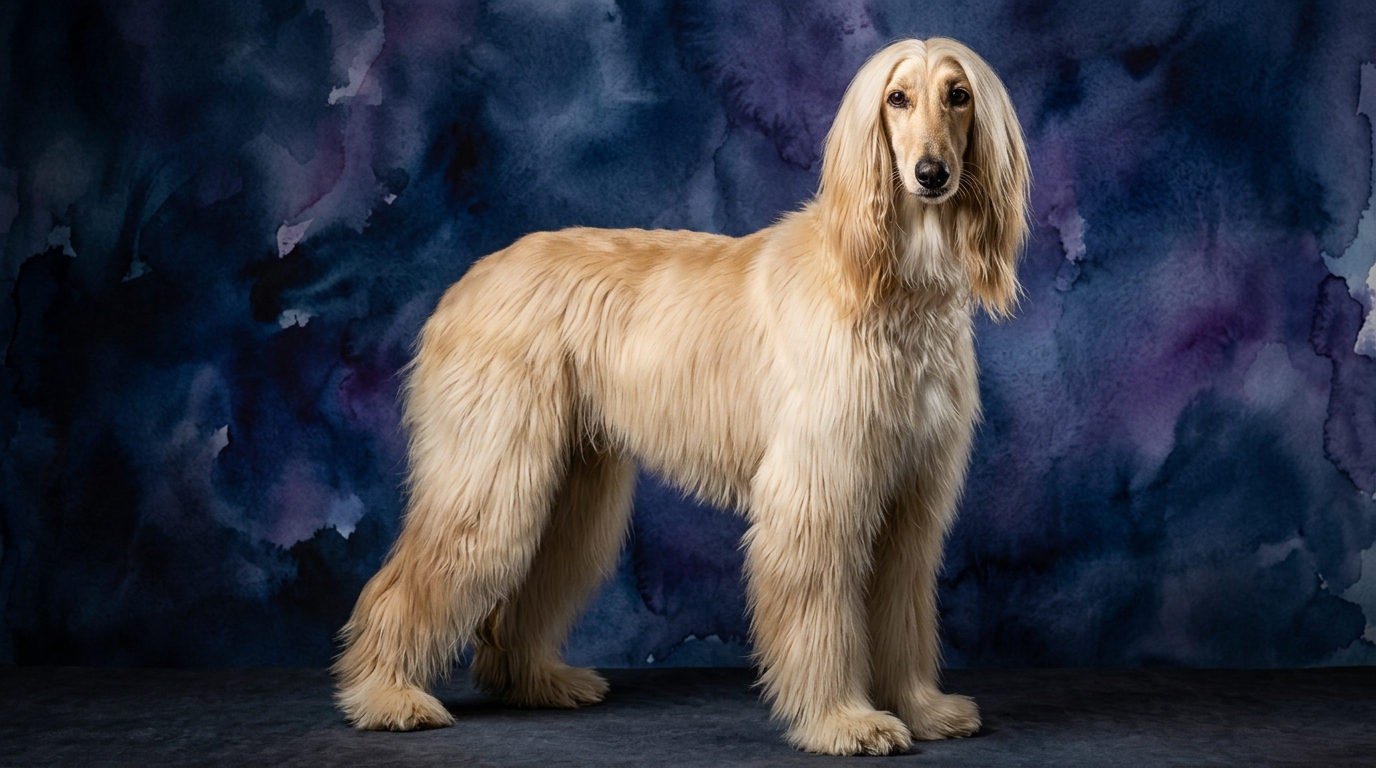
Side-by-Side IQ Profile: English Springer Spaniel vs. Afghan Hound
The Cosmic Pet Pet IQ Lab's assessment offers a granular look at the cognitive strengths of these two distinct breeds. For the English Springer Spaniel, their Problem Solving is rated 4/5, indicating a robust capacity for navigating complex scenarios, often excelling in tasks requiring sequential steps, spatial reasoning, or adapting to changing environmental cues. Their ability to strategize and learn from both successes and failures is a hallmark of their working heritage, allowing them to efficiently locate game or solve multi-stage puzzles. Their Training Speed is an exceptional 5/5, meaning they absorb new commands, routines, and intricate behavioral sequences with remarkable alacrity. This inherent eagerness to cooperate and strong desire to please their handler makes them incredibly quick learners, often mastering complex tasks in very few repetitions, making them a joy for active training enthusiasts. Social Intelligence stands at 4/5; they are highly attuned to human cues, vocal inflections, and subtle body language, typically forming strong, responsive bonds and deeply engaged with their owner's emotions and intentions. This acute social awareness fuels their cooperative nature, enabling seamless communication and making them excellent companions in diverse family settings. An Instinctive Drive of 5/5 highlights their profoundly powerful and channel-able drive for retrieving, flushing game, and intricate scent work; their instincts are exceptionally strong and persistent. This intense focus, determination, and stamina are fundamental to their traditional roles in the field and provide ample, intrinsic motivation for engagement in various canine sports and activities. Finally, their Memory is rated 4/5, demonstrating a robust and reliable capacity to consistently retain learned behaviors, complex command sequences, and environmental associations over extended periods. This cognitive strength supports their consistent performance in demanding tasks and underpins their reputation for versatility and dependable execution.
In contrast, the Afghan Hound presents a unique cognitive blueprint. Their Problem Solving is also rated 4/5, surprisingly sharing a similar capacity with the Springer, indicating a keen ability to independently assess situations and devise solutions. However, their application of this skill is often profoundly driven by self-interest, immediate environmental stimuli, or their strong sighthound instincts rather than a desire for handler cooperation or approval. Their Training Speed is a stark 1/5, reflecting their profound independence, inherent self-reliance, and low desire to please, which often translate into an exceptionally slow training speed. They require extensive patience, highly targeted positive reinforcement, and a deep understanding of their unique motivations to even consider learning and consistently performing new commands. Social Intelligence is 2/5; Afghan Hounds tend to be more reserved, dignified, and less overtly demonstrative in their social interactions compared to many breeds, particularly outside their immediate family circle. While they form deep, loyal bonds with their families, their social awareness often manifests as a stately aloofness rather than an eagerness to engage in complex social games or constant, effusive interaction. Like the Springer, their Instinctive Drive is 5/5, profoundly strong and singularly focused, rooted in their ancient sighthound heritage of chasing and hunting by sight across vast, open landscapes. This drive is a powerful, almost primal force that governs much of their behavior, often overriding other considerations when a suitable 'prey' (or any fast-moving object) is spotted. Their Memory is rated 3/5, indicating a functional capacity to recall important locations, established routines, and the consequences of past actions. However, this memory may not be as readily applied to handler-initiated training sequences or as consistently reinforced by social feedback compared to breeds with higher social intelligence and a stronger motivation to cooperate.
Where the English Springer Spaniel Wins Cognitively
The English Springer Spaniel distinctly excels over the Afghan Hound in cognitive domains centered around active cooperation, rapid skill acquisition, and sustained handler-oriented focus. Their perfect 5/5 Training Speed is a monumental advantage, signifying that a Springer will internalize new commands and complex routines with significantly fewer repetitions and much greater enthusiasm than an Afghan. This exceptional trainability is profoundly bolstered by their 4/5 Social Intelligence, which allows them to keenly interpret human intentions, vocal cues, and subtle body language, fostering a remarkably strong and intuitive working partnership. While both breeds score 4/5 in Problem Solving, the Springer's problem-solving acumen is consistently deployed in service of their handler's goals, making them adept at intricate tasks like complex scent discrimination, multi-stage retrieving, or navigating agility courses with precision. Their robust 4/5 Memory ensures these learned skills and associations are retained consistently and reliably, solidifying their reputation as versatile, dependable working dogs across diverse disciplines and environments.
Where the Afghan Hound Wins Cognitively
While the Afghan Hound's cognitive profile might not align with conventional metrics of obedience, their strengths lie in a profound, almost ancient independence and a distinct application of their high 5/5 Instinctive Drive. Both breeds share an impressive 4/5 Problem Solving score, yet the Afghan Hound’s problem-solving ability is often self-directed and honed by centuries of needing to make autonomous decisions across vast, challenging hunting terrains without constant human intervention. This inherent capacity to independently assess situations, strategize, and act decisively on their own initiative, driven by their powerful sight-hunting instincts, represents a unique cognitive advantage for specific tasks requiring self-reliance. Their lower Social Intelligence (2/5) isn't a deficit in their own context, but rather a reflection of a different cognitive priority: less emphasis on human-centric social cues and more on acute environmental awareness, self-preservation, and independent action. This makes them exceptional at tasks demanding sustained, independent focus, particularly those involving visual tracking over long distances where a handler's input might be minimal or delayed, showcasing a formidable, self-sufficient intellect.
Which is Easier to Train and Why
Without question, the English Springer Spaniel is considerably easier to train, a fundamental difference primarily attributable to their divergent scores in Training Speed and Social Intelligence. The Springer's perfect 5/5 Training Speed is a direct manifestation of their innate eagerness to cooperate and their powerful, intrinsic desire to please their human companions. They are highly motivated by positive reinforcement, praise, and the opportunity to engage, quickly forming strong associations between commands, desired actions, and rewarding outcomes. This rapid learning is further amplified by their 4/5 Social Intelligence, enabling them to keenly read and respond to handler cues with remarkable accuracy and enthusiasm. In stark contrast, the Afghan Hound's 1/5 Training Speed reflects their deep-seated independence, inherent self-reliance, and often aloof nature. While they possess a high Problem Solving score, their solutions are frequently self-serving rather than handler-oriented. Training an Afghan requires immense patience, understanding that they are less motivated by pleasing a human and more by what directly benefits them, demanding highly creative, consistent, and reward-driven positive reinforcement strategies to gently overcome their natural disinclination towards repetitive or perceived unnecessary instruction.
Which Suits Active Owners vs. Relaxed Owners
Both the English Springer Spaniel and the Afghan Hound possess a robust 5/5 Instinctive Drive, indicating a substantial need for both physical and mental engagement, which means neither breed is truly suited for purely relaxed, sedentary owners. However, the *nature* of that required activity differs significantly, influencing owner compatibility. The English Springer Spaniel, with its high Social Intelligence and cooperative drive, thrives with active owners who enjoy interactive engagement: this includes retrieving games, agility training, advanced obedience work, and long, varied walks or runs where they can actively work *with* their owner. Their intense drive is best channeled through directed, collaborative activities. The Afghan Hound, while equally active and requiring considerable exercise, needs owners who profoundly understand and respect their independent, sighthound nature. They require ample space to run freely and safely in a securely fenced area, allowing them to express their powerful chasing instincts without restraint. While they enjoy walks, their activity might be more about independent exploration and bursts of speed rather than structured, human-centric play. Owners who appreciate a dignified, less overtly clingy companion but can provide extensive, safe opportunities for independent, vigorous exercise would find an Afghan Hound a fulfilling match.
The Verdict
Choose the English Springer Spaniel if you desire a highly cooperative, eager-to-please companion who excels in structured training, interactive activities, and forms a deeply responsive bond. They are ideal for active owners seeking a true working partner ready for diverse challenges.
Choose the Afghan Hound if you admire independent, dignified canines, appreciate their self-reliant problem-solving, and can provide extensive opportunities for independent running and mental stimulation without requiring constant, overt cooperation in training. They suit owners who respect a more aloof yet devoted companionship.
🧠 Find Your Pet's IQ Score
Our Pet IQ Lab assessment covers 25+ tests across 5 cognitive dimensions — personalized to your breed.
Take the Full IQ Test →Frequently Asked Questions
Is the Afghan Hound truly less intelligent than the English Springer Spaniel?
Not necessarily less intelligent, but their cognitive strengths are applied differently. The Afghan Hound's Coren rank of #79 reflects their independent nature and lower training speed, not a lack of problem-solving ability, which is rated equally high as the Springer's. Their intelligence is simply less directed towards human-centric cooperation.
Can an Afghan Hound be trained for advanced obedience or sports?
While challenging due to their low training speed and independent drive, Afghan Hounds can achieve advanced obedience or excel in certain sports like lure coursing or even some forms of agility with patient, consistent, and highly motivating training methods. It requires a deep understanding of their unique motivations and a willingness to adapt training styles.
How do their instinctive drives manifest differently in daily life?
The English Springer Spaniel's 5/5 instinctive drive typically manifests as an eagerness for retrieving, scent work, and flushing, often directed and channeled by their owner in games or tasks. The Afghan Hound's 5/5 drive, rooted in sighthound instincts, is more about chasing perceived prey over long distances, often requiring secure containment and careful management during walks to prevent bolting.