Side-by-Side IQ Profile
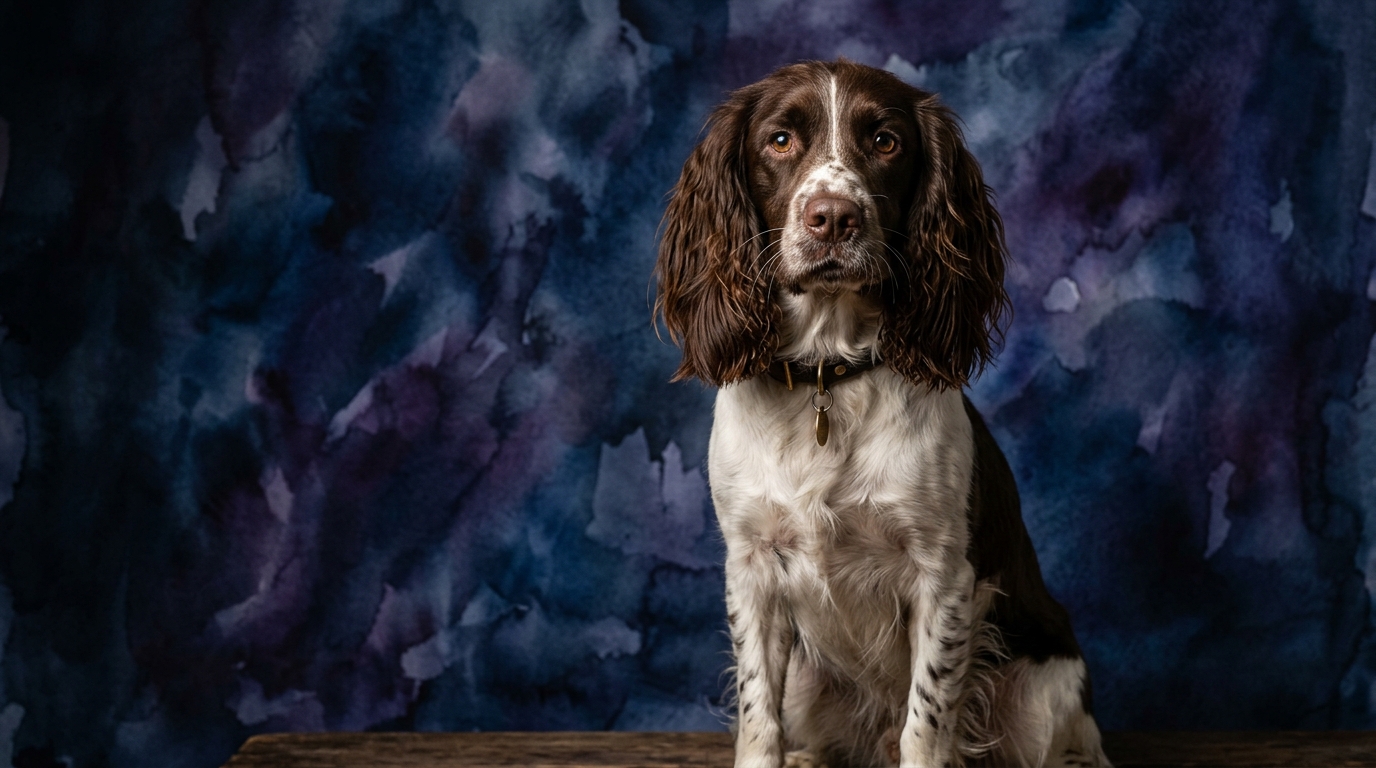
The Cosmic Pet Pet IQ Lab's framework offers a nuanced view of intelligence, moving beyond a single score to evaluate five distinct dimensions. For the English Springer Spaniel, ranked #13 by Coren, this profile includes a Problem Solving score of 4/5, indicating an adeptness at navigating novel situations and figuring out solutions. Their Training Speed is exceptional at 5/5, reflecting a quick grasp of new commands and a strong desire to cooperate. Social Intelligence, at 4/5, highlights their ability to interpret human cues and adapt their behavior accordingly, while their Instinctive Drive of 5/5 points to a powerful motivation to work and retrieve. Finally, a Memory score of 4/5 ensures they retain learned behaviors and information effectively.
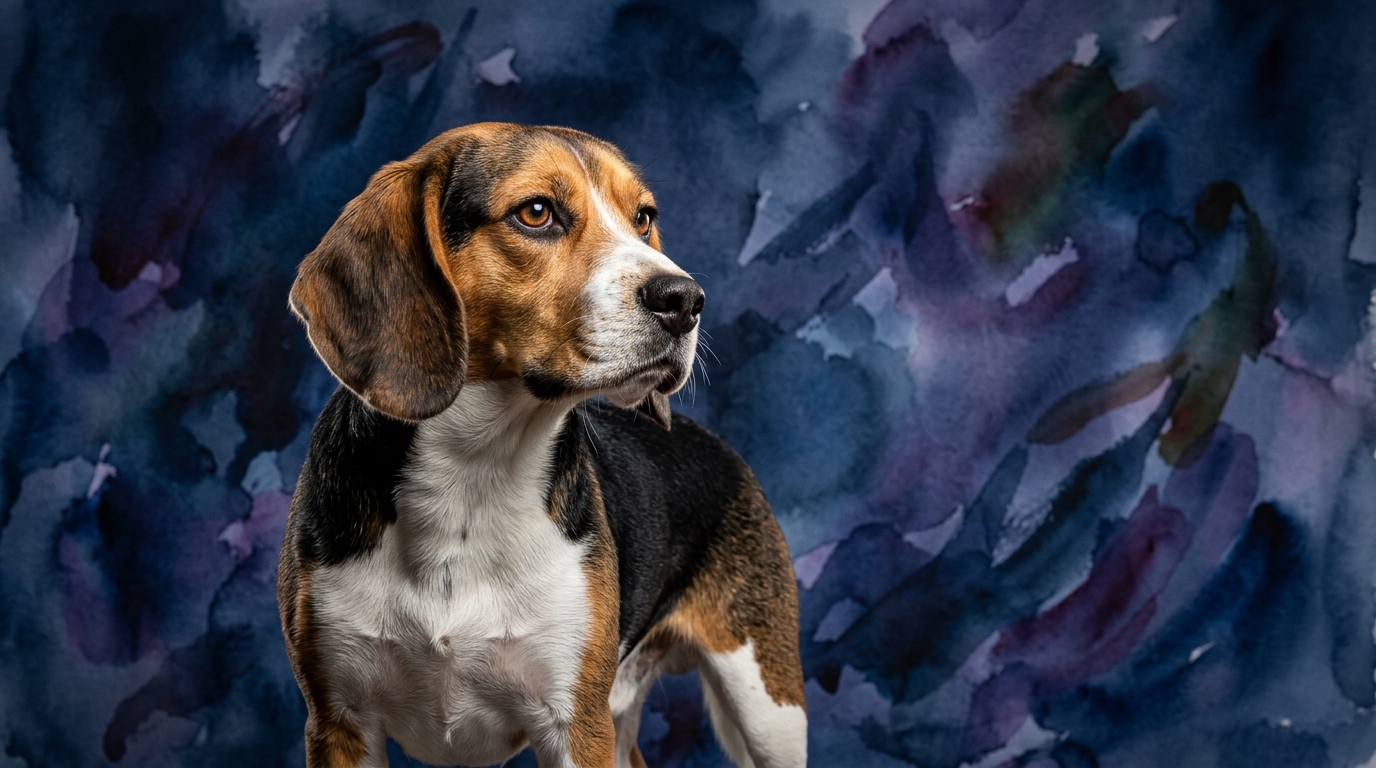
In contrast, the Beagle, with a Coren rank of #72, presents a different cognitive signature. They share the English Springer Spaniel's Problem Solving score of 4/5, though their approach often centers around olfactory challenges rather than broad abstract reasoning. Their Training Speed, however, is significantly lower at 2/5, indicating a more deliberate learning process often influenced by environmental distractions. Social Intelligence for the Beagle stands at 3/5; while friendly, their primary focus can often be on their nose rather than human interaction. Like the Springer, their Instinctive Drive is a robust 5/5, but this drive is almost exclusively directed towards scent tracking. A Memory score of 4/5 ensures they excel at remembering scent trails and established routines.
A direct comparison reveals interesting parallels and divergences. Both breeds possess substantial problem-solving capabilities and powerful instinctive drives, yet the application of these traits varies profoundly. While both can remember well, the English Springer Spaniel's superior training speed and social intelligence mark a significant difference in their interaction with and responsiveness to human guidance, directly contrasting with the Beagle's more independent, scent-driven approach to learning and interaction.
Where English Springer Spaniel Wins Cognitively
The English Springer Spaniel truly shines in dimensions that foster close partnership and rapid learning. Their Training Speed, a perfect 5/5, is a clear cognitive advantage, allowing them to absorb complex commands and routines with remarkable efficiency. This speed isn't just about repetition; it's rooted in their inherent eagerness to please and their strong focus on human interaction, making them highly receptive to instruction. This predisposition for quick learning means they can master a wide array of tasks, from advanced obedience to intricate scent detection for sporting purposes, in a relatively short timeframe.
Further bolstering their cognitive edge in a human-centric world is their Social Intelligence, rated at 4/5. This higher score indicates a superior ability to read and respond to human emotions, intentions, and body language. An English Springer Spaniel is more likely to anticipate an owner's wishes or understand subtle cues, making them exceptionally attuned companions. This cognitive empathy facilitates a smoother training process and deeper bond, as they actively seek to understand and comply with human directives, a trait directly linked to their Sporting group heritage of working closely with handlers.
Where Beagle Wins Cognitively
While the English Springer Spaniel excels in cooperative learning, the Beagle's unique cognitive strengths lie in their unparalleled olfactory prowess and the problem-solving skills derived from it. Their Instinctive Drive, a perfect 5/5, is almost entirely dedicated to scent, making them masters of the olfactory world. This isn't just about sniffing; it's a sophisticated cognitive process involving discrimination, tracking, and interpreting complex scent information, often over long distances and varied terrains. Their 4/5 Problem Solving score, when viewed through the lens of scent work, means they are exceptionally capable of solving intricate scent puzzles, navigating environmental challenges to locate a source, and meticulously following a trail.
This specialized cognitive ability allows Beagles to excel in tasks that demand independent, persistent scent detection, a legacy of their Hound group ancestry. They demonstrate a remarkable capacity for focus and perseverance when engaged in scent-driven activities, filtering out other distractions to concentrate solely on their primary sensory input. This intense focus, while sometimes a challenge in obedience training, is a profound cognitive asset in their natural domain, showcasing a specific type of intelligence that prioritizes sensory processing and autonomous exploration over human-directed tasks.
Which is Easier to Train and Why
Based on their IQ profiles, the English Springer Spaniel is unequivocally easier to train than the Beagle. The Springer's Training Speed of 5/5 combined with their Social Intelligence of 4/5 creates a highly trainable canine. They possess an innate desire to engage with their handler, quickly understand what is being asked of them, and are motivated by praise and cooperative activities. Their attention is generally focused on their human companion, making it simpler to introduce new commands and reinforce desired behaviors consistently.
In stark contrast, the Beagle's Training Speed of 2/5 reflects the challenges inherent in their training. Their powerful 5/5 Instinctive Drive, specifically for scent, means their nose often dictates their priorities, easily overriding human commands or intentions. A fascinating scent trail in the environment can render a Beagle temporarily "deaf" to their owner, making consistent focus during training a significant hurdle. While they are capable of learning, their independent nature and profound sensory focus require immense patience, high-value rewards, and a deep understanding of their breed-specific motivations. Their lower social intelligence score of 3/5 further indicates that they may not always prioritize human cues over their own sensory exploration.
Which Suits Active Owners vs Relaxed Owners
Both English Springer Spaniels and Beagles are active breeds, but the nature of their activity needs differs significantly, making them suitable for different types of active owners, and neither truly fitting a "relaxed" owner. An English Springer Spaniel is an excellent match for active owners who enjoy engaging in a variety of structured activities with their dog. Their high Training Speed and Social Intelligence mean they thrive on learning and participating in sports like agility, flyball, competitive obedience, or field trials. They need an owner who can provide consistent mental challenges alongside vigorous physical exercise, engaging them in activities that leverage their cooperative nature and retrieving drive, making them ideal for owners who want a canine teammate for adventures and training.
A Beagle also requires a highly active owner, but one who understands and respects their profound scent drive. This means an owner prepared for long walks or hikes where the Beagle can indulge their nose, or who is willing to engage in dedicated scent work, tracking, or earthdog trials. Their activity isn't always about human-directed tasks; it's about providing outlets for their innate drive to explore the world through scent. Relaxed owners, meaning those who prefer minimal daily exercise or passive companionship, would likely find both breeds challenging. However, a relaxed owner would particularly struggle with a Beagle's independent, scent-driven wanderlust and the consistent effort required to manage their often-single-minded pursuit of a smell.
The Verdict
Choose an English Springer Spaniel if you are an active individual or family seeking a highly trainable, cooperative, and socially attuned partner for diverse activities, who will thrive on mental engagement and human collaboration. This breed excels when given a "job" that involves working alongside their owner, making them ideal for those who enjoy competitive dog sports, advanced obedience, or extensive outdoor adventures.
Opt for a Beagle if you appreciate an independent spirit, are prepared for consistent and creative training to manage a powerful, scent-driven instinct, and are eager to provide outlets for their exceptional olfactory skills through tracking, scent games, or ample opportunities for sniffing exploration. This breed is best for owners who are patient, understand the unique challenges of a hound's independent nature, and enjoy a dog whose primary joy comes from following their nose.
🧠 Find Your Pet's IQ Score
Our Pet IQ Lab assessment covers 25+ tests across 5 cognitive dimensions — personalized to your breed.
Take the Full IQ Test →Frequently Asked Questions
Are English Springer Spaniels good family dogs?
Yes, their social intelligence and eagerness to please make them adaptable family members, often forming strong bonds and enjoying participation in family activities. They generally interact well with children and other pets, provided they receive appropriate socialization and consistent training.
How much exercise does a Beagle need?
Beagles require significant daily exercise, often 60-90 minutes, to satisfy their strong instinctive drive and prevent boredom. This should include opportunities for sniffing and exploring, ideally in a secure, fenced area or on a long leash for scent tracking, to fulfill their innate needs.
Do English Springer Spaniels bark a lot?
English Springer Spaniels can be vocal, barking to alert, express excitement, or when bored or lonely. Consistent training, sufficient mental and physical stimulation, and addressing the root causes of their vocalizations can help manage excessive barking effectively.