Side-by-Side IQ Profile: Sporting vs. Herding Acumen
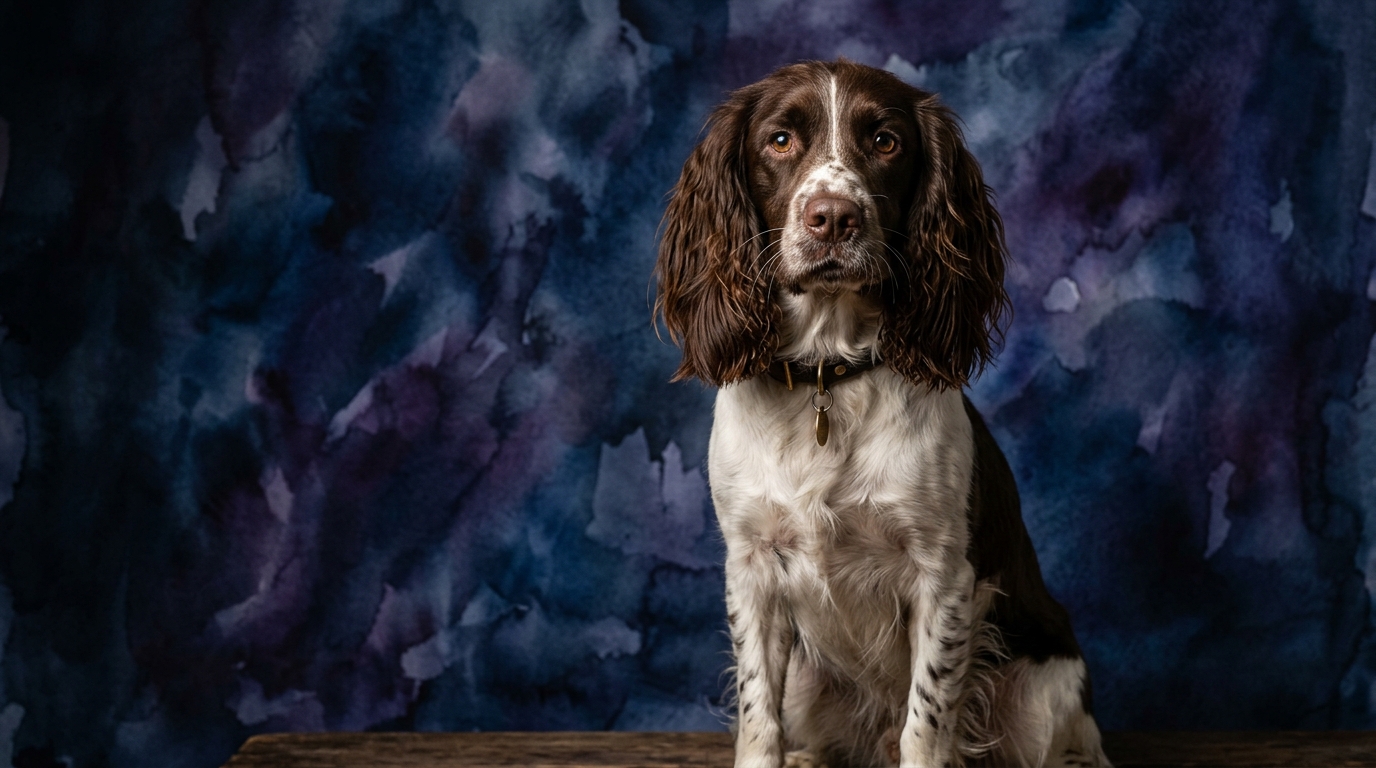
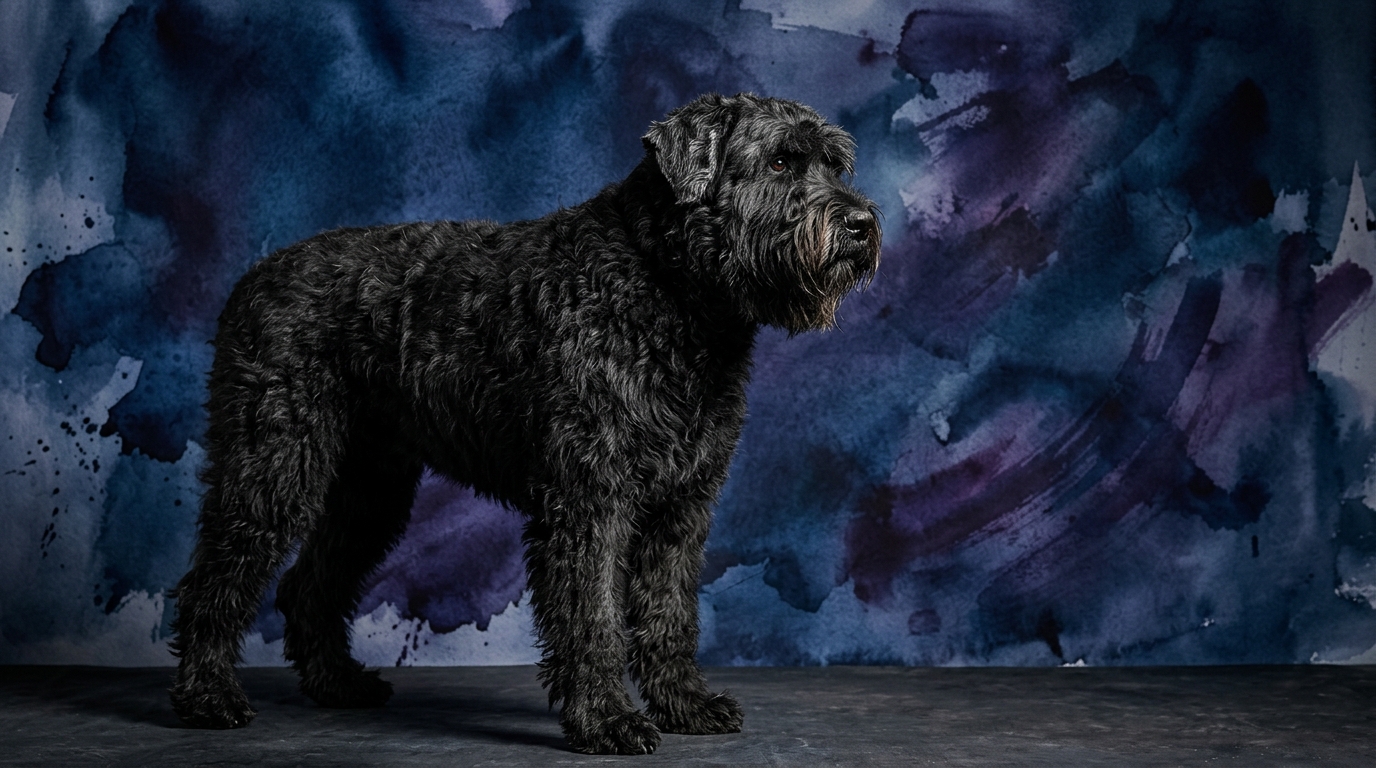
At The Cosmic Pet, we analyze canine intelligence across five key dimensions. The English Springer Spaniel, a Sporting breed, holds a notable Coren rank of #13, signifying a strong capacity for obedience and working intelligence. In contrast, the Bouvier des Flandres, a Herding breed, is not Coren-ranked, indicating a different, equally valuable, cognitive emphasis rooted in independent working styles rather than competitive obedience.
The English Springer Spaniel (ESS) demonstrates a Problem Solving score of 4/5, adept at navigating complex environments, such as strategically flushing game from dense cover. Their Training Speed is an exceptional 5/5, reflecting an eagerness to please and a rapid absorption of new commands, often mastering new cues in just a few repetitions. Social Intelligence for the ESS stands at 4/5, showing a keen attunement to human emotions and intentions, fostering cooperative partnerships. Their Instinctive Drive is a powerful 5/5, fueling their innate passion for scent work, retrieving, and active engagement. Finally, their Memory scores 4/5, indicating strong recall for learned commands, routines, and specific locations, retaining training over extended periods.
The Bouvier des Flandres (BdF) presents a distinct cognitive blueprint. Their Problem Solving rates 3/5; while capable, especially in real-world scenarios tied to their herding and guarding roles, they may not be as quick to solve abstract puzzles as an ESS. Training Speed for the Bouvier is 3/5, necessitating a patient, consistent approach due to their independent nature and strong will. Social Intelligence registers 3/5; they are observant and form deep bonds but can be more reserved and less overtly demonstrative than some breeds. Their Instinctive Drive is 3/5, manifesting as a focused protective and herding instinct, geared towards managing livestock or guarding territory with a watchful, often stoic demeanor. Their Memory is also 3/5, showing good retention of commands and routines, particularly those aligned with their innate roles, though less instinctual tasks may require more consistent reinforcement.
Where the English Springer Spaniel Wins Cognitively
The English Springer Spaniel's cognitive strengths shine in areas demanding quick adaptation and cooperative performance. Their superior Training Speed (5/5) means they acquire new commands and routines with remarkable rapidity, often picking up complex sequences in fewer repetitions than many other breeds. This makes them highly responsive to varied training methods and environments, thriving on the novelty and challenge.
Leveraging their high instinctive drive (5/5) and problem-solving skills (4/5), ESS dogs excel in complex scent work and retrieval tasks. They possess an innate ability to process olfactory information and strategize how to locate and retrieve items, making them exceptional partners for field trials, hunting, or even advanced scent detection games. Their social intelligence also contributes to faster, more overt social responsiveness, making them quicker to engage in cooperative games and more attuned to subtle human emotional shifts, which strengthens the human-canine bond in shared activities.
Furthermore, their memory (4/5) is particularly well-suited for performance-based activities. An ESS can recall intricate sequences of actions, crucial for success in competitive agility, obedience trials, or complex field work. This capacity for retaining detailed procedural memory allows them to execute multi-step commands flawlessly, often with a joyful precision that makes them a delight to train and observe.
Where the Bouvier des Flandres Wins Cognitively
The Bouvier des Flandres excels in a different realm of cognitive prowess, one rooted in independent judgment and steadfast reliability. Their strength lies in independent decision-making, particularly in situations requiring assessment without constant human instruction, which was vital for their historical roles in herding and guarding. This means they are less likely to panic and more likely to calmly evaluate a situation.
Bouviers possess superior situational awareness and an inherent ability to assess potential threats or changes within their environment, a hallmark of a protective breed. They are observant and discerning, often noticing subtle shifts in their surroundings that others might miss. This vigilance translates into a quiet confidence and an innate understanding of boundaries and territory, often requiring less specific training in these areas compared to breeds whose instinct is to range widely.
Their resilience and tenacity in completing tasks, even when challenging, are driven by their steadfast nature. Once a Bouvier understands the purpose of a task, they apply themselves with a determined focus that ensures thoroughness. While their social intelligence (3/5) may be less effusive, it is characterized by a profound, discerning loyalty. They form deep, unwavering bonds with their trusted companions, displaying a quiet understanding and commitment that is deeply felt by their family.
Which is Easier to Train and Why
When considering ease of training, the English Springer Spaniel generally holds an advantage due to their exceptional training speed (5/5) and innate eagerness to please. They are highly motivated by positive reinforcement, whether it's praise, toys, or treats, and they readily look to their human for direction. Their strong pack drive means they are often keen to cooperate and quickly generalize learned behaviors to new situations, making the training process feel like a shared, rewarding game. They thrive on interaction and excel at absorbing new information, often making rapid progress in obedience and trick training.
The Bouvier des Flandres, conversely, requires a more patient and consistent approach. Their independent problem-solving (3/5) and moderate training speed (3/5) mean they may sometimes question commands or take longer to internalize them. Bouviers are not inherently driven by a need to simply please; instead, they respond best to clear, firm, and fair leadership where they understand the purpose or logic behind a command. Repetitive training without a perceived goal can bore them, whereas an ESS might find the repetition itself rewarding. For a Bouvier, consistency, respect, and a trainer who understands their thoughtful, sometimes stubborn, nature are paramount for success, building a foundation of trust rather than mere compliance.
Which Suits Active Owners vs. Relaxed Owners
The English Springer Spaniel is an ideal match for active owners who can provide substantial daily physical exercise and consistent mental stimulation. Their high instinctive drive (5/5) means they possess boundless energy and a persistent curiosity that needs an outlet. Long walks, runs, fetching games, and regular training sessions are not just beneficial but essential for their well-being. They are enthusiastic partners for active sports like agility, flyball, or field work, thriving on shared adventures and purposeful activity. An ESS needs an owner who embraces an active lifestyle and is prepared to channel their energy into productive engagements.
The Bouvier des Flandres, while requiring regular exercise, is generally more suitable for owners who appreciate a calmer, more watchful companion, but still commit to consistent mental engagement and purposeful activity. While not possessing the frantic energy bursts of some sporting breeds, a Bouvier needs daily walks and training to satisfy their working heritage and protective instincts. They are less prone to restlessness indoors but still require a 'job' or a clear routine to feel fulfilled and balanced. Their protective nature means they are often content observing their surroundings, but this quiet vigilance still demands an owner who can provide confident leadership, structure, and a sense of purpose, ensuring their physical and mental needs are met without necessarily requiring constant high-impact activity.
The Verdict: When to Choose Each Breed
The Verdict
If you seek an endlessly enthusiastic, highly trainable companion eager to participate in active sports, complex scent work, or frequent outdoor adventures, the English Springer Spaniel is an exceptional choice.
Opt for the Bouvier des Flandres if you appreciate a steadfast, discerning, and independently minded protector who thrives on purpose, clear boundaries, and a calm, confident handler.
🧠 Find Your Pet's IQ Score
Our Pet IQ Lab assessment covers 25+ tests across 5 cognitive dimensions — personalized to your breed.
Take the Full IQ Test →Frequently Asked Questions
Are English Springer Spaniels good with children?
Generally, yes. Their social intelligence (4/5) and playful nature make them wonderful family dogs, often patient and interactive with children, especially when well-socialized from a young age. Supervision is always recommended with any dog and child to ensure safe interactions for both.
Do Bouvier des Flandres shed a lot?
Bouviers have a dense, harsh double coat that sheds moderately, but it requires regular grooming to prevent matting. Weekly brushing and professional stripping or clipping every few months are essential to maintain their coat health and minimize loose hair around the home.
Which breed is better for first-time dog owners?
The English Springer Spaniel's eagerness to please and high training speed (5/5) often make them a more forgiving and rewarding choice for first-time owners willing to commit to their exercise needs. The Bouvier's independent streak and need for strong, consistent leadership can be more challenging for an inexperienced owner who may struggle to establish the necessary authority.