Side-by-Side Cognitive Profiles
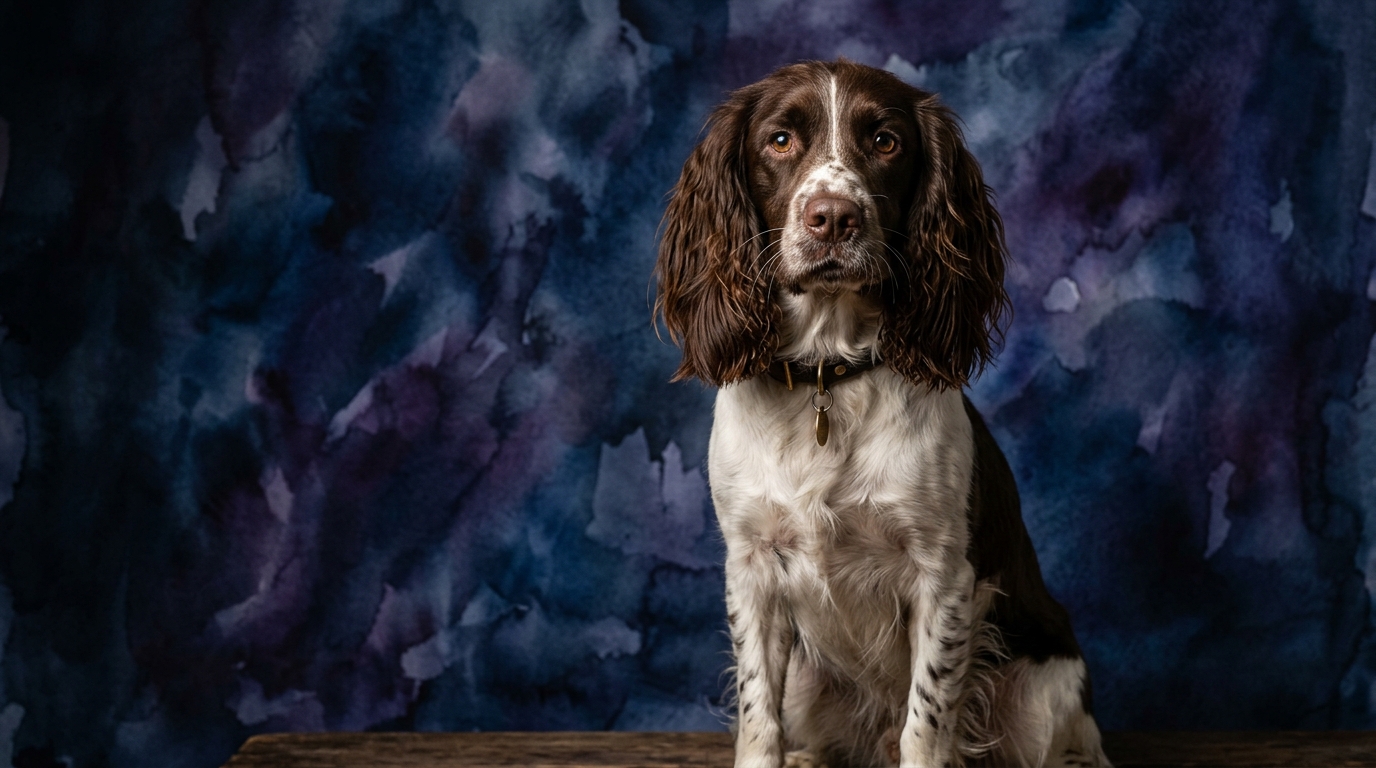
The Cosmic Pet Pet IQ Lab provides a structured view of canine cognition across five key dimensions. The English Springer Spaniel, ranking 13th on the Coren scale, demonstrates a balanced yet eager cognitive makeup: their Problem Solving aptitude is a solid 4/5, indicating an ability to navigate complex situations effectively. Their Training Speed stands out at an impressive 5/5, reflecting a strong desire to learn and respond to cues. Social Intelligence is rated 4/5, suggesting a keen awareness of human and canine social dynamics. An Instinctive Drive of 5/5 highlights their powerful, inherent urge to perform breed-specific tasks, and their Memory is also a robust 4/5, allowing for excellent retention of commands and experiences.
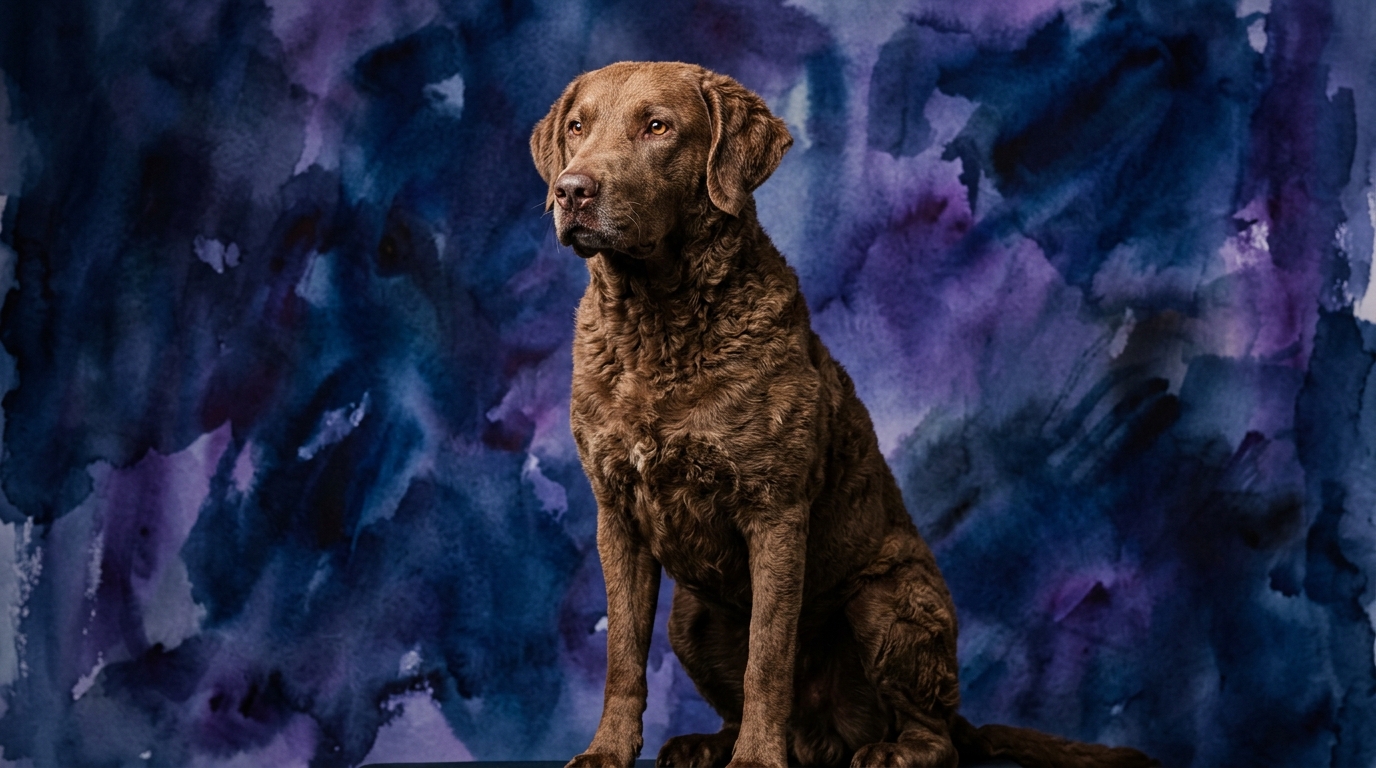
In contrast, the Chesapeake Bay Retriever, positioned at Coren rank 27, presents a more rugged and independent cognitive profile. Their Problem Solving skill matches the Springer at 4/5, showing an equal capacity for figuring things out. However, their Training Speed is a respectable 4/5, indicating they learn readily but perhaps with a touch less immediate enthusiasm than the Springer. Social Intelligence comes in at 3/5, suggesting a more reserved or selective approach to social interactions. Their Instinctive Drive is 3/5, present but potentially less overpowering than in the Springer, allowing for a more deliberate approach to tasks. Finally, their Memory is also a strong 4/5, ensuring they retain learned behaviors and information over time.
Where the English Springer Spaniel Excels Cognitively
The English Springer Spaniel truly shines in areas that demand quick comprehension and social engagement. Their superior Training Speed (5/5) means they grasp new commands and routines with remarkable alacrity, often seeming to anticipate their handler's next move. This rapid learning curve is a direct result of their eagerness to please and their strong focus on human interaction, making them highly receptive to instruction from an early age. Furthermore, their higher Social Intelligence (4/5) allows them to adapt seamlessly to diverse environments and interact gracefully with various individuals and other animals. They are more likely to pick up on subtle human body language and vocal inflections, which translates into a more nuanced and collaborative working relationship. This cognitive strength makes them exceptionally versatile companions, capable of thriving in dynamic family settings, competitive obedience, or demanding field work where precise, rapid responses are paramount.
Where the Chesapeake Bay Retriever Excels Cognitively
The Chesapeake Bay Retriever's cognitive strengths lie in their robust independence and methodical problem-solving, particularly in challenging environments. While their Instinctive Drive is rated 3/5 compared to the Springer's 5/5, this doesn't imply a lack of drive, but rather a more self-reliant application of it. This slightly lower drive, combined with their 4/5 Problem Solving and 4/5 Memory, suggests a dog that is less prone to impulsive action and more inclined to assess situations before acting. They excel at figuring out complex retrieval scenarios on their own, often demonstrating a tenacity and determination to complete a task even when external cues are minimal. This self-sufficiency, coupled with their formidable physical resilience, makes them unmatched in navigating icy waters, dense cover, and retrieving game over long distances without constant handler intervention. Their mental fortitude allows them to maintain focus and execute tasks with a deliberate, unwavering resolve, making them exceptional partners for specific, demanding outdoor pursuits where self-reliance is a virtue.
Training Ease: A Tale of Two Temperaments
When it comes to training, the English Springer Spaniel generally presents an easier path for most owners due to their exceptional Training Speed (5/5) and higher Social Intelligence (4/5). They possess an innate desire to collaborate and please their human companions, making them highly responsive to positive reinforcement and eager to master new tasks. This inherent biddability means they often require fewer repetitions to solidify commands and are less likely to challenge authority. Their quick comprehension allows for a more fluid and enjoyable training experience, fostering a strong bond built on mutual understanding and cooperation. They thrive on engagement and praise, making them excellent candidates for advanced obedience, agility, and intricate field work where precision and responsiveness are key.
The Chesapeake Bay Retriever, while possessing a respectable Training Speed of 4/5, can present more of a challenge due to their lower Social Intelligence (3/5) and more independent nature. They learn effectively, but their reserved demeanor means they might not be as overtly eager to please or as quick to offer responses. This can sometimes be perceived as stubbornness, though it's more accurately a reflection of their self-reliant cognitive style. Training a Chesapeake requires patience, consistency, and a deep understanding of their unique personality. They respond best to fair, firm, and consistent methods, appreciating clear boundaries and logical consequences. Owners must earn their respect and trust, and once established, a Chesapeake will work tirelessly for their chosen human, demonstrating a profound loyalty and dedication that is earned rather than freely given.
Matching Breeds to Lifestyles: Active vs. Engaged Owners
For the active owner seeking a highly interactive and engaged companion, the English Springer Spaniel is often an ideal match. Their boundless energy and strong Instinctive Drive (5/5) demand regular, vigorous exercise and mental stimulation, making them perfect for individuals or families who enjoy hiking, running, dog sports like agility or flyball, or traditional hunting. They thrive on being an integral part of daily activities and will eagerly participate in any adventure. Their high social intelligence also means they adapt well to various family dynamics and social outings, making them excellent travel companions or therapy dogs. They need an owner who can commit to fulfilling their need for both physical exertion and consistent mental work, preventing boredom and channeling their energetic cognitive output positively.
The Chesapeake Bay Retriever also requires an active owner, but one who appreciates a more rugged, self-sufficient, and perhaps less overtly demonstrative partner. Their robust physical and mental stamina makes them superb for dedicated outdoor enthusiasts, serious hunters, or those involved in demanding search and rescue work. While they need extensive daily exercise, their lower social intelligence (3/5) means they might not constantly seek human interaction in the same way a Springer does; they are content to work alongside their owner rather than always being the center of attention. They suit individuals who are confident, consistent, and appreciate a dog that can think for itself in challenging situations. This breed is best for owners who understand and respect their independent spirit and can provide a structured environment that channels their impressive drive and problem-solving skills effectively.
The Verdict
Choose the English Springer Spaniel if you seek a highly biddable, socially adaptable companion eager to learn and participate in every aspect of your active life, thriving on collaborative engagement and quick responses.
Opt for the Chesapeake Bay Retriever if you value an independent, resilient working dog with robust problem-solving skills, capable of enduring demanding outdoor conditions and offering a steadfast loyalty earned through consistent leadership and understanding.
🧠 Find Your Pet's IQ Score
Our Pet IQ Lab assessment covers 25+ tests across 5 cognitive dimensions — personalized to your breed.
Take the Full IQ Test →Frequently Asked Questions
Are English Springer Spaniels good with children?
English Springer Spaniels, with their 4/5 social intelligence and playful nature, can be wonderful family dogs. They generally interact well with children, especially when properly socialized and exercised, though supervision is always advised with any dog and young kids.
Do Chesapeake Bay Retrievers require a lot of grooming?
Chesapeake Bay Retrievers have a dense, oily double coat that is relatively low maintenance in terms of grooming. Regular brushing helps manage shedding and distribute natural oils, but their coat is designed for durability and weather resistance, not elaborate styling.
Which breed is better for first-time dog owners?
Given their 5/5 training speed and higher social intelligence, the English Springer Spaniel is generally a more forgiving and adaptable choice for first-time dog owners. Their eagerness to please makes the training process more straightforward and rewarding, fostering confidence in new handlers.