
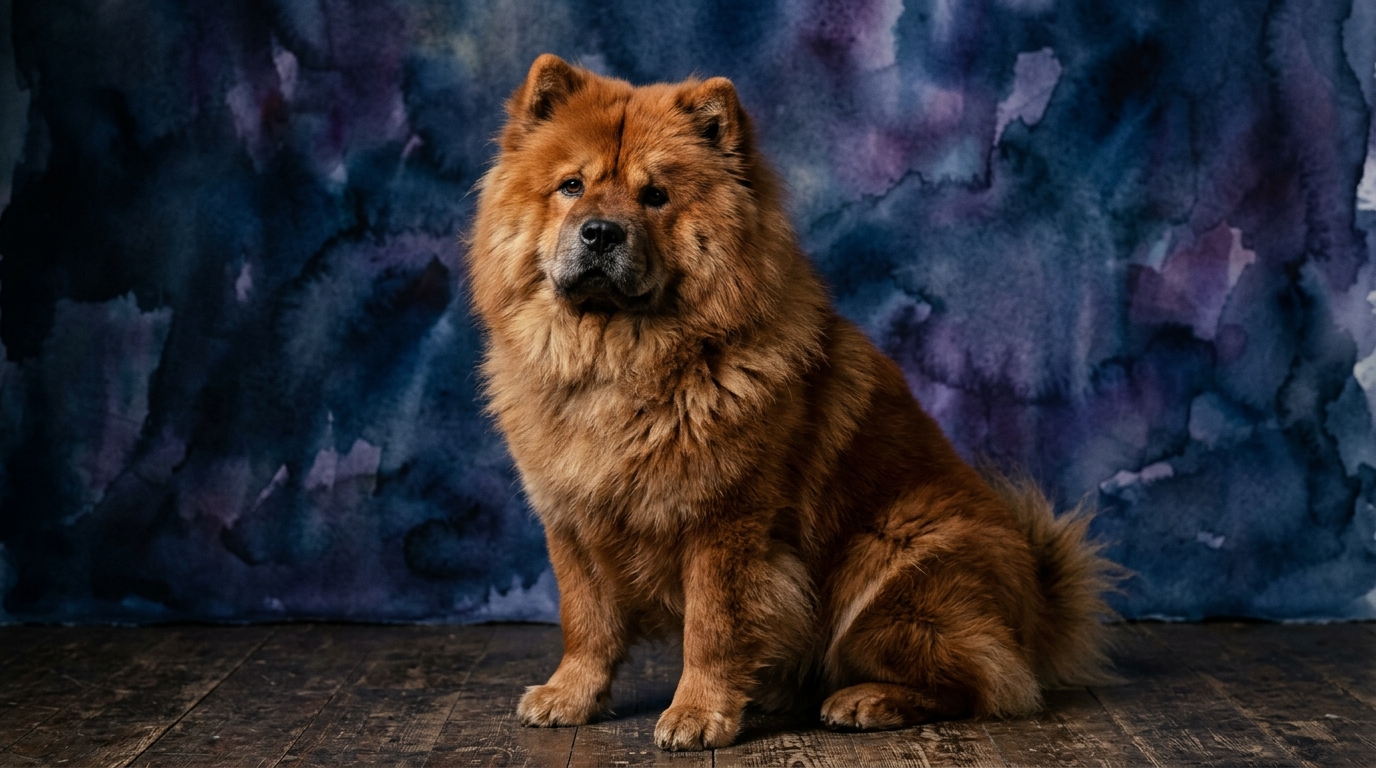
Side-by-Side IQ Profile: English Springer Spaniel vs. Chow Chow
The Cosmic Pet Pet IQ Lab provides a comprehensive framework for evaluating canine cognition across five key dimensions. For the English Springer Spaniel, a Sporting Group dog with a Coren rank of #13, their profile highlights a high capacity for engagement and cooperation.
**English Springer Spaniel IQ Profile:** Problem Solving 4/5: Adept at navigating complex environments and figuring out solutions to novel challenges, often showing initiative in task completion. Training Speed 5/5: Demonstrates exceptional eagerness and rapid assimilation of commands and routines, making them highly responsive to instruction. Social Intelligence 4/5: Possesses a strong capacity to interpret human cues and adapt behavior accordingly, fostering deep, cooperative bonds. Instinctive Drive 5/5: Exhibits a powerful inherent drive for work, particularly retrieving and tracking, channeling their natural predispositions into purposeful action. Memory 4/5: Retains learned behaviors, commands, and spatial information effectively over time, contributing to their consistent performance.
In contrast, the Chow Chow, a Non-Sporting Group dog with a Coren rank of #76, displays a cognitive profile emphasizing independence and a more reserved interaction style. Their scores reflect a distinct approach to problem-solving and social engagement.
**Chow Chow IQ Profile:** Problem Solving 3/5: Approaches new situations with a more measured, independent thought process; they can solve problems but may take a less direct, more self-reliant route. Training Speed 3/5: Learns at a moderate pace, often requiring consistent, patient reinforcement due to their independent nature and sometimes selective engagement. Social Intelligence 3/5: Interacts with humans and other animals on their own terms, often displaying a reserved demeanor and interpreting social cues with a unique, self-possessed perspective. Instinctive Drive 3/5: While possessing guarding instincts, their overall drive for cooperative tasks or highly active pursuits is moderate, favoring calm observation over relentless engagement. Memory 3/5: Retains information adequately, though their independent streak means they might choose whether or not to apply learned behaviors based on their own assessment of the situation.
Where the English Springer Spaniel Wins Cognitively
The English Springer Spaniel demonstrates a pronounced cognitive edge in areas demanding active engagement and cooperative effort. Their 5/5 score in Training Speed is a clear indicator of their exceptional receptiveness to human instruction; they grasp new commands and routines with remarkable swiftness, eager to please and to participate in structured activities. This rapid learning curve is complemented by a 4/5 in Problem Solving, allowing them to not only understand tasks but also to adapt and innovate when faced with obstacles, such as figuring out how to retrieve an object from a tricky spot or navigating a complex scent trail.
Their 4/5 Social Intelligence means they excel at reading human body language and vocal tones, fostering a highly communicative partnership that makes them particularly attuned to their handler's desires. Furthermore, an Instinctive Drive of 5/5 underscores their innate desire to work alongside humans, specifically in tasks requiring focused attention and endurance, like scent work or retrieving. This combination of traits makes them incredibly versatile and adaptable, thriving in environments where their cognitive abilities are regularly challenged through interactive tasks and training.
Where the Chow Chow Wins Cognitively
While the Chow Chow's cognitive profile differs significantly from the Springer Spaniel's, it reveals a distinct set of strengths rooted in their independent and self-reliant nature. Their 3/5 score in Social Intelligence, rather than indicating a deficiency, reflects a selective and discerning approach to interaction; they form deep bonds with their chosen few but maintain a dignified reserve with others, processing social cues through a lens of self-possession. This translates into a dog that isn't overly dependent on constant human direction, making decisions based on their own assessment, which can be a cognitive advantage in situations requiring independent thought.
Their 3/5 in Problem Solving often manifests as a calm, deliberate approach to challenges; they may not rush to a solution but will thoughtfully consider their options, often preferring to observe and strategize. The Chow Chow's Instinctive Drive, also rated 3/5, is strongly channeled into guarding and territorial awareness, demonstrating a keen sense of their surroundings and a cognitive capacity for vigilance. This intrinsic drive is not for cooperative tasks but for protective observation, showcasing a different form of applied intelligence centered on security and self-sufficiency. Their memory, at 3/5, is sufficient for retaining important routines and boundaries, contributing to their consistent, if sometimes stubborn, adherence to established household norms.
Which is Easier to Train and Why
When considering ease of training, the English Springer Spaniel presents a significantly more straightforward experience. Their exceptional 5/5 Training Speed means they absorb commands and routines with remarkable rapidity, often eager to perform and receive positive reinforcement. Their 4/5 Social Intelligence allows them to quickly understand and respond to human cues, making communication highly effective. This breed's powerful 5/5 Instinctive Drive for cooperative work means they are inherently motivated to engage in structured activities with their handler; teaching them to retrieve often feels like channeling an existing inclination.
Conversely, the Chow Chow's training journey requires a different approach. Their 3/5 Training Speed indicates they learn at a moderate pace and may not always be as eager to comply, requiring greater patience and consistency. Their 3/5 Social Intelligence means they may interpret human directives through a more self-reliant filter, sometimes choosing to obey only if they perceive value in the command. Their Instinctive Drive, also 3/5, is primarily oriented towards guarding rather than active, cooperative tasks, meaning training focuses on building trust and respect through positive reinforcement and short, engaging sessions.
Which Suits Active Owners vs. Relaxed Owners
The choice between these two breeds largely hinges on an owner's lifestyle. The English Springer Spaniel is an ideal match for active owners who relish outdoor adventures and enjoy engaging their dog in structured activities. Their 5/5 Instinctive Drive and high Problem Solving (4/5) mean they thrive on physical and mental stimulation, excelling in dog sports. These dogs require consistent exercise, daily walks, and opportunities to use their abilities. An owner who can dedicate time to training, exploration, and interactive play will find a highly cooperative companion, whose Social Intelligence (4/5) ensures deep family integration.
In contrast, the Chow Chow is better suited for owners who appreciate a more relaxed, independent companion and are comfortable with a dog that values personal space. Their moderate Instinctive Drive (3/5) and lower Social Intelligence (3/5) mean they do not demand constant attention or vigorous activity. While requiring regular, moderate exercise, their preference leans towards calm observation and quiet companionship. Owners who understand and respect a Chow Chow's reserved nature, valuing their dignified presence and loyal, albeit selective, affection, will find a suitable companion content with a predictable routine and a calm environment.
The Verdict
Choose the English Springer Spaniel if you seek an active, highly trainable companion eager for cooperative tasks, outdoor adventures, and a strong partnership built on mutual engagement and swift learning. Their innate drive and social intelligence make them a joy for dedicated trainers and active families.
Opt for the Chow Chow if you prefer a dignified, independent companion that offers reserved affection and requires moderate exercise, appreciating a calm home environment. They are best for patient owners who value a dog's self-possessed nature and are prepared for a training approach focused on respect and consistency.
🧠 Find Your Pet's IQ Score
Our Pet IQ Lab assessment covers 25+ tests across 5 cognitive dimensions — personalized to your breed.
Take the Full IQ Test →Frequently Asked Questions
Is an English Springer Spaniel harder to care for than a Chow Chow?
While both require grooming, the English Springer Spaniel generally demands more active engagement and mental stimulation due to its higher drive and cognitive energy. A Chow Chow typically needs less strenuous exercise but requires consistent socialization and boundary setting due to its independent nature.
Do Chow Chows make good family pets despite their lower social intelligence score?
Yes, Chow Chows can be devoted family pets, especially when raised with consistent socialization and clear boundaries from puppyhood. Their 3/5 social intelligence indicates selectivity, meaning they often form deep bonds with their immediate family but may be reserved with strangers, requiring careful introductions.
What specific activities would an English Springer Spaniel excel at?
Given their 5/5 instinctive drive and 4/5 problem-solving, English Springer Spaniels excel in activities like scent work, field trials, agility, obedience competitions, and retrieving games. Their cognitive profile makes them adept at tasks requiring focus, endurance, and cooperation.