Side-by-Side Cognitive Profiles
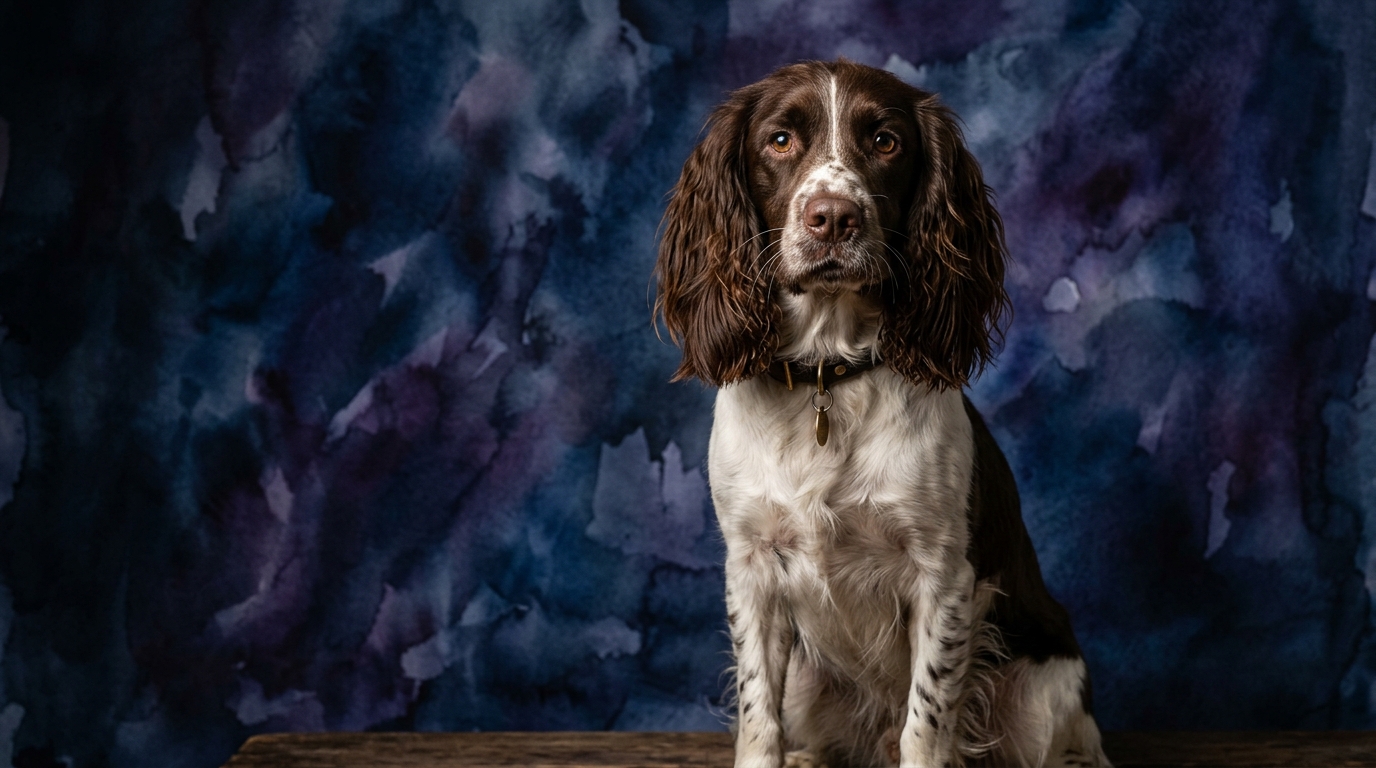
**English Springer Spaniel**: A member of the Sporting group, the English Springer Spaniel boasts a Coren rank of #13, indicating a breed that generally excels in obedience and working intelligence. Their Problem Solving is rated 4/5, reflecting an aptitude for navigating complex environments and executing multi-step tasks, particularly those involving scent work and retrieval. Training Speed at 5/5 highlights their remarkable ability to quickly grasp and retain new commands, eager to engage in cooperative learning. With a Social Intelligence of 4/5, they are keenly perceptive of human emotions and intentions, fostering strong, responsive partnerships. An Instinctive Drive of 5/5 underscores their powerful natural inclination for flushing and retrieving game, coupled with an unwavering focus on their handler's cues. Finally, their Memory at 4/5 ensures they recall intricate sequences and learned behaviors with impressive consistency, vital for their historical roles.
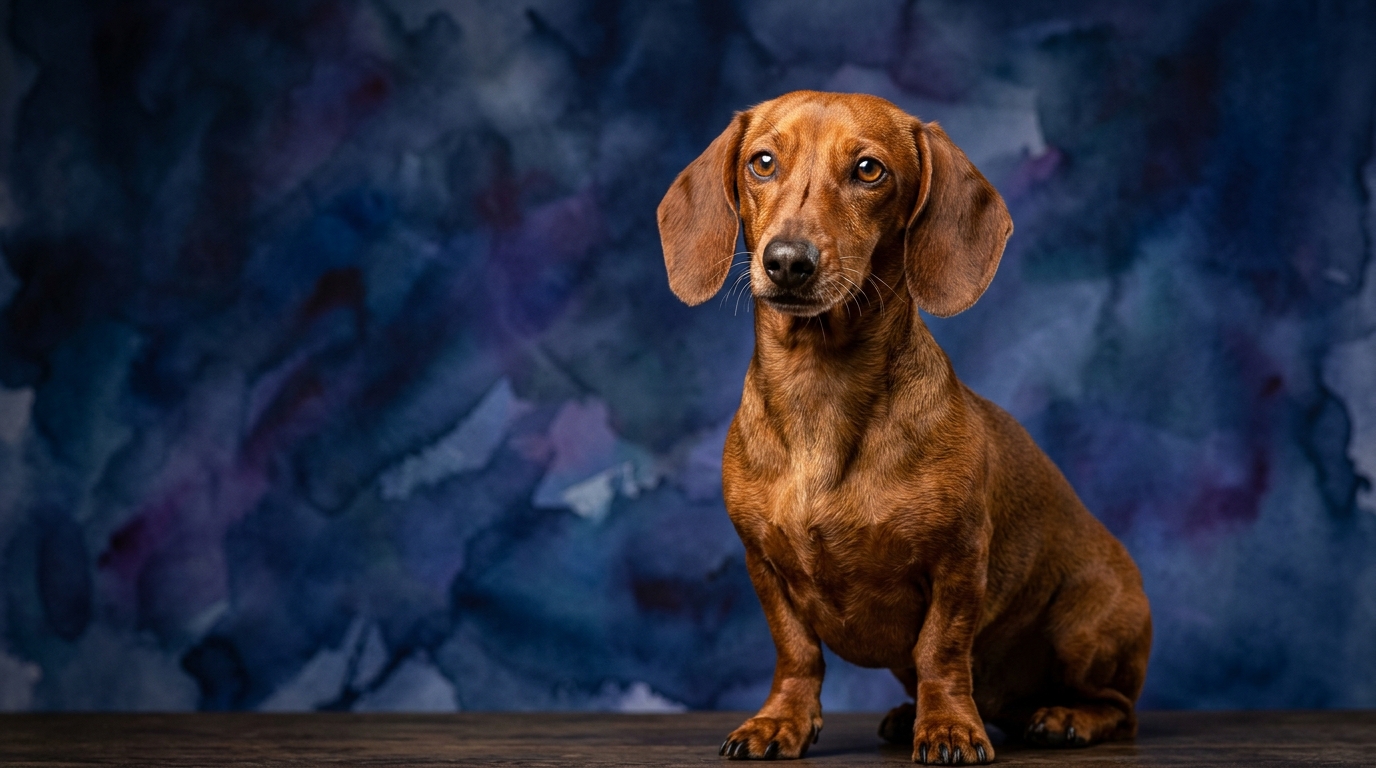
**Dachshund**: Hailing from the Hound group, the Dachshund holds a Coren rank of #49, suggesting a more independent approach to learning compared to some working breeds. Their Problem Solving ability is also 4/5, but it manifests differently; these dogs are adept at devising creative solutions to reach desired outcomes, often involving burrowing or persistent investigation. Training Speed, however, is 2/5, indicating they may take more repetitions or require greater motivation to consistently perform commands, often prioritizing their own agenda. Their Social Intelligence at 3/5 means they form deep, sometimes selective, bonds with their chosen family members but can be more reserved or less overtly cooperative with others. The Instinctive Drive is a powerful 5/5, rooted in their badger-hunting heritage, driving them to track scents and tunnel with unwavering determination. Their Memory is 3/5, sufficient for daily routines and familiar concepts, though perhaps less geared towards recalling extensive, complex sequences of human-initiated commands without strong intrinsic motivation.
Where the English Springer Spaniel Excels Cognitively
The English Springer Spaniel truly shines in cognitive areas requiring cooperative effort and precise execution under human direction. Their superior Training Speed (5/5) combined with a high Social Intelligence (4/5) means they excel at interpreting and responding to complex verbal and non-verbal cues from their handler. This makes them exceptional partners for tasks demanding synchronized action, such as advanced obedience, agility courses, or intricate field work where accurate retrieval and immediate recall are paramount. Their strong Memory (4/5) further solidifies this advantage, allowing them to consistently perform multi-stage tasks and retain a broad vocabulary of commands over their lifetime. They don't just follow orders; they actively participate in a shared objective, seeking to understand and fulfill their role.
Where the Dachshund Excels Cognitively
The Dachshund's cognitive strengths lie in tenacious, independent problem-solving, fueled by an intense Instinctive Drive (5/5). While their Problem Solving is rated 4/5, it's expressed through a remarkable self-directed persistence, particularly when pursuing a scent or attempting to access a confined space. They demonstrate cleverness in navigating obstacles that would deter less determined breeds, using their low-slung bodies and powerful digging instincts to achieve their goals. This isn't about following a human's instructions; it's about an innate drive to investigate, explore, and overcome challenges on their own terms, often displaying remarkable ingenuity in their pursuit of an objective, such as finding a hidden treat or tunneling under a fence.
Training Ease: A Tale of Two Temperaments
The English Springer Spaniel is unequivocally easier to train, a difference rooted in their fundamental behavioral drives. Their 5/5 Training Speed and 4/5 Social Intelligence mean they possess an inherent desire to work in partnership with humans, actively seeking to understand and comply with commands. They thrive on positive reinforcement and the opportunity to engage in cooperative tasks, making them highly responsive to instruction and quick to internalize new behaviors. Conversely, the Dachshund's 2/5 Training Speed reflects a breed whose strong Instinctive Drive (5/5) often prioritizes self-directed activities over human directives. While capable of learning, their historical role as independent hunters of burrowing prey cultivated a profound sense of self-reliance. This can manifest as selective hearing or a tendency to follow their nose rather than a command, requiring more patience and creative motivation from their trainer.
Matching Breeds to Lifestyles: Active vs. Relaxed Owners
For active owners seeking a dynamic partner, the English Springer Spaniel is an ideal match. Their combined high Instinctive Drive (5/5), Problem Solving (4/5), and exceptional Training Speed (5/5) mean they flourish with consistent physical activity and mental engagement. They are built for sustained effort, excelling in dog sports like agility, flyball, or field trials, and thrive on long hikes, runs, or retrieving games. An active owner can channel their formidable energy and desire to work into structured, productive outlets, fostering a deeply engaged and responsive companion.
Conversely, for more relaxed owners who appreciate a dog with a distinct personality and independent streak, the Dachshund can be a wonderful fit. While their Instinctive Drive is also 5/5, it often manifests in bursts of focused activity like enthusiastic scent tracking in the yard or determined digging, rather than requiring extensive, human-led endurance exercise. A relaxed owner who enjoys shorter, purposeful walks, provides opportunities for independent exploration in a secure area, and appreciates a clever dog's self-directed “missions” around the home, will find the Dachshund's unique cognitive profile rewarding. Their Social Intelligence (3/5) allows for deep, affectionate bonds without the constant demand for cooperative work that a Springer might exhibit.
The Verdict
If you seek a highly cooperative, eager-to-please companion for complex training, dog sports, or a working partnership, the English Springer Spaniel offers unparalleled engagement and responsiveness.
Opt for a Dachshund if you appreciate a tenacious, independent spirit with a strong sense of self, content with shorter bursts of activity and rewarding their clever, self-directed problem-solving.
🧠 Find Your Pet's IQ Score
Our Pet IQ Lab assessment covers 25+ tests across 5 cognitive dimensions — personalized to your breed.
Take the Full IQ Test →Frequently Asked Questions
Do English Springer Spaniels need a lot of mental stimulation?
Yes, their high Problem Solving (4/5), Instinctive Drive (5/5), and Memory (4/5) mean they benefit immensely from regular training, puzzle toys, and activities that challenge their cognitive abilities and retrieving instincts. Without adequate stimulation, they might invent their own less desirable "jobs" to occupy their minds.
Are Dachshunds difficult to house-train?
Dachshunds can be more challenging to house-train due to their independent nature and occasional stubbornness, reflected in their lower Training Speed (2/5). Consistency, patience, and positive reinforcement are crucial to establish good habits, often requiring a more tailored approach than with highly cooperative breeds.
How do their social intelligence scores impact family life?
The English Springer Spaniel's 4/5 Social Intelligence means they typically integrate smoothly into diverse family dynamics, being highly attuned and responsive to various family members. The Dachshund's 3/5 Social Intelligence suggests they form strong, often selective bonds with their chosen humans, and while affectionate, they might be more reserved or assertive with outsiders or new situations.