Side-by-Side Cognitive Profiles
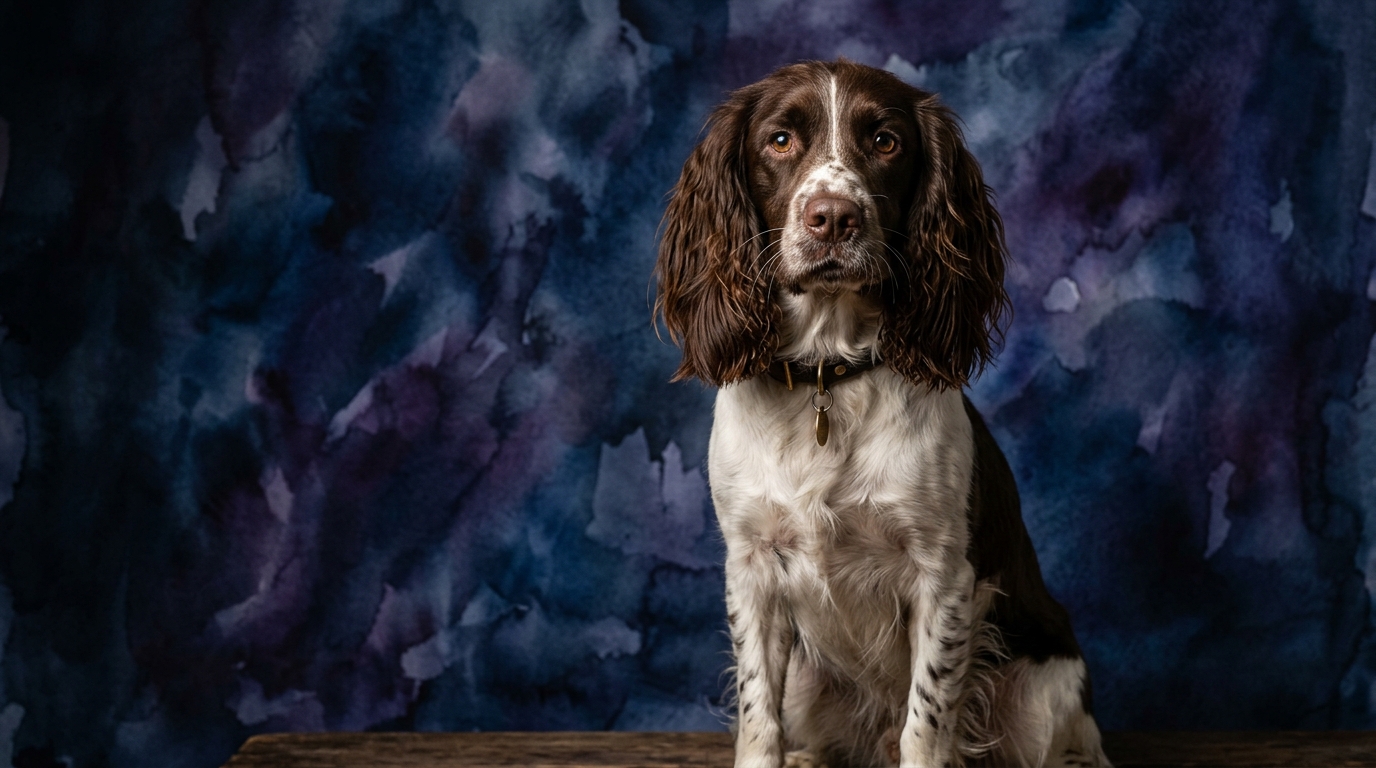
The English Springer Spaniel, ranking impressively at #13 on Dr. Stanley Coren's scale, demonstrates a cognitive profile optimized for work and partnership. Their Problem Solving score of 4/5 indicates a breed adept at navigating complex situations and figuring out novel challenges, often with a resourceful approach. Training Speed is where they truly shine, scoring a perfect 5/5, suggesting an exceptionally rapid grasp of new commands and an eagerness to comply. Social Intelligence, at 4/5, highlights their capacity for understanding human emotions and cues, fostering strong bonds. Their Instinctive Drive, also a 5/5, speaks to an inherent motivation for tasks, particularly those involving retrieving and tracking, while a Memory score of 4/5 ensures they retain learned behaviors and experiences effectively.
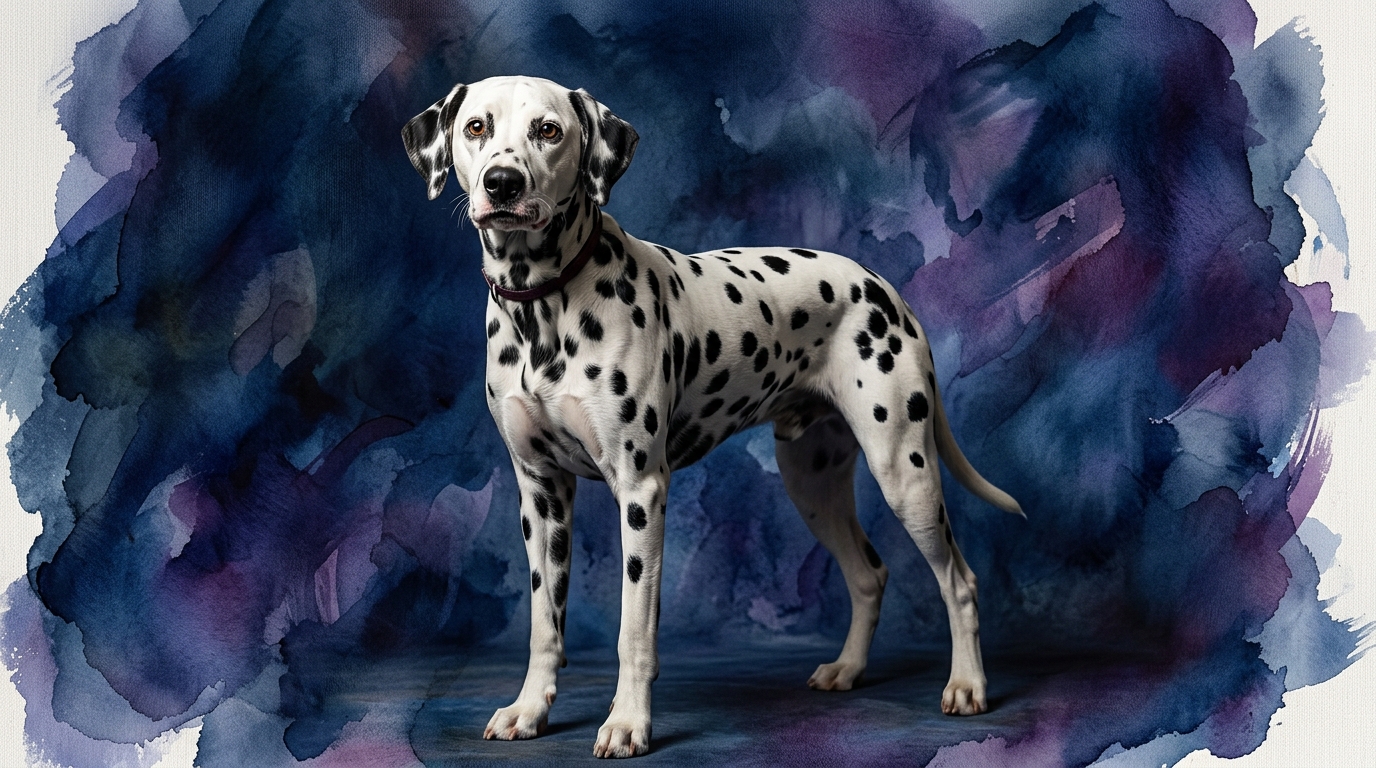
Conversely, the Dalmatian, positioned at #39 on Coren's scale, presents a different, yet equally compelling, intellectual landscape. Their Problem Solving score of 3/5 suggests they can tackle challenges, though perhaps with less spontaneous innovation or speed than a Springer, often relying on learned patterns. Training Speed, at 3/5, indicates they require more repetition and a patient, consistent approach to master new commands. Where they stand shoulder-to-shoulder with the Springer is in Social Intelligence, also scoring 4/5, revealing a deep capacity for connection and understanding of their human companions. Their Instinctive Drive, at 4/5, reflects their historical role as carriage dogs, possessing a strong urge for companionship and endurance, while their Memory, also 4/5, ensures they remember their training and experiences with clarity.
Where the English Springer Spaniel Excels Cognitively
The English Springer Spaniel's cognitive strengths are particularly evident in areas demanding quick learning and task-oriented problem-solving. Their superior Training Speed (5/5) means they absorb new commands and routines with remarkable efficiency, often requiring fewer repetitions to achieve mastery. This isn't just about obedience; it reflects a mental agility that allows them to quickly process and execute complex sequences of actions, making them highly responsive partners in various disciplines. For instance, teaching a Springer a multi-step retrieve or a complex agility course will likely see faster progress compared to many other breeds, thanks to their innate ability to connect actions with desired outcomes rapidly.
Furthermore, their elevated Problem Solving (4/5) combined with their powerful Instinctive Drive (5/5) translates into a remarkable aptitude for independent action within a directed framework. A Springer might more readily figure out how to navigate an obstacle course they haven't seen before, or devise a method to access a hidden toy. This isn't just brute force; it's an intelligent application of their innate drive to achieve a goal, whether it's flushing game or locating a scent. Their cognitive makeup encourages a proactive approach to their environment, making them excellent candidates for advanced training, fieldwork, and any activity requiring thoughtful engagement and initiative.
Where the Dalmatian Shines Cognitively
While the Dalmatian's overall Coren rank and some specific scores might appear lower than the Springer's, they possess distinct cognitive strengths that align with their unique heritage. Their Social Intelligence (4/5), matching the Springer, is a standout trait. This indicates a profound ability to interpret human body language, tone of voice, and emotional states, allowing them to form exceptionally deep and nuanced bonds with their families. A Dalmatian often exhibits a keen awareness of household dynamics and individual moods, making them highly attuned and empathetic companions. This social acumen is crucial for a breed that historically ran alongside carriages, requiring close synchronicity with their human handlers.
Moreover, their Memory (4/5), also on par with the Springer, ensures that once a lesson is learned or a social interaction experienced, it is retained. This means that while they may take more repetitions to learn a command initially (Training Speed 3/5), once it's ingrained, it tends to stick. This robust memory also applies to their understanding of routines and their environment, contributing to their reliability as companions and guardians. Their Instinctive Drive (4/5), while different from a hunting drive, is powerful and centers on endurance and companionship, supporting their historical role and their contemporary desire for active, engaged partnership. This drive, combined with their memory, makes them dedicated participants in activities like long-distance running or hiking, where their mental fortitude supports their physical stamina.
Which is Easier to Train and Why
When considering ease of training, the English Springer Spaniel generally presents a more straightforward experience due to their exceptional Training Speed (5/5) and higher Problem Solving ability (4/5). Springers quickly grasp new concepts and commands, often requiring only a few repetitions before demonstrating understanding and compliance. Their inherent eagerness to please and strong instinctive drive for partnership mean they are highly motivated to engage in training sessions. For example, teaching a Springer to 'stay' or 'heel' typically progresses rapidly because they are quick to connect the action with the reward and understand the expectation. Their cognitive architecture supports rapid acquisition and retention, making them responsive to various training methodologies.
In contrast, the Dalmatian, with a Training Speed of 3/5 and Problem Solving at 3/5, typically requires more patience and consistency in their training regimen. They are not less capable of learning, but their processing speed for new commands is slower, meaning more repetitions and a longer period of reinforcement are usually necessary to achieve reliability. Dalmatians are also known for a degree of independent thought, which, while not a lack of intelligence, means they may question a command or require a stronger incentive to comply if they don't immediately see the value. Real behavioral differences include the Springer's almost automatic desire to cooperate versus the Dalmatian's need for clear, compelling motivation and a well-established bond to ensure consistent adherence to commands. This difference isn't about capacity, but about the innate approach to learning and compliance.
Which Suits Active Owners vs. Relaxed Owners
For owners seeking an active and highly engaged canine partner, the English Springer Spaniel is an excellent match. Their high Instinctive Drive (5/5) means they thrive on purpose-driven activities, whether it's retrieving, scent work, or agility. This breed requires significant mental and physical exercise daily to prevent boredom and channel their abundant energy constructively. A Springer is not content with short walks; they need opportunities to run, explore, and use their keen senses and problem-solving skills. An owner who enjoys hiking, running, dog sports, or even field trials will find an eager and capable companion in the Springer, whose cognitive profile is wired for active participation and collaboration.
The Dalmatian, while also an active breed, suits owners who appreciate endurance and companionship over intense task-oriented work. Their Instinctive Drive (4/5) is geared towards sustained activity, making them superb partners for long runs, cycling, or extended hikes. They possess a robust physical stamina complemented by their memory and social intelligence, allowing them to maintain focus and connection over distance. However, they are less suited for truly relaxed owners. While they might not demand the same level of complex cognitive tasks as a Springer, their need for consistent physical exercise is undeniable. A Dalmatian will not thrive as a sedentary companion; they require an owner committed to regular, vigorous outings to satisfy their innate drive for movement and partnership, albeit with a slightly different mental emphasis than the Springer.
The Verdict: When to Choose Each Breed
The Verdict
Choose an English Springer Spaniel if you desire a highly trainable, quick-witted partner eager for complex tasks and consistent collaboration in active pursuits like dog sports, hunting, or intricate obedience. Their rapid learning and problem-solving make them ideal for owners who enjoy advanced training and mental stimulation.
Opt for a Dalmatian if you seek a dedicated, socially intelligent companion with robust endurance for long-distance activities, and you are prepared to invest consistent, patient effort into their training. They are best for active owners who appreciate a strong bond and a dog with a unique, enduring drive for companionship and movement.
🧠 Find Your Pet's IQ Score
Our Pet IQ Lab assessment covers 25+ tests across 5 cognitive dimensions — personalized to your breed.
Take the Full IQ Test →Frequently Asked Questions
Do English Springer Spaniels learn tricks faster than Dalmatians?
Yes, English Springer Spaniels generally learn tricks and commands faster, thanks to their 5/5 Training Speed score. Dalmatians, with a 3/5, require more repetition and patience to master new behaviors.
Are Dalmatians good at understanding human emotions?
Absolutely, Dalmatians score 4/5 in Social Intelligence, matching the English Springer Spaniel. This indicates a strong capacity to understand human emotions and cues, fostering deep, empathetic bonds with their families.
Which breed needs more mental stimulation, the English Springer Spaniel or Dalmatian?
The English Springer Spaniel typically requires more varied and complex mental stimulation due to their higher Problem Solving (4/5) and Instinctive Drive (5/5) for task-oriented work. While Dalmatians need engagement, their cognitive demands often lean more towards consistent routines and physical endurance rather than intricate problem-solving.