Side-by-Side Cognitive Profiles
The Cosmic Pet Pet IQ Lab provides a detailed lens into the unique mental landscapes of these two breeds across five key dimensions. Understanding these profiles is crucial for appreciating their inherent capabilities and potential.
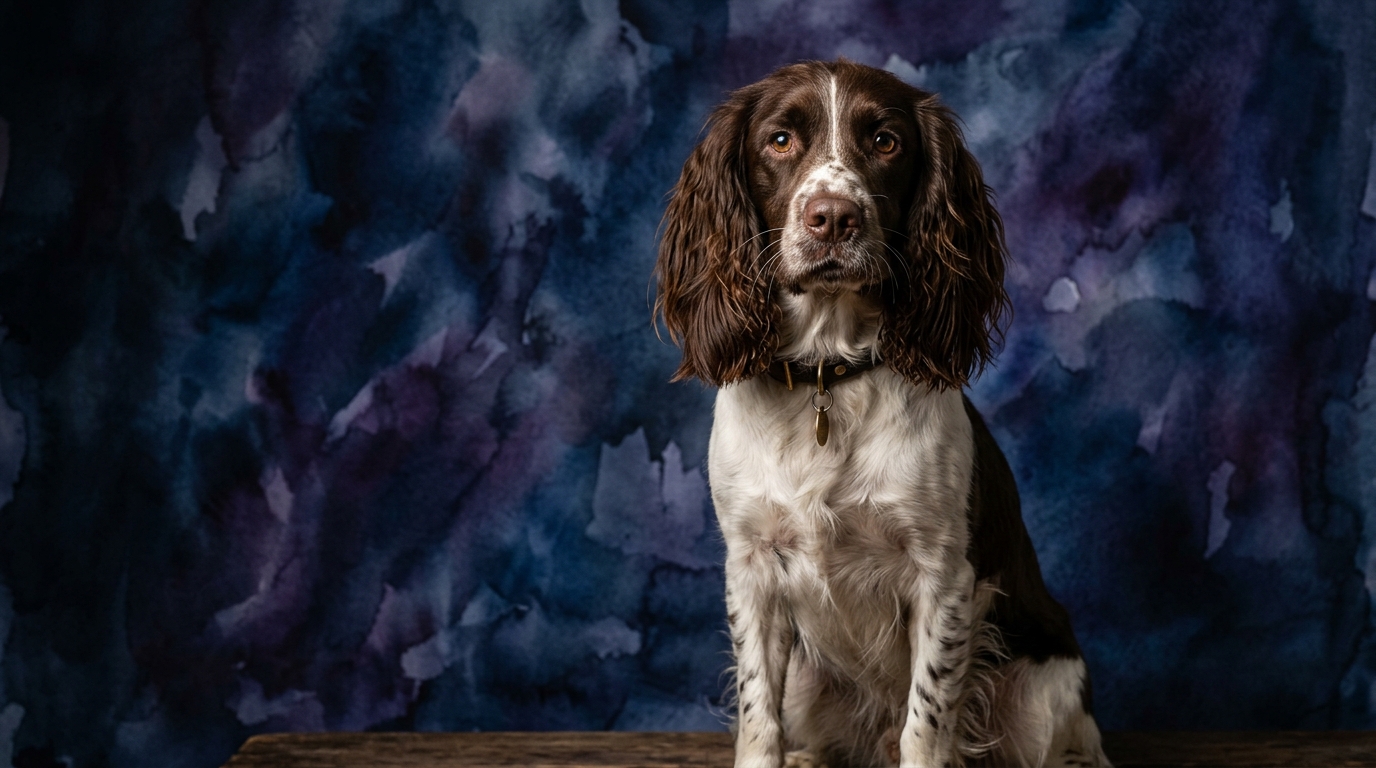
For the **English Springer Spaniel**, a breed that ranks impressively at #13 on the Coren intelligence scale, their cognitive scores paint a picture of an adaptable and highly cooperative canine. Their Problem Solving is rated 4/5, indicating a strong capacity to figure out solutions to novel challenges, often showing initiative in navigating complex environments or tasks. Training Speed is an exceptional 5/5, meaning they grasp new commands and routines with remarkable swiftness, often requiring very few repetitions. Social Intelligence stands at 4/5, reflecting a keen ability to read human cues, understand social hierarchies, and adapt their behavior based on handler expectations. Their Instinctive Drive is a powerful 5/5, exhibiting an innate urge to perform breed-specific tasks with focus and energy. Finally, Memory is scored at 4/5, showcasing excellent retention of learned behaviors, commands, and spatial information.
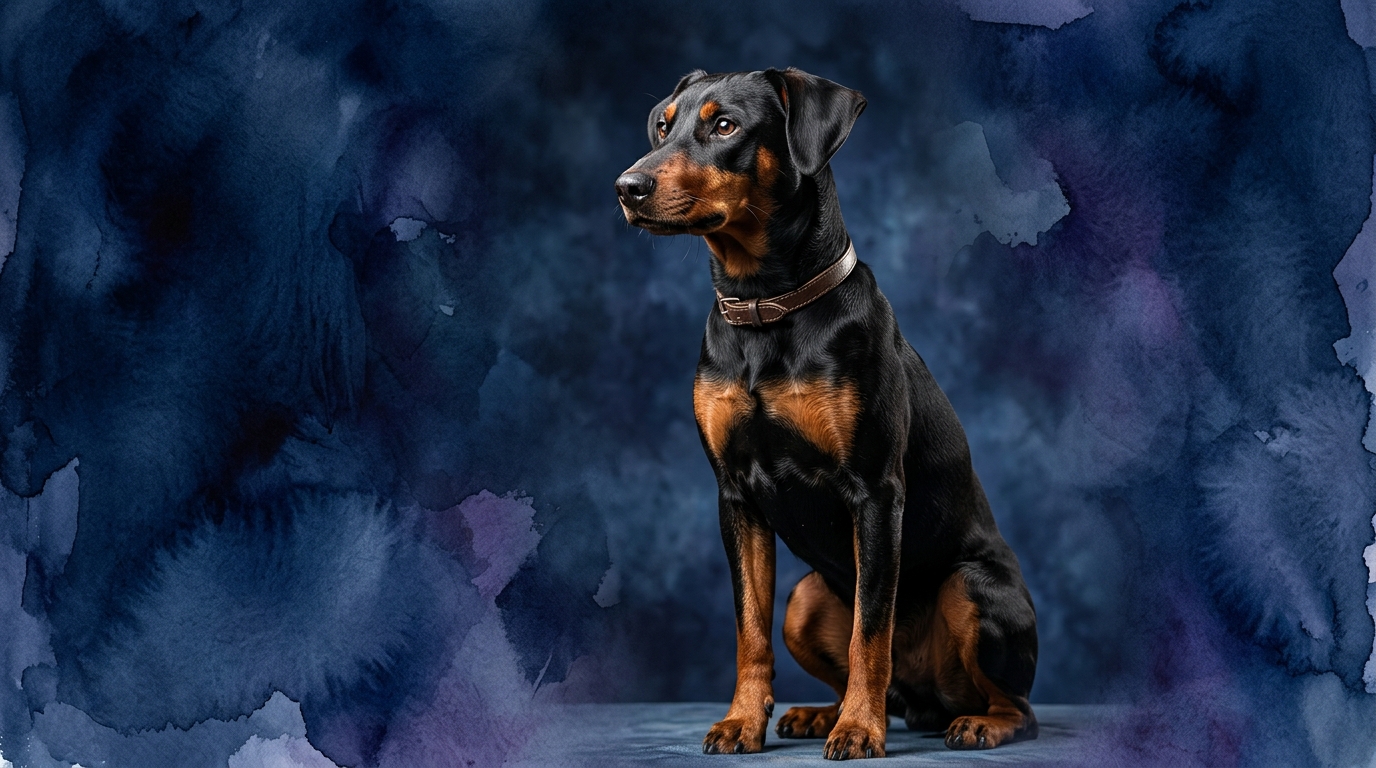
In contrast, the **German Pinscher**, a breed not listed on the Coren ranking but with a distinct working heritage, presents a more uniformly moderate cognitive profile. Their Problem Solving is 3/5, suggesting they are capable of solving practical problems, especially those related to their natural environment or objectives, but may require more trial-and-error or external guidance. Training Speed is 3/5, indicating they learn new commands at a moderate pace, often requiring consistent, patient repetition and highly motivating rewards. Social Intelligence is 3/5; they understand human cues and social dynamics but often process them with a degree of independence, not always prioritizing human direction over their own judgment in novel situations. Instinctive Drive is 3/5, representing a defined, moderate drive for tasks, often related to their historical role as vermin controllers and guardians. Their Memory is also 3/5, meaning they retain learned information and commands, but might need occasional refreshers for less frequently practiced skills.
Where the English Springer Spaniel Excels Cognitively
The English Springer Spaniel's cognitive strengths are particularly evident in their remarkable ease of training and their collaborative nature. Their perfect 5/5 Training Speed is a standout attribute, enabling them to absorb new commands with impressive swiftness. This propensity to form strong associations between commands and actions minimizes the repetition needed, making them exceptional candidates for advanced obedience, agility, or complex task training.
Coupled with this is their powerful 5/5 Instinctive Drive. This isn't merely boundless energy, but a focused motivation to work enthusiastically alongside a handler, translating into exceptional performance in field trials, scent work, and retrieving tasks where their innate abilities are channeled effectively. Their 4/5 Social Intelligence further enhances this partnership; their strong attunement to human emotional states and intentions means they often anticipate commands or react appropriately to subtle cues, fostering a highly responsive and intuitive bond.
Furthermore, their 4/5 Problem Solving and 4/5 Memory scores combine to allow them to navigate intricate scenarios independently, such as finding a hidden retrieve in varied terrain or remembering a complex multi-step sequence of actions. They don't simply follow instructions; they adapt and innovate within a given task, demonstrating a nuanced understanding that goes beyond rote learning.
Where the German Pinscher's Cognitive Profile Shines Uniquely
While the German Pinscher's cognitive scores are generally more moderate, their specific profile offers distinct advantages, particularly for owners who appreciate a dog with a robust sense of self and purpose. Their 3/5 Problem Solving, though not as high as the Springer's, is often applied with a practical, independent streak. They might not seek human guidance as readily, instead attempting to resolve issues through their own determination, which can be advantageous in tasks requiring initiative without constant supervision, making them less prone to 'learned helplessness.'
Their 3/5 Instinctive Drive, while not as broad or intense as a Springer's, is highly focused on their historical working roles. This translates into tenacious single-mindedness when engaged in tasks like guarding, patrolling, or tracking. This makes them effective at specific, goal-oriented activities that require sustained attention rather than broad-spectrum cooperation, demonstrating a focused persistence.
The German Pinscher's 3/5 Social Intelligence can also be viewed as a unique strength. It often translates into a less 'needy' or 'clingy' disposition. They form deep bonds but often maintain a degree of self-possession, making them suitable for owners who appreciate a companion capable of entertaining themselves or relaxing independently without constant direct interaction, yet still responsive when engaged. This prevents over-reliance on the owner for every decision.
Finally, their moderate scores in Memory and Training Speed suggest a cognitive makeup that is adaptable to routine variations. While they may require more repetition to learn, they are less likely to become overly anxious if daily schedules are occasionally disrupted, showing a practical resilience to changes in their environment.
Trainability: A Tale of Two Approaches
When it comes to trainability, the English Springer Spaniel is decidedly easier to guide through learning processes. Their 5/5 Training Speed means they pick up commands almost instantly, forming strong associations quickly. This is coupled with a strong desire to please and a high instinctive drive (5/5) that makes them enthusiastic participants in training sessions. They remember complex sequences (4/5 Memory) and can problem-solve (4/5) to understand new variations of commands, making them excellent candidates for intricate tasks. Their 4/5 Social Intelligence means they are highly attuned to handler feedback, making them remarkably responsive to subtle cues and corrections, thriving on positive reinforcement and clear communication to quickly form reliable behaviors.
The German Pinscher, in contrast, presents a more challenging training experience. Their 3/5 Training Speed means they require more repetitions and a highly consistent approach to solidify new behaviors. Their moderate social intelligence (3/5) can translate to a more independent mindset; they might question the 'why' behind a command or prefer to follow their own instincts if not properly motivated. Training a German Pinscher demands patience, creativity, and finding what truly motivates them, as their drive (3/5) is more self-directed. They can exhibit stubbornness if not engaged, requiring a handler who can make training compelling, varied, and relevant to their natural inclinations, turning it into a collaborative game rather than a mere chore.
Matching Canine Cognition to Owner Lifestyles
The English Springer Spaniel, with its 5/5 instinctive drive and strong problem-solving skills, is a prime candidate for active owners who seek an engaged, purpose-driven companion. These dogs require significant daily physical exercise—long runs, hikes, swimming, or vigorous fetch sessions—to satisfy their innate working instincts. Beyond physical exertion, their 4/5 social intelligence and 4/5 problem-solving capabilities mean they thrive on extensive mental stimulation, excelling in dog sports like agility, obedience, flyball, or scent work. An owner who enjoys outdoor adventures and desires an enthusiastic, responsive partner for structured activities will find the Springer Spaniel an ideal match. They are not suited for owners who cannot provide consistent outlets for their substantial energy and mental acuity, as boredom can lead to undesirable behaviors.
The German Pinscher, while possessing moderate IQ scores (3/5 across the board), is still a working breed demanding considerable energy outlets and mental engagement. Their instinctive drive (3/5) is focused and persistent, meaning they require regular, structured exercise and mental challenges, such as advanced obedience, tracking, or even protection work, to prevent boredom and destructive tendencies. However, their slightly lower social intelligence (3/5) compared to the Springer might mean they are content with periods of independent activity or relaxation *after* their needs are met, rather than constantly seeking human interaction for stimulation. They suit active owners who appreciate a dog with a strong will and independent streak, capable of focused work but also comfortable in their own space, rather than a dog that continuously seeks to be 'part of the action' with their human. They are not for truly relaxed owners, but perhaps for those who want an active dog that isn't always 'on' for human interaction.
The Verdict
Choose the English Springer Spaniel if you seek a highly trainable, eager-to-please companion for active pursuits like field work or dog sports, valuing a strong, responsive partnership and ample mental engagement.
Opt for the German Pinscher if you appreciate a self-reliant, moderately driven dog that thrives on specific tasks and consistent training, suitable for active owners who value independence alongside focused companionship.
🧠 Find Your Pet's IQ Score
Our Pet IQ Lab assessment covers 25+ tests across 5 cognitive dimensions — personalized to your breed.
Take the Full IQ Test →Frequently Asked Questions
Do English Springer Spaniels need more mental stimulation than German Pinschers?
Yes, English Springer Spaniels generally require more varied and intensive mental stimulation due to their higher problem-solving and social intelligence scores. They thrive on complex tasks, advanced training, and activities that engage their keen intellect and desire to work alongside their human companions.
Are German Pinschers prone to stubbornness during training?
German Pinschers can exhibit a degree of independence and stubbornness, reflected in their moderate training speed score. They respond best to consistent, positive reinforcement methods and engaging training sessions that make learning enjoyable and relevant to their natural drives, rather than purely rote exercises.
How do their instinctive drives differ in everyday life?
The English Springer Spaniel's higher instinctive drive often manifests as a strong desire for retrieving, scent work, and energetic play, typically directed with enthusiasm towards their owner. The German Pinscher's drive, while moderate, is more focused on tasks like guarding or patrolling, leading to a more independent pursuit of activity or observation in their environment.