Side-by-Side Cognitive Profiles: English Springer Spaniel vs. Giant Schnauzer
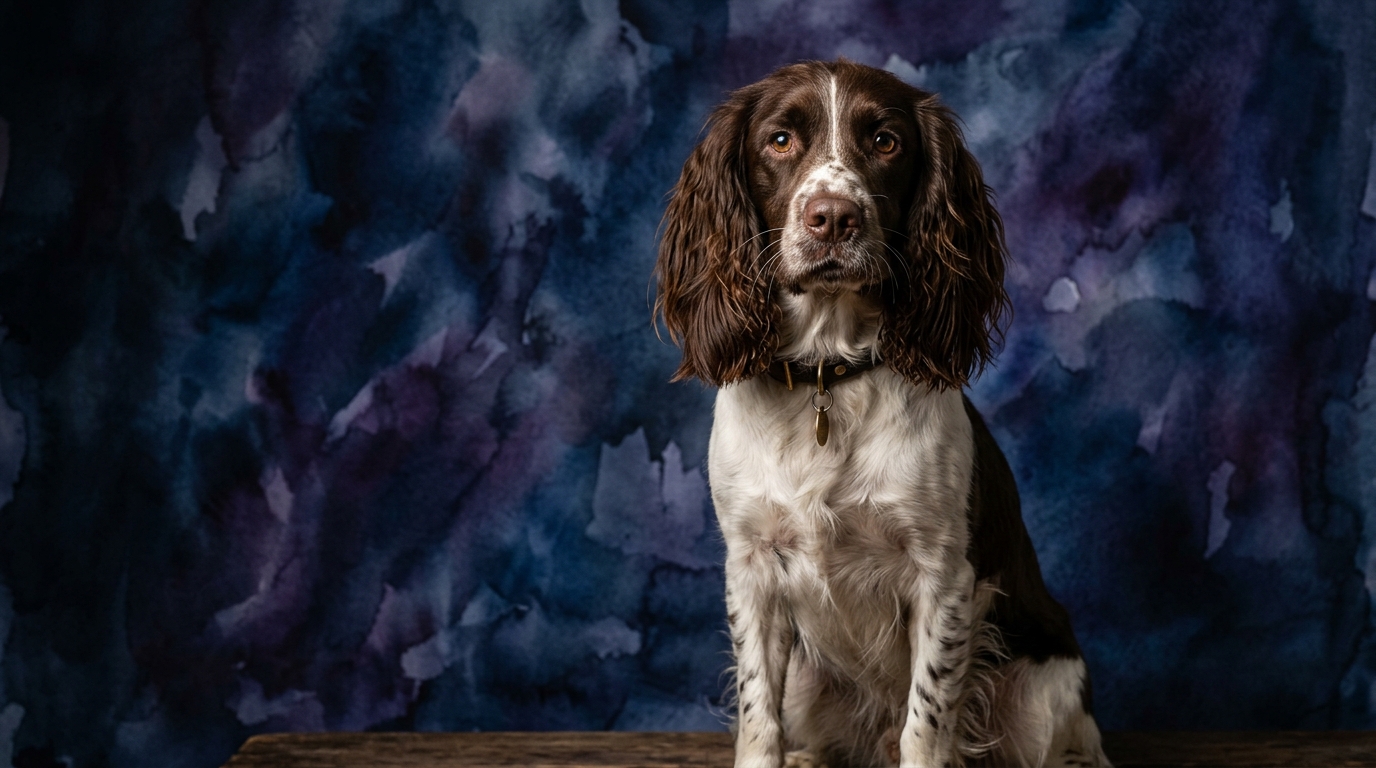
The English Springer Spaniel, a member of the Sporting Group, holds a notable Coren rank of #13, indicating a breed that grasps new commands with exceptional speed and retains them reliably. Their problem-solving capacity, rated at 4 out of 5, demonstrates adeptness at navigating complex tasks, often involving retrieval or finding solutions related to their environment, such as locating hidden objects or figuring out how to access a desired toy. Training speed, an outstanding 5 out of 5, highlights their exceptional capacity for learning new tasks quickly, driven by an eager-to-please temperament and a strong desire for engagement. Their social intelligence, at 4 out of 5, means they are highly attuned to human cues, emotions, and intentions, making them responsive and intuitive partners. A powerful instinctive drive of 5 out of 5 defines their heritage, manifesting as an intense motivation for seeking, flushing, and retrieving, whether in a field or during a game of fetch. Finally, their memory, rated 4 out of 5, ensures strong recall for learned behaviors, intricate command sequences, and familiar environments over extended periods.
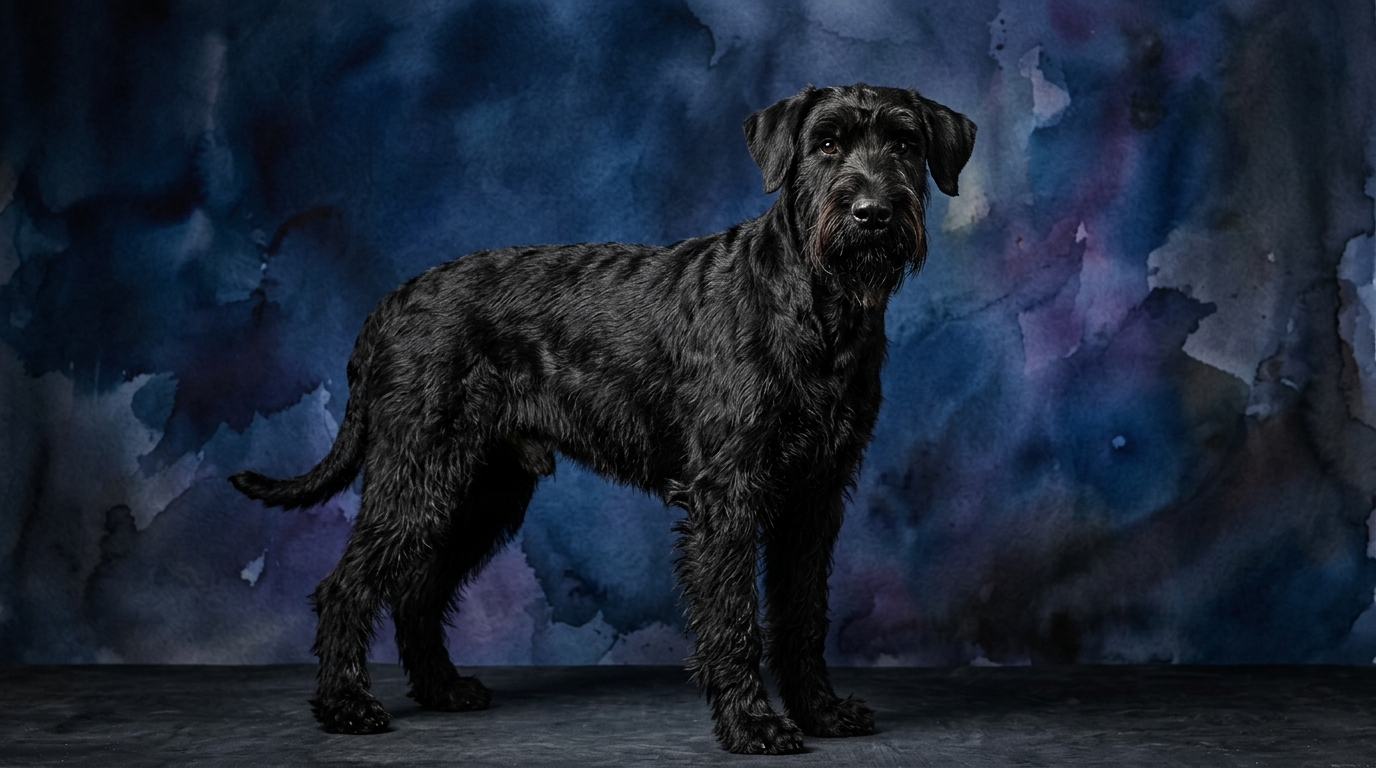
In contrast, the Giant Schnauzer, hailing from the Working Group, occupies Coren rank #28, suggesting a solid capacity for learning, though perhaps requiring a few more repetitions or a different motivational approach than the Springer. Their problem-solving ability, also 4 out of 5, means they are capable of devising solutions, often with a degree of independence, particularly in tasks involving vigilance, assessment of threats, or protection. Their training speed, at 4 out of 5, indicates efficient learning, but their independent nature might occasionally necessitate more persuasive motivation and a clear understanding of the 'why' behind a command. Social intelligence, rated 3 out of 5, reveals a breed that, while deeply loyal to their family, tends to be more reserved with strangers and less universally people-oriented than the Springer, focusing their social acumen on their inner circle. Their instinctive drive, 3 out of 5, is geared towards guarding, herding, and protection, manifesting as vigilance and a strong territorial sense rather than a retrieving impulse. Their memory, a robust 4 out of 5, ensures consistent recall for training, routines, and identifying familiar individuals or potential threats, contributing to their reliability as guardians.
Where the English Springer Spaniel Excels Cognitively
The English Springer Spaniel's cognitive strengths shine particularly in collaborative learning and dynamic responsiveness. Their superior training speed (5/5) synergizes with their high social intelligence (4/5), making them exceptionally receptive to human instruction and eager to work in partnership. They thrive on positive reinforcement, quickly associating actions with rewards, which allows them to master complex multi-step commands and intricate sequences with relative ease, making them stars in obedience and agility trials.
Their innate adaptability in dynamic, unpredictable environments is another hallmark. The Springer's potent instinctive drive (5/5) for seeking and retrieving, coupled with their strong problem-solving ability (4/5), allows them to excel in varied and often chaotic settings. Whether navigating dense brush for game, tracking scents over diverse terrains, or quickly locating a dropped item, they demonstrate remarkable persistence and focus, driven by an inherent purpose to work alongside their human companions.
Furthermore, the English Springer Spaniel's heightened social intelligence (4/5) translates into a profound capacity for emotional connection and responsiveness. They often appear to anticipate their owner's moods and desires, fostering a deep, almost intuitive bond. This empathetic connection significantly enhances their trainability and companionship, as they are naturally inclined to engage and please, making them highly attuned partners in a wide array of activities.
Where the Giant Schnauzer Demonstrates Unique Cognitive Strengths
While the Giant Schnauzer shares a problem-solving score of 4/5 with the Springer, their application of this ability often involves a greater degree of independent judgment, particularly in roles requiring discernment and self-reliance. They excel at assessing situations for potential threats and responding appropriately without constant human direction, a hallmark of their guarding heritage. This means they can make calculated decisions about what constitutes a genuine concern versus a harmless event, acting as a true partner in protection.
Their instinctive drive (3/5), though numerically lower for general tasks, is highly specialized and potent for vigilance and protection. This manifests as an exceptional awareness of their surroundings and a profound sense of territory, allowing them to identify and react to changes with impressive focus and determination. Unlike the Springer's drive to retrieve, the Schnauzer's drive is to patrol, observe, and protect, making them diligent guardians of their domain.
The Giant Schnauzer's social intelligence (3/5), while more reserved, fosters an incredibly deep and unwavering loyalty to their chosen family. They possess a keen ability to differentiate between welcomed individuals and potential intruders, making them discerning guardians who commit fully to their trusted circle. This focused social capacity ensures they are reliable protectors, forming intense bonds with their inner circle and demonstrating a steadfast devotion that underpins their protective instincts.
Training Dynamics: Which Breed is More Amenable?
When it comes to ease of training, the English Springer Spaniel generally presents a more straightforward path for the average owner. Their training speed (5/5) is top-tier, fueled by an inherent desire to please and a high motivation for praise and treats. They quickly form associations and are eager to engage in collaborative tasks, making them highly responsive to positive reinforcement methods. Their strong instinctive drive for retrieval also means that many training games, such as fetch or hide-and-seek, are natural extensions of their instincts, making learning feel like play.
The Giant Schnauzer, with a training speed of 4/5, is certainly capable of learning quickly, but their independent nature often requires a different approach. They need a confident, consistent leader who can clearly articulate the 'why' behind a command, rather than simply expecting compliance for the sake of pleasing. Training a Giant Schnauzer often demands more patience, unwavering consistency, and an understanding of their intrinsic motivations, which lean towards purpose and structure rather than universal eagerness to please. While intelligent, they might challenge boundaries more frequently, requiring an owner who can maintain firm yet fair leadership.
Real behavioral differences highlight this distinction: a Springer might perform a task simply because they love the interaction and the reward, while a Schnauzer might pause, assess, and decide if the task aligns with their perceived purpose or if there's a more efficient way to achieve the goal. This independent thought, while a strength in certain contexts, can make initial training phases more demanding for an inexperienced owner, as the Schnauzer requires respect for their intelligence and a clear demonstration of value in the training process.
Matching Breeds to Owner Lifestyles: Active vs. Engaged
For active owners who thrive on companionship during outdoor adventures, the English Springer Spaniel is an ideal match. Their high energy levels and intense instinctive drive (5/5) demand constant engagement, mental stimulation through puzzles and training, and substantial physical activity like running, hiking, or retrieving games. They are not content to be couch potatoes; an owner who enjoys dog sports, hunting, or simply long, vigorous walks and runs will find a willing and enthusiastic partner in a Springer. Their need for collaborative work means they flourish when given a 'job' that involves their human.
The Giant Schnauzer also requires significant activity, but their needs are often more geared towards structured exercise and purposeful engagement rather than continuous, high-octane play. While they enjoy vigorous walks and runs, their mental needs are met by tasks that involve patrolling, guarding, advanced obedience, or protection work, which tap into their independent problem-solving and protective instincts. They are not suited for a sedentary lifestyle; their considerable energy and independent mind, if not channeled through consistent training and purposeful activity, can lead to boredom and potentially destructive behaviors.
Neither breed truly suits a 'relaxed' owner in the sense of minimal engagement. Both require dedicated time for exercise, mental challenges, and training. However, the Springer generally seeks more direct, collaborative interaction, making them a fit for owners who want a dog deeply involved in all family activities. The Schnauzer, while devoted, might prefer structured tasks and independent oversight, making them suitable for owners who appreciate a steadfast guardian with a strong sense of purpose and who are prepared to provide firm, consistent leadership and specific mental engagement.
The Verdict
Choose an English Springer Spaniel if you seek a highly collaborative, eager-to-please companion for active pursuits, dog sports, or hunting, and appreciate a dog deeply attuned to human cues and emotional engagement.
Opt for a Giant Schnauzer if you are looking for a steadfast, protective, and independent partner for guarding, formal obedience, or an active lifestyle, and are prepared to provide consistent, confident leadership and specific mental engagement.
🧠 Find Your Pet's IQ Score
Our Pet IQ Lab assessment covers 25+ tests across 5 cognitive dimensions — personalized to your breed.
Take the Full IQ Test →Frequently Asked Questions
Are English Springer Spaniels good with children?
Yes, their high social intelligence and generally cheerful disposition often make them excellent family companions, readily engaging in play and forming strong bonds with all family members, though supervision is always advised with any dog and child to ensure appropriate interactions.
Do Giant Schnauzers require a lot of exercise?
Absolutely; their working breed heritage means they need substantial daily physical activity and consistent mental stimulation to prevent boredom and potential destructive behaviors. Structured walks, runs, and purposeful training sessions are vital for their well-being.
Which breed is more vocal?
Giant Schnauzers tend to be more vocal, particularly with barking as a part of their guarding instinct to alert or warn. English Springer Spaniels might vocalize during play or excitement, but they are generally less prone to consistent alert barking.