Side-by-Side IQ Profile: Poodle vs. Giant Schnauzer
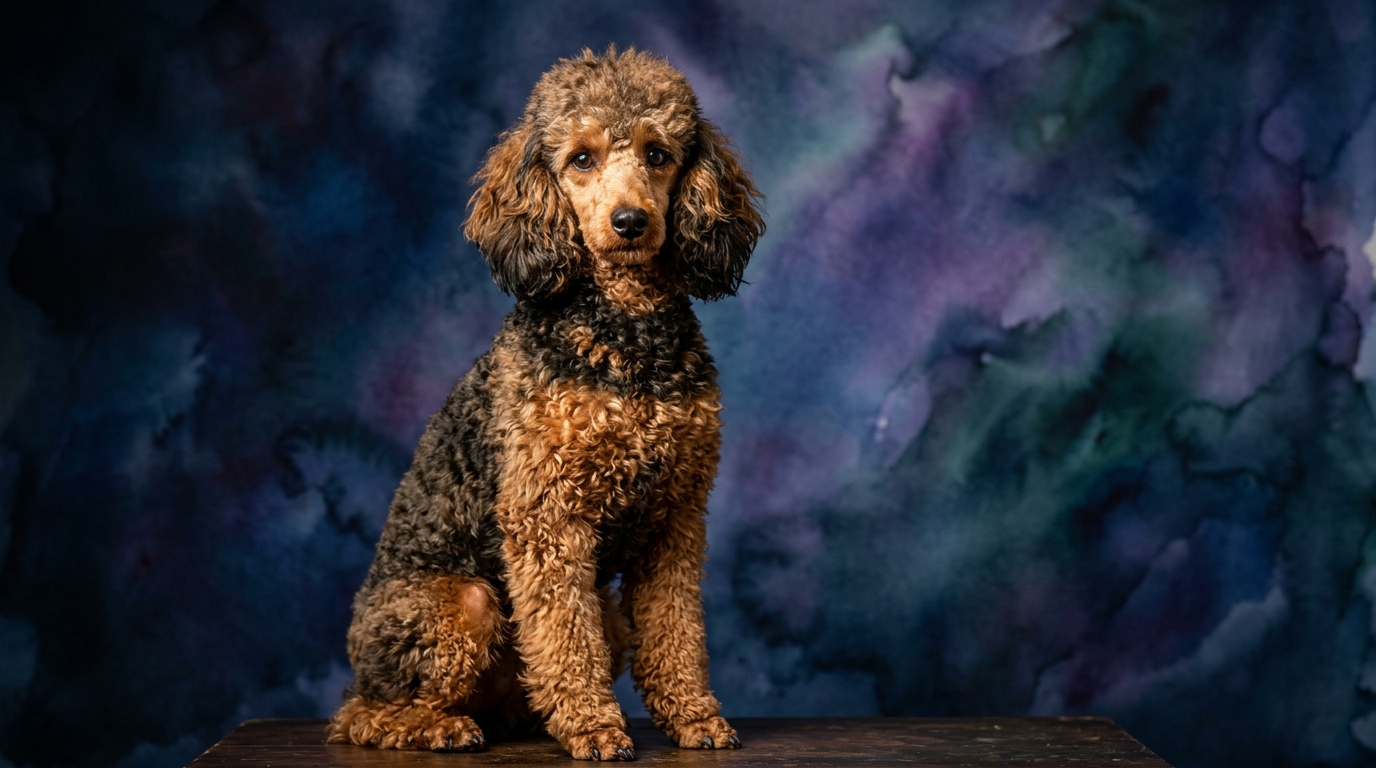
**Standard Poodle (Non-Sporting, Coren Rank #2):** This breed consistently demonstrates a profound cognitive capacity.
**Problem Solving (5/5):** Standard Poodles exhibit an exceptional capacity for understanding and navigating complex, multi-step challenges. They readily figure out intricate puzzle toys and often devise novel solutions to environmental obstacles, surprising owners with their ingenuity.
**Training Speed (5/5):** They possess an unparalleled ability to learn and retain new commands with minimal repetition. Their quick comprehension allows them to pick up abstract concepts and sequence behaviors rapidly, making them highly responsive pupils.
**Social Intelligence (5/5):** Their social acumen is profound, enabling them to keenly interpret human emotions, body language, and vocal inflections. They frequently anticipate handler intentions and respond with remarkable empathy and attunement.
**Instinctive Drive (4/5):** While highly adaptable, the Poodle retains a strong retrieving instinct and affinity for water work, reflecting its historical role. This drive is often channeled effectively into dog sports and interactive play.
**Memory (5/5):** Standard Poodles possess an outstanding memory, recalling commands, routines, and experiences over long periods. This contributes to their consistent performance and ability to build strong, lasting associations.
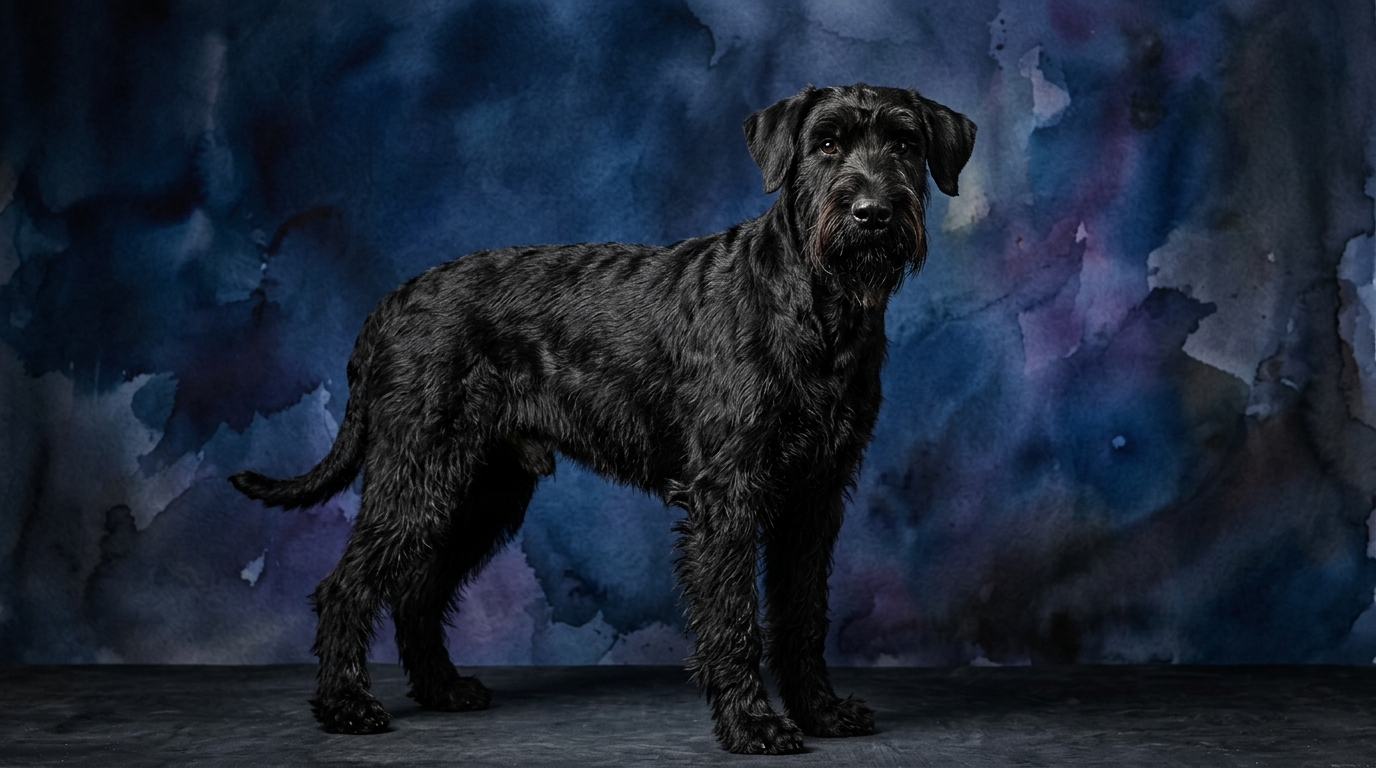
**Giant Schnauzer (Working, Coren Rank #28):** The Giant Schnauzer presents a robust and purpose-driven cognitive makeup.
**Problem Solving (4/5):** This breed approaches challenges with a methodical and determined mindset. They are capable of solving practical problems, especially those related to their working heritage, though they may require more structured guidance than a Poodle.
**Training Speed (4/5):** Giant Schnauzers learn efficiently and reliably, absorbing commands with good retention once the concept is clear. Their training requires consistent reinforcement and clear communication to build strong behavioral patterns.
**Social Intelligence (3/5):** They display deep loyalty to their immediate family, often forming a strong, protective bond. However, they can be reserved with strangers and less inclined to interpret subtle social cues from outside their trusted circle, preferring a direct approach.
**Instinctive Drive (3/5):** Their primary instinctive drive centers on guarding and protection, reflecting their origins as farm and cattle dogs. This manifests as a watchful nature and a strong territorial instinct, crucial for their role as guardians.
**Memory (4/5):** Giant Schnauzers have a good memory for established routines, commands, and familiar individuals. They build lasting associations, particularly through consistent training and positive experiences, contributing to their reliability.
Where the Standard Poodle Wins Cognitively
The Standard Poodle's cognitive strengths distinctly outshine the Giant Schnauzer in areas demanding abstract thought and nuanced social interaction. Their 5/5 problem-solving score means they excel at tasks requiring inferential reasoning, such as figuring out how to open complex latches or manipulating objects to achieve a goal without prior demonstration. This capacity for mental gymnastics extends to learning advanced tricks or performing intricate sequences in competitive obedience with seemingly effortless understanding.
Furthermore, their perfect 5/5 social intelligence allows them to read and respond to human emotions with remarkable precision. A Standard Poodle often perceives subtle shifts in its owner's mood or intent, adapting its behavior accordingly, which fosters an exceptionally deep and responsive bond. This profound social attunement means they can often anticipate a handler's next command even before it is given, based purely on body language or context. Their superior memory (5/5) ensures that these complex learnings and social observations are retained long-term, building a sophisticated understanding of their world and their human companions.
Where the Giant Schnauzer Wins Cognitively
While the Giant Schnauzer's scores might appear lower across the board, its cognitive profile represents a specialized form of intellect perfectly suited to its working heritage. Its 4/5 problem-solving, coupled with a more independent nature, means it excels at practical, real-world challenges where persistence and self-reliance are key. For instance, a Giant Schnauzer might methodically patrol a property, identifying and responding to potential threats with robust determination, rather than seeking immediate human guidance for every perceived anomaly.
Their 3/5 social intelligence, while leading to reserve with strangers, is a distinct advantage for a guardian breed; they are less easily swayed by external social cues or distractions, maintaining focus on their protective duties. This trait allows them to remain vigilant and discerning, prioritizing the security of their family over social pleasantries. The Giant Schnauzer's instinctive drive (3/5) is highly specific to guarding, a focused cognitive imperative that directs their attention and actions towards vigilance and territorial defense. This unwavering dedication to their perceived duty, once understood, is a powerful cognitive strength, making them reliable protectors who operate with a clear, unwavering purpose.
Which is Easier to Train and Why
Without question, the Standard Poodle presents an easier training experience for most owners, primarily due to its superior scores in training speed (5/5), problem-solving (5/5), and social intelligence (5/5). A Poodle rapidly grasps new concepts, often requiring only a few repetitions before understanding a command, thanks to its exceptional capacity for association and abstract thought. Their strong social intelligence means they are highly motivated by human interaction and praise, eager to please and attuned to their handler's cues, making them highly cooperative pupils.
In contrast, the Giant Schnauzer, while capable (4/5 training speed), often requires more consistent repetition and a firmer, clearer training approach. Their lower social intelligence (3/5) can translate to a more independent streak; they might question commands or require more direct motivation, as they are less inherently driven by nuanced human approval. Training a Giant Schnauzer demands patience, consistency, and a handler who establishes clear leadership, as their robust, protective instincts mean they need to understand their role and boundaries definitively. Behavioral differences manifest as the Poodle's eagerness to try new things and its quick recovery from errors, versus the Schnauzer's need for a concrete understanding of expectations and a tendency to stick to what it perceives as its 'job'.
Suitability for Active vs. Relaxed Owners
Both breeds thrive with active engagement, but the *type* of activity and mental stimulation they require differs, influencing their suitability for various owner lifestyles. The Standard Poodle (Coren rank #2) suits owners who are highly active in mental and physical pursuits, enjoying dog sports like agility, obedience, rally, or even dabbling in scent work and trick training. Their profound problem-solving and social intelligence mean they crave constant mental challenges and thrive on interactive engagement, becoming bored and potentially mischievous if under-stimulated. They are ideal for owners who treat training as an ongoing, evolving game.
The Giant Schnauzer (Coren rank #28), while also requiring significant activity, suits owners who prefer a more structured and purpose-driven active lifestyle. They excel in activities that leverage their guarding instincts and physical prowess, such as protection sports, advanced obedience, or as robust hiking and running companions. Their need for a 'job' and consistent leadership means they are perfect for owners who appreciate a strong, loyal partner in structured outdoor adventures and who can provide clear boundaries and consistent training. A truly 'relaxed' owner who prefers minimal interaction beyond basic walks might find either breed's needs overwhelming, but the Poodle's relentless quest for mental engagement might be a greater challenge in a low-stimulation environment.
The Verdict
Choose a Standard Poodle if you seek an exceptionally perceptive, highly trainable companion for complex dog sports, intricate trick training, and a profoundly responsive emotional bond. They thrive on constant mental puzzles and nuanced social interaction, fitting best with owners who enjoy an ongoing, dynamic training journey.
Opt for a Giant Schnauzer if you desire a robust, loyal, and protective partner for structured outdoor activities and a clear working role. They suit experienced owners who can provide consistent leadership, purpose-driven training, and appreciate a discerning, self-reliant guardian.
🧠 Find Your Pet's IQ Score
Our Pet IQ Lab assessment covers 25+ tests across 5 cognitive dimensions — personalized to your breed.
Take the Full IQ Test →Frequently Asked Questions
Do Standard Poodles get bored easily?
Yes, with a problem-solving score of 5/5 and high social intelligence, Standard Poodles require significant mental stimulation to prevent boredom. They thrive on learning new tasks, puzzle toys, and interactive play; otherwise, they may seek their own entertainment.
Is the Giant Schnauzer difficult for first-time dog owners?
The Giant Schnauzer's independent nature and strong protective instincts, coupled with a 3/5 social intelligence, can present challenges for first-time owners. They require consistent, firm, and experienced leadership to channel their drives effectively and prevent unwanted behaviors.
How do their memory differences impact daily life?
A Standard Poodle's 5/5 memory means they recall commands and routines with exceptional consistency, needing less refreshing. A Giant Schnauzer's 4/5 memory is still very good for learned patterns, but consistent reinforcement helps solidify their understanding and ensures reliability, especially with less frequently used commands.