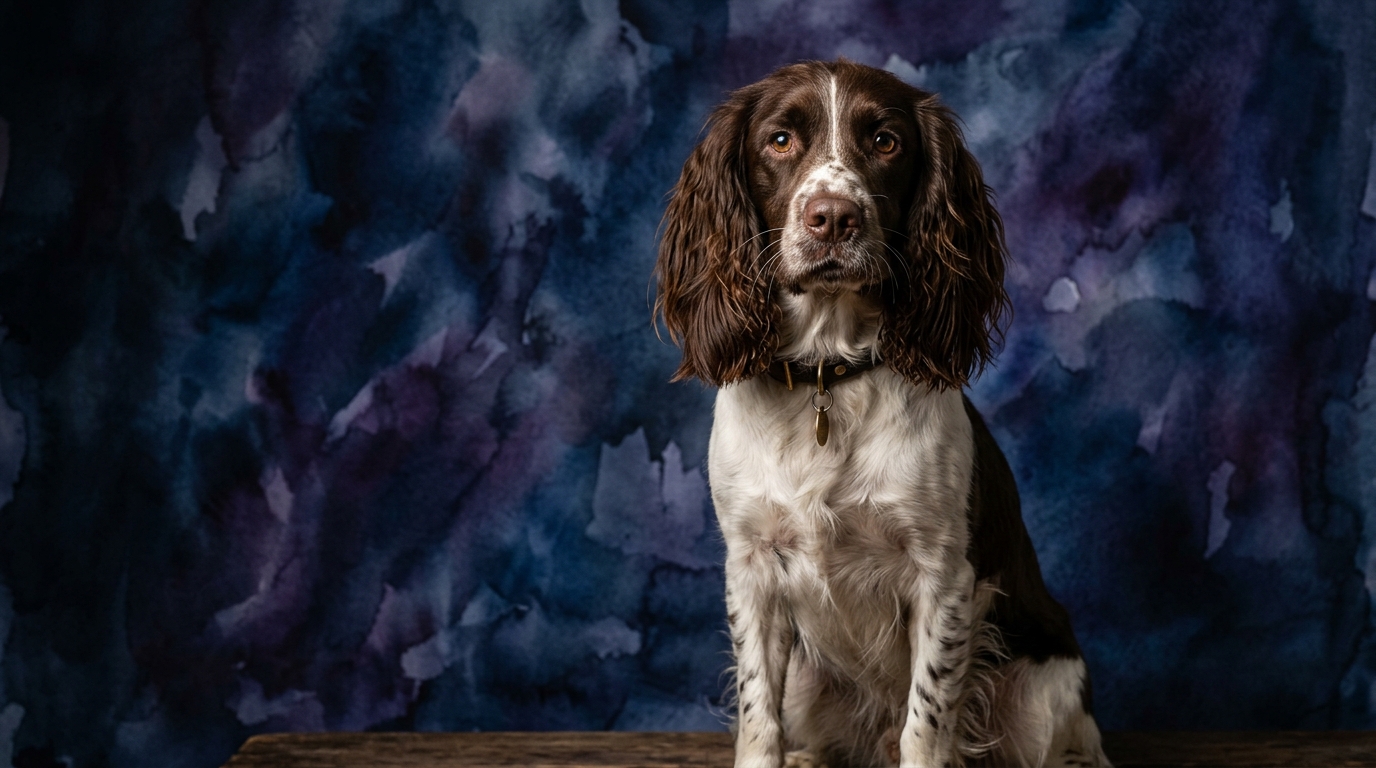
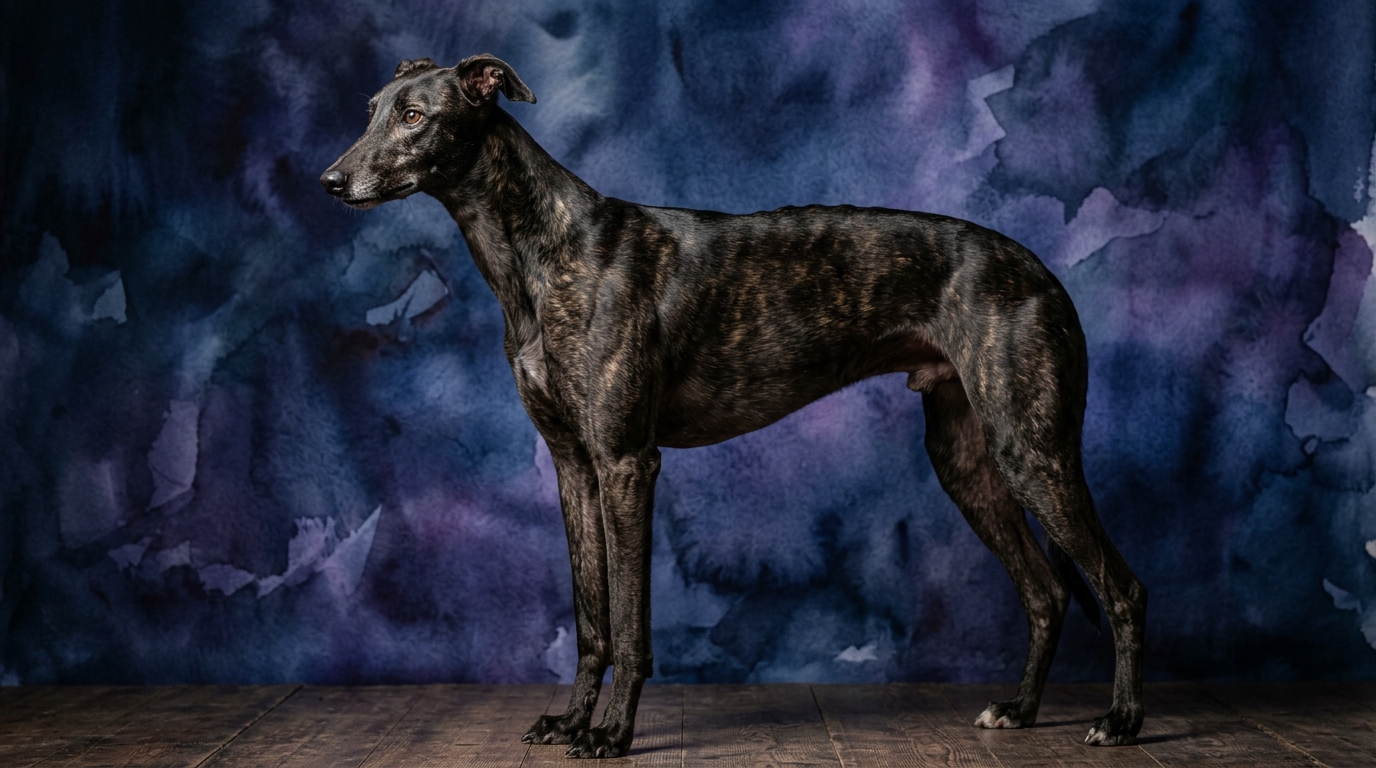
Side-by-Side IQ Profile: English Springer Spaniel vs. Greyhound
To truly understand the cognitive landscape of these two distinct breeds, we delve into their specific IQ dimensions, as assessed by The Cosmic Pet Pet IQ Lab. These scores illuminate their inherent aptitudes and tendencies, providing a clearer picture beyond general impressions.
The English Springer Spaniel, a Sporting dog with a Coren rank of #13, presents a profile geared towards active, cooperative work:
• Problem Solving (4/5): This breed exhibits strong analytical skills, quickly assessing situations to achieve goals, often involving retrieving or finding hidden objects. They adeptly learn complex sequences and adapt strategies when faced with obstacles.
• Training Speed (5/5): English Springer Spaniels are exceptionally quick learners, grasping new commands and routines with minimal repetition. Their eagerness to please and focus make them highly receptive to instruction, often anticipating handler's next move.
• Social Intelligence (4/5): With a keen understanding of human cues and emotional states, these spaniels form deep bonds and respond empathetically to their family. They excel in cooperative tasks, demonstrating a strong desire to work alongside people.
• Instinctive Drive (5/5): Their powerful hunting instincts are central, manifesting as an intense drive to search, flush, and retrieve. This innate motivation fuels their activity levels and engagement with their environment, making them tireless workers.
• Memory (4/5): English Springer Spaniels possess a robust memory for commands, learned behaviors, and spatial layouts. They recall past experiences and apply them to new situations effectively, aiding consistent performance in various tasks and environments.
The Greyhound, a Hound breed with a Coren rank of #46, showcases a cognitive design optimized for speed and independence:
• Problem Solving (3/5): Greyhounds approach problems with a pragmatic, often independent mindset. While capable, their solutions tend to be direct, favoring efficiency and energy conservation over intricate strategies, especially if a simpler path exists.
• Training Speed (2/5): These sighthounds typically require more repetition and patience during training. Their independent nature means they often need a compelling reason to comply, and their focus can be fleeting if the task isn't immediately rewarding.
• Social Intelligence (3/5): Greyhounds are affectionate with their families but often display a more reserved social demeanor, observing rather than actively seeking constant interaction. They understand human moods but may not always feel compelled to alter behavior.
• Instinctive Drive (5/5): Their instinctive drive is overwhelmingly geared towards pursuit and chase. The sight of a small, moving object triggers an immediate, powerful, and often unshakeable urge to run, a deeply ingrained genetic trait.
• Memory (3/5): Greyhounds remember routines and familiar people well, but their recall for complex, multi-step commands or less frequently practiced behaviors can be less consistent. Their memory is often tied to practical outcomes and established patterns.
Where the English Springer Spaniel Wins Cognitively
The English Springer Spaniel shines in domains requiring active engagement and collaborative effort. Its superior problem-solving (4/5) and training speed (5/5) mean it can quickly learn intricate commands, navigate complex environments, and adapt to novel situations with enthusiasm. For instance, a Springer might excel at scent work, systematically clearing an area and signaling discoveries, or mastering an agility course with precision and speed, thanks to its memory (4/5) for sequences and its strong social intelligence (4/5) which fosters a desire to work alongside its handler. This breed doesn't just perform tasks; it actively seeks to understand and participate, making it a highly interactive and responsive companion for mentally stimulating activities.
Where the Greyhound Wins Cognitively
While the Greyhound's overall scores might suggest a less 'academic' intelligence, its cognitive strengths are perfectly honed for its ancestral role. Its instinctive drive (5/5) for chase is unparalleled, demonstrating an extraordinary capacity for visual tracking, spatial awareness at high speeds, and split-second decision-making in pursuit. This isn't just brute speed; it's a specific form of intelligence involving rapid processing of visual stimuli and immediate physical execution. A Greyhound's ability to spot a distant object, calculate its trajectory, and initiate a full-speed chase within moments speaks to a specialized cognitive architecture focused on efficiency and an innate understanding of physics in motion. They demonstrate a quiet, observational intelligence, often assessing situations from a distance before reacting, rather than immediately seeking interaction.
Which is Easier to Train and Why
The English Springer Spaniel is unequivocally easier to train, primarily due to its exceptional training speed (5/5) and strong social intelligence (4/5). These traits combine to create a dog that is highly attentive, eager to please, and quick to form associations between commands and actions. Springers thrive on positive reinforcement and the opportunity to work collaboratively, often picking up new cues after just a few repetitions. Their problem-solving ability (4/5) further aids training, as they can extrapolate from known commands. In contrast, the Greyhound's training speed (2/5) and more independent social intelligence (3/5) mean they require greater patience and consistent, clear methods. Greyhounds often need more repetitions and a compelling, immediate reward to motivate them, as their focus can be less handler-centric. Their inherent independence means they may choose not to comply if they don't see the immediate benefit or if their instinctive drive (5/5) for chase takes precedence, making off-leash recall particularly challenging.
Which Suits Active Owners vs. Relaxed Owners
The English Springer Spaniel is an ideal match for active owners who relish engaging their dog in structured activities. Their high instinctive drive (5/5) combined with superior problem-solving and training speed means they require consistent mental and physical stimulation, thriving in roles like hunting, agility, or competitive obedience. Owners who enjoy long hikes, scent work, or daily training will find a Springer a willing and enthusiastic partner. For relaxed owners, the Greyhound often presents a surprisingly good fit despite its incredible speed. While they possess an intense instinctive drive (5/5) for short bursts of running, Greyhounds are famously '45 mph couch potatoes.' They are content with a couple of brisk walks or a safe, fenced area for a good sprint, followed by long periods of napping. Their lower training speed and less demanding social intelligence make them excellent companions for owners who appreciate a calm, quiet presence indoors after their exercise.
The Verdict
Choose an English Springer Spaniel if you desire a highly trainable, interactive companion eager for collaborative tasks, scent work, and consistent mental challenges.
Opt for a Greyhound if you appreciate a calm, independent home presence, are prepared for their intense short bursts of speed, and seek a dog that thrives on quiet companionship after its exercise.
🧠 Find Your Pet's IQ Score
Our Pet IQ Lab assessment covers 25+ tests across 5 cognitive dimensions — personalized to your breed.
Take the Full IQ Test →Frequently Asked Questions
Are English Springer Spaniels good for first-time dog owners?
Yes, their high training speed and social intelligence make them relatively easy to train and responsive to guidance, though their energy and need for mental engagement require a committed owner. They thrive on consistent routines and positive reinforcement.
Do Greyhounds need a lot of exercise?
Greyhounds require regular opportunities for short, intense sprints in a secure area, but they are not endurance dogs. Beyond these bursts, they are generally calm indoors and enjoy lounging, making their daily exercise needs manageable for many lifestyles.
How do their instinctive drives differ in daily life?
The Springer's drive manifests as a constant desire to explore, flush, and retrieve, often leading to sniffing out interesting scents and bringing you objects. The Greyhound's drive is almost exclusively focused on chasing moving objects, requiring careful management in unfenced areas due to their powerful prey drive.