Side-by-Side IQ Profile: English Springer Spaniel vs Havanese
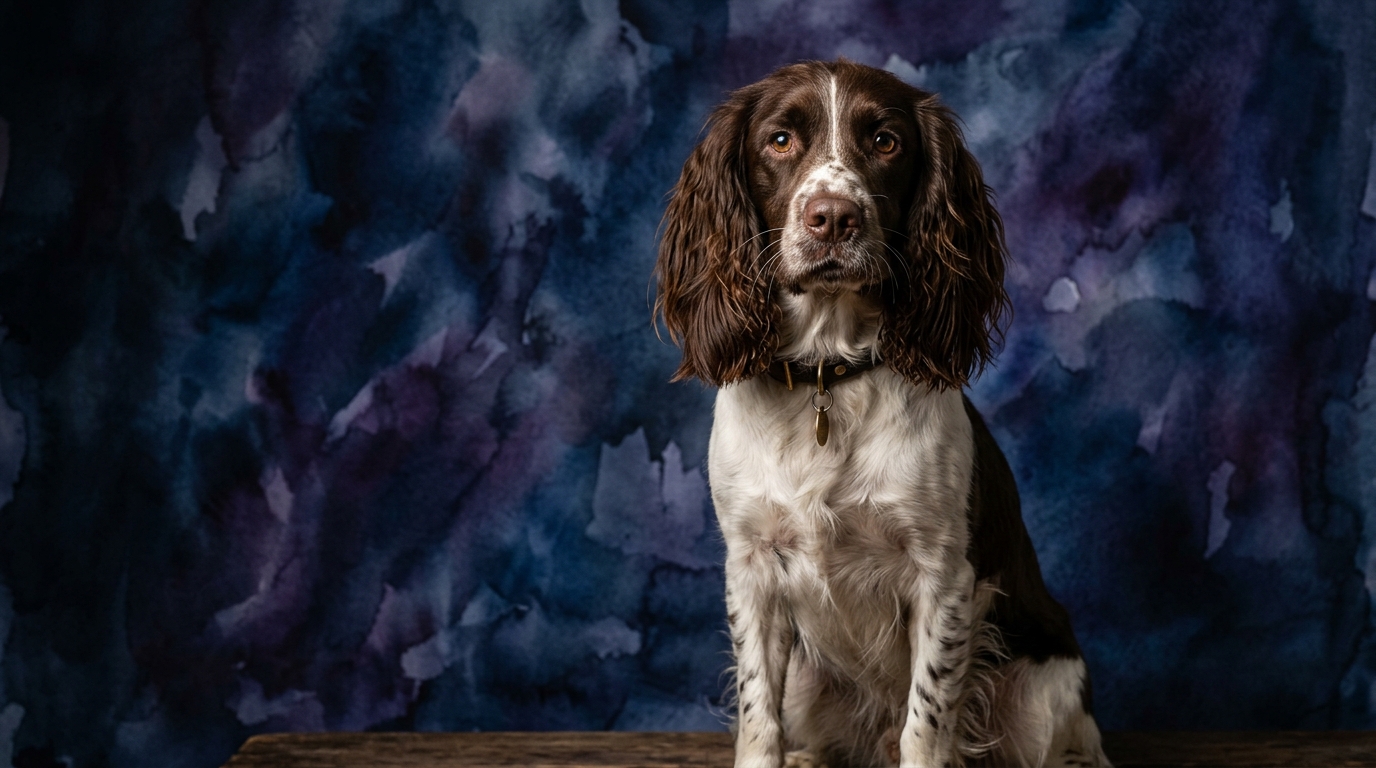
At The Cosmic Pet Pet IQ Lab, we evaluate canine cognition across five key dimensions. The English Springer Spaniel, holding a Coren rank of #13, exhibits a robust cognitive blueprint tailored for its working heritage. Its Problem Solving is rated 4/5, indicating a strong capacity for navigating complex environments and figuring out solutions to obstacles, often related to retrieving or tracking. Training Speed is an exceptional 5/5, reflecting an innate ability to grasp new commands and routines with remarkable rapidity. Social Intelligence stands at 4/5, demonstrating a good understanding of human cues and emotions, fostering strong bonds. An Instinctive Drive of 5/5 means a powerful innate urge for activities like flushing, retrieving, and scent work, while Memory is strong at 4/5, allowing for effective retention of learned behaviors and spatial information.
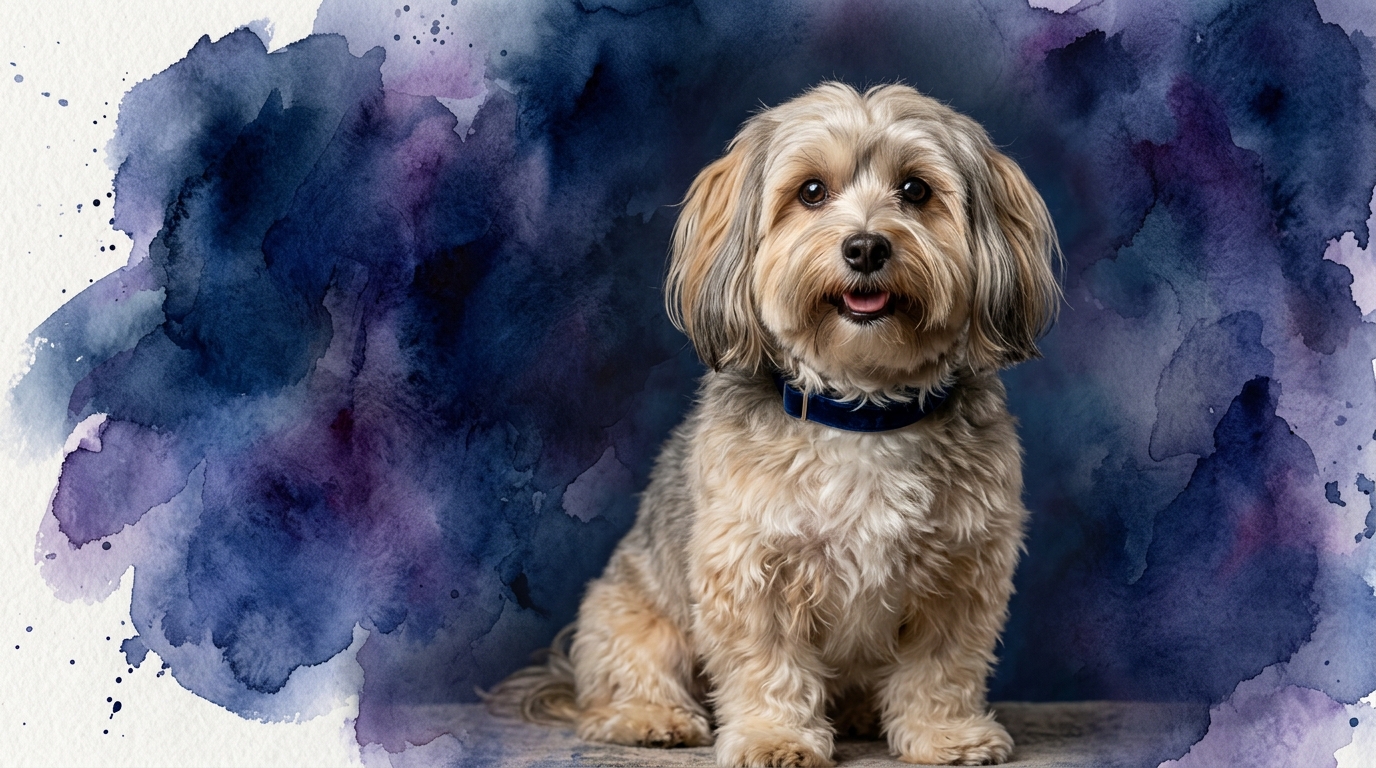
The Havanese, while not Coren-ranked, presents a unique and equally valid cognitive structure focused on companionship. Its Problem Solving is 3/5, capable of addressing everyday challenges, though perhaps less inclined towards complex, independent problem-solving requiring sustained physical effort. Training Speed is 3/5, suggesting a moderate learning pace that benefits from consistent, positive reinforcement. Where the Havanese truly shines is in Social Intelligence, earning a perfect 5/5 for its exceptional ability to read and respond to human emotions and social cues, thriving on interaction. Instinctive Drive is lower at 2/5, prioritizing social bonding over tasks like hunting or guarding. Memory is 3/5, functional for routines and familiar people, though potentially less adept at recalling intricate sequences over extended periods without reinforcement.
Where the English Springer Spaniel Wins Cognitively
The English Springer Spaniel's cognitive strengths are deeply rooted in its heritage as a working gundog, particularly in areas demanding rapid learning, persistence, and practical problem-solving. Their superior Training Speed (5/5) means they absorb new commands with remarkable rapidity, making them exceptionally trainable for complex tasks and competitive dog sports. This isn't just about rote learning; it's an eagerness to cooperate and a quick processing of instructions. Their high Instinctive Drive (5/5) translates into an unwavering focus and persistence when engaged in tasks involving scent work, retrieving, or navigating varied terrains. This isn't merely a physical drive; it’s a cognitive persistence to follow through on a task, solving environmental challenges (Problem Solving 4/5) on the fly to achieve a goal. For example, they might instinctively figure out the best path through dense brush to retrieve a thrown object, showcasing their spatial awareness and practical problem-solving. Their Memory (4/5) is robust, allowing them to recall intricate sequences of commands or the location of hidden objects, vital for sustained work in the field or advanced obedience routines. They don't just remember *what* to do, but *how* to adapt their actions based on past experiences, demonstrating a practical application of memory in dynamic situations.
Where the Havanese Wins Cognitively
The Havanese shines in the realm of social cognition, boasting a perfect 5/5 in Social Intelligence. This isn't merely being 'friendly'; it reflects a profound capacity to read and respond to human emotional states, intentions, and subtle social cues. They are masters of companionship, often anticipating their owner's moods and adjusting their behavior accordingly, whether offering comfort or initiating playful interaction. This high social acumen makes them incredibly attuned family members, capable of forming deep, empathetic bonds. While their Instinctive Drive is lower (2/5) and Problem Solving (3/5) may not involve complex environmental navigation, their cognitive energy is channeled into understanding and maintaining social harmony within their human pack. They learn routines related to family life well, such as when it's time for a walk or a meal, demonstrating a practical application of their Memory (3/5) within a social context. Their moderate Training Speed (3/5) is often influenced by their desire to please and engage socially, meaning they learn best when training is framed as an interactive, positive experience rather than a strict task. They excel in learning behaviors that enhance their role as a cherished companion, like performing tricks for attention or adhering to household rules that maintain their place within the social structure.
Which is Easier to Train and Why
Based on The Cosmic Pet Pet IQ Lab metrics, the English Springer Spaniel is generally easier to train due to its superior Training Speed (5/5) and high Instinctive Drive (5/5). Springers possess an innate eagerness to work alongside humans and a rapid acquisition of new commands. Their high drive means they are often self-motivated by the activity itself, whether it's retrieving, scent work, or agility, making them highly responsive to task-oriented training. For instance, a Springer will likely master 'fetch' or complex agility courses with fewer repetitions and greater enthusiasm than a Havanese because these activities tap into their core drives and rapid learning capacity.
The Havanese, with a Training Speed of 3/5, requires a more patient and consistent approach. Their training is less about tapping into a strong work drive and more about leveraging their exceptional Social Intelligence (5/5) and desire for companionship. Havanese learn best when training is a positive, engaging social interaction, often responding well to praise, gentle encouragement, and treat rewards. They might take longer to generalize commands to new environments or master complex multi-step tasks, but they are highly motivated to please their human companions, making them amenable to learning if the process is fun and relationship-focused. Behavioral differences arise from their historical roles: Springers were bred to take direction and perform specific jobs, leading to a strong 'work ethic' in training, whereas Havanese were bred for companionship, making social reinforcement paramount in their learning process.
Which Suits Active Owners vs. Relaxed Owners
The English Springer Spaniel is unequivocally suited for active owners. Their formidable Instinctive Drive (5/5) and Problem Solving (4/5) abilities mean they thrive on daily physical and mental challenges. Owners who enjoy long hikes, running, hunting, competitive dog sports like agility or obedience, or even extensive scent work will find a Springer to be an enthusiastic and tireless partner. Without sufficient outlets for their energy and cognitive engagement, Springers can become bored and potentially develop undesirable behaviors. They require consistent interaction and tasks that stimulate their sharp minds and robust bodies.
Conversely, the Havanese is an ideal match for relaxed owners or those seeking a devoted indoor companion. Their lower Instinctive Drive (2/5) means their exercise needs are moderate, satisfied by daily walks and indoor play. Their exceptional Social Intelligence (5/5) means their primary need is for companionship and interaction with their human family. They thrive on being involved in daily household activities, snuggling on the couch, and engaging in gentle play. While they enjoy learning tricks and short bursts of activity, their cognitive and physical demands are geared towards social bonding and comfort rather than high-octane performance. Owners who prioritize a close, affectionate bond and a less demanding physical routine will find the Havanese to be a perfect fit.
The Verdict
Opt for an English Springer Spaniel if you are an active individual or family seeking a highly trainable, driven partner for outdoor adventures, dog sports, or a working role, capable of rapid learning and persistent problem-solving.
Select a Havanese if you desire a devoted, socially adept companion who thrives on close human interaction, offers profound emotional connection, and requires moderate physical activity suitable for a more relaxed lifestyle.
🧠 Find Your Pet's IQ Score
Our Pet IQ Lab assessment covers 25+ tests across 5 cognitive dimensions — personalized to your breed.
Take the Full IQ Test →Frequently Asked Questions
Does a higher Coren rank mean a dog is 'smarter' in all aspects?
Not necessarily. Coren's ranking primarily assesses 'working and obedience intelligence,' focusing on trainability and command following, which aligns with Training Speed. It doesn't fully capture social intelligence, problem-solving in novel situations, or instinctive drives, which are equally vital aspects of a dog's cognitive profile.
Can a Havanese be trained for complex tasks like a Springer?
While a Havanese has a moderate Training Speed, their exceptional social intelligence allows them to learn many complex tasks if training is made engaging and positive, leveraging their desire to please. However, their lower instinctive drive means they might lack the sustained focus and enthusiasm for demanding, repetitive tasks that a Springer naturally exhibits.
How do their memory differences impact daily life?
An English Springer Spaniel's 4/5 memory means they'll likely recall complex multi-step routines, hidden objects, or specific commands over longer periods, making them reliable for intricate tasks. A Havanese's 3/5 memory is excellent for daily routines, recognizing familiar faces, and remembering basic commands, but might require more frequent reinforcement for highly detailed or less common instructions.