Side-by-Side IQ Profile: Springer Spaniel vs. Lakeland Terrier
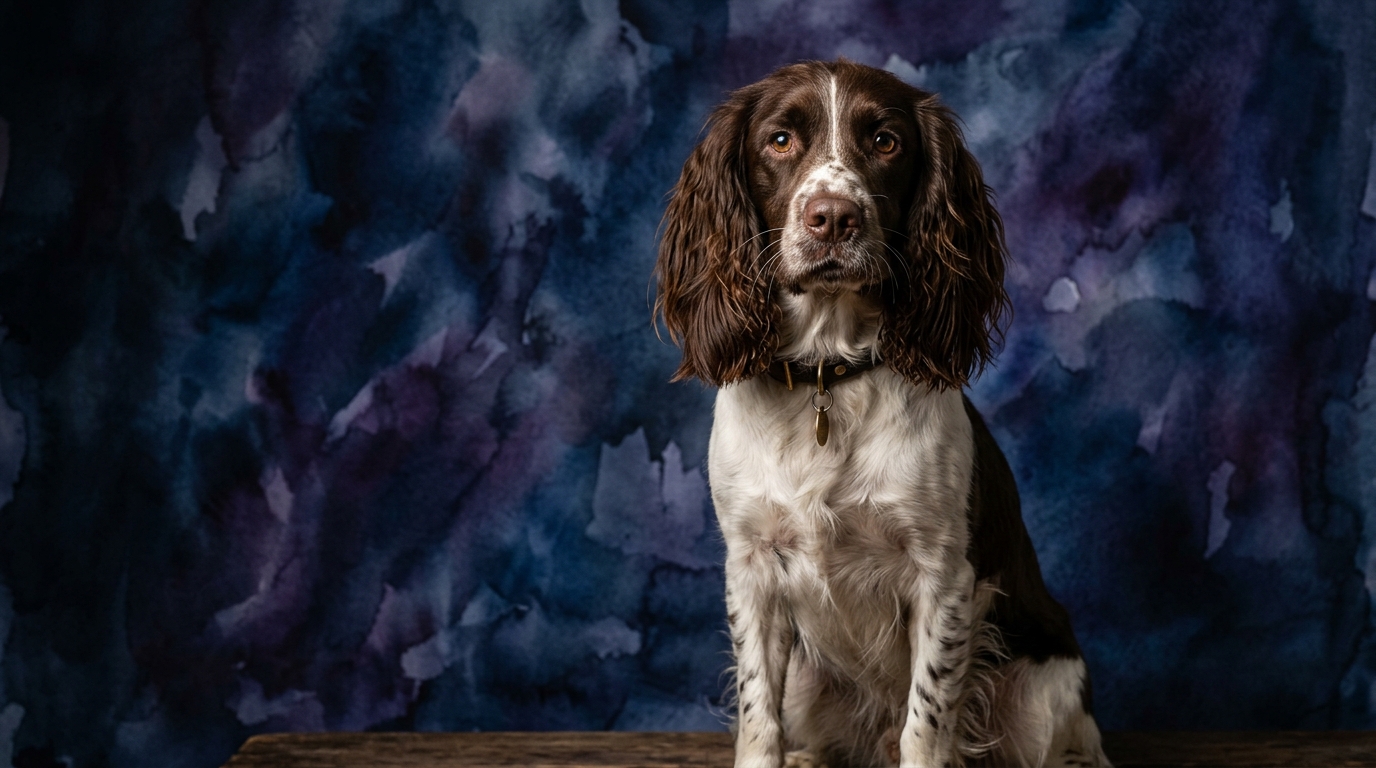
The English Springer Spaniel, a celebrated member of the Sporting group, achieves a remarkable Coren rank of #13, indicating a breed that grasps new commands with exceptional speed. Our Pet IQ Lab scores reflect this: Problem Solving at 4/5, Training Speed at a perfect 5/5, Social Intelligence at 4/5, Instinctive Drive at 5/5, and Memory at 4/5. These metrics paint a picture of a dog that is not only quick to learn but also highly attuned to human cues and possesses a robust working drive, capable of complex tasks and retaining information over long periods. Their cognitive strengths are deeply rooted in their history as versatile hunting companions, requiring both independent action and close partnership.
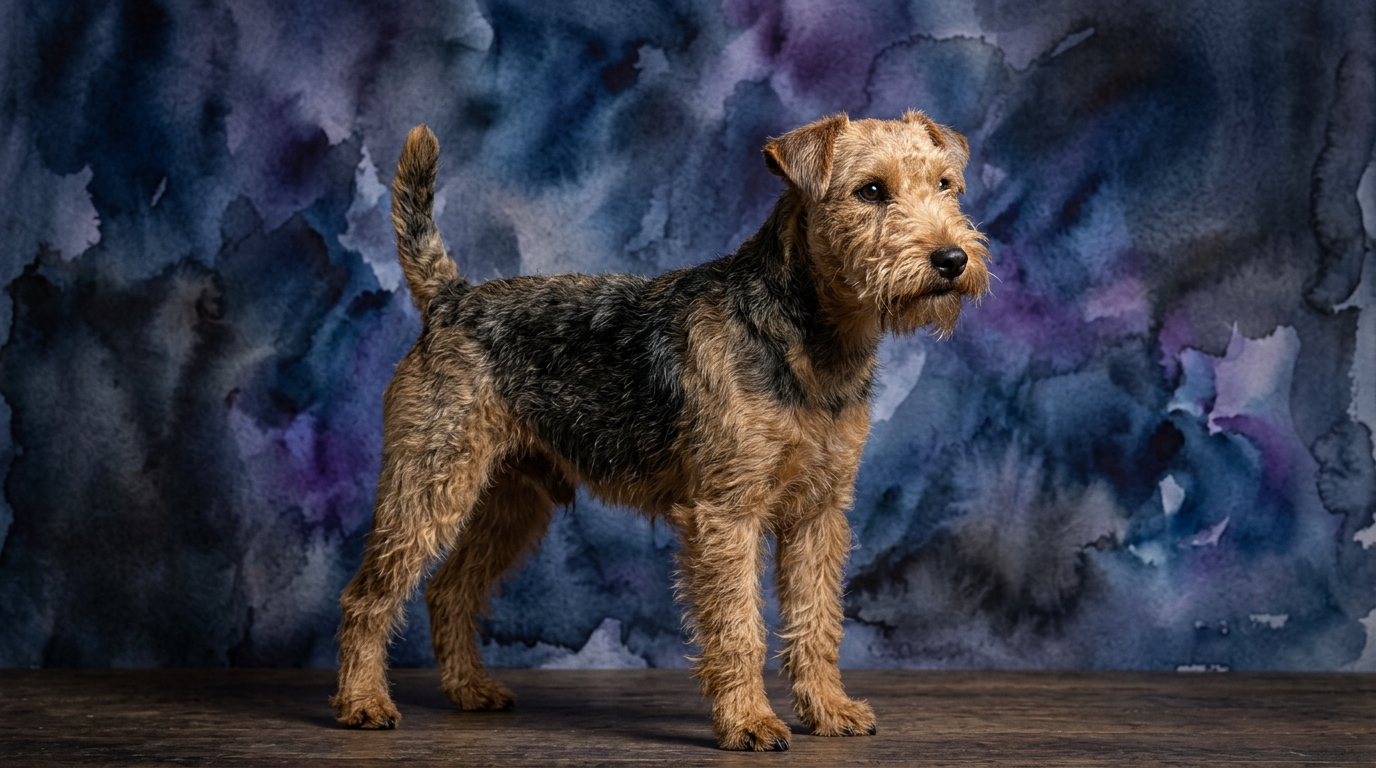
In contrast, the Lakeland Terrier, while unranked by Coren, presents a different cognitive profile, characteristic of the Terrier group's unique blend of tenacity and self-reliance. Our Pet IQ Lab assigns them scores of 3/5 for Problem Solving, 3/5 for Training Speed, 3/5 for Social Intelligence, 3/5 for Instinctive Drive, and 3/5 for Memory. These scores suggest a functional and capable intellect, though perhaps one that operates with more self-direction than overt biddability. Their cognitive traits reflect their heritage as fearless vermin hunters, a role that demanded quick, independent decision-making and persistence in challenging environments, often without direct human guidance.
Where the English Springer Spaniel Wins Cognitively
The English Springer Spaniel consistently demonstrates a cognitive edge across multiple dimensions when compared to the Lakeland Terrier, largely due to its purpose-bred inclination towards partnership and task execution. Its 5/5 Training Speed score is a clear indicator of its rapid assimilation of new commands and routines, making it an exceptionally biddable and responsive learner. This isn't just about obedience; it reflects a deep capacity for understanding and complying with human instruction, a trait that makes them highly adaptable to various training disciplines, from agility to service work. Their Problem Solving at 4/5 means they can navigate complex scenarios and figure out solutions efficiently, often with an eye towards human approval.
Furthermore, the Springer Spaniel's 4/5 Social Intelligence highlights its keen awareness of human emotions and intentions, fostering a strong, cooperative bond. This translates into a dog that not only wants to please but genuinely understands how to interact effectively within a family structure. Coupled with a 5/5 Instinctive Drive, their cognitive strengths are channeled into purposeful action, whether it's retrieving, flushing game, or engaging in demanding dog sports. Their 4/5 Memory ensures they retain learned behaviors and past experiences, building a reliable and consistent behavioral repertoire. This comprehensive cognitive package makes the Springer Spaniel a standout for owners seeking a highly interactive, trainable, and task-oriented companion.
Where the Lakeland Terrier Wins Cognitively
While the Lakeland Terrier's scores might appear lower on a direct comparison, their cognitive profile represents a distinct set of strengths, particularly for owners who appreciate a dog with robust independence and problem-solving tenacity. Their 3/5 in Problem Solving, while not as high as the Springer's, signifies a dog capable of resourceful thinking, often driven by their own initiative rather than solely relying on human direction. This manifests as a cleverness in navigating obstacles or pursuing objectives, a trait vital for their original role of hunting quarry in tight spaces.
The Lakeland Terrier's 3/5 Instinctive Drive, though moderate, is characterized by a focused determination. It's not about boundless energy directed by an owner, but rather a persistent drive to complete a self-assigned task or satisfy a curiosity. This can be a 'win' for owners who prefer a dog that thinks for itself and isn't constantly seeking direction, offering a more self-sufficient companionship. Their 3/5 Social Intelligence suggests a dog that forms strong, discerning bonds, perhaps less overtly people-pleasing but deeply loyal to their chosen few. This independence, while sometimes posing a training challenge, also means they are less prone to separation anxiety and are comfortable occupying themselves, which can be a significant advantage for certain lifestyles. Their memory, at 3/5, is perfectly adequate for their lifestyle, allowing them to learn and adapt to their environment effectively, even if their recall isn't always instantaneous.
Which is Easier to Train and Why
When it comes to ease of training, the English Springer Spaniel holds a distinct advantage over the Lakeland Terrier, a difference rooted in their fundamental cognitive make-up and historical purpose. The Springer Spaniel's 5/5 Training Speed score is a testament to its eagerness to learn and its rapid comprehension of new commands. This breed typically exhibits strong 'biddability,' meaning they are inherently inclined to work alongside their human partners and derive satisfaction from pleasing them. Their 4/5 Social Intelligence further enhances this, as they are adept at reading human cues and intentions, facilitating smoother communication during training sessions. Behavioral differences often include a greater focus on the handler, a quicker response to verbal commands and hand signals, and a higher tolerance for repetitive training exercises.
The Lakeland Terrier, with a 3/5 Training Speed, requires a different approach. Their independent nature, a hallmark of the Terrier group, means they are less inherently driven to please and more inclined to follow their own instincts. While they are certainly capable of learning, their training often demands more patience, consistency, and creative motivation from their owners. Their 3/5 Social Intelligence means they might be less concerned with human approval and more focused on the task at hand, or what they perceive as their own agenda. Behavioral differences include a tendency to be more easily distracted by environmental stimuli, a stronger inclination to dig or chase, and a need for owners to make training feel like a fun game rather than a chore to maintain engagement. While they can be trained to a high standard, it typically takes more effort and a deeper understanding of terrier psychology.
Which Suits Active Owners vs. Relaxed Owners
The cognitive profiles of these two breeds clearly delineate their suitability for different owner lifestyles, primarily driven by their instinctive drives and need for engagement. The English Springer Spaniel, with its 5/5 Instinctive Drive and 4/5 Problem Solving, is an ideal match for active owners. This breed thrives on structured activity, whether it's long hikes, retrieving games, agility, or competitive obedience. Their high physical and mental energy requires consistent outlets; without sufficient engagement, their sharp minds and bodies can channel their energy into less desirable behaviors like excessive barking or destructive chewing. They excel in environments where they are given a job to do, making them perfect for individuals or families who enjoy outdoor activities and can integrate their dog into a busy, stimulating routine. Their biddability also means they are more likely to participate enthusiastically in owner-initiated activities.
The Lakeland Terrier, while still an active breed, aligns better with owners who appreciate a dog with bursts of energy interspersed with periods of independent relaxation, rather than constant, high-octane demand. Their 3/5 Instinctive Drive suggests they need regular physical activity, but perhaps not the relentless drive of a Springer. They enjoy walks, playtime, and exploring, but their mental stimulation often comes from problem-solving on their own terms – investigating smells, digging, or engaging with puzzle toys. They are generally less demanding of constant owner interaction for their exercise needs, often content to patrol the yard or entertain themselves. Owners who prefer a dog with a strong individual personality, who can be active but also enjoys downtime, and who don't mind a bit of spirited independence, will find the Lakeland Terrier a rewarding companion. They are not suited for entirely sedentary lifestyles, but their activity requirements are often more adaptable to a slightly less 'on-the-go' owner than the Springer Spaniel.
The Verdict
Choose the English Springer Spaniel if you seek a highly trainable, biddable, and energetic partner eager to participate in demanding activities and form a deeply cooperative bond. They thrive with owners who can provide consistent mental and physical stimulation.
Opt for the Lakeland Terrier if you appreciate a dog with a tenacious, independent spirit, capable of self-amusement and resourceful problem-solving, and who offers discerning loyalty rather than constant people-pleasing. They suit owners who value a dog's individual personality and are prepared for a bit of terrier spunk.
🧠 Find Your Pet's IQ Score
Our Pet IQ Lab assessment covers 25+ tests across 5 cognitive dimensions — personalized to your breed.
Take the Full IQ Test →Frequently Asked Questions
Are English Springer Spaniels good with children?
Yes, English Springer Spaniels generally possess high social intelligence and a gentle, eager-to-please nature, making them typically excellent companions for children when properly socialized and trained. Their playful yet stable temperament often allows them to integrate well into family dynamics.
Do Lakeland Terriers require a lot of grooming?
Lakeland Terriers have a wiry, double coat that requires regular grooming to maintain its health and appearance. This typically involves weekly brushing and professional hand-stripping or clipping every few months to remove dead hair and prevent matting.
Which breed is better for first-time dog owners?
For first-time dog owners seeking an easier training experience and a highly cooperative companion, the English Springer Spaniel is generally a more suitable choice due to its higher training speed and social intelligence. The Lakeland Terrier's independent nature can present more challenges for novice owners.