Side-by-Side Cognitive Profiles: Springer Spaniel vs. Pug
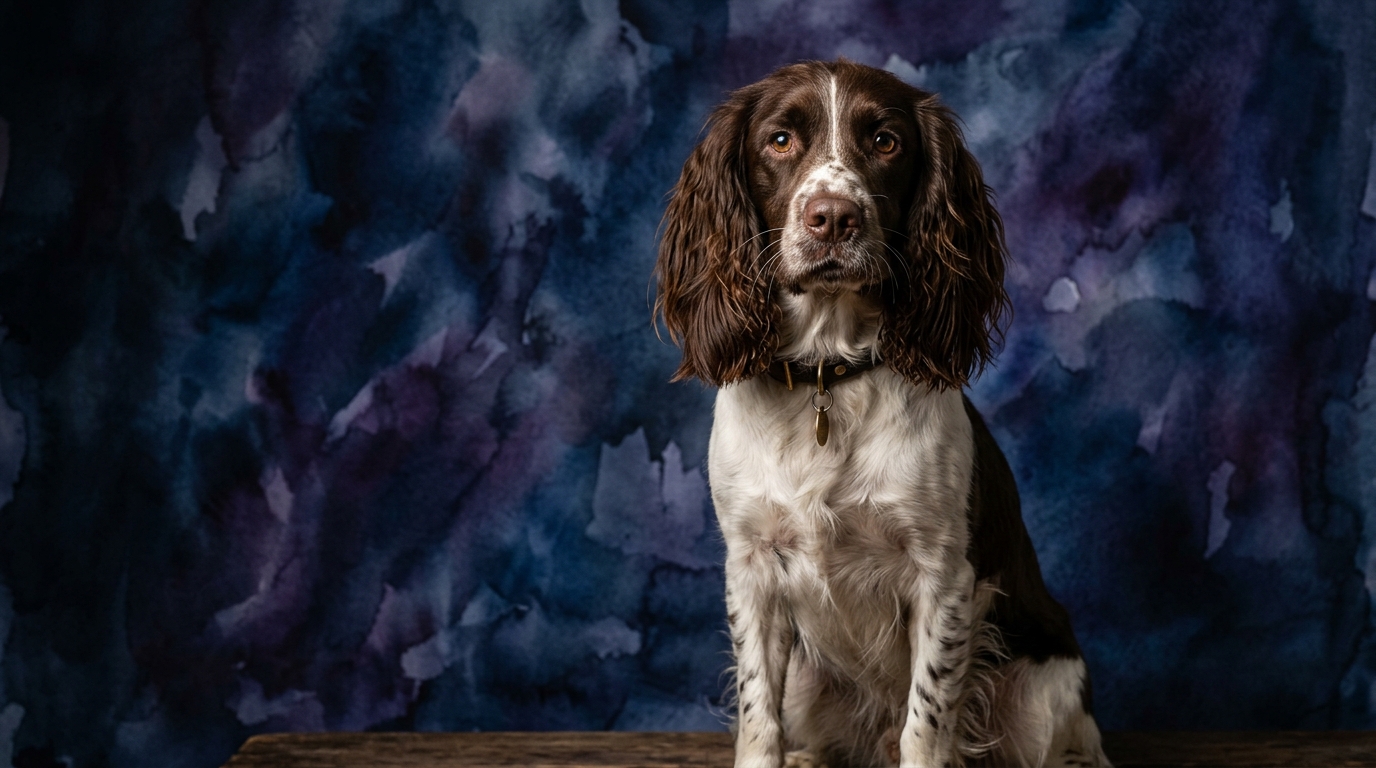
The English Springer Spaniel, holding a respectable Coren rank of #13, presents a robust cognitive profile tailored for dynamic tasks and partnership. Their Problem Solving score of 4/5 indicates a strong capacity for navigating complex scenarios, figuring out routes, or understanding multi-step tasks. Training Speed, rated 5/5, highlights their exceptional ability to grasp new commands with minimal repetition, eager to comply and work alongside their human companions. Social Intelligence, at 4/5, reflects their cooperative nature and responsiveness to human cues, while their Instinctive Drive of 5/5 underscores their powerful genetic inclination for hunting, retrieving, and sustained activity. Finally, a Memory score of 4/5 ensures they retain learned behaviors, routines, and experiences effectively.
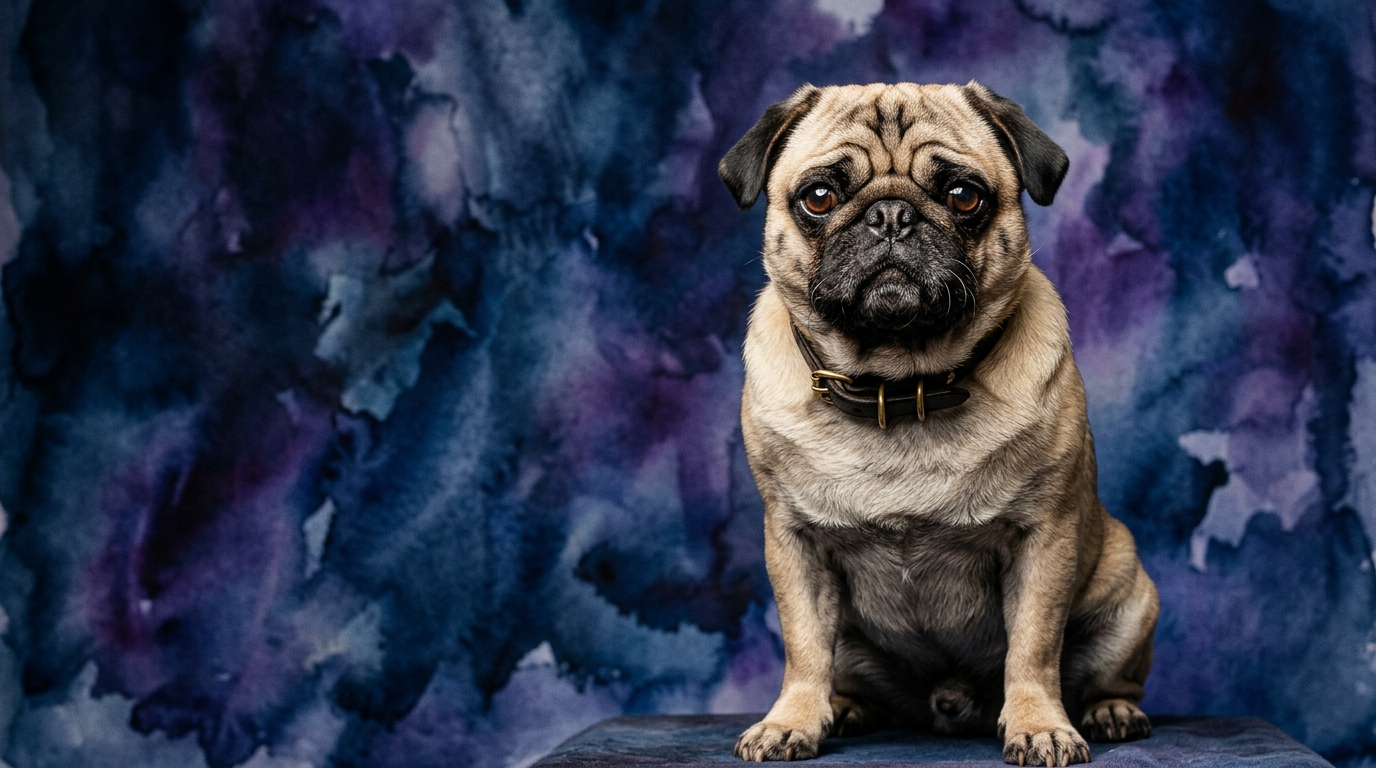
In contrast, the Pug, ranked #57 by Coren, showcases a cognitive makeup optimized for companionship and social engagement rather than fieldwork. Their Problem Solving score of 2/5 suggests they might approach novel challenges with less independent initiative, often preferring human guidance or simpler solutions. A Training Speed of 2/5 indicates that Pugs typically require more consistent repetition and patience to solidify new commands, as their motivation might differ from that of a working breed. Where the Pug truly shines is in Social Intelligence, scoring a perfect 5/5; they are exquisitely attuned to human emotions, subtle cues, and social dynamics, making them exceptional companions. Their Instinctive Drive of 2/5 means they possess a low drive for traditional working tasks, prioritizing comfort and human interaction. A Memory score of 3/5 suggests a reasonable ability to recall familiar people, places, and basic routines, though perhaps less detail-oriented than the Springer.
Where the English Springer Spaniel Excels Cognitively
The English Springer Spaniel's cognitive prowess is most evident in scenarios demanding active engagement, rapid learning, and sustained focus. Their 4/5 Problem Solving score means they are adept at tasks like navigating intricate agility courses, figuring out puzzle toys that require multiple steps, or independently locating hidden objects. This breed exhibits a remarkable capacity for working through challenges, often demonstrating an innate understanding of cause and effect in their environment. For instance, a Springer might quickly learn to open a specific gate latch or retrieve a dropped item from a tight space, showcasing their practical intelligence.
Furthermore, their 5/5 Training Speed is a testament to their exceptional receptiveness to instruction. English Springer Spaniels can master complex command sequences, learn the names of numerous objects, and adapt quickly to new routines or environments. This rapid assimilation of information makes them highly versatile for various dog sports, service work, or advanced obedience. Their strong Instinctive Drive (5/5) means they possess a deep-seated desire to 'work,' making them highly motivated by tasks that tap into their natural retrieving and scenting abilities. This drive, combined with their sharp memory (4/5), enables them to execute long, precise sequences of commands, even after periods of inactivity, making them formidable partners in demanding activities.
Where the Pug Shines Cognitively
The Pug's cognitive strengths are profoundly rooted in their social acumen and perceptive understanding of human behavior. Their outstanding 5/5 Social Intelligence score signifies an unparalleled ability to read and respond to human emotions, mood shifts, and subtle non-verbal cues. A Pug might intuitively sense when their owner is feeling down and offer comfort, or understand a slight gesture indicating a desire for quiet interaction versus playful engagement. This profound emotional intelligence allows them to form incredibly deep, empathetic bonds with their human families, often anticipating needs before they are explicitly communicated.
While not geared for complex problem-solving in the traditional sense, the Pug's cognitive efforts are largely directed towards maintaining harmonious social relationships. Their memory (3/5) is particularly effective for recalling routines related to comfort, feeding, and interaction, ensuring they remember preferred sleeping spots or the precise time for a cuddle session. They might not excel at intricate puzzle toys, but they are masters at 'puzzling out' human attention and affection, employing charming antics or specific gazes to achieve their social goals. This breed's unique cognitive makeup emphasizes connection over task, making them exquisitely sensitive and responsive companions within a domestic setting.
Which is Easier to Train and Why?
Based on their respective IQ profiles, the English Springer Spaniel is generally much easier to train than the Pug, primarily due to fundamental differences in their inherent drives and responsiveness. The Springer Spaniel's 5/5 Training Speed and 5/5 Instinctive Drive mean they are naturally inclined to learn, eager to please, and highly motivated by tasks that engage their working heritage. They thrive on structure, positive reinforcement, and the opportunity to use their keen senses and physical abilities. A Springer will typically pick up basic commands like 'sit,' 'stay,' and 'come' with very few repetitions, often showing enthusiasm for more complex sequences and advanced obedience training. Their focus and desire to cooperate make training sessions productive and rewarding.
Conversely, the Pug's 2/5 Training Speed and 2/5 Instinctive Drive present a different training dynamic. While not incapable of learning, Pugs often require significantly more patience, consistency, and highly motivating rewards (often food-based) to learn and retain commands. Their primary drive is social interaction and comfort, not performing tasks for the sake of it, which can make them appear stubborn or easily distracted during training. A Pug might understand a command but choose not to execute it if they perceive a more appealing alternative, such as a comfortable lap or a snack. Successful training with a Pug often hinges on making it a fun, positive, and low-pressure experience, leveraging their strong social bonds rather than relying on a strong inherent 'work ethic.'
Suited for Active vs. Relaxed Owners
The English Springer Spaniel is undeniably suited for active owners who can meet their substantial physical and mental exercise requirements. With a 5/5 Instinctive Drive, these dogs need more than just a casual walk; they thrive on activities like long hikes, trail running, scent work, agility, or retrieving games. Owners who enjoy outdoor adventures, hunting, or participating in dog sports will find a highly engaged and enthusiastic partner in a Springer. Their robust problem-solving skills and rapid learning also mean they benefit greatly from consistent mental stimulation through training, puzzle toys, and new experiences. A sedentary lifestyle would likely lead to a frustrated and potentially destructive Springer Spaniel.
The Pug, with its low 2/5 Instinctive Drive, is the quintessential companion for relaxed owners and those living in smaller spaces, like apartments. While they do enjoy short, leisurely walks and playtime, their exercise needs are modest, primarily due to their brachycephalic (short-nosed) physiology which makes strenuous activity challenging. Owners who prefer quiet evenings, gentle strolls, and ample cuddle time will find the Pug to be an ideal match. Their high social intelligence means they are content to be close to their human companions, observing and participating in the calm rhythm of home life. They are less concerned with complex physical challenges and more focused on comfort and affectionate interaction.
The Verdict
Choose an English Springer Spaniel if you seek an energetic, highly trainable partner for active lifestyles, dog sports, or fieldwork, valuing a dog that eagerly engages in learning and physical challenges. They are best for owners who can provide ample mental and physical stimulation.
Opt for a Pug if you desire a calm, affectionate, and deeply socially perceptive companion who thrives on close human interaction and a relaxed home environment. They are perfect for owners seeking a devoted lapdog whose greatest joy is simply being with their people.
🧠 Find Your Pet's IQ Score
Our Pet IQ Lab assessment covers 25+ tests across 5 cognitive dimensions — personalized to your breed.
Take the Full IQ Test →Frequently Asked Questions
Are English Springer Spaniels good family dogs?
Yes, English Springer Spaniels can be wonderful family dogs, especially for active families who can meet their exercise and mental stimulation needs. Their cooperative nature and social intelligence make them generally good with children, though early socialization is always beneficial.
Do Pugs require a lot of grooming?
Pugs have a short, smooth coat that sheds moderately, requiring regular brushing to manage loose hair. Their facial wrinkles, however, need daily cleaning to prevent skin irritation and infection, making their grooming routine focused on specific areas rather than coat length.
Which breed is better for first-time dog owners?
For first-time dog owners, the Pug might be a more manageable choice due to their lower exercise needs and generally more laid-back disposition, despite their training requiring patience. English Springer Spaniels, while highly trainable, demand a significant commitment to exercise and mental engagement that can be overwhelming for those new to dog ownership.