
Side-by-Side IQ Profile
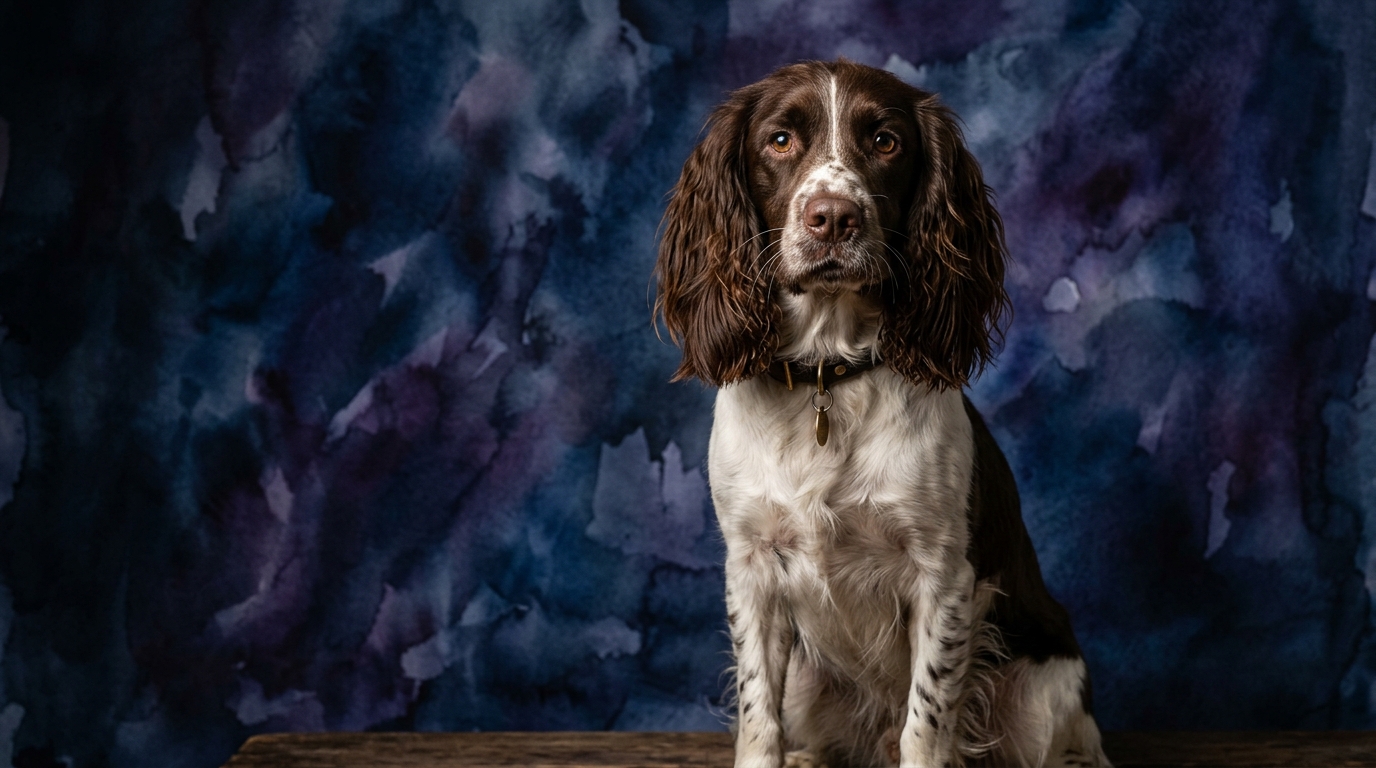
The English Springer Spaniel, Coren-ranked #13, showcases a robust cognitive makeup. Their Problem Solving is rated 4/5, indicating an ability to independently navigate complex tasks and adapt effectively. A Training Speed of 5/5 highlights their exceptional eagerness and rapid assimilation of commands, making them incredibly responsive. Social Intelligence at 4/5 means they are deeply attuned to human cues and social structures, fostering strong, cooperative partnerships. Their Instinctive Drive, a perfect 5/5, reflects a powerful inherent desire to hunt, retrieve, and work. Memory, rated 4/5, ensures they retain learned behaviors and past experiences with impressive recall and consistency.
The Rat Terrier, while not Coren-ranked, possesses a distinct and functional cognitive profile. Their Problem Solving is rated 3/5, suggesting they can tackle challenges, often with tenacity, but might require more guidance or trial-and-error than a Springer. A Training Speed of 3/5 indicates a steady learning pace, though perhaps less immediate in their responses compared to breeds with higher scores. Social Intelligence at 3/5 means they are capable of forming bonds but may display more independence or less overt people-pleasing behavior. An Instinctive Drive of 3/5 points to a moderate prey drive and working inclination, present but typically not overwhelming. Memory, also 3/5, implies they retain information reliably, though perhaps with less long-term detail or speed of recall than their Springer counterpart.
Where English Springer Spaniel Wins Cognitively
The English Springer Spaniel consistently demonstrates cognitive advantages, especially in cooperative and performance-based roles. Their superior Training Speed (5/5) means they grasp new commands almost immediately, often anticipating expectations, which is invaluable in dynamic field work or competitive obedience. This rapid learning is significantly bolstered by their 4/5 Problem Solving, enabling them to quickly strategize and adapt when faced with novel challenges, such as navigating complex terrain to locate a retrieve. Their high Social Intelligence (4/5) allows them to deeply connect with their handlers, reading subtle body language and vocal cues, which translates into an intuitive and harmonious working relationship. This breed’s formidable Memory (4/5) ensures consistent performance, remembering elaborate sequences of commands or intricate scent trails over time. Furthermore, their intense Instinctive Drive (5/5) is a cognitive asset; it's a powerful, focused motivation that channels their intellect directly into their work, making them relentlessly dedicated partners in their chosen tasks.
Where Rat Terrier Wins Cognitively
While the Rat Terrier's scores might appear lower across the board, their specific cognitive profile presents unique advantages, particularly for certain lifestyles. Their Problem Solving at 3/5, while not as high as a Springer's, is often applied with an independent and tenacious spirit. This means they are persistent in figuring things out on their own, whether it's outsmarting a rodent or finding a hidden toy, without constantly seeking human direction. Their Instinctive Drive of 3/5 is a significant win for owners who appreciate a working dog without the overwhelming intensity of a breed rated 5/5; it’s present enough to engage them in fun 'hunting' games but less likely to manifest as an uncontrollable urge to chase every squirrel or demand constant strenuous activity. This moderate drive, combined with a 3/5 Social Intelligence, can mean they are less prone to separation anxiety, often content with their own company for periods, offering a different kind of companionship that values self-sufficiency. Their consistent, if not lightning-fast, Training Speed and Memory (both 3/5) mean they are reliably trainable for a variety of household roles, offering a stable and predictable cognitive foundation without requiring the constant, high-level mental stimulation a Springer thrives on.
Which Is Easier to Train and Why
The English Springer Spaniel is unequivocally easier to train, primarily due to their exceptional Training Speed (5/5) and high Social Intelligence (4/5). Springers possess an innate desire to please and work closely with their human partners, making them incredibly receptive to instruction. They quickly connect actions with consequences, and their strong memory (4/5) ensures that once a command is learned, it is retained reliably. This breed thrives on positive reinforcement and engagement, often learning new cues in just a few repetitions. Their problem-solving abilities (4/5) also contribute, as they can extrapolate learned behaviors to new contexts with relative ease, accelerating the training process.
In contrast, the Rat Terrier, with a Training Speed of 3/5 and Social Intelligence of 3/5, requires a more patient and consistent approach. While certainly trainable, they tend to be more independent thinkers, often questioning the 'why' behind a command rather than immediately complying. Their problem-solving (3/5) is often geared towards their own objectives, like pursuing a scent or figuring out how to access something forbidden, rather than strictly following human directives. Training a Rat Terrier demands creativity and an understanding of their terrier tenacity; owners must make training sessions engaging and rewarding to overcome their self-reliant nature. They are not as inherently driven to cooperate for cooperation’s sake, making the process longer and requiring more consistent motivation from the handler.
Which Suits Active Owners vs. Relaxed Owners
The English Springer Spaniel is ideally suited for highly active owners who can meet their substantial mental and physical demands. Their perfect 5/5 Instinctive Drive means they need consistent outlets for hunting, retrieving, and engagement, thriving in environments where they can run, swim, and participate in dog sports like agility, flyball, or advanced obedience. Their high problem-solving and training speed also mean they require regular mental challenges to prevent boredom and destructive behaviors. An owner who enjoys long hikes, daily runs, or dedicated training sessions will find a Springer an unparalleled and tireless companion.
The Rat Terrier, while certainly not a couch potato, is a better fit for owners seeking a moderately active companion. Their Instinctive Drive of 3/5 means they appreciate regular exercise and mental stimulation, but typically don't require the same intensity or duration as a Springer. Daily walks, engaging play sessions, and puzzle toys are usually sufficient to keep them content. They enjoy exploring and 'hunting' in the backyard, but are often just as happy curling up for a nap afterwards. Owners who enjoy a balanced lifestyle, with consistent but not extreme activity, and who appreciate an independent spirit, will find the Rat Terrier a rewarding match. They are adaptable enough for various living situations, provided their need for mental engagement is met.
The Verdict
Choose the English Springer Spaniel if you are an active, dedicated owner seeking a highly cooperative, eager-to-please partner for demanding activities like hunting, competitive sports, or extensive outdoor adventures. Their exceptional trainability and strong desire to work make them ideal for those who enjoy consistent, high-level engagement and a deep, intuitive bond.
Opt for the Rat Terrier if you appreciate an intelligent, independent companion with a moderate energy level that still enjoys engaging play and mental challenges, but without the relentless drive of a sporting dog. They are best for owners who value a tenacious, adaptable dog for varied activities, from backyard games to casual hikes, and who can provide consistent, patient training to harness their self-reliant spirit.
🧠 Find Your Pet's IQ Score
Our Pet IQ Lab assessment covers 25+ tests across 5 cognitive dimensions — personalized to your breed.
Take the Full IQ Test →Frequently Asked Questions
Is the English Springer Spaniel easier to live with for first-time dog owners?
Yes, generally. Their high training speed and social intelligence mean they are very responsive to guidance and eager to integrate into a family structure, making the learning curve for new owners smoother compared to more independent breeds.
Do Rat Terriers require less exercise than English Springer Spaniels?
Yes, typically. While Rat Terriers need regular activity and mental stimulation, their instinctive drive is more moderate (3/5 compared to 5/5), meaning they usually require less intense and prolonged exercise than the high-energy Springer Spaniel.
How does the instinctive drive difference impact daily life for these breeds?
The Springer's 5/5 instinctive drive translates to a strong urge to chase, retrieve, and work, requiring structured outlets to prevent boredom and potential mischief. The Rat Terrier's 3/5 drive means they have a natural inclination for hunting small prey, but it's generally less intense and more manageable, often satisfied with interactive play and secure yard time.