A Side-by-Side Look at Cognitive Profiles
The Cosmic Pet Pet IQ Lab employs a five-dimensional framework to assess canine intelligence, offering a nuanced view beyond simplistic labels. These dimensions — Problem Solving, Training Speed, Social Intelligence, Instinctive Drive, and Memory — reveal how different breeds process information, learn, and engage with their environment and human partners.
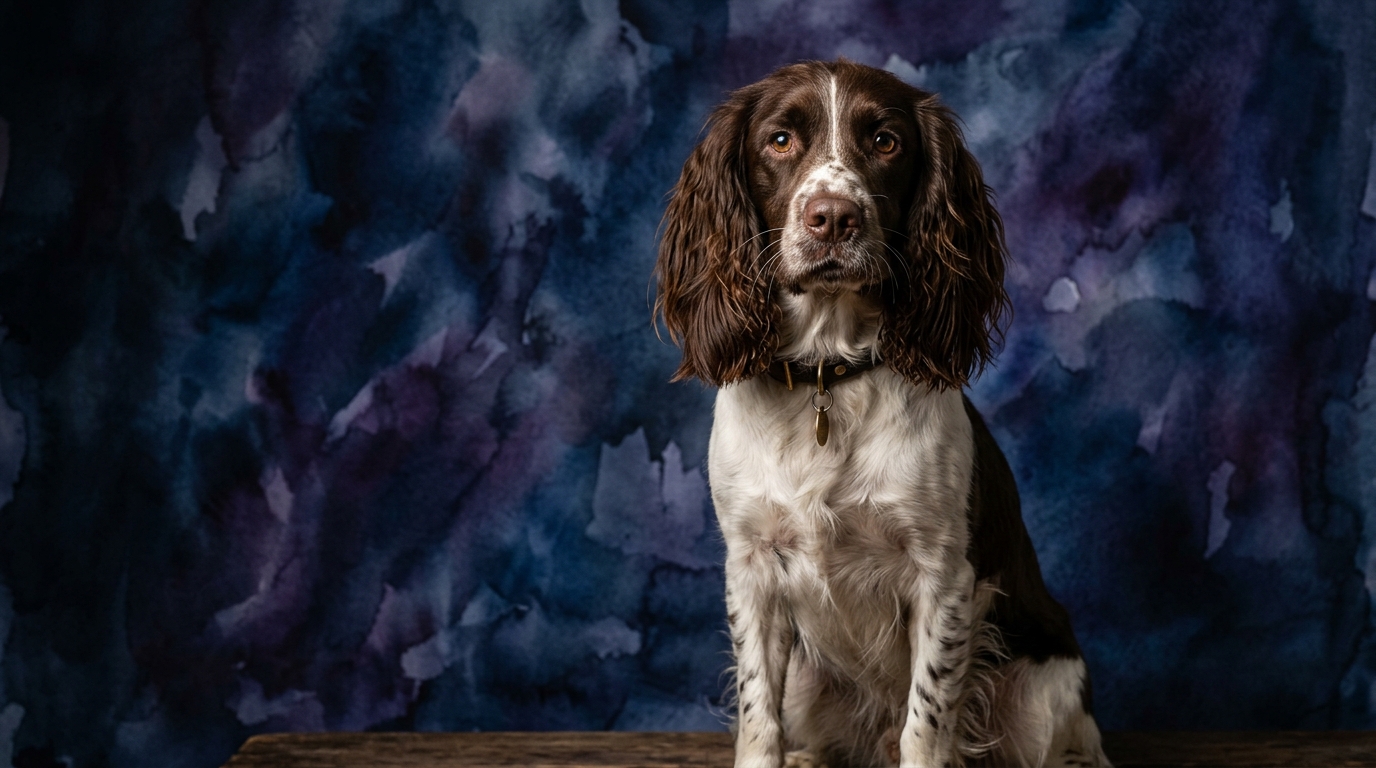
The English Springer Spaniel, a celebrated member of the Sporting group, presents a profile indicative of a highly capable working dog: Problem Solving 4/5, Training Speed 5/5, Social Intelligence 4/5, Instinctive Drive 5/5, and Memory 4/5. This configuration points to a breed that excels in cooperative tasks, learns rapidly, and possesses a strong, directed drive for its intended purpose.
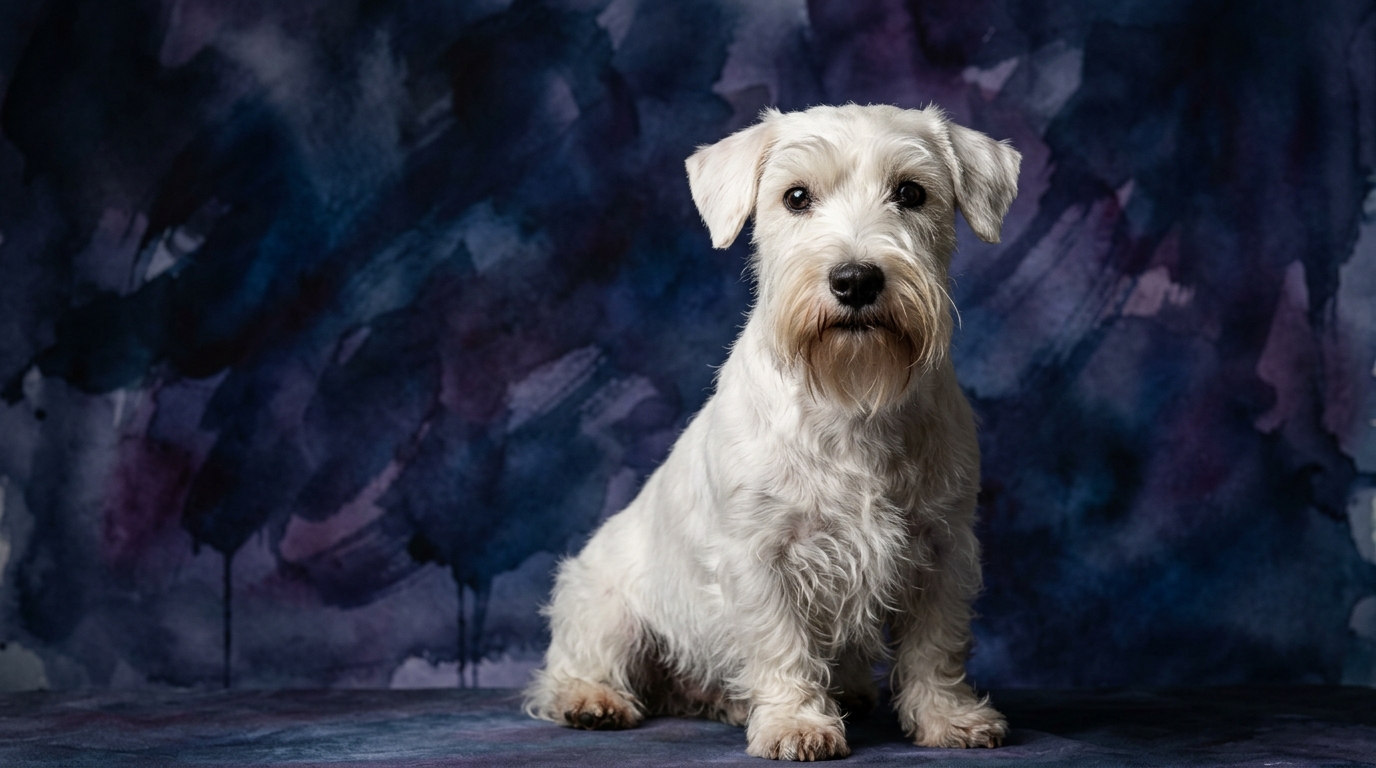
In contrast, the Sealyham Terrier, a plucky member of the Terrier group, exhibits a more balanced, self-reliant cognitive blueprint: Problem Solving 3/5, Training Speed 3/5, Social Intelligence 3/5, Instinctive Drive 3/5, and Memory 3/5. While not ranked on the Coren scale for working and obedience intelligence, their scores reflect a breed shaped by its historical role as an independent vermin hunter, emphasizing tenacity and individual initiative over extensive human-directed cooperation.
Where the English Springer Spaniel's Mind Shines Brightest
The English Springer Spaniel’s cognitive strengths are particularly evident in their problem-solving and training speed. With a 4/5 in Problem Solving, these dogs demonstrate a robust capacity to navigate complex scenarios, from intricate scent trails to multi-step obedience routines. Their 5/5 Training Speed score is a testament to their exceptional biddability and eagerness to engage with human instruction, allowing them to acquire new commands and behaviors with remarkable alacrity and minimal repetition.
Further enhancing their cognitive prowess are their high scores in Instinctive Drive (5/5), Social Intelligence (4/5), and Memory (4/5). Their powerful instinctive drive is channeled effectively into cooperative tasks, making them enthusiastic partners in activities like retrieving, agility, or competitive obedience. Their social intelligence enables them to interpret human cues and intentions with precision, fostering a deep working bond. This, combined with a strong memory, allows them to recall extensive learned behaviors and adapt strategies based on past experiences, making them highly adaptable and reliable companions in various demanding roles.
The Unique Cognitive Strengths of the Sealyham Terrier
While the Sealyham Terrier's scores are consistently at 3/5 across the board, this profile highlights a different, yet equally effective, form of intelligence suited to their historical function. Their Problem Solving at 3/5 isn't about complex, human-directed puzzles but rather about independent resourcefulness in pursuit of quarry. They excel at figuring out how to navigate tight spaces, bypass obstacles, and persist until a goal is achieved, often relying on their keen senses and sheer determination rather than human guidance.
The Sealyham's Instinctive Drive (3/5) is potent and focused, primarily directed towards hunting and digging, rather than the broad cooperative drives seen in sporting breeds. This means their drive is internal and self-directed, fueling their tenacity. Their Social Intelligence (3/5) suggests a capacity for connection, but one marked by a greater degree of self-sufficiency; they appreciate companionship but are not as reliant on constant human interaction for validation. Their Memory (3/5) is sufficient for remembering key locations, learned routines, and the identities of their family, supporting their independent spirit without requiring extensive recall of complex sequences.
Training Dynamics: Biddability Versus Independence
The contrast in Training Speed (English Springer Spaniel 5/5 vs. Sealyham Terrier 3/5) profoundly impacts the training experience. English Springer Spaniels are often described as 'eager to please,' a trait directly tied to their high social intelligence and cooperative drive. They absorb commands quickly, respond well to positive reinforcement, and are motivated by the opportunity to work alongside their human companions. Their excellent memory further solidifies learned behaviors, making them a joy to train for a wide array of disciplines.
Training a Sealyham Terrier, however, requires a different approach. Their 3/5 Training Speed reflects an independent streak and a mind less inclined towards rote obedience. They learn, but often at their own pace and when they perceive a clear benefit, or if the task aligns with their inherent terrier instincts. Consistency, patience, and highly motivating rewards are paramount. Owners must be prepared for moments where the terrier's independent problem-solving overrides a learned command, especially if a more interesting scent or 'task' presents itself.
The difference in social intelligence also plays a role; where the Springer thrives on partnership and seeks to understand human intentions, the Sealyham, while affectionate, often operates with a more 'what's in it for me?' attitude. This doesn't mean they are untrainable, but rather that their training needs to be engaging, fair, and respectful of their self-reliant nature, often requiring more creative motivation and a deeper understanding of terrier psychology.
Matching Minds to Lifestyles: Active Engagement vs. Independent Spirit
For owners seeking an active, mentally engaged partner, the English Springer Spaniel is an exceptional choice. Their high instinctive drive demands regular outlets for their energy and keen senses. These dogs thrive on activities that challenge their problem-solving abilities and provide opportunities for cooperative work, such as long hikes, scent work, agility, or retrieving games. An owner who enjoys training and wants a dog deeply involved in their daily routines will find the Springer's social intelligence and biddability incredibly rewarding.
The Sealyham Terrier appeals to a different kind of owner – one who appreciates a dog with a strong, self-contained personality and an independent spirit. While not sedentary, their exercise needs might focus more on bursts of intense play, exploring a secure yard, or short, engaging walks where they can sniff and investigate. They are less likely to demand constant human-directed 'work' and are content to entertain themselves or relax quietly once their physical and mental needs are met. An owner who values a companion that is affectionate but also capable of self-amusement, and who understands the nuances of terrier tenacity, will find a wonderful match in the Sealyham.
The Verdict
Choose the English Springer Spaniel if you desire a highly trainable, cooperative canine partner eager for shared activities and consistent mental engagement. Their biddability and strong work ethic make them ideal for active families or individuals passionate about dog sports and extensive training.
Opt for the Sealyham Terrier if you appreciate an independent, tenacious companion with a unique personality and a moderate need for human-directed tasks. They are best suited for owners who value self-reliance, are prepared for terrier-specific quirks, and can provide consistent, engaging training tailored to their distinct drive.
🧠 Find Your Pet's IQ Score
Our Pet IQ Lab assessment covers 25+ tests across 5 cognitive dimensions — personalized to your breed.
Take the Full IQ Test →Frequently Asked Questions
Is the English Springer Spaniel a good choice for first-time dog owners?
Yes, their high training speed and social intelligence generally make them more forgiving and easier to train for novices, provided owners are committed to providing sufficient physical and mental exercise. Their eagerness to please simplifies the learning process for both dog and owner.
Do Sealyham Terriers require a lot of exercise?
Sealyham Terriers have moderate exercise needs, often satisfied with a few brisk walks daily, playtime in a secure yard, or engaging scent games. While they enjoy activity, their drive is often for bursts of intense investigation rather than sustained, long-distance endurance.
How do their instinctive drives manifest differently in everyday life?
The English Springer Spaniel's high instinctive drive often manifests as a desire to retrieve, flush, and work cooperatively, making them prone to carrying items or following scents with purpose. The Sealyham Terrier's drive typically focuses on digging, chasing small prey, and independent exploration, requiring secure fencing and appropriate outlets for these natural behaviors.