Side-by-Side Cognitive Profiles: Springer vs. Schnauzer
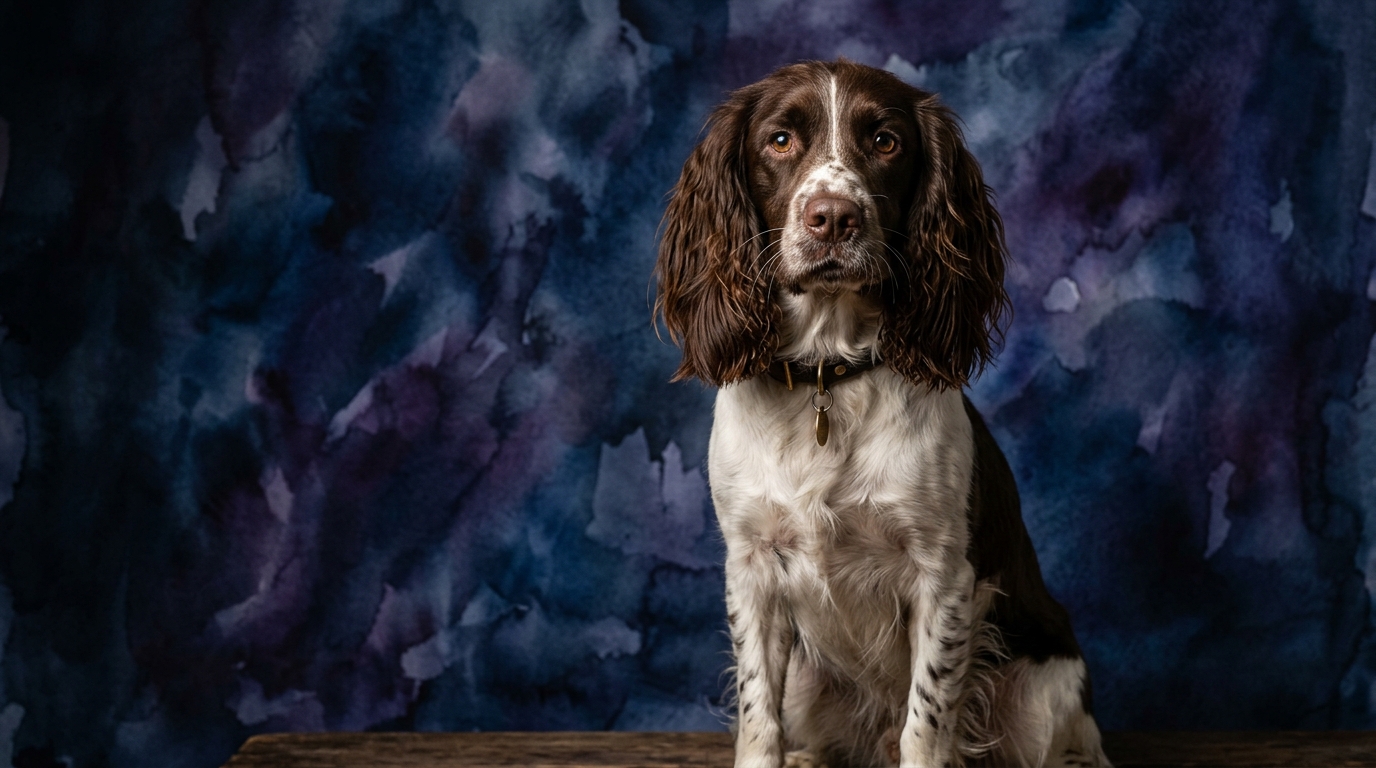
The Cosmic Pet Pet IQ Lab provides a nuanced framework for understanding canine cognition across several key dimensions. For the English Springer Spaniel, ranked #13 by Coren, its profile reflects a breed honed for cooperative field work. Its Problem Solving is rated 4/5, indicating an ability to adapt and strategize within dynamic environments, often in concert with a handler. Training Speed is an impressive 5/5, showcasing a strong desire to learn and execute commands promptly. Social Intelligence stands at 4/5, highlighting its capacity for cooperative interaction and reading human cues. An Instinctive Drive of 5/5 underscores its powerful prey drive and scenting prowess, while Memory at 4/5 ensures it retains complex tasks and learned behaviors.
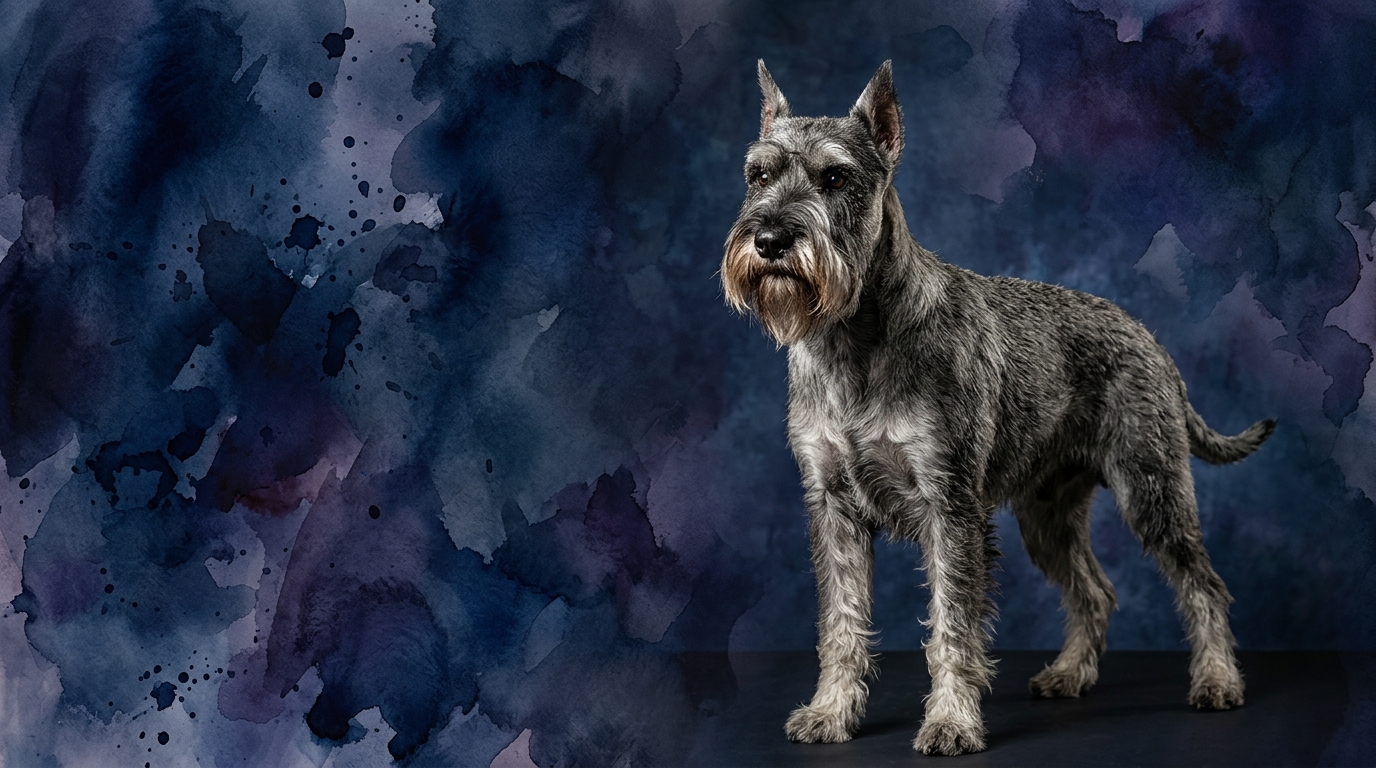
The Standard Schnauzer, a Working breed with a Coren rank of #22, presents a different cognitive blueprint, shaped by its roles as a guard and vermin catcher. Its Problem Solving also scores 4/5, but this often manifests as independent strategizing to overcome obstacles or tackle tasks without constant human direction. Training Speed is a solid 4/5, demonstrating good learning capacity, though often tempered by a strong-willed nature. Social Intelligence is rated 3/5, suggesting a more reserved and family-focused demeanor, less inclined towards broad social engagement. Its Instinctive Drive at 3/5 reflects a guardian's vigilance and a vermin hunter's determination, rather than the boundless retrieving enthusiasm of a Springer. Memory, like the Springer, is 4/5, signifying good retention of routines and learned information.
Where the English Springer Spaniel Shines Cognitively
The English Springer Spaniel demonstrates clear cognitive advantages in several areas, particularly those tied to its heritage as a close working gundog. Its superior Training Speed (5/5 compared to the Schnauzer's 4/5) is a standout feature. This isn't just about quick command acquisition; it's about a profound eagerness to please and a natural inclination to form a highly responsive partnership. Springers typically show less hesitation or independent thought when presented with a command, preferring to comply and receive positive reinforcement, making them exceptionally fluid learners in structured environments.
Furthermore, the Springer’s Instinctive Drive at 5/5 vastly outpaces the Schnauzer’s 3/5. This manifests as an unparalleled drive for scent work and retrieving, coupled with incredible stamina and focus in the field. A Springer will consistently track a scent, flush game, and retrieve with unwavering determination, often across varied terrains and for extended periods. This powerful, channeled drive, combined with their 4/5 Social Intelligence, makes them superb at understanding and anticipating a handler's intentions during complex tasks, creating a seamless working dynamic where the dog acts as an extension of the handler's will. Their capacity to maintain focus on handler-directed tasks, even amidst distractions, underscores this cooperative cognitive strength.
Where the Standard Schnauzer Demonstrates Unique Cognitive Strengths
While the Standard Schnauzer shares a 4/5 Problem Solving score with the Springer, its application of this ability often leans towards a more independent and strategic approach. Where a Springer might excel at solving a problem presented by its handler in a cooperative context, a Schnauzer is more likely to devise its own solutions to perceived challenges, such as finding creative ways to patrol its territory or outsmart a rodent. This independent problem-solving is a hallmark of its working heritage, where self-reliance was crucial for guarding and pest control.
The Schnauzer's cognitive strengths also lie in its discernment and protective instincts, which, while not explicitly an IQ metric, are driven by a specific type of social intelligence and memory. Their 3/5 Social Intelligence, while lower than the Springer’s, is characterized by a strong bond with their immediate family and a watchful wariness towards strangers. This translates into a keen ability to differentiate between familiar and unfamiliar, friend and potential threat, and to act decisively based on that assessment. Their memory at 4/5 aids in retaining these distinctions, remembering who belongs and who doesn't, contributing to their effective role as a guardian. This mental fortitude and inherent skepticism allow them to make independent judgments, which can be invaluable in situations requiring discretion and a less overtly cooperative approach.
Training Dynamics: Springer's Eagerness vs. Schnauzer's Independence
When it comes to ease of training, the English Springer Spaniel generally presents a more straightforward path for most owners. Their 5/5 Training Speed is backed by a strong intrinsic motivation to collaborate and please their handler. They absorb commands rapidly, often requiring fewer repetitions, and are typically eager to perform tasks with enthusiasm. Real behavioral differences include their inherent "softness" and responsiveness to positive reinforcement, making them highly malleable. A Springer will often look to its handler for direction and approval, making them exceptionally compliant in structured training sessions and less prone to testing boundaries once a command is understood.
The Standard Schnauzer, with its 4/5 Training Speed, is certainly capable of learning quickly, but its independent spirit and 3/5 Social Intelligence mean training often requires a more consistent, firm, and patient approach. Schnauzers are thinkers; they might question the purpose of a command or attempt to find an alternative solution if not adequately motivated. Their strong will can manifest as stubbornness, requiring an owner to be clear, fair, and engaging to prevent them from becoming bored or deciding they have a better plan. While they form deep bonds, their cooperation is earned through respect and consistency, rather than an automatic desire to please, making the training journey a partnership of minds rather than a simple instruction-following exercise.
Suitability for Active vs. Relaxed Lifestyles
Both breeds are undeniably active and require significant mental and physical engagement, making neither truly suited for a relaxed, sedentary owner. However, their activity profiles differ in nature. The English Springer Spaniel, with its 5/5 Instinctive Drive and high energy, thrives with owners who can provide consistent, high-intensity physical activity and structured mental stimulation, particularly involving scent work, retrieving, and agility. They excel in environments where they can work closely with their owner, burning off energy through field sports, long hikes, or competitive obedience. Their need for interaction means they demand an active partnership in their daily routines.
The Standard Schnauzer also requires regular exercise and mental challenges, but its activity often leans towards purposeful engagement rather than constant high-octane output. While they enjoy vigorous play and walks, their independent problem-solving and guarding instincts mean they also benefit greatly from tasks that engage their minds, such as advanced obedience, agility, or even "jobs" around the house like supervising the yard. They can be content with less constant handler-directed activity than a Springer if given a clear role or stimulating independent tasks. For an owner who is active but appreciates a dog that can also settle into watchful contemplation, the Schnauzer might be a better fit, provided their exercise needs are still met.
The Verdict
Choose the English Springer Spaniel if you seek a highly cooperative, enthusiastic working partner for field activities, competitive obedience, or a family dog who thrives on constant interaction and structured training.
Opt for the Standard Schnauzer if you appreciate an independent, watchful, and protective companion capable of self-directed thought, suitable for guarding, advanced obedience, or agility, and who responds best to consistent, respectful leadership.
🧠 Find Your Pet's IQ Score
Our Pet IQ Lab assessment covers 25+ tests across 5 cognitive dimensions — personalized to your breed.
Take the Full IQ Test →Frequently Asked Questions
Is the English Springer Spaniel prone to independent decision-making like the Standard Schnauzer?
The English Springer Spaniel is less prone to independent decision-making in the same way as a Schnauzer. Springers are bred for cooperative work and typically look to their handler for direction, prioritizing teamwork over self-directed problem-solving in most situations.
Do Standard Schnauzers require less exercise than English Springer Spaniels?
No, Standard Schnauzers still require significant daily exercise, including vigorous play and walks. While their activity might be less consistently high-octane than a Springer's, they need structured physical outlets and mental stimulation to prevent boredom and destructive behaviors.
Which breed is better for a first-time dog owner?
Given their high training speed and eagerness to please, the English Springer Spaniel might be a more forgiving choice for a first-time owner willing to provide ample exercise and mental stimulation. The Standard Schnauzer's independent streak and strong will can be more challenging for an inexperienced owner.