Side-by-Side IQ Profile: A Cognitive Snapshot
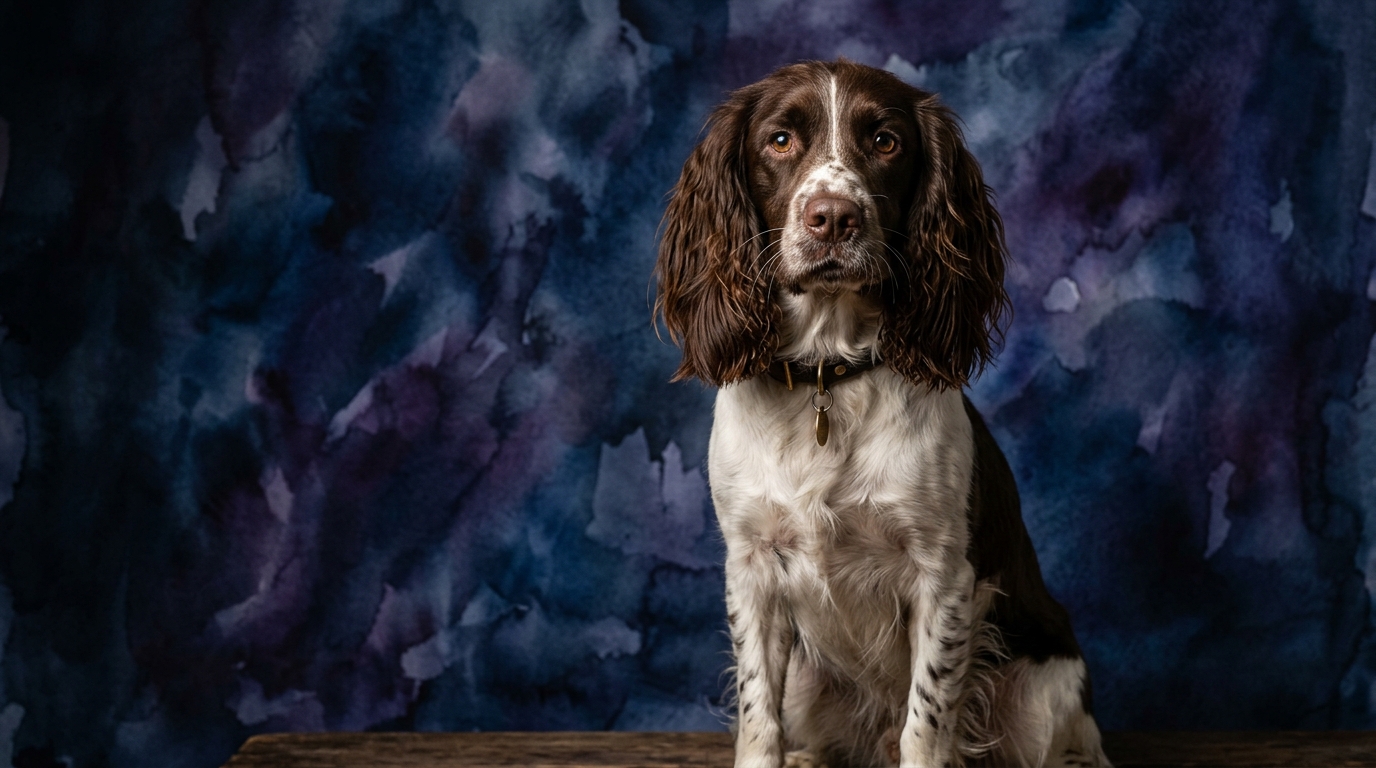
At The Cosmic Pet Pet IQ Lab, we assess canine intelligence across five key dimensions, offering a nuanced view beyond simple obedience. For the English Springer Spaniel, a Sporting breed, we observe a robust cognitive makeup: Problem Solving at 4/5, Training Speed at a remarkable 5/5, Social Intelligence at 4/5, Instinctive Drive at 5/5, and Memory at 4/5. These scores paint a picture of a dog built for partnership and purpose.
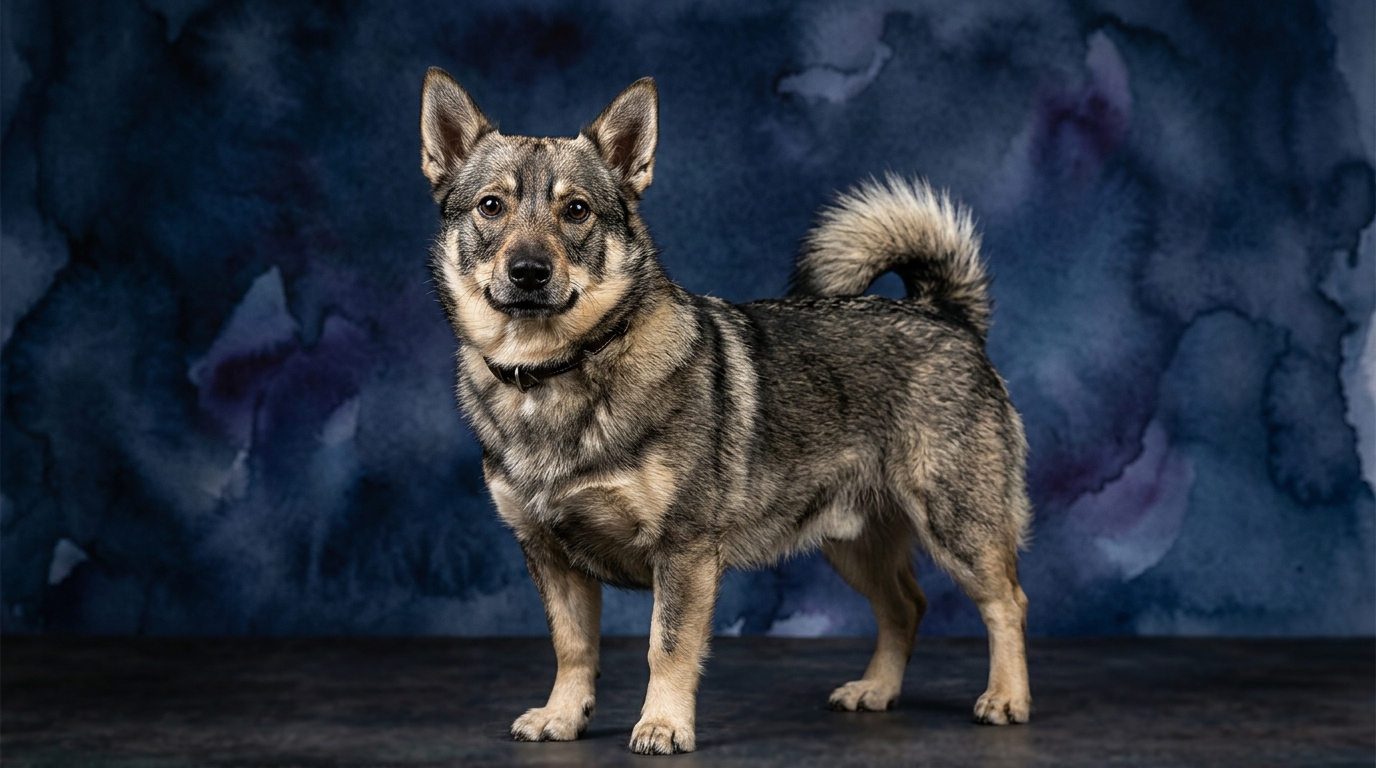
In contrast, the Swedish Vallhund, a Herding breed not ranked by Coren, presents a different cognitive blueprint: Problem Solving at 3/5, Training Speed at 3/5, Social Intelligence at 3/5, Instinctive Drive at 3/5, and Memory at 3/5. While these scores are moderate across the board, they reflect a breed with distinct historical roles and a particular approach to interacting with its world and its human companions.
Where the English Springer Spaniel Shines Cognitively
The English Springer Spaniel’s cognitive strengths are deeply rooted in its heritage as a gundog, requiring keen cooperation and rapid learning. Their Training Speed of 5/5 means they grasp new commands exceptionally quickly, often requiring fewer repetitions than many other breeds. This rapid acquisition of knowledge makes them highly adaptable to complex tasks, from intricate agility courses to multi-step scent detection work. Their Problem Solving score of 4/5 indicates an aptitude for figuring out puzzles, often driven by a strong desire to retrieve or fulfill a task for their human.
A high Instinctive Drive (5/5) means they possess an innate, powerful urge for finding, flushing, and retrieving. This drive, combined with their 4/5 Memory, allows them to retain complex patterns, scent discrimination, and learned sequences over extended periods. Their Social Intelligence (4/5) further enhances this partnership, as they are adept at reading human cues, anticipating intentions, and forming strong, cooperative bonds, making them highly responsive and eager participants in shared activities. This blend of rapid learning, strong drive, and social acumen makes them excel in roles demanding active collaboration and quick decision-making in the field or ring.
Where the Swedish Vallhund Demonstrates Unique Cognitive Strengths
The Swedish Vallhund, despite moderate scores across the board, possesses a unique set of cognitive strengths honed by centuries of herding cattle and guarding homesteads. Their Problem Solving at 3/5, while not as rapid as the Springer, is often applied with a self-sufficient and observant approach. They are capable of assessing situations and making decisions independently, a valuable trait for a dog tasked with managing livestock without constant human direction. This manifests as a thoughtful, rather than impulsive, approach to new challenges, often requiring them to evaluate the situation before acting.
Their Instinctive Drive (3/5) is focused on low-to-the-ground herding, using nips at heels and body blocking, which requires a specific kind of spatial awareness and control. While their Social Intelligence is rated 3/5, it is acutely tuned to their immediate environment and family, making them vigilant and discerning guardians. They form deep bonds with their chosen humans, displaying a quiet loyalty and an ability to interpret the nuances of their family's routine. Their Memory (3/5), though not as quick to imprint as a Springer's, ensures they retain critical information about their territory, established routines, and the behaviors of those within their charge, contributing to their reliable, watchful nature.
Training Dynamics: English Springer Spaniel vs. Swedish Vallhund
Training an English Springer Spaniel is often a rewarding experience due to their exceptional Training Speed (5/5) and eagerness to please. They are highly motivated by positive reinforcement and quickly connect commands with desired actions, making them appear to 'soak up' new information. Their strong Instinctive Drive ensures they are keen to work and participate, thriving on purposeful tasks. This combination, coupled with their excellent memory, means that once a behavior is learned, it is typically retained with consistency, making them highly trainable for various disciplines, from obedience to complex scent work. They are less prone to questioning commands and more inclined to execute them with enthusiasm.
The Swedish Vallhund, with a Training Speed of 3/5, presents a different training dynamic. While capable and intelligent, they possess an independent streak characteristic of herding breeds that historically worked with less direct human oversight. They may require more patience, consistency, and varied training methods to keep them engaged. They are intelligent enough to learn, but might be more discerning about obeying if they don't perceive the immediate value or if a task conflicts with their self-determined 'job' of observing their surroundings. Their moderate memory means consistent refreshers are important, and their social intelligence, while strong within their family unit, doesn't always translate to immediate deference to all human instruction. Successful training involves understanding their herding instincts and channeling their problem-solving abilities into desired behaviors through clear, consistent, and positive reinforcement.
Lifestyle Match: Active Owners vs. Relaxed Owners
For owners seeking an active, engaged companion, the English Springer Spaniel is an excellent match. Their high Instinctive Drive and Problem Solving abilities demand a significant outlet for both physical and mental energy. These are not dogs content with a short walk around the block; they require purposeful activity like retrieving games, extensive scent work, agility training, long hikes, or participation in dog sports. Their high Social Intelligence means they thrive on being an integral part of family activities and can become destructive or anxious if under-stimulated. An owner must be prepared for a dog that needs consistent daily engagement and a role to fulfill.
The Swedish Vallhund also requires an active owner, but with a different emphasis. While they need regular exercise, perhaps not the relentless, long-duration intensity of a Springer, they absolutely thrive on mental engagement. Their herding background and observational intelligence mean they enjoy learning new tricks, puzzle toys, and activities that engage their independent problem-solving skills. Their vigilance and moderate social intelligence mean they appreciate being involved in family life and 'on guard,' but might be less inclined to continuous high-energy play. Owners should be prepared for a dog that needs consistent mental stimulation to prevent boredom, which can manifest as excessive barking or self-appointed 'herding' of family members. They are best suited for owners who understand and appreciate their independent, watchful nature and can provide varied intellectual challenges.
The Verdict
Choose the English Springer Spaniel if you seek a highly cooperative, eager-to-please companion who thrives on intense physical activity, scent work, and quick learning, making them a superb partner for dog sports, hunting, or an active family life.
Choose the Swedish Vallhund if you appreciate an independent, watchful companion with a keen observational mind, who enjoys varied mental challenges and consistent engagement, and you are prepared for a dog that brings a unique, ancient herding perspective to your home.
🧠 Find Your Pet's IQ Score
Our Pet IQ Lab assessment covers 25+ tests across 5 cognitive dimensions — personalized to your breed.
Take the Full IQ Test →Frequently Asked Questions
Are English Springer Spaniels good with children?
Their social intelligence and generally amiable nature make them good family dogs, often enjoying play and interaction with children, provided they are well-socialized and children are taught to interact respectfully with dogs.
Do Swedish Vallhunds bark a lot?
As watchful herding dogs, Swedish Vallhunds can be prone to barking, especially when alerting their owners to new sights or sounds. Consistent training and early socialization can help manage this instinct and teach them appropriate times to vocalize.
Which breed is better for first-time dog owners?
The English Springer Spaniel's high training speed and eagerness to please generally make them a more forgiving choice for first-time owners who are committed to providing ample exercise and mental stimulation, as they are very responsive to guidance. The Vallhund's independence can be more challenging for a novice.