Side-by-Side Cognitive Profiles: The Cosmic Pet Pet IQ Lab Analysis
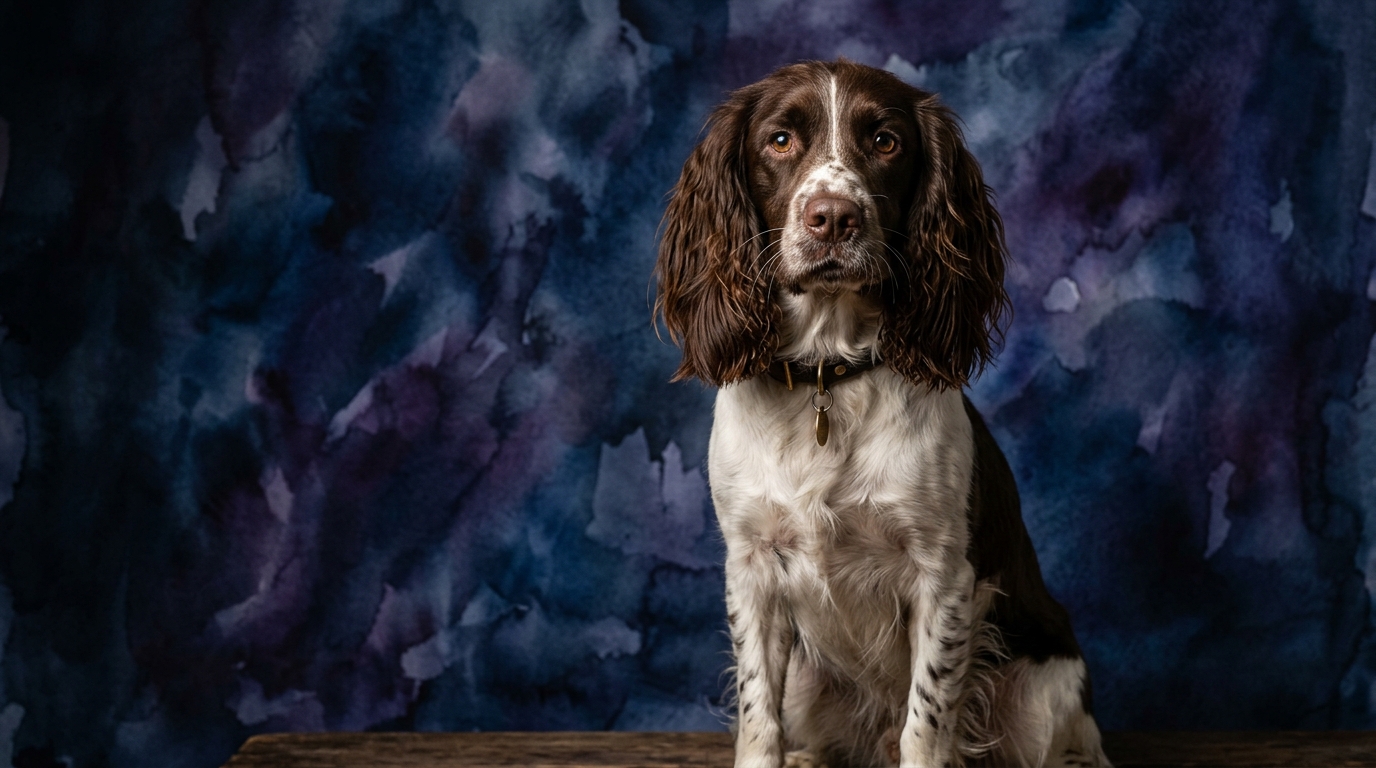
The English Springer Spaniel, ranking #13 on the Coren scale, presents a cognitive profile optimized for collaborative work and rapid learning. Our Pet IQ Lab analysis shows their Problem Solving at 4/5, indicating a strong capacity for situational adaptation and strategic thinking in dynamic environments. Their Training Speed is an exceptional 5/5, reflecting an almost instantaneous grasp of new commands, while their Social Intelligence stands at 4/5, highlighting a keen understanding of human cues and a desire to cooperate. An Instinctive Drive of 5/5 underscores their profound gundog purpose, manifesting as an intense, focused motivation for tasks like retrieving and flushing. Finally, their Memory at 4/5 ensures reliable recall of complex sequences and learned behaviors.
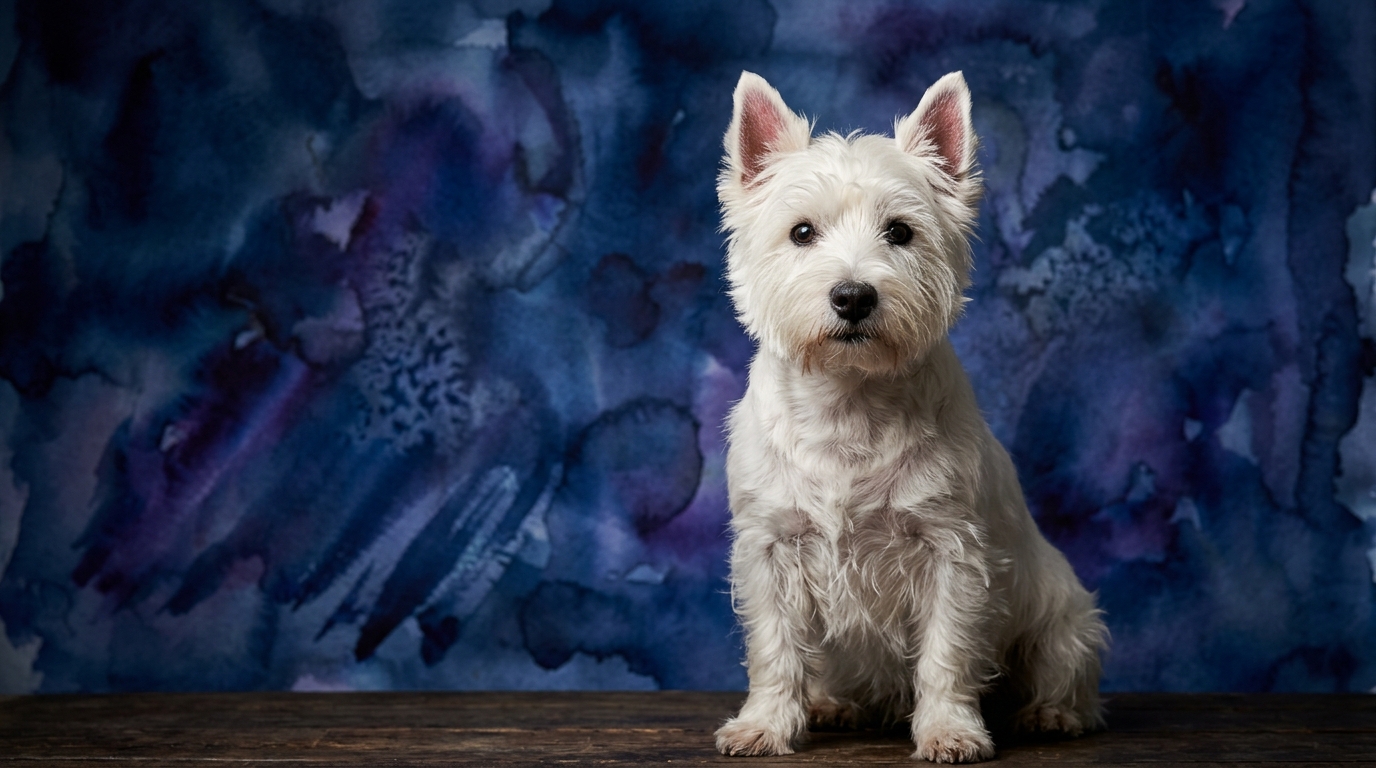
In contrast, the West Highland White Terrier, with a Coren rank of #47, exhibits a cognitive makeup rooted in independent tenacity. Their Problem Solving is rated 3/5, demonstrating resourcefulness in achieving immediate goals, often through persistence rather than intricate strategy. Training Speed is a moderate 3/5, requiring more repetition and patience due to their independent streak. Social Intelligence also scores 3/5, meaning they understand human cues but often filter them through their self-assured terrier nature. Their Instinctive Drive of 3/5 reflects a strong, self-directed motivation for vermin hunting behaviors like digging and chasing, rather than human-partnered tasks. Notably, their Memory is 4/5, on par with the Springer, indicating that once a lesson is absorbed, it is firmly retained.
Where the English Springer Spaniel Excels Cognitively
The English Springer Spaniel's cognitive strengths are predominantly in areas demanding responsiveness, collaboration, and sustained, purposeful engagement. Their unparalleled Training Speed (5/5) means they absorb complex obedience routines, agility courses, or field commands with remarkable efficiency, allowing for a broader and deeper repertoire of learned behaviors. This rapid acquisition is invaluable for competitive sports or working roles where precision and quick reactions are critical.
Beyond swift learning, the Springer's superior Instinctive Drive (5/5) translates into a profound dedication to tasks aligned with their gundog heritage. This isn't merely high energy; it's a focused, cognitive commitment to the job, enabling them to maintain concentration on scent trails or retrieve objects from challenging environments. Their Problem Solving (4/5) is often applied in dynamic, real-world situations, such as navigating dense cover or adapting to unexpected changes in a task, demonstrating an adaptable and strategic mind that thrives on purposeful activity with a human partner.
Where the West Highland White Terrier Demonstrates Unique Cognitive Strengths
While the West Highland White Terrier's cognitive scores are generally lower than the Springer's, their unique strengths lie in independent thought and tenacious self-sufficiency, traits honed by their earthdog ancestry. Their Problem Solving (3/5), though not as high, is often expressed through sheer determination and ingenuity in overcoming obstacles on their own terms. This means they are adept at figuring out how to access a toy, investigate a novel scent, or bypass a gate without constant human direction, showcasing a self-driven cognitive exploration.
The Westie's Instinctive Drive (3/5), while less partnership-focused, means they are profoundly motivated by their own internal compass, pursuing perceived 'prey' or digging opportunities with unwavering focus. This independent drive can be a unique advantage for owners seeking a companion that finds contentment in self-directed activities rather than constantly demanding structured tasks. Their robust Memory (4/5), on par with the Springer, ensures that once they grasp a concept—be it a boundary, a routine, or a trick—it is firmly retained, even if the initial learning curve is more gradual due to their moderate Training Speed (3/5). This combination of independent thought, tenacious drive, and reliable memory allows the Westie to navigate their personal world with determined self-reliance.
Training Dynamics: Eagerness to Please vs. Independent Spirit
When considering ease of training, the English Springer Spaniel holds a distinct advantage due to its exceptional Training Speed (5/5) and strong Social Intelligence (4/5). Springers possess an innate desire to cooperate and please their human partners, making them highly receptive to cues and eager to learn. Their rapid grasp of new commands means that positive reinforcement methods yield quick and consistent results, allowing trainers to progress through various levels of obedience or specialized skills with remarkable efficiency. This breed thrives on collaborative learning, often anticipating their handler's next instruction and responding with joyful enthusiasm.
The West Highland White Terrier, with its Training Speed (3/5) and more independent Social Intelligence (3/5), presents a different training journey. Westies are resourceful, but they often need to be convinced that a task is personally beneficial or engaging before they commit. Their terrier tenacity means they can be persistent in their own endeavors, sometimes perceiving human commands as interruptions to their self-appointed 'work.' Training a Westie requires immense patience, creativity, and consistency, focusing on making lessons fun and rewarding. While they will learn and remember commands (Memory 4/5), the process is generally slower and demands a nuanced approach, building a relationship based on mutual respect rather than immediate deference.
Matching Lifestyles: Energetic Partnership or Spirited Companionship
For active owners seeking a true working partner or a dog to participate enthusiastically in rigorous activities, the English Springer Spaniel is an ideal match. Their high Instinctive Drive (5/5) and boundless energy require a lifestyle that includes ample physical exercise, such as long hikes, runs, or structured field work. Beyond physical exertion, their Problem Solving (4/5) and Social Intelligence (4/5) mean they also thrive on mental stimulation through advanced training, dog sports like agility or dock diving, and puzzle-solving games. A Springer who isn't given sufficient outlets for their cognitive and physical needs can become restless or destructive, making them best suited for owners committed to an engaged, dynamic daily routine.
Conversely, the West Highland White Terrier can suit a broader range of owners, including those who prefer a somewhat less demanding, albeit still active, companion. While Westies are energetic and enjoy play, walks, and exploring their environment, their Instinctive Drive (3/5) is often satisfied with regular walks, supervised yard time for digging, and engaging with interactive toys. They don't typically require the same intensity or duration of structured 'work' as a Springer. Their independent nature also means they can entertain themselves for periods, making them a good fit for owners who appreciate a dog with a strong personality that doesn't constantly demand to be 'on the job.' However, their tenacity and moderate problem-solving still necessitate consistent mental engagement and enrichment to prevent boredom.
The Verdict: Choosing Your Cognitive Companion
The choice between an English Springer Spaniel and a West Highland White Terrier ultimately hinges on an owner's lifestyle, training philosophy, and what they seek in a canine partnership. Both breeds offer unique cognitive strengths that enrich their respective roles as companions.
The Verdict
Choose the English Springer Spaniel if you are an active, dedicated owner eager for a highly trainable, collaborative partner for dog sports, field work, or an engaging, responsive companion who thrives on shared tasks and continuous mental stimulation.
Opt for the West Highland White Terrier if you appreciate a spirited, independent companion with a tenacious spirit, who enjoys self-directed activities and moderate exercise, and you are prepared for a patient, creative training approach that respects their self-assured nature.
🧠 Find Your Pet's IQ Score
Our Pet IQ Lab assessment covers 25+ tests across 5 cognitive dimensions — personalized to your breed.
Take the Full IQ Test →Frequently Asked Questions
Do West Highland White Terriers ever reach the same training proficiency as English Springer Spaniels?
While Westies can certainly learn many commands and tricks, their training journey will generally be slower and require more consistency than a Springer. Their moderate Training Speed (3/5) means they might not achieve the same rapid, precise responsiveness seen in breeds with a 5/5 training speed, but their strong Memory (4/5) ensures that learned behaviors, once established, are retained effectively.
How does the 'Instinctive Drive' differ practically between these two breeds?
The English Springer Spaniel's Instinctive Drive (5/5) is geared towards collaborative retrieval and flushing, manifesting as an intense desire to work with a human in a purposeful, sustained manner. The West Highland White Terrier's Instinctive Drive (3/5) is more about independent hunting of vermin, leading to behaviors like digging, chasing small animals, and exploring on their own terms, often with less direct human partnership.
Does a lower 'Social Intelligence' score mean a dog isn't affectionate?
Not at all. A Social Intelligence score (like the Westie's 3/5) indicates a dog might be less overtly deferential or less immediately attuned to subtle human cues compared to breeds with higher scores. Westies form strong, affectionate bonds with their families, but they tend to express this through their independent, often charmingly stubborn personality, choosing to engage on their own terms rather than constantly seeking to please.