Side-by-Side IQ Profile
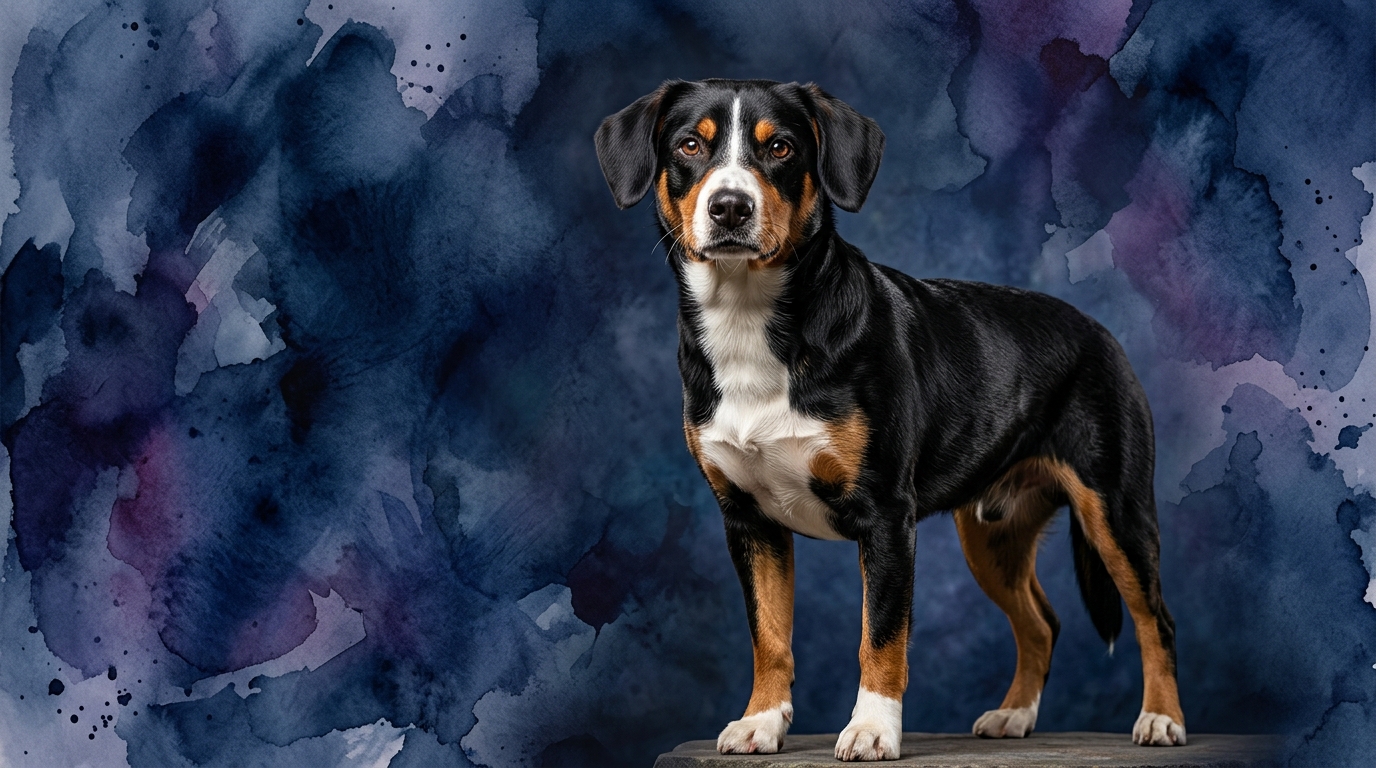
Entlebucher Mountain Dog (Herding Group): Problem Solving (3/5): This breed excels at dynamic problem-solving, particularly when managing livestock. They demonstrate strategic thinking in anticipating herd movements, navigating varied terrain, and devising methods to gather or redirect animals, often requiring quick, independent decisions in fluid situations. Training Speed (3/5): Entlebuchers exhibit a good capacity for learning new commands and routines, especially those related to their herding work. They pick up on directional cues and multi-step tasks at a moderate pace, thriving on consistent, engaging instruction that taps into their innate desire to work. Social Intelligence (3/5): Their social acumen shines in their ability to read and respond to human handlers' signals during herding tasks. While often reserved with strangers, they form deep bonds with their families, understanding subtle shifts in mood and communication within their immediate social circle. Instinctive Drive (3/5): The Entlebucher possesses a moderate but persistent herding drive, expressed through a desire to control movement and gather. This can manifest as circling, watchful gazes, and a propensity to "manage" family members, reflecting their ancestral role in the Swiss Alps. Memory (3/5): This breed demonstrates solid recall for learned commands, established routines, and the boundaries of their territory. Their memory aids them in consistently executing complex herding patterns and remembering the specific expectations of their handlers.
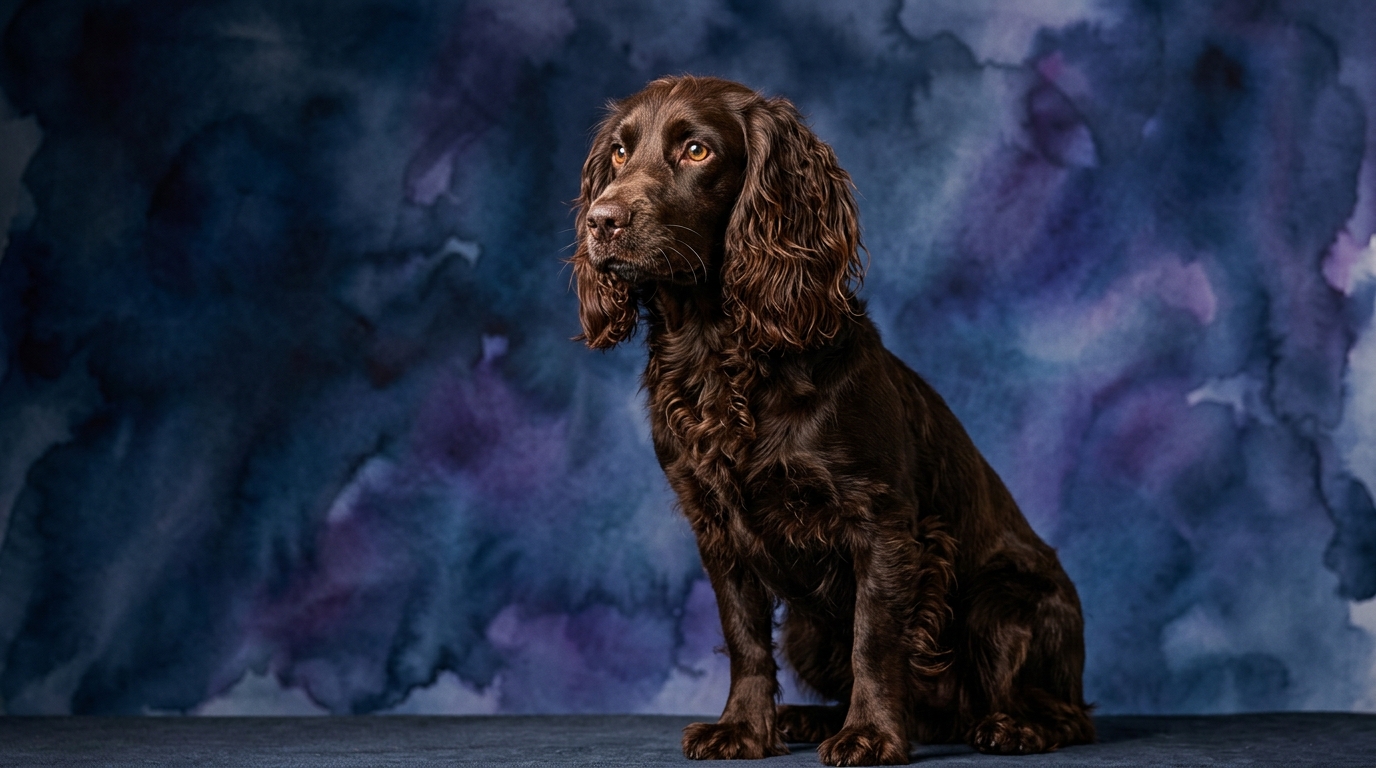
Boykin Spaniel (Sporting Group): Problem Solving (3/5): Boykin Spaniels apply their problem-solving skills to practical tasks like locating fallen game in dense cover or navigating water hazards during retrieves. Their intelligence is geared towards overcoming environmental obstacles efficiently to achieve a specific objective, often involving scent work and spatial reasoning. Training Speed (3/5): Possessing an eagerness to please, Boykins learn new commands and hunting drills at a good pace. They are receptive to positive reinforcement, quickly associating actions with rewards, which makes them responsive to instruction, particularly in tasks involving retrieving and scenting. Social Intelligence (3/5): Boykins are highly attuned to their human companions, excelling in cooperative efforts like hunting. They read subtle body language and vocal cues from their handlers, adapting their behavior to work in sync. This breed generally displays an amicable and adaptable social demeanor with both people and other dogs. Instinctive Drive (3/5): The Boykin's moderate instinctive drive is primarily focused on retrieving and scenting. They exhibit a persistent desire to find and bring back objects, coupled with a keen nose for tracking, reflecting their heritage as a versatile gundog, particularly for waterfowl. Memory (3/5): Boykin Spaniels have a good memory for established hunting patterns, specific commands, and the location of frequently used retrieving areas. Their ability to recall scent trails and complex sequences of actions is crucial for their effectiveness in the field.
Where Entlebucher Mountain Dog wins cognitively
The Entlebucher's cognitive strengths lean towards independent decision-making within a structured framework, a hallmark of herding breeds. While both breeds score 3/5 in problem-solving, the Entlebucher’s application is often more autonomous and involves managing dynamic, unpredictable elements like livestock. Their problem-solving might manifest as anticipating an animal's escape route and positioning themselves to cut it off, requiring a continuous assessment of a live, moving environment. This contrasts with the Boykin's more collaborative, objective-focused problem-solving. Furthermore, their social intelligence, while rated the same, is nuanced differently; an Entlebucher uses it to exert control and maintain order within a "flock" (even if that's the human family), demonstrating a watchful, discerning understanding of hierarchies and boundaries that is less pronounced in the generally more universally friendly Boykin. Their memory is particularly adept at recalling complex, sequential tasks and maintaining a mental map of their territory and its "occupants," crucial for effective livestock management.
Where Boykin Spaniel wins cognitively
The Boykin Spaniel's cognitive advantages shine in collaborative tasks and sensory-driven problem-solving. Their 3/5 problem-solving ability is exceptionally applied to navigating complex terrains to retrieve game, relying heavily on scent and spatial memory to locate hidden objects efficiently. This involves a keen ability to process sensory information quickly and adapt their search strategy. While their training speed is also 3/5, the Boykin’s eagerness to please and inherent biddability often translates into a more straightforward and enthusiastic response to instruction, particularly when the tasks align with their retrieving drives. Their social intelligence, though numerically identical, excels in seamless partnership with a human handler, interpreting subtle cues and working in close concert towards a shared goal, a trait refined over generations of hunting alongside people. Their instinctive drive, focused on retrieving, makes them exceptionally persistent and motivated in tasks involving finding and bringing objects, a specific cognitive strength that is less central to the Entlebucher's herding role.
Which is easier to train and why
When considering ease of training, the Boykin Spaniel generally presents a more straightforward experience for the average owner. Both breeds score 3/5 in training speed, indicating a good capacity for learning. However, the Boykin's natural eagerness to please their human companion, coupled with their strong retrieve drive, makes them highly motivated by positive reinforcement, particularly with toys or game. They tend to be more pliable and forgiving of minor training inconsistencies, focusing on the reward and the joy of working with their owner. Their social intelligence fosters a strong desire for cooperation. In contrast, the Entlebucher, while equally capable of learning, possesses a more independent and discerning nature rooted in their herding heritage. They require a confident, consistent handler who can establish clear boundaries and leadership. Their herding instinct can sometimes lead to independent decisions that might be perceived as stubbornness if not properly channeled. Training an Entlebucher often involves more mental engagement and structure to keep them focused and prevent them from applying their problem-solving skills to "herd" their owners or other pets in undesirable ways. Therefore, for most owners, the Boykin's inherent cooperative spirit and focused retrieve drive make the training journey feel less demanding.
Which suits active owners vs relaxed owners
Both the Entlebucher Mountain Dog and the Boykin Spaniel are breeds that thrive with active engagement, making them less suitable for truly relaxed or sedentary owners. However, their activity needs differ in quality and focus. The Entlebucher, with its herding background, requires consistent mental stimulation and physical outlets that allow it to "work." This means daily vigorous exercise, such as long hikes, agility training, or even actual herding activities, coupled with puzzle toys and training sessions that challenge its problem-solving and memory. Owners who enjoy structured outdoor activities, dog sports, and who can provide a clear, consistent routine will find the Entlebucher a rewarding companion. For more relaxed owners, an Entlebucher's unmet cognitive and physical needs can lead to restless behaviors. The Boykin Spaniel also requires substantial physical activity, particularly activities that tap into its retrieving and scenting drives like swimming, long walks with fetch, or field work. While they can adapt to a slightly less rigid schedule than an Entlebucher, a Boykin needs consistent opportunities to burn energy and engage its senses. A Boykin might be a slightly better fit for an active owner who enjoys unstructured outdoor time, like frequent trips to a lake or park for play, rather than highly structured dog sports. Neither breed is suitable for a truly relaxed owner who prefers minimal daily activity with their dog.
The Verdict
Choose an Entlebucher Mountain Dog if you are an experienced, active owner seeking a discerning, independent working companion, ready to engage in structured training and provide consistent mental challenges.
Choose a Boykin Spaniel if you are an active individual or family desiring a cooperative, enthusiastic companion for outdoor adventures, particularly those involving retrieving, and appreciate a more straightforward training experience.
🧠 Find Your Pet's IQ Score
Our Pet IQ Lab assessment covers 25+ tests across 5 cognitive dimensions — personalized to your breed.
Take the Full IQ Test →Frequently Asked Questions
Do Entlebucher Mountain Dogs and Boykin Spaniels have similar energy levels?
Yes, both breeds possess moderate to high energy levels and require significant daily exercise. While the Entlebucher often needs more structured, mentally stimulating activities, the Boykin thrives on vigorous physical play and opportunities to retrieve.
Can a Boykin Spaniel be a good family dog, given its hunting instincts?
Boykin Spaniels are generally amiable and adaptable, making them excellent family companions when properly socialized and exercised. Their strong social intelligence allows them to integrate well into family dynamics, often forming strong bonds with children.
How do the problem-solving skills of these breeds differ in practical terms?
An Entlebucher's problem-solving often involves independent strategic thinking to manage dynamic situations, like anticipating livestock movement. A Boykin's problem-solving is typically geared towards efficiently overcoming environmental obstacles, like dense cover or water, to locate and retrieve objects, relying more on sensory input and collaborative effort with a handler.