Side-by-Side IQ Profile: Unpacking Identical Scores
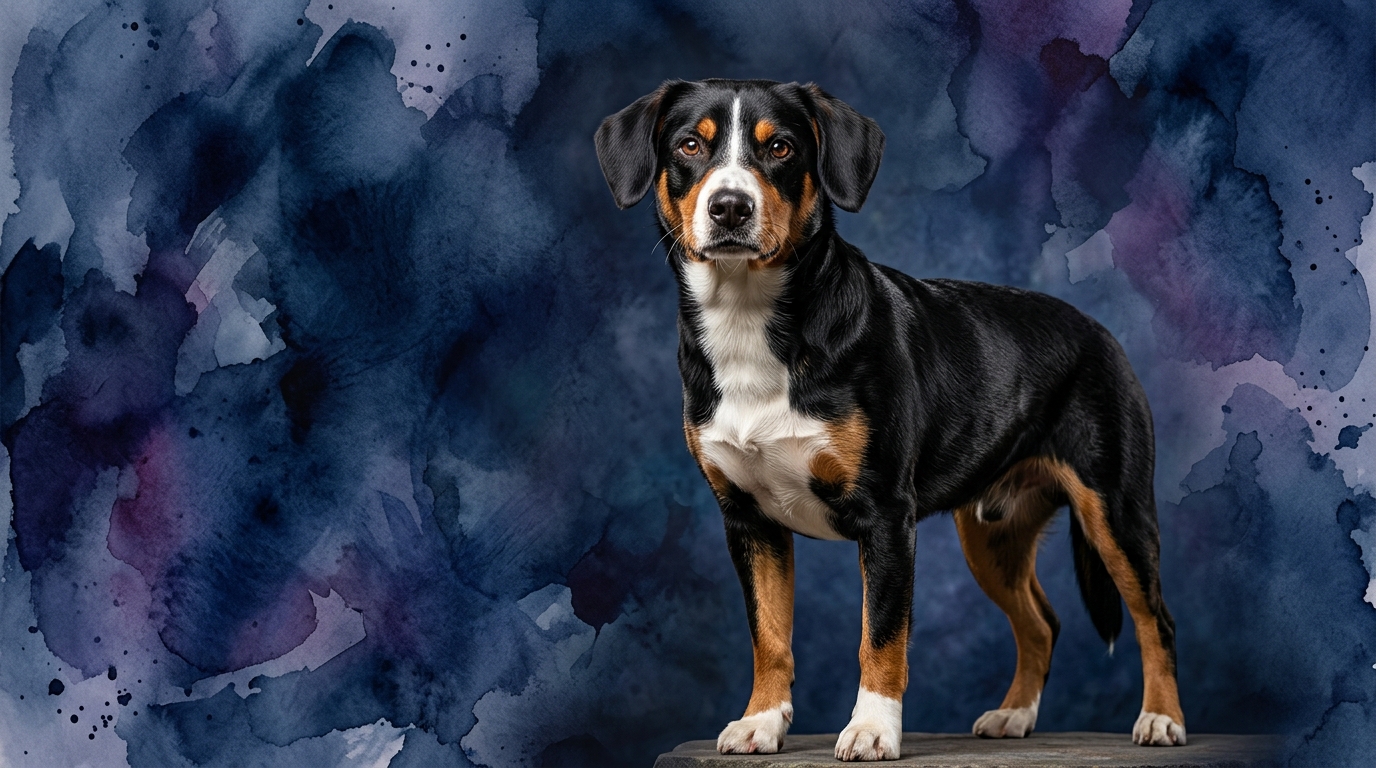
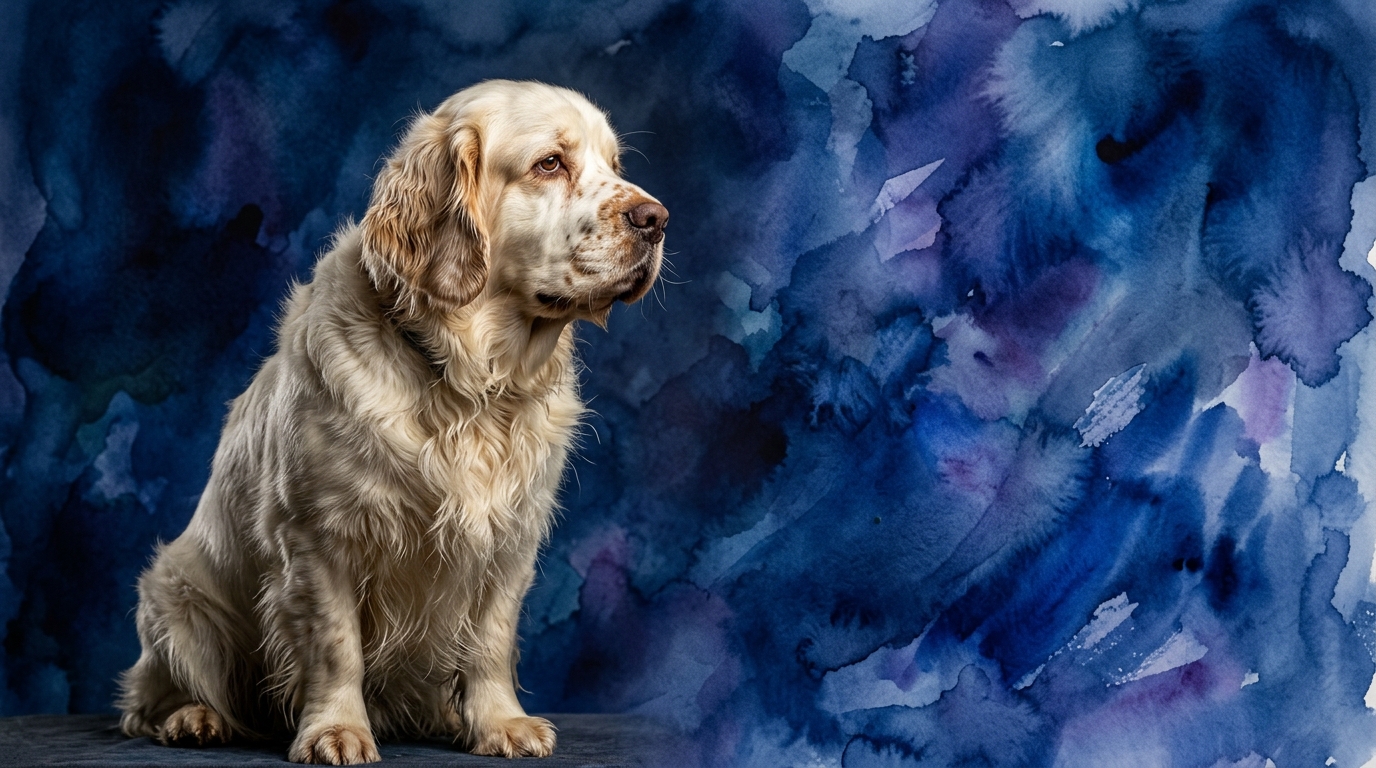
It's rare to find two breeds with such perfectly aligned scores across all five intelligence dimensions from The Cosmic Pet Pet IQ Lab, yet the Entlebucher Mountain Dog and the Clumber Spaniel share a 3/5 rating for Problem Solving, Training Speed, Social Intelligence, Instinctive Drive, and Memory. This doesn't mean they are interchangeable; rather, it suggests a similar *capacity* for intelligence, but one that is expressed and utilized in fundamentally different ways due to their divergent historical roles as a herding dog and a sporting dog, respectively. The Clumber Spaniel, notably, holds a Coren rank of #55, placing it in the 'average working/obedience intelligence' category, while the Entlebucher remains unranked, highlighting that formal obedience rankings are just one facet of cognitive assessment.
For **Problem Solving (3/5)**, the Entlebucher, a Herding breed, likely applies this capacity to dynamic situations like managing livestock, strategizing movement, and navigating complex outdoor environments. Their solutions would often involve quick spatial reasoning and adaptation to unpredictable variables. The Clumber Spaniel, a Sporting breed, by contrast, directs its 3/5 problem-solving towards tasks like meticulously tracking scents, figuring out how to extract game from dense cover, or navigating challenging terrain with methodical precision. Their approach emphasizes sensory interpretation and sustained effort.
Regarding **Training Speed (3/5)**, both breeds demonstrate a moderate pace of learning new commands. The Entlebucher's herding background suggests a willingness to engage and respond to direction, yet their independent spirit, necessary for autonomous herding decisions, might mean they test boundaries or require more engaging, consistent methods to maintain focus. The Clumber Spaniel's 3/5 training speed is coupled with a generally biddable nature typical of many sporting breeds, but their stoic demeanor and occasional stubbornness might necessitate patience and positive reinforcement for steady progress, rather than rapid assimilation.
In **Social Intelligence (3/5)**, the Entlebucher's score implies a decent ability to read cues from their human companions and other canines, essential for cooperative work within a herding team and understanding flock dynamics. However, they can be reserved with strangers, indicating their social focus is often directed towards their established family unit. The Clumber Spaniel's 3/5 rating suggests an attunement to human moods and intentions, vital for working closely with a hunter in the field. They integrate well into family life, but their independent hunting drive might mean their social awareness is primarily channeled towards their immediate 'pack' or handler during tasks.
The **Instinctive Drive (3/5)** for the Entlebucher, as a herding dog, manifests as a moderate but distinct urge to herd, chase, and control movement. This drive is a core component of their historical purpose and requires suitable outlets or careful management in a companion home. For the Clumber Spaniel, a 3/5 instinctive drive points to a persistent urge to hunt, retrieve, and follow scent trails. This deep-seated drive influences their activity levels and engagement needs, focusing on detection and retrieval. Lastly, both breeds score **Memory (3/5)**, indicating a good capacity for retaining learned commands, routines, and experiences. For the Entlebucher, this is crucial for remembering complex herding patterns and environmental details. For the Clumber, it's paramount for recalling scent trails, the location of fallen game, and specific commands over extended periods or distances.
Where the Entlebucher Mountain Dog Excels Cognitively
Despite sharing identical IQ scores, the Entlebucher Mountain Dog's cognitive strengths are distinctly shaped by its herding lineage. Their 3/5 problem-solving ability often translates into superior **spatial reasoning and dynamic adaptability**. Herding tasks demand quick decisions in constantly changing environments, requiring the dog to assess distances, predict movements of livestock, and navigate varied terrain efficiently. This means an Entlebucher is adept at figuring out how to maneuver around obstacles or herd objects from one point to another with an almost intuitive understanding of space and motion, making them excellent candidates for agility or advanced obedience work that involves complex patterns.
Furthermore, their 3/5 training speed and social intelligence, coupled with their herding instincts, foster a strong sense of **independent initiative within a structured framework**. While responsive to a handler, an Entlebucher's historical role often required them to make decisions autonomously to manage a flock effectively, even when the handler was out of sight. This cognitive trait means they are not just followers but thinkers, capable of applying learned principles to novel situations and showing resourcefulness when faced with unexpected challenges, a quality that can be invaluable in tasks requiring a degree of self-directed action. Their vigilance and observational skills, stemming from their herding drive, also contribute to a practical intelligence, making them quick to notice subtle changes in their surroundings or the behavior of others.
Where the Clumber Spaniel Shines Cognitively
The Clumber Spaniel, with its sporting background, exhibits cognitive strengths that are equally impressive but distinct from the Entlebucher. Their 3/5 instinctive drive is heavily focused on scent work, and combined with their 3/5 problem-solving and memory, they possess an exceptional capacity for **scent discrimination and unwavering persistence**. A Clumber can meticulously follow intricate scent trails, distinguishing between various odors and maintaining focus on a specific target over long periods or distances. This requires not just a keen nose but also a significant mental fortitude and detailed olfactory memory to recall the nuances of a trail, making them formidable in scent detection, tracking, or field trials.
Their cognitive approach is often characterized by a **steady, methodical demeanor**. Unlike the quick, agile movements of a herding dog, the Clumber's hunting style is deliberate and thorough. Their 3/5 problem-solving manifests as a patient and comprehensive approach to flushing game or retrieving, rather than a rapid-fire series of solutions. This methodical intelligence allows them to work through complex scent puzzles with calm determination, rarely becoming flustered. Additionally, their social intelligence (3/5) facilitates strong **handler focus and collaborative effort in the field**. While independent in their scenting, Clumbers are bred to work in close partnership with a hunter, responding to subtle cues and forming a cohesive team, showcasing a quiet yet profound understanding of their role within the human-dog partnership.
Which is Easier to Train and Why?
Determining which breed is 'easier' to train is nuanced, given their identical 3/5 training speed, but behavioral differences tied to their breed groups offer clarity. The Clumber Spaniel, with its Coren rank of #55, is generally considered to have 'average working/obedience intelligence.' Their sporting heritage often imbues them with a desire to please their handler and a methodical temperament, which can make them consistent learners. While not exceptionally fast, their willingness to engage and their relatively lower propensity for independent 'thinking' in a challenging way means they respond well to patient, positive reinforcement and consistent methods. Their independent streak is more about persistent focus on a scent task rather than outright defiance, making them generally biddable for traditional obedience.
The Entlebucher Mountain Dog, while equally capable of learning at a 3/5 speed, presents a different training dynamic. As a herding breed, they possess a strong will and a natural tendency to 'think for themselves,' which was essential for their original purpose. This means they are often quick to learn *if sufficiently motivated and engaged*, but they can become bored or try to 'outsmart' a handler if training is repetitive or lacks mental stimulation. Their 3/5 instinctive drive for herding can also manifest as nipping at heels or chasing, requiring early and consistent guidance to channel these natural behaviors appropriately. Therefore, while both learn at a similar pace, the Clumber might be considered 'easier' for a novice owner due to its more consistently compliant nature, whereas the Entlebucher often thrives with a more experienced handler who can provide stimulating, varied training and effectively manage their keen intellect and independent drive.
Suitability for Active vs. Relaxed Owners
The choice between an Entlebucher Mountain Dog and a Clumber Spaniel also hinges on an owner's lifestyle and activity level, despite their similar cognitive scores. The Entlebucher, a herding breed, typically possesses moderate-to-high energy levels and a robust physical build. Their 3/5 instinctive drive for herding translates into a need for regular, vigorous exercise and substantial mental stimulation. They thrive when they have a 'job' to do, whether that's participating in dog sports like agility, obedience, or herding trials, or simply accompanying their owners on long, challenging hikes. An Entlebucher is best suited for active owners who are committed to providing daily outlets for their physical energy and sharp minds, enjoying a highly engaged and watchful companion who demands consistent interaction.
In contrast, the Clumber Spaniel, often dubbed the 'gentleman of the spaniels,' presents a more relaxed profile without being a complete couch potato. While they possess a 3/5 instinctive drive for hunting, their energy output is generally more moderate than many other sporting breeds. They enjoy regular walks, sniffing expeditions, and moderate play sessions, but are equally content to be calm house dogs, provided their outdoor needs are met. Clumbers are well-suited for owners who appreciate a devoted, calm companion, enjoy regular but not necessarily intense outdoor activities focused on exploration or scent games, and seek a dog that can transition smoothly between outdoor adventures and quiet indoor companionship. They are less demanding than many other sporting breeds but still require engagement to prevent boredom.
The Verdict
Choose an Entlebucher Mountain Dog if you are an active owner seeking a highly engaged, watchful companion who thrives on mental challenges and physical activity, and who can appreciate and effectively manage a dog with a thoughtful, independent streak.
Choose a Clumber Spaniel if you appreciate a calm, devoted companion, enjoy moderate outdoor activities focused on scent work or exploration, and seek a dog that is generally biddable and steady, even if not the fastest learner.
🧠 Find Your Pet's IQ Score
Our Pet IQ Lab assessment covers 25+ tests across 5 cognitive dimensions — personalized to your breed.
Take the Full IQ Test →Frequently Asked Questions
Do Entlebucher Mountain Dogs make good family pets?
Yes, Entlebucher Mountain Dogs can be excellent family pets for active households. They are loyal and protective of their family but require consistent socialization and training from a young age to channel their herding instincts and ensure they are comfortable with various people and situations.
Are Clumber Spaniels good with children and other pets?
Clumber Spaniels are generally known for their gentle and patient nature, making them typically good with children and other pets. Their calm demeanor helps them integrate well into family life, though, like all dogs, supervision with very young children is always recommended.
What kind of mental stimulation do these breeds need?
Both breeds, despite identical IQ scores, benefit from different types of mental stimulation. Entlebuchers thrive on problem-solving games, obedience training, and dog sports that challenge their intelligence and agility, while Clumbers excel with scent work, puzzle toys, and consistent, patient training that engages their methodical, persistent nature.