Side-by-Side IQ Profile: Unpacking Identical Scores
On paper, the Entlebucher Mountain Dog and the English Foxhound might seem to share the same cognitive blueprint, each scoring a solid 3 out of 5 across all five intelligence dimensions. However, these identical numbers belie profoundly different applications of their mental faculties, shaped by centuries of distinct working roles. A score of 3/5 signifies a robust and capable intelligence, but its expression is truly what sets these breeds apart.
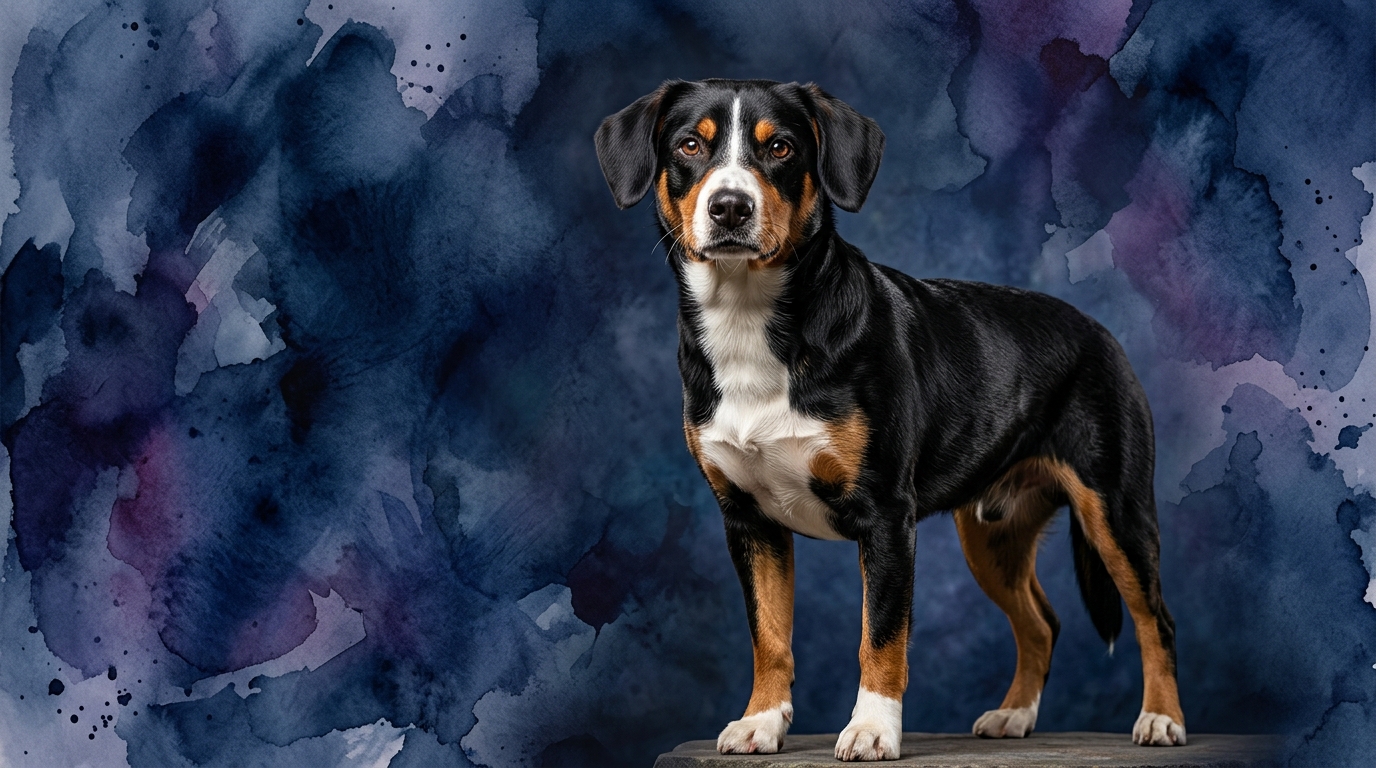
For the Entlebucher Mountain Dog, a member of the Herding group, Problem Solving (3/5) often translates into practical, adaptive thinking on the farm. This might involve intuitively guiding livestock, anticipating their movements, or figuring out how to re-route a stray animal back to the flock. Their solutions are typically grounded in managing and organizing, often requiring real-time adjustments to dynamic situations. Their Training Speed (3/5) reflects a responsive nature to a primary handler, eager to learn commands that facilitate their partnership in work. They absorb routines and directives efficiently when tasks are clear and purposeful. Social Intelligence (3/5) for an Entlebucher is characterized by a deep attunement to their immediate human family, understanding subtle cues and displaying a watchful, protective loyalty. They read intentions within their trusted circle with precision. Their Instinctive Drive (3/5) is strongly rooted in herding and guardianship – a powerful urge to gather, protect, and maintain order within their perceived territory. Finally, their Memory (3/5) is reliable for routines, boundaries, and the specific tasks associated with their herding duties, allowing them to recall complex sequences and past experiences to inform future actions.
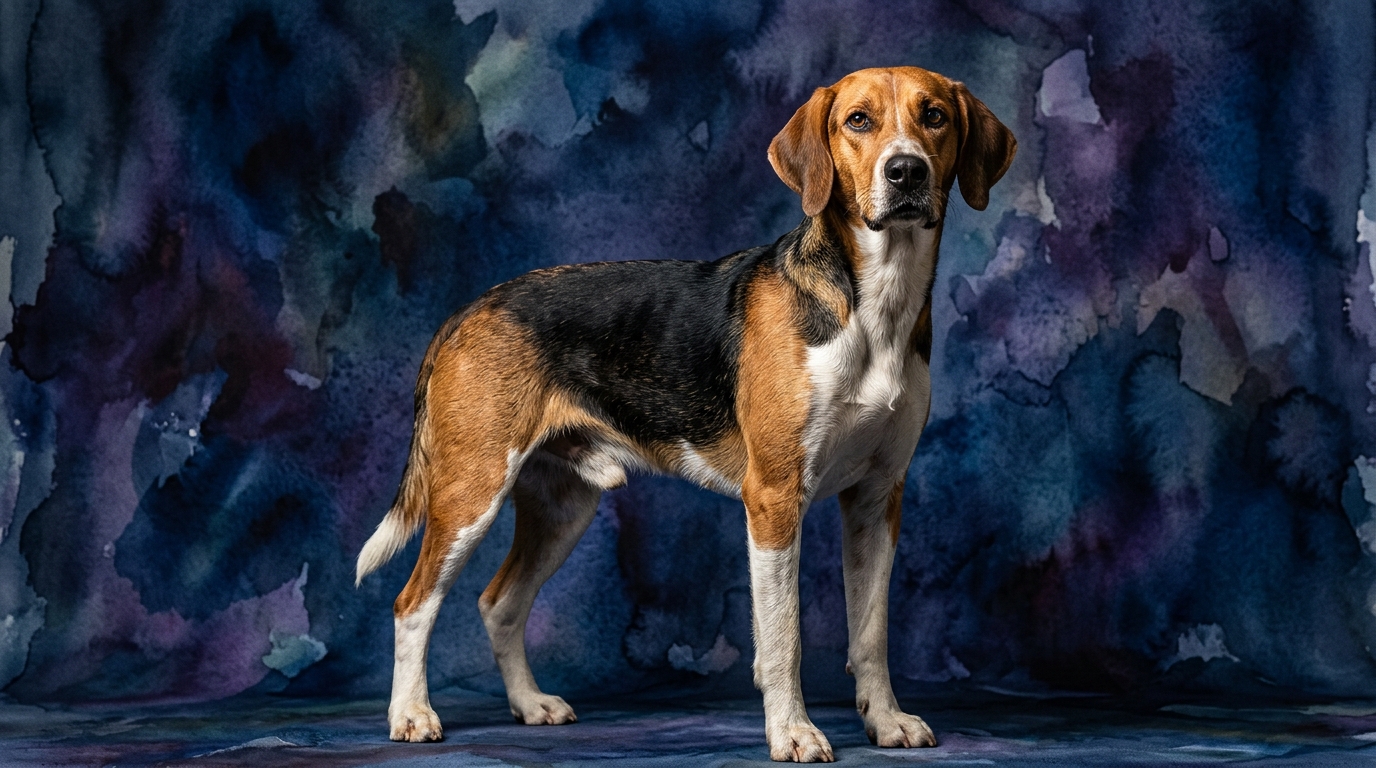
The English Foxhound, a quintessential Hound, applies its Problem Solving (3/5) to an entirely different challenge: the intricate puzzle of the scent trail. Their cognitive efforts are dedicated to deciphering a complex tapestry of odors, navigating varied terrain, and persistently following a specific scent to its conclusion. This requires a specialized deductive reasoning, less about managing a group and more about focused, individual pursuit. Their Training Speed (3/5) indicates a capacity to learn hunting calls, pack signals, and basic obedience, but often with an independent streak. Their powerful natural instincts, particularly when on a scent, can sometimes override learned commands, requiring consistent, highly motivating training methods. The Foxhound's Social Intelligence (3/5) is primarily geared towards pack dynamics. They excel at cooperative interaction with other hounds, understanding hierarchy and working together seamlessly towards a common goal. Their social cues are often inter-canine, focused on collaborative hunting rather than nuanced human-dog partnership. Their Instinctive Drive (3/5) is overwhelmingly centered on the hunt – an unyielding urge to track by scent, chase, and pursue quarry with incredible stamina. Their Memory (3/5) is exceptional for olfactory information, allowing them to recall specific scent patterns, established hunting routes, and the identities of their pack members, crucial for piecing together intricate tracking challenges.
Where the Entlebucher Mountain Dog Wins Cognitively
The Entlebucher Mountain Dog’s cognitive strengths shine brightest in scenarios demanding a close, collaborative partnership with a human handler, particularly in tasks requiring oversight and management. Their problem-solving, while rated 3/5 like the Foxhound, is more geared towards dynamic decision-making within a structured environment. They excel at assessing situations involving movement and interaction, such as anticipating the needs of livestock or understanding complex multi-step commands in agility or obedience. This breed demonstrates a proactive intelligence, often taking initiative to 'do the right thing' from their perspective, which is to maintain order and safety. Their social intelligence, while equally rated, fosters a deeper, more intuitive bond with an individual or family, making them highly attuned to subtle human cues and emotional states. This allows for a more fluid communication channel, where the Entlebucher often seems to anticipate their owner's next move. Their memory, too, is particularly strong for established routines and the specific expectations of their human companions, making them reliable participants in household life and structured activities.
Where the English Foxhound Wins Cognitively
The English Foxhound’s cognitive prowess lies in its unparalleled dedication to scent work and its ability to operate effectively within a canine pack. While their problem-solving also scores 3/5, it manifests as an extraordinary capacity for persistent, single-minded pursuit of a scent trail. They exhibit remarkable deductive reasoning in piecing together fragmented olfactory information, navigating diverse terrains, and overcoming obstacles solely based on smell. This is a highly specialized form of intelligence, requiring immense focus and stamina that few other breeds can match. Their instinctive drive, equally rated, is a finely honed instrument for hunting, making them masters of endurance and tracking. The Foxhound’s social intelligence, while also 3/5, is a testament to their ability to communicate and cooperate seamlessly with other dogs. They understand pack hierarchy and dynamics intrinsically, making them exceptional team players in a multi-dog environment dedicated to a common goal. Their memory, specialized for olfactory recall, allows them to 're-read' complex scent narratives, remembering specific trails and their nuances over time and distance.
Training Ease: Partnership vs. Persistence
Comparing the training ease of the Entlebucher Mountain Dog and the English Foxhound, despite their identical 3/5 training speed rating, reveals significant practical differences rooted in their behavioral predispositions. The Entlebucher, with its herding background, generally approaches training as a collaborative effort. They possess a strong desire to partner with and please their primary handler, making them receptive to obedience and household rules. Their inclination to be 'involved' and to maintain order means they often respond well to positive reinforcement and clear, consistent instruction. While they can be strong-willed, their motivation often comes from a desire to work alongside their human, making them generally more straightforward to teach complex sequences and perform tasks on cue in a domestic setting. They are typically more attuned to human direction and appreciate having a job to do.
The English Foxhound, on the other hand, presents a different training dynamic. While capable of learning at a moderate pace, their profound instinctive drive for scent work often takes precedence over human directives. When a compelling scent is present, their independent nature and single-minded focus on the trail can make them appear 'deaf' to commands. Training a Foxhound requires immense patience, consistency, and a deep understanding of their motivational triggers. Their desire to work is often tied to their innate hunting drive, meaning traditional obedience might feel less inherently rewarding to them. Off-leash reliability, in particular, can be a significant challenge due to their powerful urge to follow their nose. Training often requires creative strategies to compete with the allure of a captivating scent, focusing on building a strong recall and engagement that can override their primal instincts. Therefore, while both learn at a similar 'speed' in terms of acquiring information, the Entlebucher's inherent desire for partnership often makes them 'easier' to integrate into a human-centric training regimen, whereas the Foxhound demands a trainer who respects and can channel their specialized, independent drive.
Suitability for Active vs. Relaxed Owners
Neither the Entlebucher Mountain Dog nor the English Foxhound is suited for a truly 'relaxed' owner in the sense of minimal daily engagement. Both breeds possess substantial energy levels and require significant mental and physical stimulation, but the *nature* of that activity differs considerably. The Entlebucher Mountain Dog thrives with active owners who can provide structured activities, consistent training, and a sense of purpose. They are excellent companions for hiking, dog sports like agility or obedience, and even urban exploration, provided they have a 'job' to do. Their energy is often channeled into focused tasks, and they benefit from a strong routine and clear boundaries. An Entlebucher needs an owner willing to invest time in their training and integration into family life, offering mental challenges alongside physical exercise. They appreciate being included in family activities and can adapt to various living situations if their needs for engagement are met.
The English Foxhound, conversely, demands an owner with an exceptionally active lifestyle and a deep understanding of a hound's needs for extensive, vigorous exercise. Their stamina is legendary, bred to run for hours across vast distances, following a scent. A Foxhound requires daily opportunities for long, brisk runs, ideally in secure, open areas where they can stretch their legs and indulge their sniffing instincts. They are not content with short walks around the block; their exercise needs are substantial and non-negotiable. Owners who enjoy trail running, cycling with their dog, or participating in scent work or field trials would find a compatible partner. A Foxhound can become restless, vocal, and destructive if its immense energy and instinctive drives are not adequately met. Therefore, while both breeds are for active owners, the Entlebucher suits those seeking a versatile, collaborative partner in varied activities, whereas the Foxhound is best for dedicated outdoor enthusiasts capable of providing consistent, high-intensity, and often scent-driven physical outlets.
The Verdict
Choose the Entlebucher Mountain Dog if you seek a highly engaged, collaborative canine partner for a variety of activities, valuing a strong bond and a dog eager to work alongside you in a structured environment. They are ideal for active individuals or families who appreciate a watchful companion with a keen desire to participate in household life.
Opt for the English Foxhound if you are an exceptionally active individual or family deeply committed to providing extensive, vigorous exercise and can accommodate their powerful, independent scenting instincts. They are best suited for owners who understand and can channel a hound's specialized drive, appreciating their stamina and unique pack-oriented social dynamics.
🧠 Find Your Pet's IQ Score
Our Pet IQ Lab assessment covers 25+ tests across 5 cognitive dimensions — personalized to your breed.
Take the Full IQ Test →Frequently Asked Questions
Do Entlebucher Mountain Dogs and English Foxhounds have similar temperaments?
Despite similar IQ scores, their temperaments differ significantly due to their specialized roles. Entlebuchers are typically more family-oriented, watchful, and eager to please their human companions, while Foxhounds are more independent, pack-oriented, and driven by their powerful scenting instincts.
Which breed is better for first-time dog owners?
The Entlebucher Mountain Dog, while needing consistent training and socialization, is generally a more manageable choice for committed first-time owners due to their desire to partner and their responsiveness to direction. The English Foxhound's intense exercise needs and independent, scent-driven nature can be overwhelming for inexperienced owners.
Can an English Foxhound be trained for tasks other than hunting?
Yes, English Foxhounds can be trained for various tasks, including obedience, agility, and scent work, but their innate hunting drive will always be a dominant factor. Training requires exceptional patience and creativity to keep them engaged, often leveraging their love for scent games and vigorous physical activity.