Side-by-Side IQ Profile: Unpacking Identical Scores
At first glance, the Pet IQ Lab scores for the Entlebucher Mountain Dog and the Lakeland Terrier appear identical across the board, with both breeds registering 3/5 in Problem Solving, Training Speed, Social Intelligence, Instinctive Drive, and Memory. This numerical parity, however, belies a fascinating divergence in how these cognitive attributes manifest in breeds from such distinct working groups.
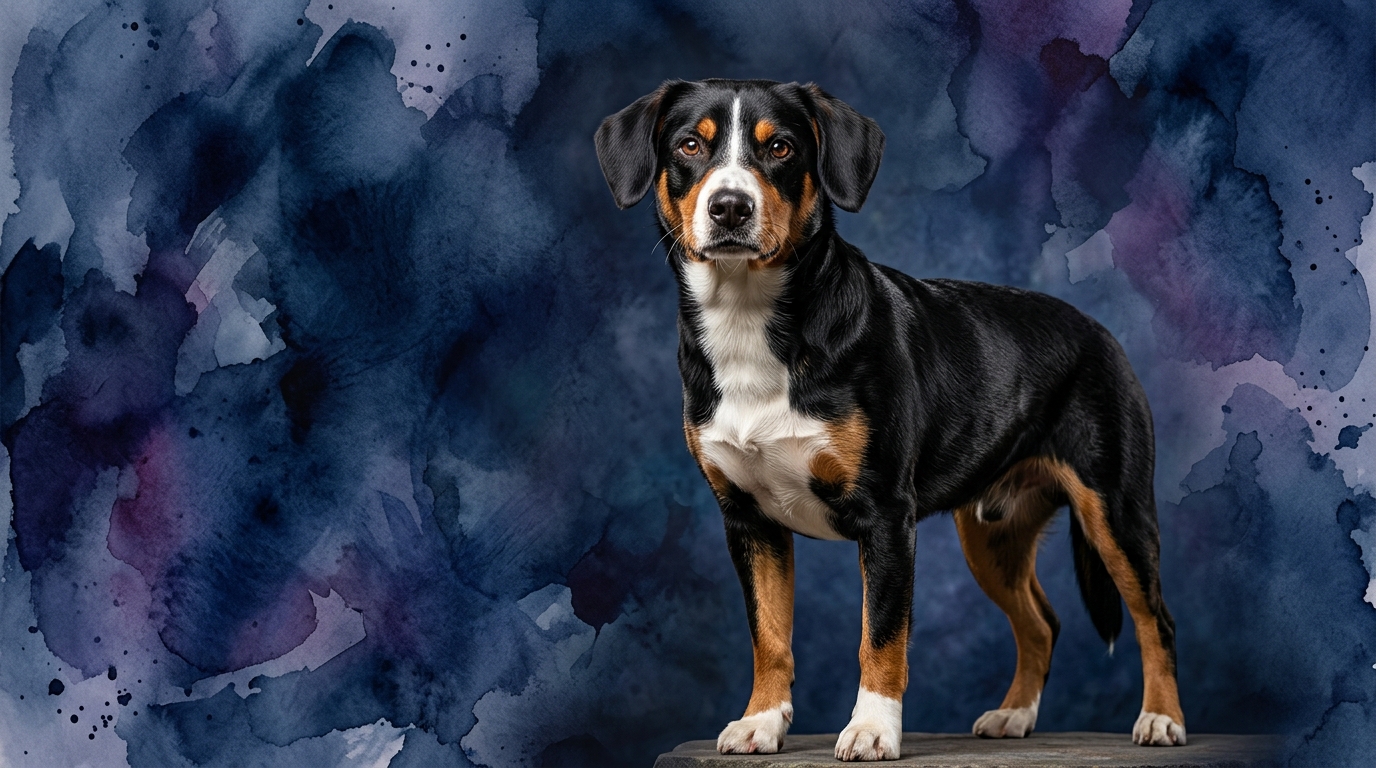
The Entlebucher Mountain Dog, hailing from the Herding Group, applies its 3/5 Problem Solving to tasks requiring sequential logic, spatial awareness in managing livestock, and understanding complex human directives. Its 3/5 Training Speed reflects a responsiveness to structured learning and a desire to work in partnership, while its Social Intelligence often involves attunement to handler cues and cooperative dynamics. The breed's Instinctive Drive is rooted in herding and guarding, and its Memory excels at retaining multi-step routines and spatial details.
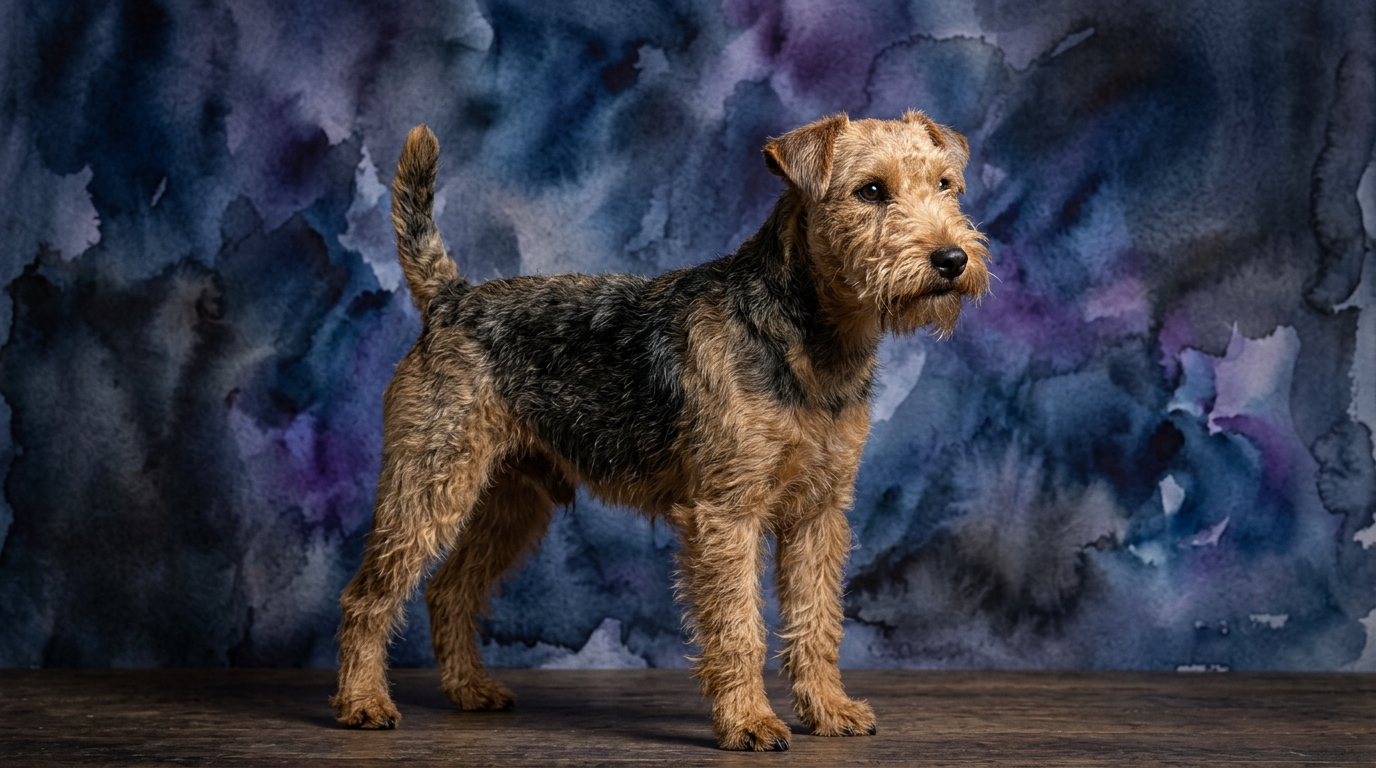
Conversely, the Lakeland Terrier, a member of the Terrier Group, utilizes its 3/5 Problem Solving with an independent, often tenacious approach, devising ingenious solutions to reach self-motivated goals, frequently involving physical manipulation or overcoming obstacles. Its 3/5 Training Speed indicates quick learning, but often with a selective ear, driven by self-interest or the thrill of the chase. Social Intelligence in a Lakeland often involves reading intentions and understanding how to achieve its own agenda, while its Instinctive Drive is powerfully focused on hunting, digging, and independent pursuit. Its 3/5 Memory is adept at recalling rewarding opportunities, scent trails, and successful strategies for mischief.
Where the Entlebucher Mountain Dog Wins Cognitively
The Entlebucher Mountain Dog's cognitive strengths shine brightest in scenarios demanding cooperation, structure, and a deep understanding of human directives. Their Herding background has honed a mental framework that excels at anticipating movements, managing resources (whether livestock or family members), and adhering to complex sequences of commands. This breed's problem-solving is often about maintaining order and efficiency within a defined system.
For owners engaging in dog sports like competitive obedience, agility courses with intricate patterns, or multi-stage scent work, the Entlebucher's ability to process and execute a series of steps, coupled with their strong memory for routines, gives them a distinct advantage. Their social intelligence fosters a partnership where they actively seek to understand and fulfill their handler's expectations, making them adept at collaborative cognitive challenges.
Where the Lakeland Terrier Wins Cognitively
The Lakeland Terrier's cognitive prowess is defined by its remarkable independence, tenacity, and innovative problem-solving, particularly when driven by a strong, internal motivation. Unlike the Entlebucher's cooperative intelligence, the Lakeland excels at tasks requiring self-reliance and cleverness, often finding unique ways to overcome obstacles to achieve a singular, self-determined goal. Their mental faculties are geared towards persistent pursuit and independent action.
This translates into a breed that can be incredibly resourceful in finding a hidden toy, cleverly escaping an enclosure, or persistently digging to reach a perceived 'prey.' Their problem-solving isn't about following a script but about inventing one on the fly, often with a mischievous flair. Owners who appreciate a dog with a strong, independent mind and a flair for innovative solutions will find the Lakeland's cognitive style particularly engaging.
Which Is Easier to Train and Why
Despite both breeds scoring 3/5 in Training Speed, the 'ease' of training them differs significantly due to their underlying motivational structures and instinctive drives. The Entlebucher Mountain Dog, with its herding heritage, generally approaches training with an eagerness to please and a desire for partnership. They respond well to clear, consistent direction and positive reinforcement, viewing training as a collaborative effort where their social intelligence helps them attune to the trainer's wishes.
Entlebuchers thrive on structure and routine, quickly grasping commands and retaining them due to their strong memory. While they require firm, fair leadership, their natural inclination is to comply and work alongside their human, making the process feel more straightforward and less prone to defiance. Their cooperative spirit means they are often more forgiving of minor inconsistencies from a new trainer.
The Lakeland Terrier, while equally capable of learning quickly, often requires a more creative and highly engaging training approach. Their independent nature and strong prey drive mean they can be prone to 'selective deafness' if a more interesting scent or sight captures their attention. Training a Lakeland needs to feel like a challenging game they can 'win,' rather than merely following orders, requiring a trainer who can consistently outwit and motivate their clever, self-rewarding mind.
Which Suits Active Owners vs. Relaxed Owners
Both the Entlebucher Mountain Dog and the Lakeland Terrier are breeds with significant energy and mental stimulation needs, making neither suitable for truly 'relaxed' or sedentary owners. However, the *type* of activity they thrive on and how their cognitive profiles influence their daily requirements differ substantially, guiding owners toward the best fit for their lifestyle.
The Entlebucher Mountain Dog suits active owners who enjoy structured activities and providing a 'job' for their dog. Their problem-solving and memory skills mean they excel in dog sports, advanced obedience, and long, purposeful hikes. They need consistent mental engagement that taps into their herding and guarding instincts, thriving on being part of a 'team' and having a defined role, which keeps their cooperative mind satisfied.
The Lakeland Terrier, while equally active, demands owners who can channel their tenacious, independent energy into appropriate outlets. Their strong instinctive drive for hunting and digging means they need opportunities for scent work, earthdog trials, and rigorous play sessions that mimic a chase. Owners must be prepared for a dog that will invent its own fun if not adequately stimulated, often involving creative destruction or escape attempts, reflecting their ingenious problem-solving applied to their own agenda.
The Verdict: When to Choose Each Breed
The Verdict
Choose the Entlebucher Mountain Dog if you seek a cooperative, loyal partner eager for structured activities and thrives on clear communication within a purposeful 'team' dynamic.
Opt for the Lakeland Terrier if you admire independent thought, a tenacious spirit, and a clever companion who enjoys challenging games, scent work, and possesses a strong personality, provided you can commit to creative, consistent training.
🧠 Find Your Pet's IQ Score
Our Pet IQ Lab assessment covers 25+ tests across 5 cognitive dimensions — personalized to your breed.
Take the Full IQ Test →Frequently Asked Questions
Do identical IQ scores mean Entlebucher Mountain Dogs and Lakeland Terriers are equally easy to live with?
No, identical scores indicate similar cognitive potential, but their breed-specific instincts and how they apply their intelligence lead to very different temperaments and needs. The Entlebucher's cooperative nature contrasts with the Lakeland's independent drive, impacting daily life.
How does a Herding dog's 'problem solving' differ from a Terrier's, even at the same score?
An Entlebucher's problem-solving often involves understanding sequences, spatial relationships in a group, and anticipating movements for control. A Lakeland's involves persistent, often physical, ingenuity to overcome obstacles for a self-motivated goal, like pursuing prey or achieving an independent objective.
Can a Lakeland Terrier be trained for complex obedience like an Entlebucher Mountain Dog?
Yes, both breeds are capable of learning complex obedience routines due to their 3/5 training speed and memory. However, a Lakeland may require more creative and engaging motivation, and a trainer who understands how to channel their independent spirit and high prey drive into the training process effectively.