Side-by-Side Cognitive Profiles: Decoding the '3/5'
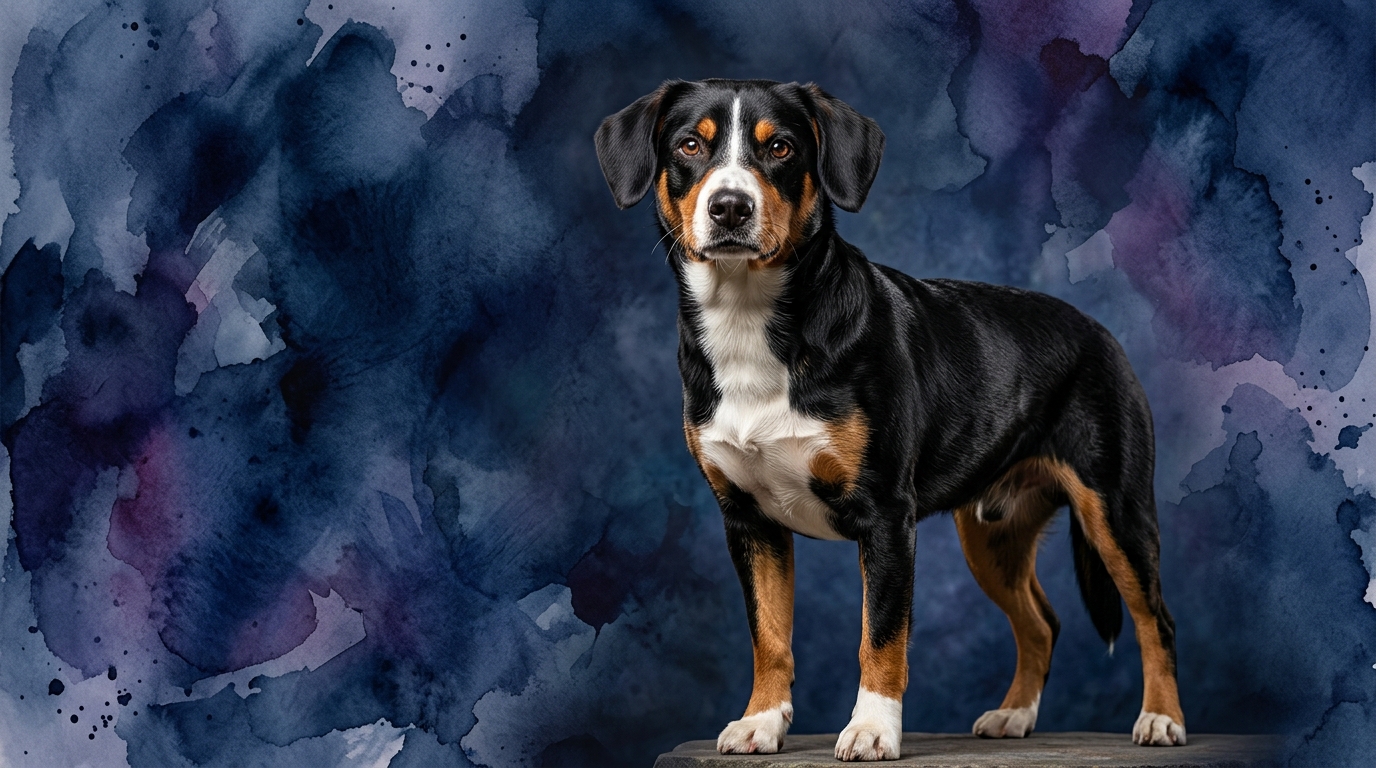
The Entlebucher Mountain Dog, a medium-sized, powerful Herding dog from Switzerland, embodies a working intellect. Its 'Problem Solving 3/5' translates to practical ingenuity in navigating varied terrain or understanding livestock movement, focusing on tangible environmental challenges rather than abstract puzzles. 'Training Speed 3/5' indicates they learn commands reliably, especially when these tasks are purpose-driven and engaging, requiring consistent, clear guidance. Their 'Social Intelligence 3/5' is geared towards understanding human cues for direction and discerning familiar individuals from potential threats, crucial for their historical roles. An 'Instinctive Drive 3/5' reflects strong inherent impulses for herding, guarding, and territorial awareness, which are central to their cognitive makeup. Finally, 'Memory 3/5' suggests excellent retention of complex routes, multi-step tasks, and learned behaviors essential for their working heritage.
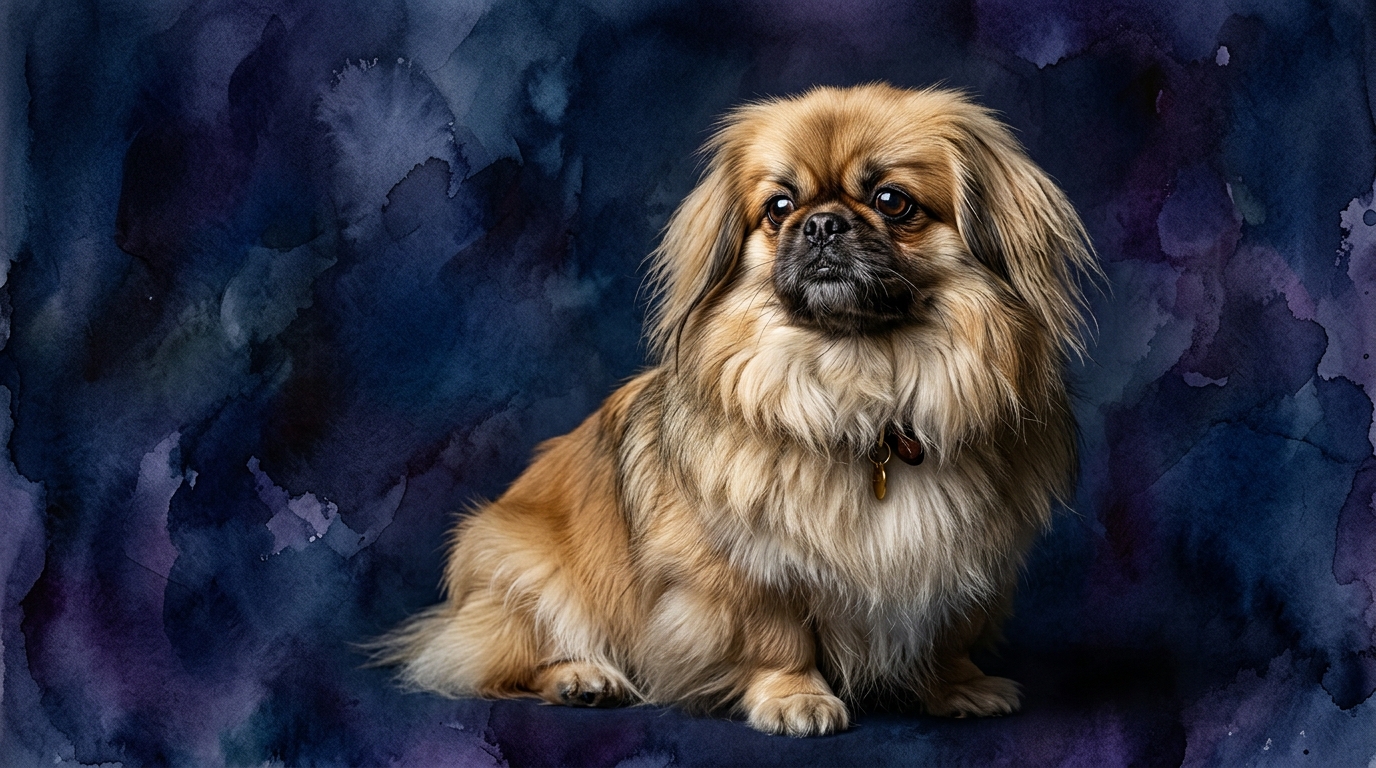
In stark contrast, the Pekingese, a small, regal Toy dog from ancient China, was bred primarily for companionship and luxury. Its 'Problem Solving 3/5' points to cleverness in manipulating their domestic environment for comfort or attention, or strategizing to obtain desired items from their human companions. 'Training Speed 3/5' means they learn household rules and routines at a moderate pace, though often requiring strong motivation and patience from their owner. The Pekingese's 'Social Intelligence 3/5' manifests as an acute awareness of household dynamics, family moods, and a discerning approach to strangers, allowing them to navigate complex human relationships within the home. Their 'Instinctive Drive 3/5' speaks to a strong sense of self-preservation, personal boundaries, and unwavering loyalty to their chosen people, rather than a working drive. 'Memory 3/5' ensures they remember routines, preferred people, and where treats are typically stored, contributing to their sense of security. It's worth noting their Coren rank of #77, which, while lower than many working breeds, aligns with our 3/5 scores in indicating functional intelligence, just not one primarily focused on extensive obedience.
Where Entlebucher Mountain Dogs Excel Cognitively
The Entlebucher's 'Problem Solving 3/5' truly shines in dynamic, real-world scenarios that demand physical and mental engagement. This isn't about solving a static puzzle box, but rather about adapting to unpredictable outdoor challenges, such as assessing changes in their environment, figuring out the best path through obstacles, or understanding the nuances of livestock movement. Their cognitive strengths are deeply rooted in practical application and environmental awareness, making them adept at tasks requiring ingenuity in fluid situations.
When combined, their 'Instinctive Drive 3/5' and 'Memory 3/5' provide a robust cognitive framework for tasks demanding endurance and consistent application. Entlebuchers excel at remembering complex, multi-step commands or intricate routes over extended periods, making them well-suited for activities like agility, scent work, or even search and rescue. Their recall is not just about remembering a single command but about retaining sequences of actions and spatial information to complete a goal.
Furthermore, their 'Social Intelligence 3/5' is specifically geared towards collaboration and understanding directives from a trusted handler. They interpret human body language and vocal cues as actionable instructions, essential for coordinating during herding or protection tasks. This form of social cognition is about partnership in a task-oriented context, making them responsive to guidance when engaged in a shared activity.
Where Pekingese Shine Cognitively
The Pekingese's 'Problem Solving 3/5' is exquisitely tuned to their domestic environment, often manifesting as strategic thinking to achieve personal comfort or desires. They might 'problem-solve' how to get the prime spot on the sofa, how to subtly persuade an owner for an extra treat, or how to navigate around household obstacles with minimal effort. This demonstrates a nuanced understanding of their immediate surroundings and the dynamics within their human family.
Their 'Social Intelligence 3/5' is arguably their most refined cognitive strength, honed over centuries for companion living. Pekingese excel at reading human emotions, discerning moods, and understanding the subtle social cues within the home. This allows them to adapt their behavior to maintain harmony, secure affection, or even exert gentle influence, making them exceptional at navigating complex inter-human relationships from a companion's perspective.
The 'Memory 3/5' of a Pekingese is particularly strong for remembering routines, preferred people, and the specific nuances of their daily life. This contributes significantly to their sense of security and well-being. They will readily recall which family member is most likely to give in to their charming persistence, where favorite toys are kept, or the precise timing of their meals, showcasing a memory dedicated to their personal comfort and social interactions.
Training Dynamics: Entlebucher vs. Pekingese
For the Entlebucher Mountain Dog, their 'Training Speed 3/5' means they learn readily, particularly when training is consistent, positive, and taps into their 'Instinctive Drive 3/5' for purposeful work. They respond well to structure and clear expectations, often viewing training as a collaborative task where they are working alongside their human. However, their independence means they are not simply automatons; they require an engaged handler who understands their working dog mindset and can make training mentally stimulating. If training becomes boring or inconsistent, their 3/5 problem-solving might lead them to find their own, potentially less desirable, forms of entertainment.
Conversely, the Pekingese's 'Training Speed 3/5' indicates they are capable learners, but their motivation often differs significantly. Training a Pekingese typically requires patience, high-value rewards, and an understanding of their dignified and sometimes stubborn nature. Their 'Social Intelligence 3/5' means they understand what you want, but their 'Problem Solving 3/5' might lead them to weigh compliance against personal comfort or perceived benefit. They might learn quickly if it directly benefits them (e.g., 'sit' equals a treat), but less so for abstract obedience commands. They can be easier to house-train due to their preference for cleanliness but might resist complex obedience if it doesn't align with their desires.
Overall, for formal obedience or complex task-oriented training, the Entlebucher often *appears* easier to train due to their inherent drive to work alongside humans. However, for integrating into a relaxed home environment with specific, desired behaviors like house training or quiet manners, the Pekingese can be just as trainable, provided the owner understands their unique motivations and employs methods that appeal to their comfort-seeking and discerning nature.
Owner Suitability: Active vs. Relaxed Lifestyles
The Entlebucher Mountain Dog is unequivocally suited for active owners. Their 'Instinctive Drive 3/5' and 'Problem Solving 3/5' demand regular, meaningful physical and mental engagement. They thrive when given opportunities for hiking, dog sports like agility or obedience, or any activity that provides a sense of 'job' or purpose. An owner who can consistently channel their energy and cognitive capacity into constructive activities will find them a highly fulfilling and devoted companion. Without sufficient outlet, their cognitive strengths and physical vigor can manifest as destructive behaviors, excessive barking, or general restlessness, indicating their need for engagement.
The Pekingese, on the other hand, is ideally suited for relaxed owners. Their cognitive strengths are less about physical exertion and more about navigating a comfortable, domestic existence with grace and charm. While they enjoy short, leisurely walks and garden exploration, their primary 'work' involves being an attentive, discerning companion within the home. Their 'Social Intelligence 3/5' makes them excellent at providing cozy companionship, thriving in an environment where their subtle cues, dignified presence, and affectionate nature are appreciated. They are content with indoor living and require less strenuous activity, making them perfect for those seeking a devoted lap companion.
The Verdict: When to Choose Each Breed
The Verdict
Opt for the Entlebucher Mountain Dog if you seek a robust, engaged partner for outdoor adventures, dog sports, or a 'working' companion who thrives on purposeful activity and collaborative problem-solving. This breed needs an owner prepared to channel its substantial physical and mental energy.
Select a Pekingese if you desire a devoted, discerning companion who excels at navigating domestic life with grace, providing subtle social interaction and a comforting presence in a more relaxed household setting. This breed thrives on companionship and a comfortable, predictable routine.
🧠 Find Your Pet's IQ Score
Our Pet IQ Lab assessment covers 25+ tests across 5 cognitive dimensions — personalized to your breed.
Take the Full IQ Test →Frequently Asked Questions
Do Entlebucher Mountain Dogs need a 'job' to be happy?
While 'job' might imply traditional herding, their 3/5 instinctive drive and problem-solving mean they thrive on purposeful activity. This can include advanced obedience training, dog sports, or even complex training games that engage their cognitive and physical energy in a structured way, providing mental stimulation.
Is the Pekingese's Coren rank of #77 contradictory to its 3/5 IQ scores?
Not contradictory; the Coren ranking primarily assesses 'working and obedience intelligence,' focusing on command-following in a formal context. The Pet IQ Lab's 3/5 scores reflect a broader cognitive capacity, including social intelligence and problem-solving skills, which a Pekingese applies effectively within its companion role, even if not for extensive formal obedience.
Can a Pekingese learn tricks as well as an Entlebucher?
Both breeds, with a 3/5 training speed, are capable of learning tricks. An Entlebucher might learn complex sequences faster if motivated by purpose or a strong working drive, while a Pekingese can learn many tricks if the reward is appealing and the training is fun, consistent, and leverages their social intelligence for interaction.