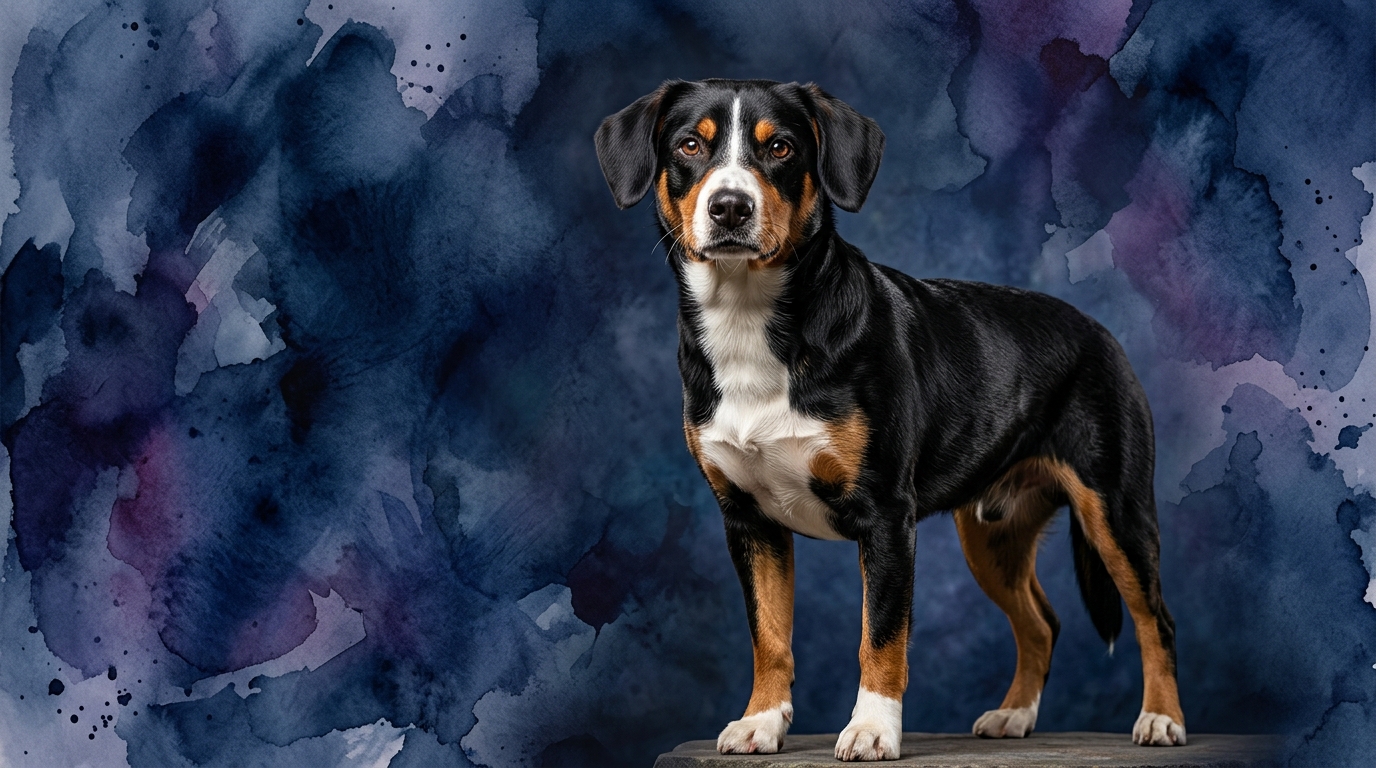
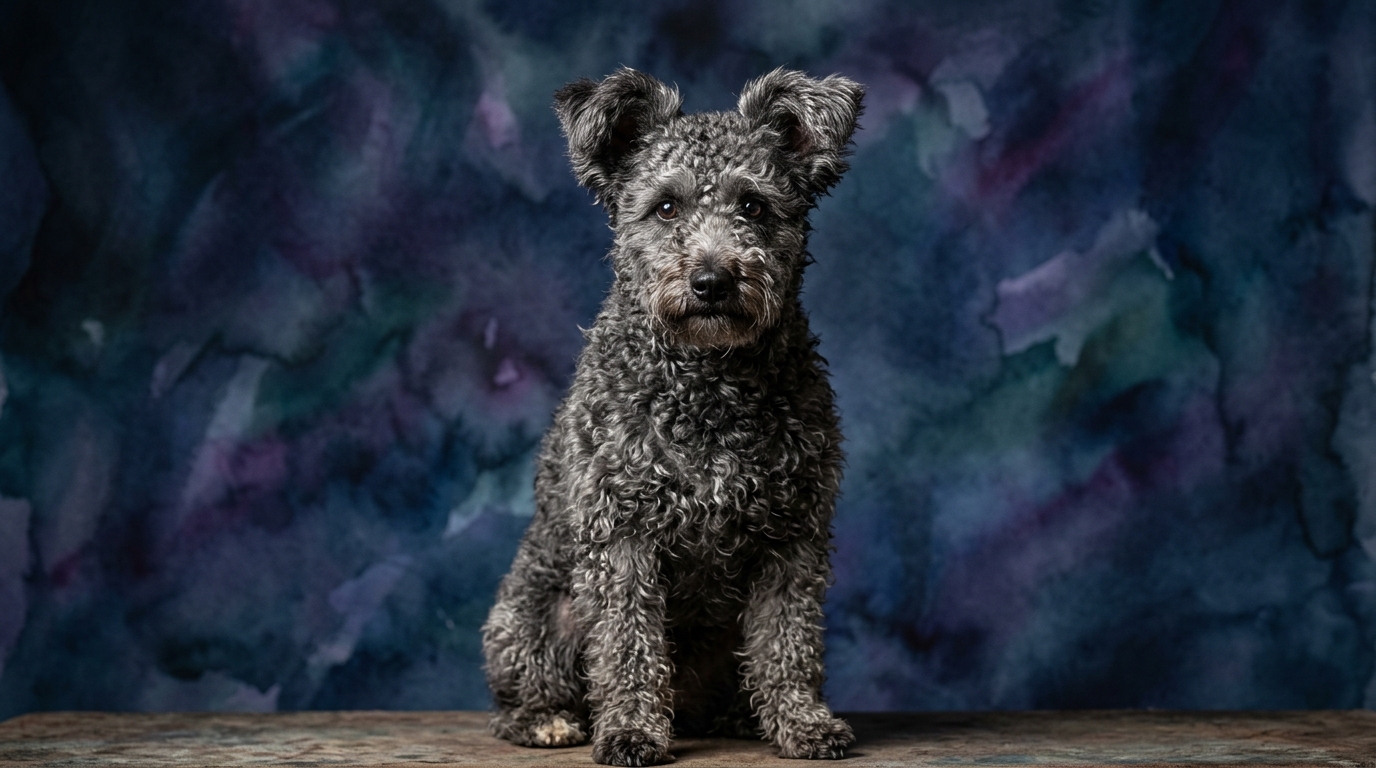
Side-by-Side IQ Profile: Entlebucher Mountain Dog vs. Pumi
At The Cosmic Pet Pet IQ Lab, both the Entlebucher Mountain Dog and the Pumi present an intriguing identical score of 3/5 across all five measured intelligence dimensions. This uniform rating suggests a moderate, balanced cognitive profile for both breeds, yet their inherent breed characteristics dictate how these scores translate into practical abilities and behaviors. Understanding this nuance is key to appreciating their individual intellectual leanings.
For Problem Solving (3/5), both breeds demonstrate a moderate capacity to navigate novel situations. The Entlebucher, often described as robust and methodical, might approach a new challenge with determined persistence, leveraging its physical presence. The Pumi, known for its agility and quick wit, might instead opt for a series of rapid, exploratory actions to find a solution, often involving movement and vocalizations.
Training Speed (3/5) indicates a moderate pace for learning new commands and routines for both. An Entlebucher typically thrives on consistency and clear, patient instruction, internalizing lessons steadily over time. A Pumi, while equally capable of learning, often benefits from engaging, varied training sessions that prevent boredom and capitalize on its energetic disposition.
Social Intelligence (3/5) for both breeds reflects a moderate understanding of human cues and social dynamics. The Entlebucher often exhibits a devoted, somewhat reserved nature, deeply attuned to its immediate family's moods and routines but cautious with strangers. The Pumi, by contrast, tends to be highly communicative and eager to engage, often reading its handler's intentions with an almost intuitive zeal, especially in active cooperation.
Instinctive Drive (3/5) highlights a moderate expression of innate behaviors like herding. The Entlebucher possesses a strong, protective herding instinct often coupled with territorial watchfulness, applying its intellect to maintaining order and security. The Pumi's drive manifests as a lively, agile, and often vocal herding style, utilizing its cognitive abilities for swift, precise control of livestock. Finally, Memory (3/5) suggests a moderate retention of learned information and experiences for both, meaning they reliably remember training, routines, and significant events, though the Pumi’s memory might be more sharply tuned to sequences of actions in dynamic environments, while the Entlebucher’s might focus on established patterns and spatial awareness.
Where the Entlebucher Mountain Dog Wins Cognitively
Despite identical scores, the Entlebucher Mountain Dog often demonstrates a particular cognitive strength in areas demanding a steady, grounded approach and a deep sense of responsibility. Their Problem Solving (3/5) often manifests as a methodical tenacity; faced with an obstacle, an Entlebucher is likely to persist with a well-trodden strategy or a physically robust solution rather than frantic experimentation. This makes them particularly adept at tasks requiring endurance and a calm, unwavering focus, such as navigating familiar, challenging terrain or maintaining a consistent watch over property.
Their Social Intelligence (3/5) shines in their profound devotion and reliability within the family unit. An Entlebucher is a master of subtle cues within its inner circle, often anticipating its owner’s needs or emotional state with a quiet understanding that goes beyond superficial interaction. This reserved yet deeply perceptive nature means they apply their social intellect to fostering a stable, predictable home environment, acting as a steady, reassuring presence.
Furthermore, the Entlebucher’s Instinctive Drive (3/5), while moderate, is expertly channeled into protective and territorial behaviors. This isn't about uncontrolled aggression, but a thoughtful application of their cognitive resources to assess and manage perceived threats. Their intellect guides them to be discerning watchdogs, understanding when to alert and when to simply observe, making them effective guardians who prioritize the safety and order of their domain without excessive reactivity. They excel in roles where consistency and a solid understanding of boundaries are paramount.
Where the Pumi Wins Cognitively
The Pumi, with its spirited demeanor and agile build, excels in cognitive areas demanding quick processing, adaptability, and high engagement, even with identical IQ scores. Their Problem Solving (3/5) is characterized by a rapid, often inventive approach. When confronted with a puzzle or a new situation, a Pumi is likely to try various solutions swiftly, using its dexterity and vocalizations to experiment until success is achieved. This makes them particularly suited for agility courses or interactive puzzle toys that reward speed and creative manipulation.
The Pumi’s Training Speed (3/5), while numerically equal, often feels quicker in practice due to their intense eagerness to please and high drive for interaction. They absorb new commands with enthusiasm, especially when training is kept dynamic and varied. Their moderate memory ensures that once a trick or task is learned, it's retained, allowing them to build an extensive repertoire of skills quickly, making them formidable competitors in dog sports like obedience and rally. Their mental agility allows them to switch between tasks and cues with impressive fluidity.
Their Instinctive Drive (3/5) is a significant cognitive asset, manifesting as a highly refined and energetic herding style. Pumis often use their moderate social intelligence to work in tight partnership with a handler, anticipating movements and responding to commands with precision. This drive is not just about moving sheep; it involves strategic thinking, quick decision-making, and the ability to control movement through focused action and vocal cues, showcasing a sophisticated application of their cognitive abilities in a fast-paced environment. Their moderate memory helps them recall complex herding patterns and strategies.
Which is Easier to Train and Why
While both breeds share a 3/5 rating for Training Speed, their temperaments dictate different training approaches and perceived ease. The Entlebucher Mountain Dog, with its more deliberate and sometimes stubborn nature, requires consistent, patient, and positive reinforcement-based training. They thrive on routine and clear, unwavering expectations. Their moderate memory means they will retain lessons deeply once learned, but they might take longer to initially accept a new command if it conflicts with their established understanding or innate protective instincts. Trainers need to be firm, fair, and incredibly consistent, ensuring the Entlebucher understands its role and the value of compliance.
The Pumi, conversely, possesses a boundless energy and a keen desire for engagement that can make training feel more dynamic and responsive. Their moderate memory allows them to pick up a wide array of commands, but their high drive (3/5) means they can get bored with repetition. Training sessions for a Pumi need to be short, fun, and varied, incorporating games and challenges that stimulate their quick minds. While they might learn new tricks faster in an exciting environment, their independent streak and tendency to vocalize (a manifestation of their instinctive drive) require a trainer who can maintain their focus and channel their enthusiasm productively. Neither breed is 'easier' universally; rather, they require different styles of dedicated commitment.
Which Suits Active Owners vs. Relaxed Owners
For owners seeking a truly active canine partner, both the Entlebucher Mountain Dog and the Pumi demand significant daily engagement, but with different intensities and styles. The Pumi, with its high energy levels and quick problem-solving skills, is an ideal match for owners committed to dog sports, long runs, or extensive interactive play. Its moderate instinctive drive and social intelligence mean it thrives on being a working partner, requiring consistent mental and physical challenges to prevent boredom and channeling its vocal nature. An owner who enjoys teaching complex tricks or participating in agility will find the Pumi an enthusiastic and capable companion.
The Entlebucher Mountain Dog also requires substantial exercise and mental stimulation, but its activity needs are often met with structured, consistent walks, hiking, and engaging family activities. While capable of dog sports, their demeanor is often more about purposeful activity and guarding their family. They are generally less frantic than a Pumi, making them suitable for active owners who appreciate a more predictable routine and a watchful, devoted presence. Neither breed is suited for truly 'relaxed' or sedentary owners; both need consistent outlets for their moderate instinctive drives and cognitive capacities. However, an Entlebucher might adapt better to a slightly less frenetic pace, provided their core needs for exercise and family integration are met, while a Pumi will persistently demand more dynamic and varied engagement.
The Verdict
Choose the Entlebucher Mountain Dog if you seek a devoted, watchful companion who thrives on routine, family integration, and a more methodical approach to life, even if training requires patient consistency.
Choose the Pumi if you are ready for a lively, agile, and highly engaged partner who excels in dynamic activities and thrives on mental challenges, where their moderate training speed and instinctive drive can be channeled into sports or active roles.
🧠 Find Your Pet's IQ Score
Our Pet IQ Lab assessment covers 25+ tests across 5 cognitive dimensions — personalized to your breed.
Take the Full IQ Test →Frequently Asked Questions
Are Entlebucher Mountain Dogs good family pets?
Yes, Entlebucher Mountain Dogs are known for their deep devotion to their families and protective nature. Their moderate social intelligence means they can be reserved with strangers, so early and consistent socialization is crucial to ensure they are comfortable and well-adjusted in various situations.
Do Pumis bark a lot?
Pumis are indeed known for their vocal nature, a trait stemming from their moderate instinctive herding drive. They use barking to manage livestock and alert their owners, but with consistent training and proper outlets for their energy, excessive vocalization can be managed effectively.
How much exercise do these breeds need?
Both breeds require significant daily exercise and mental stimulation. Entlebuchers need regular, structured walks, hikes, and engaging family time, while Pumis, with their high energy and agility, thrive on more intense activities like dog sports, long runs, or active play sessions to satisfy their moderate instinctive drive and problem-solving needs.