Side-by-Side Cognitive Profiles: Entlebucher vs. Schnauzer
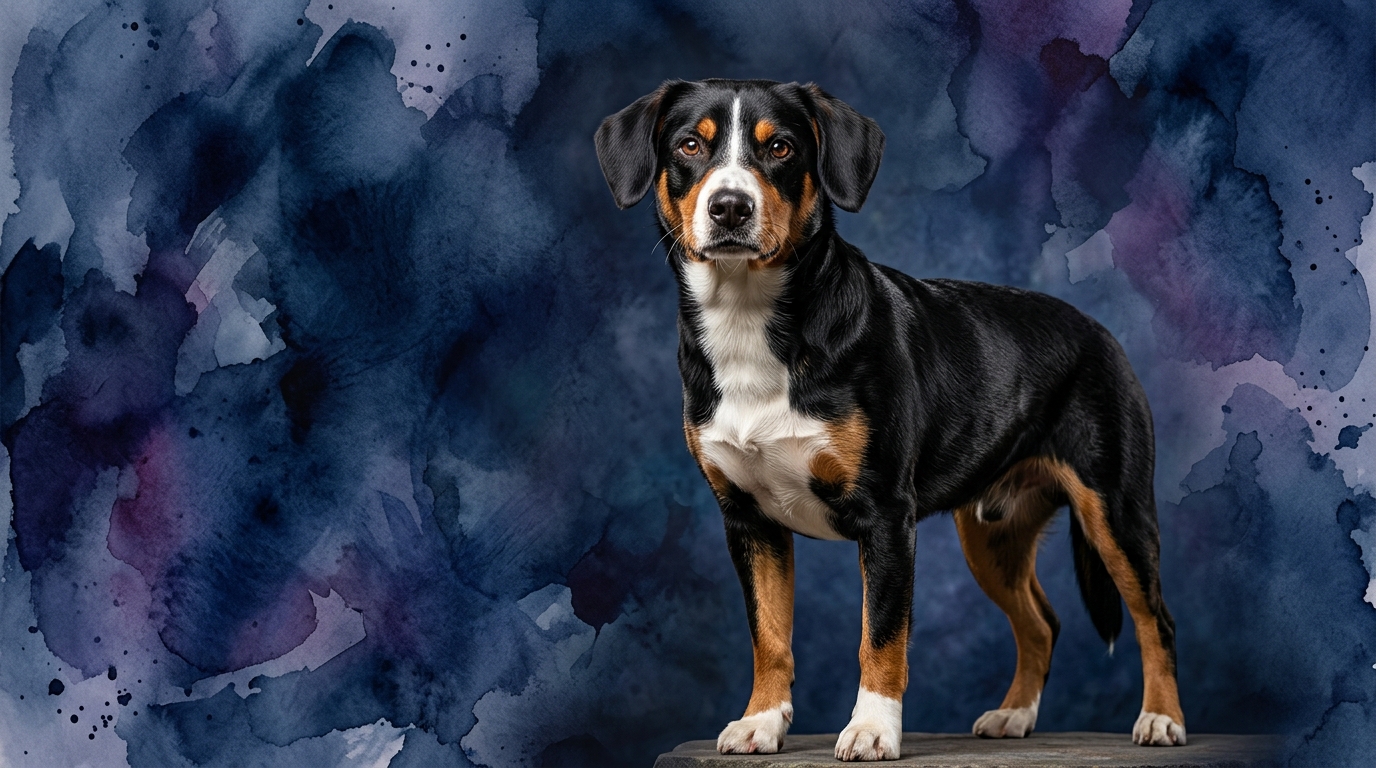
The Entlebucher Mountain Dog presents a uniformly balanced cognitive profile, scoring 3/5 across Problem Solving, Training Speed, Social Intelligence, Instinctive Drive, and Memory. This consistent performance indicates a dog that learns steadily and applies its mental faculties reliably, particularly suited for the practical demands of its herding lineage. While not excelling in any single cognitive dimension, its balanced intellect fosters a predictable and capable working partner, valuing consistency over rapid, complex adaptation. Its social intelligence is geared towards effective cooperation within a working context, rather than overt displays of affection or intricate social maneuvering.
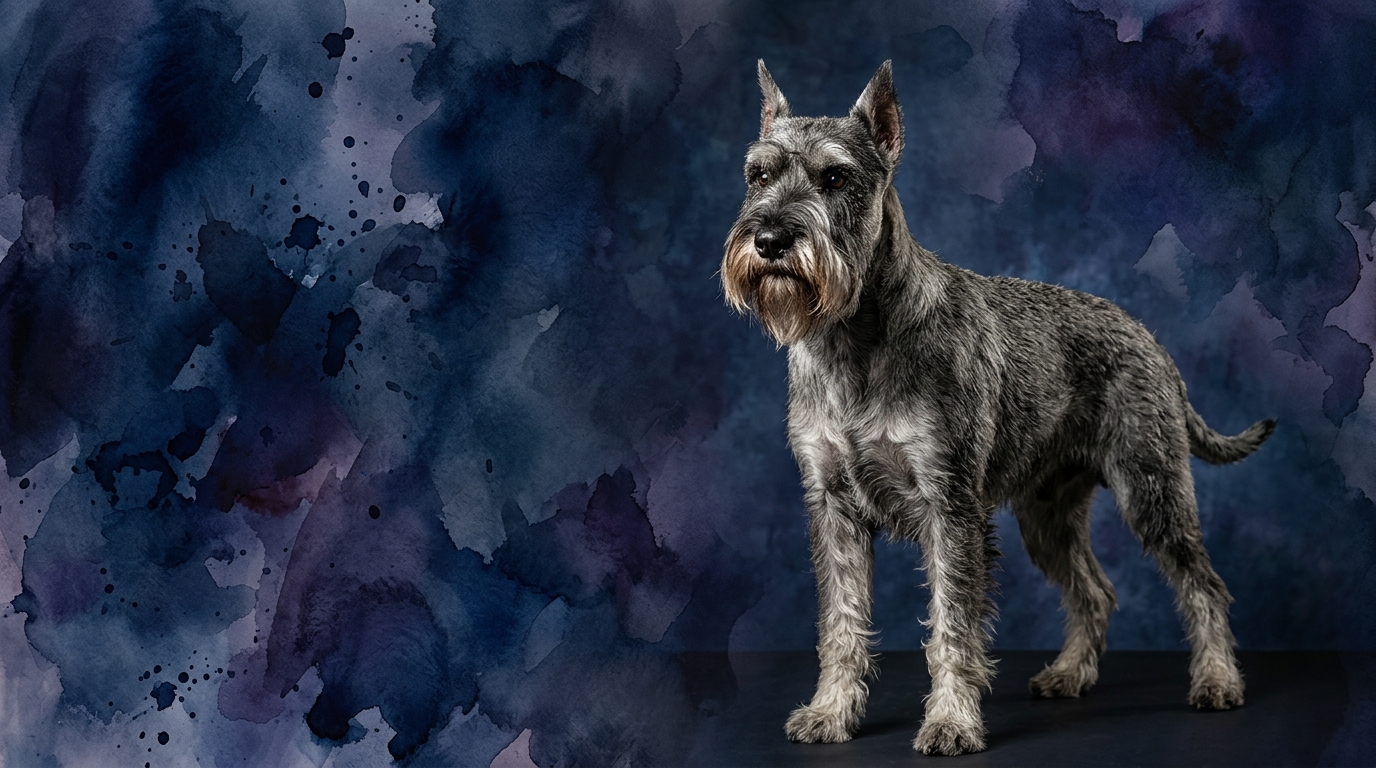
In contrast, the Standard Schnauzer exhibits a more pronounced cognitive aptitude in specific areas, achieving 4/5 for Problem Solving, Training Speed, and Memory, while matching the Entlebucher with 3/5 for Social Intelligence and Instinctive Drive. This breed's Coren ranking of #22 further highlights its capacity for rapid learning and obedience. The Schnauzer's strengths lie in its ability to quickly analyze new situations, retain learned information with greater ease, and master complex commands swiftly, making it a highly responsive and adaptable working dog that thrives on intellectual engagement and structured tasks.
Where the Entlebucher Mountain Dog Demonstrates Cognitive Strengths
While the Entlebucher Mountain Dog doesn't boast higher individual scores, its cognitive strength lies in its remarkably balanced 3/5 profile across all dimensions. This uniformity provides a distinct advantage in situations demanding consistent, predictable mental application rather than flashes of brilliance. For a herding dog navigating dynamic environments, a steady cognitive approach, where problem-solving doesn't overshadow social awareness or memory, ensures reliable performance and a less volatile mental state. This breed’s "win" is in its steadfast, integrated mental constitution, promoting dependability.
This harmonious cognitive suite cultivates a dog that is consistently engaged without exhibiting extreme peaks or valleys in specific mental domains. Owners seeking a companion whose practical intelligence, learning ability, social interaction, and retention are all robustly integrated for real-world tasks, rather than excelling in abstract intellectual challenges, will find the Entlebucher's cognitive blueprint uniquely beneficial. Its cognitive consistency can lead to a dog less prone to behavioral issues stemming from overstimulation or specific cognitive under-challenge.
Where the Standard Schnauzer Demonstrates Cognitive Strengths
The Standard Schnauzer clearly excels in several cognitive domains, securing 4/5 in Problem Solving, Training Speed, and Memory. This superior capacity for analytical thought means the Schnauzer can more rapidly evaluate novel scenarios, devise effective solutions, and adjust its behavior with minimal prior exposure. This cognitive agility directly translates into a dog that can quickly master intricate command sequences and complex tasks with fewer repetitions, positioning it as a top performer in advanced obedience and demanding working roles.
Its impressive Coren ranking (#22) further underscores this cognitive advantage, reflecting a breed that processes and retains information with exceptional efficiency. The Schnauzer's enhanced memory ensures learned behaviors are deeply ingrained and durable, minimizing the need for frequent refreshers. For handlers who enjoy teaching elaborate tricks, competing in dog sports requiring precise execution, or partnering with a dog capable of intelligent, independent decision-making within structured tasks, the Schnauzer's sharper cognitive strengths offer an unparalleled experience.
Training Aptitude: Entlebucher vs. Standard Schnauzer
Based on the Pet IQ Lab metrics, the Standard Schnauzer (Training Speed 4/5) holds a distinct advantage in ease of training over the Entlebucher Mountain Dog (Training Speed 3/5). The Schnauzer's elevated score in Training Speed, complemented by its superior Problem Solving and Memory, enables it to grasp new concepts and commands with remarkable swiftness. This breed often displays an eager willingness to collaborate during training, quickly associating actions with rewards, which facilitates faster mastery of everything from basic manners to advanced, multi-step routines.
The Entlebucher, while certainly trainable, typically demands more patience and consistent effort from its handler due to its 3/5 Training Speed. Its cognitive profile suggests a dog that learns at a steady pace rather than with rapid intellectual leaps. Effective training for an Entlebucher often involves methods emphasizing routine, clear and consistent expectations, and thoughtfully integrating its instinctive drives. While it will undoubtedly learn, handlers should anticipate a more gradual progression and potentially more repetitions to solidify behaviors compared to the Schnauzer's quicker intellectual absorption.
Matching Cognitive Needs with Owner Lifestyles
Neither the Entlebucher Mountain Dog nor the Standard Schnauzer are suited for genuinely "relaxed" owners; both are robust working breeds demanding significant physical and mental engagement. However, they cater to different styles of active ownership. The Entlebucher, with its balanced 3/5 scores, thrives with owners who can provide consistent, moderately challenging activities that specifically tap into its herding instincts. This entails regular, purposeful exercise and tasks that engage its steady cognitive processing, such as structured walks, scent work, or consistent training routines built on established patterns.
Conversely, the Standard Schnauzer, with its superior Problem Solving, Training Speed, and Memory scores, aligns perfectly with active owners who relish engaging in more complex, varied mental challenges and dog sports. This breed excels when offered opportunities to solve puzzles, rapidly acquire new skills, and participate in activities like agility, advanced obedience, or even protection work where its quick intellect and retention are fully utilized. Owners who prefer a dog that adapts quickly to new training scenarios and enjoys intricate problem-solving will find the Schnauzer exceptionally rewarding, requiring a higher degree of dynamic mental stimulation to prevent boredom.
The Verdict
Opt for the Entlebucher if you seek a consistently reliable companion with a balanced cognitive profile, suited for owners who appreciate a steady temperament and a dog that excels with routine and predictable, purposeful work, particularly in herding-related activities.
Select the Standard Schnauzer if you desire a quicker-learning, more intellectually agile partner eager for complex challenges and structured training, ideal for owners who enjoy advanced dog sports or intricate problem-solving activities.
🧠 Find Your Pet's IQ Score
Our Pet IQ Lab assessment covers 25+ tests across 5 cognitive dimensions — personalized to your breed.
Take the Full IQ Test →Frequently Asked Questions
Does the Entlebucher Mountain Dog require less mental stimulation than a Standard Schnauzer?
While the Entlebucher's cognitive profile is more balanced at 3/5 across dimensions, it still requires significant mental engagement, particularly activities that leverage its herding instincts and reinforce routine. The Schnauzer, with higher problem-solving and memory scores, often demands more varied and complex intellectual challenges to stay stimulated.
How does a Coren ranking of #22 impact the Standard Schnauzer's trainability compared to the Entlebucher?
A Coren ranking of #22 signifies the Standard Schnauzer's exceptional working and obedience intelligence, meaning it typically understands new commands in fewer repetitions and obeys the first command a high percentage of the time. The Entlebucher, lacking a Coren ranking and having a 3/5 Training Speed, will likely require more consistent effort and repetition during training.
Are both breeds good for first-time dog owners?
Both breeds possess significant working drives and require dedicated training and socialization, making them potentially challenging for first-time owners who are not prepared for their specific needs. The Standard Schnauzer's quicker learning curve might make initial obedience slightly easier, but both demand owners committed to consistent mental and physical engagement.