Side-by-Side IQ Profile: Entlebucher Mountain Dog vs. West Highland White Terrier
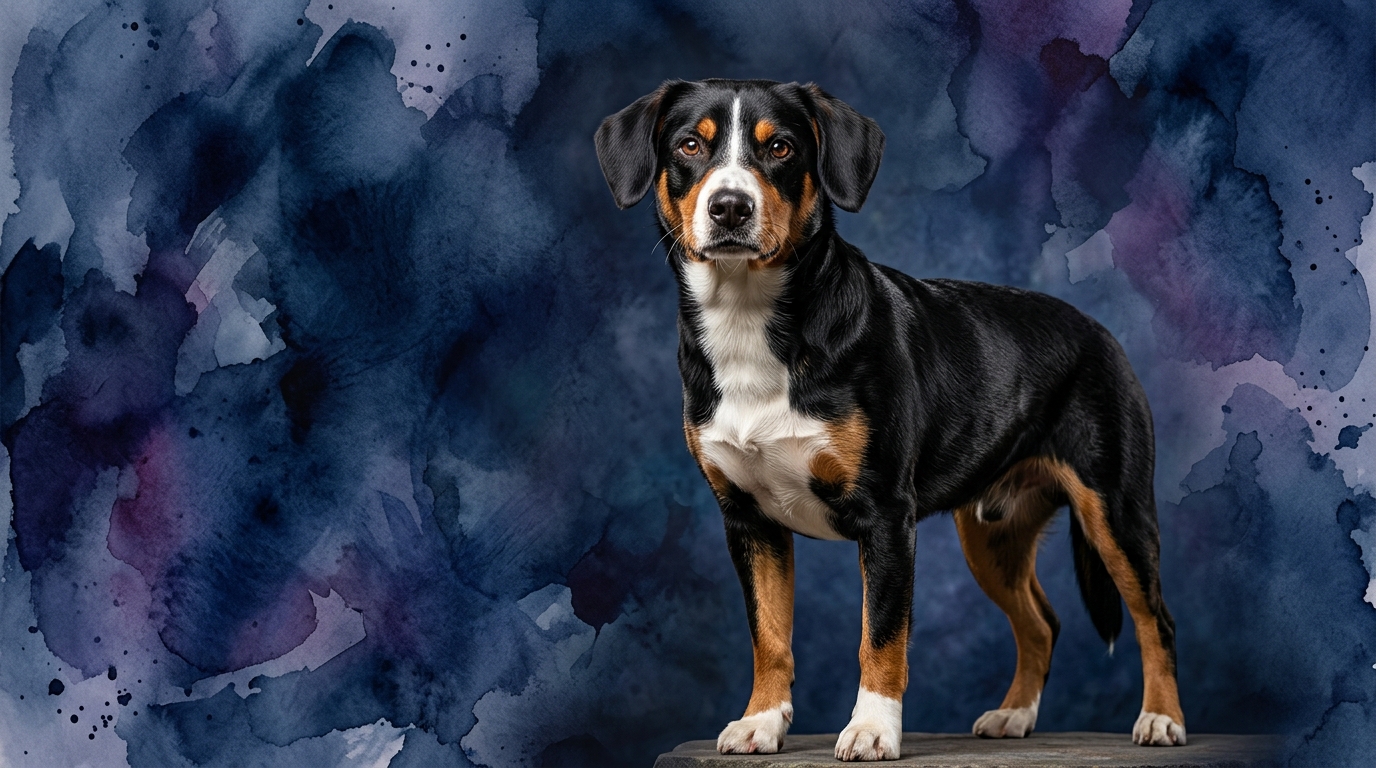
The Entlebucher Mountain Dog displays a remarkably balanced cognitive profile, with all five dimensions — problem solving, training speed, social intelligence, instinctive drive, and memory — rated at 3/5. This indicates a practical, reliable intellect, well-suited for its herding role. Their problem-solving is geared towards real-time task execution and navigating dynamic environments, while their social intelligence supports strong cooperation with handlers. Their training speed and memory suggest consistent learning and retention, all underpinned by a purposeful, moderate instinctive drive.
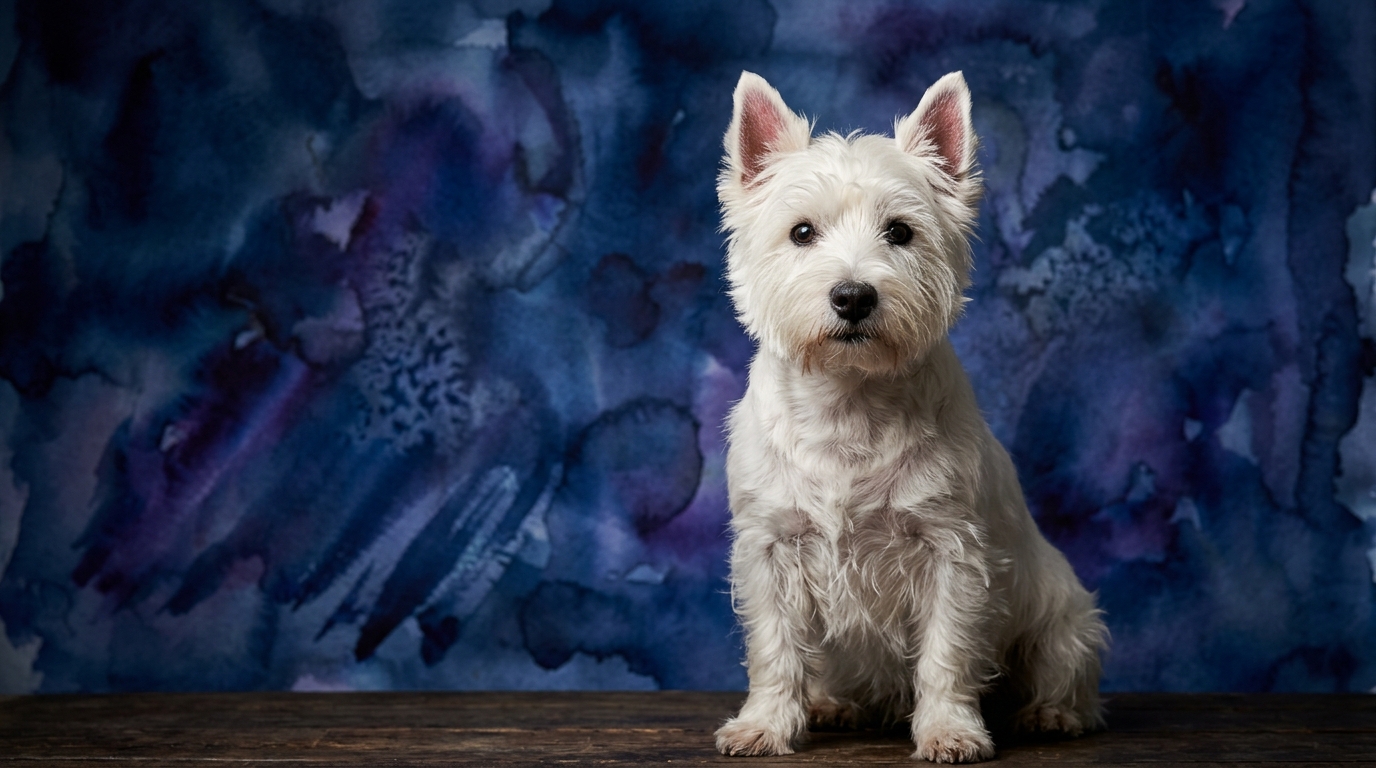
The West Highland White Terrier, recognized with a Coren rank of #47, presents a slightly different cognitive emphasis. While sharing 3/5 scores for problem solving, training speed, social intelligence, and instinctive drive, its memory stands out at 4/5. This enhanced recall ability is a key asset. Their problem-solving, like the Entlebucher's, is practical, but often manifests as tenacious, independent strategizing to achieve self-directed goals, typical of a vermin hunter. Their instinctive drive is similarly moderate but intensely focused on exploration and pursuit.
Where the Entlebucher Mountain Dog Wins Cognitively
The Entlebucher's cognitive strength lies in its consistent, integrated intellect, making it a highly reliable and adaptable partner in cooperative work. Its uniform 3/5 scores across problem-solving, social intelligence, and instinctive drive mean it excels in scenarios requiring sustained focus, responsiveness to handler cues, and practical decision-making within a structured context. This breed's mind is optimally wired for complex, multi-step tasks that demand constant interaction and a clear understanding of its role within a team, such as intricate obedience routines or guiding livestock with precision.
Their social intelligence, combined with a purposeful drive, fosters a natural inclination towards cooperative learning and task execution, making them exceptionally steady in their application of learned behaviors. This balance allows them to quickly process environmental changes while maintaining strong communication with their human partner, a critical advantage in dynamic working environments.
Where the West Highland White Terrier Wins Cognitively
The West Highland White Terrier truly shines with its superior memory, rated at 4/5. This enhanced recall capacity allows Westies to retain specific details, complex sequences, and learned commands with greater longevity and precision than the Entlebucher. This advantage makes them particularly adept at remembering locations, mastering intricate tricks, or navigating familiar environments with detailed spatial awareness. This strong memory also contributes to their ability to learn and solidify routines, provided the motivation aligns with their terrier sensibilities.
While their problem-solving also stands at 3/5, the Westie's approach is often characterized by tenacious, independent thought, driven by its 3/5 instinctive desire to explore and investigate. They are adept at figuring out challenges on their own terms, demonstrating self-directed ingenuity and persistence when pursuing a goal or overcoming an obstacle, a hallmark of their terrier heritage. This independent cognitive strategy allows them to excel in tasks requiring self-motivation rather than constant handler direction.
Which is Easier to Train and Why
Both breeds share a 3/5 rating for training speed, indicating they learn new commands at a moderate pace. However, the *process* of training can feel distinctly different. The Entlebucher Mountain Dog, with its herding background, typically possesses a strong desire to work *with* its human partner. Its social intelligence (3/5) often translates into a keen awareness of handler expectations and a willingness to cooperate, making it generally responsive to clear, consistent instruction and positive reinforcement that emphasizes teamwork. Their balanced memory (3/5) ensures commands are retained reliably without excessive repetition or dwelling on past negative experiences.
Conversely, the West Highland White Terrier, while equally capable of learning, often brings an independent streak to the training arena. Their terrier heritage encourages self-reliance and a focus on their own perceived “missions.” While their social intelligence (3/5) allows them to understand cues, their 3/5 instinctive drive might lead them to prioritize an interesting scent or perceived prey over a handler's command. Their superior memory (4/5) means they remember commands well, but also remember past instances where they successfully ignored a cue. Effective Westie training therefore often requires more creativity, patience, and high-value motivation to consistently engage their intellect and channel their independent spirit into reliable obedience.
Which Suits Active Owners vs. Relaxed Owners
The Entlebucher Mountain Dog, as a dedicated herding breed with a 3/5 instinctive drive, is best suited for active owners who can provide consistent physical exercise and, critically, mental stimulation through purposeful activities. Their cognitive profile thrives on structured tasks like obedience, agility, or even tracking, which leverage their problem-solving and social intelligence within a cooperative framework. Owners who enjoy long hikes, regular training sessions, and integrating their dog into an active, goal-oriented lifestyle will find the Entlebucher a highly engaged and fulfilling companion. A sedentary lifestyle would likely lead to an understimulated Entlebucher, potentially manifesting in restlessness or undesirable behaviors.
The West Highland White Terrier, also possessing a 3/5 instinctive drive, requires consistent activity, but its needs manifest differently than a herding dog's. Their drive is primarily focused on exploration, digging, and tenacious chasing, stemming from their vermin-hunting heritage. While they need regular exercise to maintain fitness, they may not demand the same level of structured, cooperative “work” as an Entlebucher. Instead, they thrive on vigorous walks, interactive play, and puzzle toys that satisfy their investigative instincts. Owners who enjoy engaging in games, providing outlets for digging (e.g., a designated sandpit), and managing a tenacious, curious personality will find a Westie a delightful companion, even if their activity schedule is less rigidly structured than that required for a herding breed.
The Verdict
When seeking a canine partner that excels in cooperative, structured tasks and thrives on a consistent work ethic, the Entlebucher Mountain Dog is the ideal choice. Its balanced cognitive profile makes it an exceptionally reliable companion for active owners dedicated to training and engaging in purposeful activities.
For those who value an independent spirit, a tenacious approach to challenges, and a remarkable capacity for memory, the West Highland White Terrier stands out. This breed is best suited for owners who appreciate a dog's self-directed ingenuity and are prepared to provide engaging outlets for its curious, persistent nature.
🧠 Find Your Pet's IQ Score
Our Pet IQ Lab assessment covers 25+ tests across 5 cognitive dimensions — personalized to your breed.
Take the Full IQ Test →Frequently Asked Questions
Do Entlebucher Mountain Dogs learn faster than Westies?
Both breeds are rated 3/5 for training speed, suggesting they learn new commands at a comparable moderate pace. However, the Entlebucher's cooperative nature might make it appear more responsive during training sessions, while Westies require more tailored motivation.
Which breed is better at remembering things?
The West Highland White Terrier has a superior memory score of 4/5 compared to the Entlebucher's 3/5. This means Westies are generally better at recalling specific details, locations, and complex sequences over time, aiding in long-term retention of training and experiences.
How do their problem-solving skills differ?
Both score 3/5 in problem-solving, but apply it differently. The Entlebucher uses it for practical, cooperative task completion within a team context, while the Westie's problem-solving is often characterized by independent, tenacious strategizing to overcome obstacles and pursue self-directed goals.