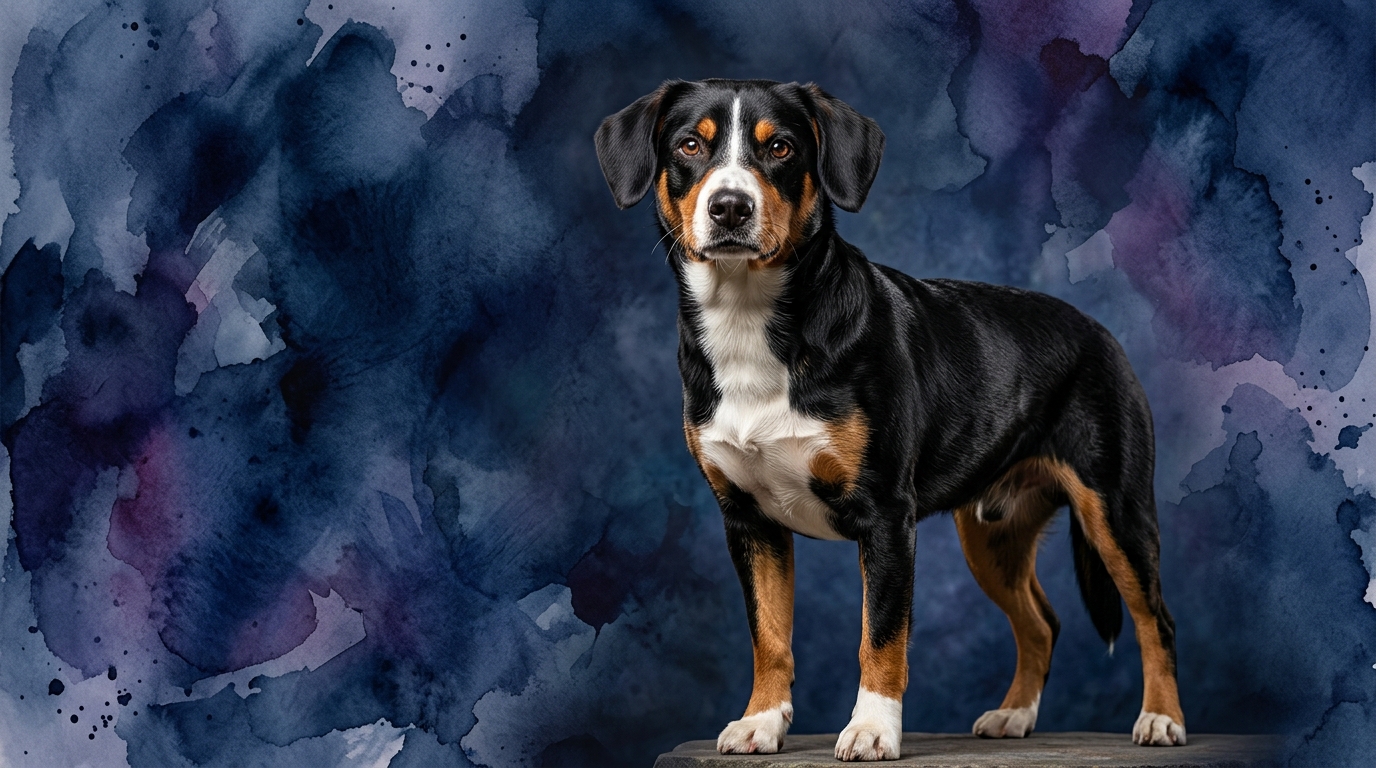
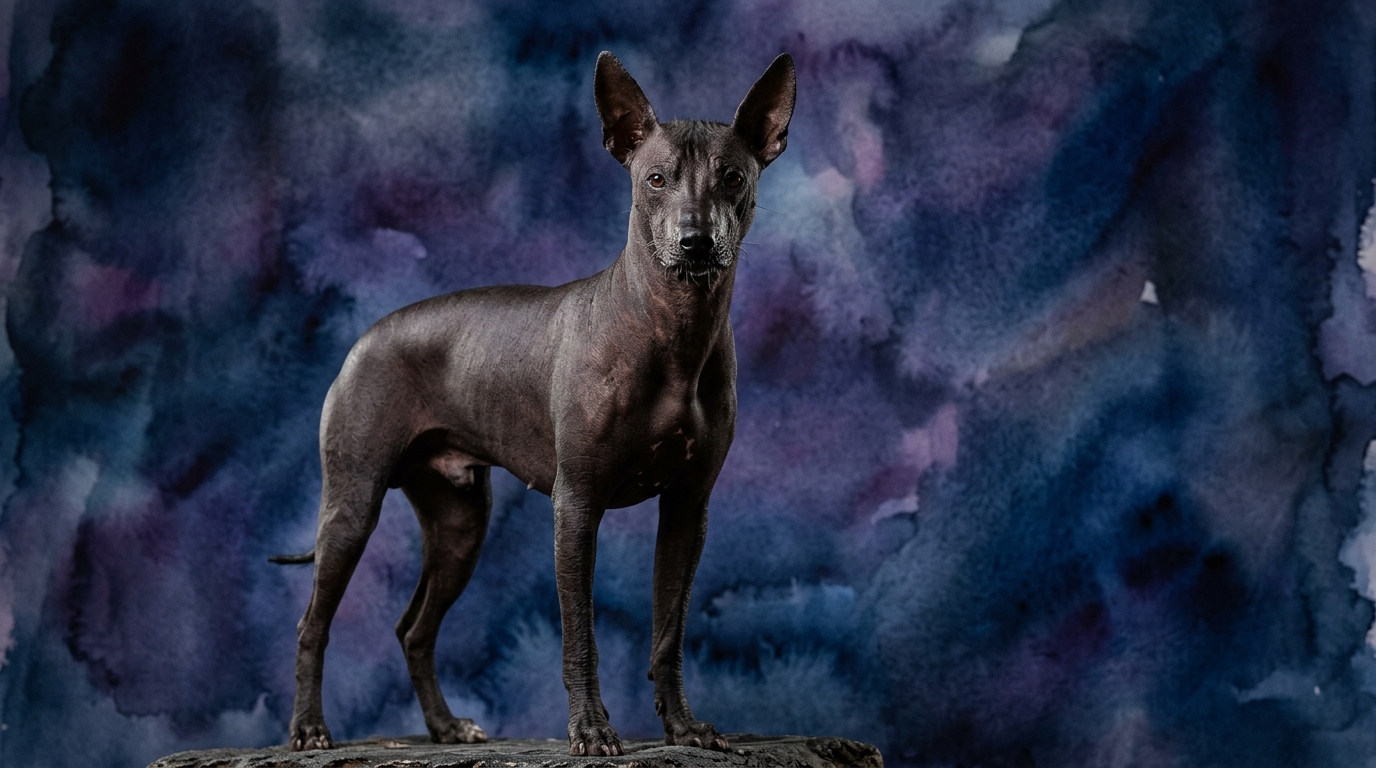
Side-by-Side IQ Profile: Entlebucher Mountain Dog vs. Xoloitzcuintli
Both the Entlebucher Mountain Dog and the Xoloitzcuintli exhibit a Problem Solving score of 3 out of 5, indicating a solid capacity for navigating challenges without being master strategists. For the Entlebucher, this often manifests in their ability to understand and execute tasks, such as finding creative routes to herd livestock or figuring out how to retrieve a toy from an awkward spot. Their problem-solving is typically grounded in practical application and achieving a tangible goal within their environment. The Xoloitzcuintli, conversely, might apply this same cognitive capability to more domestic challenges, like discerning how to open a cabinet door to find a treat or subtly manipulating a human to gain a preferred sleeping spot. Their problem-solving often centers around comfort, security, or social interaction within their immediate family.
A Training Speed score of 3 out of 5 suggests both breeds learn new commands and routines at a moderate, consistent pace, responding well to clear communication. Entlebuchers, with their working heritage, often show a willingness to learn when the training feels purposeful and provides them with a 'job' to do, thriving on structured guidance and positive reinforcement for tasks. Their enthusiasm for engagement can accelerate learning, provided the handler is consistent. Xoloitzcuintli, while equally capable, might approach training with a more discerning or sensitive temperament; they learn effectively through gentle, reward-based methods but may disengage if they perceive the training as repetitive, unfair, or lacking a clear benefit to their comfort or bond with their owner. Their learning speed is contingent on the perceived value and the emotional connection to the trainer.
Both breeds score 3 out of 5 in Social Intelligence, meaning they possess a good understanding of social cues and dynamics, forming strong, perceptive bonds. The Entlebucher's social intelligence often revolves around their family unit, enabling them to read their owner's mood and intentions, particularly in a working or protective context, while remaining reserved or cautious with strangers. They are attuned to the 'pack' hierarchy and their role within it. The Xoloitzcuintli, an ancient companion breed, typically exhibits a profound, almost empathic social intelligence directed intensely towards their chosen human family members, often anticipating needs and mirroring emotions, though they can be quite aloof or suspicious of outsiders. Their social cognition is deeply intertwined with emotional connection and a strong sense of personal space.
With an Instinctive Drive score of 3 out of 5, both breeds possess natural predispositions that influence their behavior, but these drives are manageable rather than overwhelming. For the Entlebucher, this score primarily reflects their inherent herding instincts, a natural urge to gather and control, along with a watchful and protective nature over their territory and family. These drives necessitate appropriate outlets and structured activities to prevent misdirection. The Xoloitzcuintli, an ancient and more primitive breed, displays a different set of drives, including a noticeable prey drive for small animals and a strong territorial instinct, often accompanied by a desire for close physical contact with their human 'pack.' Their drives are less about a specific job and more about self-preservation, comfort, and the security of their immediate family.
A Memory score of 3 out of 5 indicates both breeds possess good recall for learned commands, routines, and past experiences, shaping their future behaviors. The Entlebucher retains training well, remembering complex sequences and the expected outcomes of their actions, which is crucial for their working roles and consistent performance. They recall social interactions and can remember specific people, places, and the associated emotions. The Xoloitzcuintli also exhibits a robust memory for routines, their human family's preferences, and who is considered 'safe' or 'unsafe,' often remembering positive or negative interactions over long periods. This memory plays a significant role in their selective social bonding and their wariness towards novelty or perceived threats.
Where the Entlebucher Mountain Dog Wins Cognitively
While both breeds share identical scores, the Entlebucher Mountain Dog often demonstrates a cognitive advantage in scenarios demanding practical, task-oriented application of their intelligence. Their 3/5 problem-solving ability, coupled with their herding background, means they excel at deciphering multi-step commands or navigating complex physical environments to achieve a defined goal, such as an agility course or a tracking exercise. This breed's memory and social intelligence are finely tuned to understanding and retaining instructions from a handler, making them particularly adept at structured learning and working collaboratively on a job. They exhibit a focused determination when given a purpose, using their cognitive skills to efficiently complete assigned duties, a trait less pronounced in the Xoloitzcuintli.
Where the Xoloitzcuintli Wins Cognitively
Conversely, the Xoloitzcuintli's cognitive strengths shine in areas requiring profound social perception and emotional attunement within their intimate human circle. Their 3/5 social intelligence, combined with their ancient companion heritage, allows them to read subtle shifts in human mood and body language, often anticipating their owner's needs or discomfort with remarkable accuracy. This empathetic understanding extends to their problem-solving, which they might apply to comforting a distressed family member or subtly communicating their own desires for attention or warmth. Their memory is particularly keen for social interactions, remembering who is trustworthy and who is not, and holding onto both positive and negative experiences that shape their selective bonding, a nuanced form of intelligence often less emphasized in working breeds like the Entlebucher.
Which is Easier to Train and Why
Determining which breed is 'easier' to train is nuanced, despite both scoring 3/5 in Training Speed, as their motivations differ significantly. The Entlebucher Mountain Dog generally presents as more straightforward to train for obedience and task-based work due to their inherent desire to please a handler and their innate drive for purpose. They respond well to clear, consistent instruction and enjoy the mental engagement of learning new commands, especially when it feels like a 'job.' However, their independence can emerge if not given sufficient mental and physical stimulation, leading to self-directed activities. The Xoloitzcuintli, while equally capable of learning, requires a more patient, gentle, and positive reinforcement-focused approach. Their sensitivity means harsh corrections are counterproductive, and their independent streak means they must perceive value or enjoyment in the training; they might not blindly follow commands without understanding the 'why.' Training a Xoloitzcuintli often involves building trust and making the process feel like a collaborative, positive interaction, rather than simply issuing commands.
Which Suits Active Owners vs. Relaxed Owners
The Entlebucher Mountain Dog is unequivocally suited for active owners who can provide consistent, vigorous physical exercise and engaging mental challenges. Their 3/5 instinctive drive, rooted in herding, means they thrive on activities like hiking, agility, herding trials, or long, structured walks that allow them to expend energy and fulfill their need for purpose. An Entlebucher without adequate stimulation can become bored and develop undesirable behaviors, making them a poor fit for a predominantly relaxed lifestyle. The Xoloitzcuintli, while capable of bursts of activity and enjoying play, often adapts better to a more balanced lifestyle that includes both moderate exercise and significant periods of quiet companionship. Their ancient role as companions means they are content to lounge with their family, but still require daily walks and mental engagement; they are less demanding in terms of constant, high-intensity activity, making them a better match for owners who appreciate a deeper, more relaxed bond at home but are still committed to daily activity.
The Verdict
If your lifestyle demands a working partner eager for tasks and structured activities, the Entlebucher Mountain Dog's purposeful problem-solving and training readiness will be an ideal match.
For those seeking a deeply connected, empathetic companion who offers nuanced social understanding and thrives on quiet, close bonds, the Xoloitzcuintli's unique cognitive strengths will provide profound companionship.
🧠 Find Your Pet's IQ Score
Our Pet IQ Lab assessment covers 25+ tests across 5 cognitive dimensions — personalized to your breed.
Take the Full IQ Test →Frequently Asked Questions
Do Entlebucher Mountain Dogs have a strong prey drive?
While their primary instinct is herding, Entlebuchers can exhibit a moderate prey drive (3/5 instinctive drive) for small, fast-moving objects or animals. Consistent training and early socialization are essential to manage this, focusing their energy on appropriate outlets.
Are Xoloitzcuintli good with children?
Xoloitzcuintli can form strong bonds with children in their immediate family, leveraging their 3/5 social intelligence to understand family dynamics. However, their sensitivity and reserved nature mean they prefer calm, respectful interactions and may be wary of boisterous strangers or unfamiliar children.
How do both breeds handle being left alone?
Both breeds score 3/5 in social intelligence and memory, meaning they thrive on companionship but can cope with being alone for reasonable periods if properly trained and stimulated. Entlebuchers need mental tasks and exercise before solitude, while Xolos benefit from a secure, comfortable environment and a gradual introduction to alone time to prevent separation distress.