Side-by-Side Cognitive Profiles: A Deeper Look at the Numbers
At first glance, The Cosmic Pet Pet IQ Lab data presents both the Exotic Shorthair and the Pixiebob with identical scores across all five cognitive dimensions: Problem Solving (3/5), Training Speed (3/5), Social Intelligence (3/5), Instinctive Drive (3/5), and Memory (3/5). While these scores suggest a similar foundational capacity, the practical manifestation of these aptitudes often diverges significantly due to inherent breed characteristics and typical temperaments.
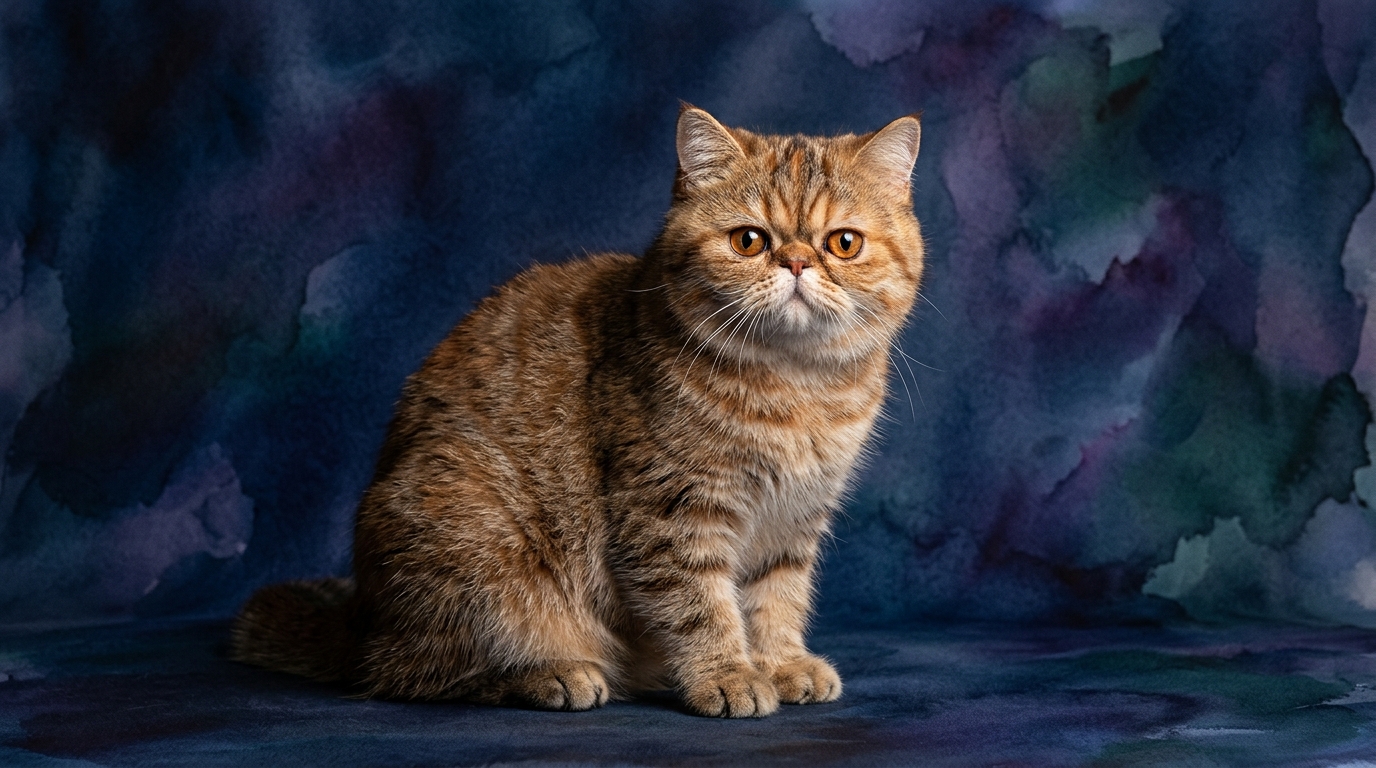
For the Exotic Shorthair, a 3/5 in Problem Solving typically translates to a methodical, observant approach; they might prefer to watch and learn before attempting, often seeking the easiest, most energy-efficient solution. Their Training Speed at 3/5 reflects a cooperative nature, responding well to gentle guidance and positive reinforcement, though perhaps without intense eagerness. A Social Intelligence of 3/5 means they are generally affable and adaptable companions, forming strong, affectionate bonds with their chosen humans and often getting along well with other pets, preferring a calm social environment. Their Instinctive Drive, also 3/5, manifests as a moderate interest in play and hunting, usually satisfied with interactive toys rather than demanding extensive outdoor exploration. Finally, a 3/5 in Memory suggests they recall routines, favorite people, and comfort spots reliably, contributing to their generally placid disposition.
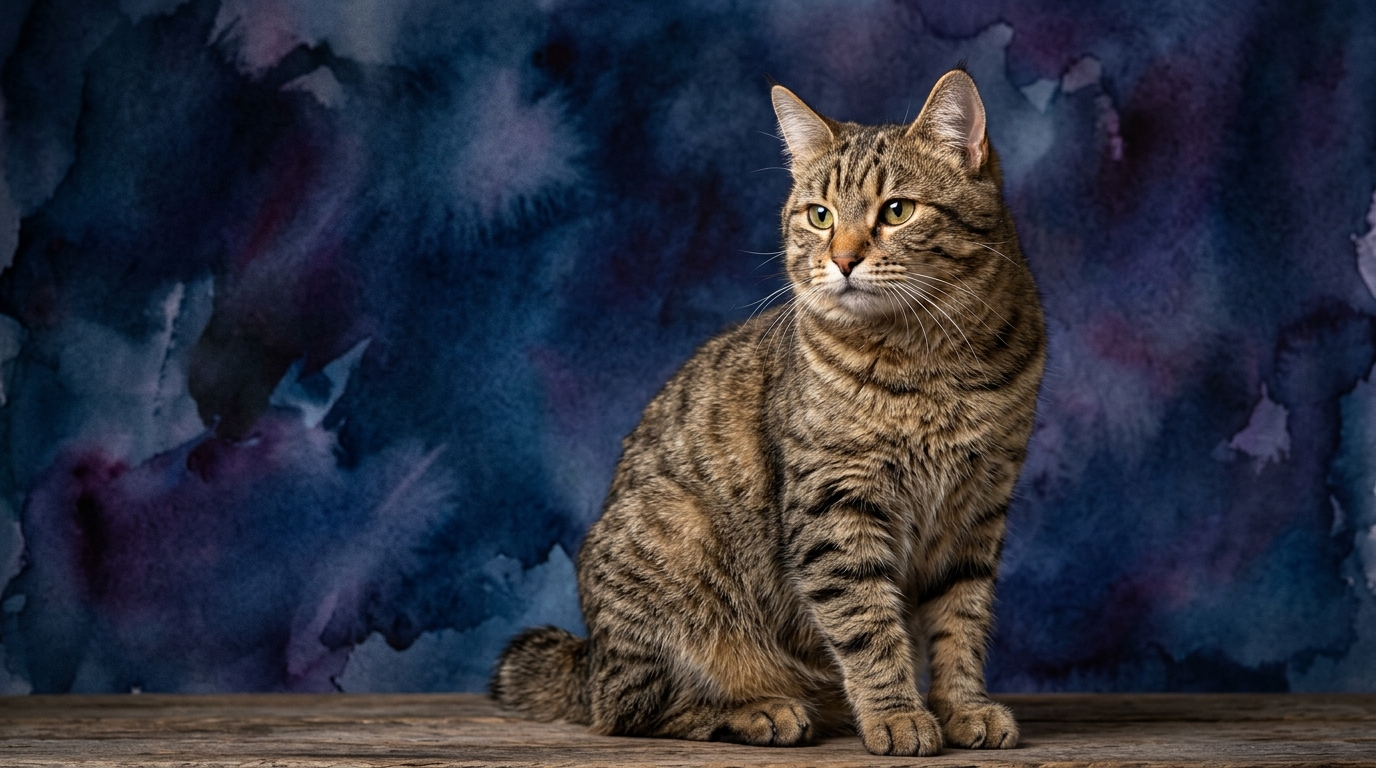
The Pixiebob, with the same 3/5 scores, demonstrates these traits through a different lens. Their Problem Solving at 3/5 often means a hands-on, persistent approach; they are curious explorers who will actively manipulate objects and environments to achieve their goals, less about observation and more about direct interaction. A Training Speed of 3/5 for a Pixiebob indicates a responsive and often enthusiastic learner, particularly when tasks involve engaging their natural curiosity and physical dexterity, making them receptive to leash training or trick learning. Their Social Intelligence at 3/5 is characterized by a deep loyalty and a desire to be involved in family activities, often displaying a "dog-like" attachment and expressiveness, thriving on interaction. The 3/5 Instinctive Drive in a Pixiebob is typically a robust one, fueling a love for stalking, pouncing, and exploring, often requiring more structured play to satisfy their inner hunter. Their Memory at 3/5 is strong for learned behaviors, routes, and complex interactions, making them adept at remembering tricks and the nuances of their human companions.
Where the Exotic Shorthair Excels Cognitively
The Exotic Shorthair's cognitive strengths, while rated similarly to the Pixiebob, shine in specific contexts. Their Problem Solving, rated 3/5, is particularly effective in environments demanding patience and a low-stress approach. They excel at deciphering subtle cues from their environment or humans, often choosing the path of least resistance or the most comfortable solution rather than a forceful one. For instance, an Exotic Shorthair might figure out how to open a treat cupboard by observing a human's technique over time, then replicating the precise, minimal effort required, rather than attempting to brute-force it.
Their 3/5 Social Intelligence is where their cognitive design truly distinguishes itself. They possess a remarkable ability to blend seamlessly into diverse household dynamics, reading the room and adapting their social engagement to the prevailing mood. This isn't about being aloof; it's about a nuanced understanding of social boundaries and a preference for harmonious interaction. They are adept at offering quiet companionship, sensing when a human needs a comforting presence without demanding attention, a subtle form of social cognition that makes them exceptional emotional support animals for those seeking a tranquil companion. Their memory (3/5) reinforces this, as they reliably recall which family members prefer quiet cuddles and which are open to more playful engagement, tailoring their interactions accordingly.
Where the Pixiebob Shows Cognitive Prowess
The Pixiebob's cognitive strengths, though numerically matched with the Exotic Shorthair, manifest through a distinctly different lens of engagement and activity. Their 3/5 Problem Solving often involves a more physical and investigative approach. They are adept at navigating complex spatial puzzles, such as figuring out how to open child-proof latches or escaping seemingly secure enclosures by systematically testing possibilities. A Pixiebob might not just observe a door opening; they'll experiment with the handle, push against the frame, and test every angle until they deduce the mechanism through active participation.
A key area of cognitive excellence for the Pixiebob lies in their combined 3/5 Training Speed and 3/5 Instinctive Drive. This pairing makes them particularly receptive to learning tasks that tap into their natural hunting and exploring instincts. They quickly grasp concepts like retrieving tossed toys, walking on a leash, or even performing agility courses. Their memory (3/5) is particularly strong for sequences of actions and environmental layouts, allowing them to remember complex routes or multi-step tricks with impressive accuracy. This active learning style, driven by their innate curiosity and physical prowess, positions them as exceptional candidates for interactive games and structured engagement, where their cognitive abilities are consistently challenged and rewarded.
Which is Easier to Train, and Why?
While both breeds hold a 3/5 in Training Speed, the nature of their trainability differs significantly, influencing which might be "easier" depending on the owner's goals. The Exotic Shorthair, with its calmer demeanor and lower instinctive drive (3/5), typically responds well to quiet, consistent reinforcement for basic commands like coming when called or using a scratching post. Their training often focuses on reinforcing good manners and routine adherence, where their inherent desire for comfort and stability makes them cooperative. They learn best in a predictable environment with gentle encouragement, and their memory (3/5) for routine aids in establishing habits quickly.
The Pixiebob, conversely, often presents as an eager and more physically engaged student, despite the same 3/5 Training Speed. Their higher instinctive drive (3/5) means they are highly motivated by play, food puzzles, and activities that mimic hunting or exploration. This makes them excellent candidates for more complex training, such as leash walking, trick learning, or even scent work. However, their curious and active nature can also mean they are more easily distracted, requiring an owner who can maintain engagement and provide stimulating challenges. While an Exotic Shorthair might learn to stay off counters through consistent redirection, a Pixiebob might require more elaborate puzzle-solving or alternative high-value activities to redirect their exploratory urges. Therefore, for foundational manners and a calm companion, the Exotic Shorthair might feel "easier," but for advanced, interactive training, the Pixiebob's enthusiasm can make them a more rewarding, albeit more demanding, pupil.
Suiting Active vs. Relaxed Owners
The contrast in how their 3/5 cognitive scores manifest makes a clear distinction between which breed suits active versus relaxed owners. The Exotic Shorthair, with its moderate instinctive drive and preference for calm social interactions, is an ideal match for individuals or families seeking a relaxed, affectionate, and low-maintenance companion. Their 3/5 Problem Solving often involves quiet observation rather than energetic exploration, and their 3/5 Social Intelligence thrives in a peaceful home where they can offer gentle companionship without demanding constant stimulation. A relaxed owner who appreciates a lap cat that enjoys gentle play sessions but is equally content to nap beside them will find the Exotic Shorthair perfectly aligned with their lifestyle.
The Pixiebob, on the other hand, is a natural fit for active owners who relish interactive engagement and enjoy incorporating their pet into their daily routines. Their robust 3/5 Instinctive Drive means they genuinely thrive on structured play, puzzle toys, and even outdoor adventures like leash walks. Owners who enjoy teaching tricks, engaging in regular play sessions, or providing environmental enrichment that challenges their cat's 3/5 Problem Solving and Memory will find the Pixiebob a delightful and responsive companion. A Pixiebob will often seek out interaction, displaying their 3/5 Social Intelligence through an almost dog-like loyalty and a desire to be involved, making them an excellent choice for owners who want a highly participatory feline family member.
The Verdict
Choose the Exotic Shorthair if you seek a tranquil, observant companion who excels at harmonious integration into a calm household, preferring gentle interaction over vigorous activity. They are suited for owners who appreciate a subtle, affectionate presence and a generally predictable feline friend.
Opt for the Pixiebob if you desire an engaging, active, and curious feline partner eager for interactive play, problem-solving challenges, and a strong, participatory bond. They are ideal for owners ready to provide consistent mental and physical stimulation for a loyal, "dog-like" cat.
🧠 Find Your Pet's IQ Score
Our Pet IQ Lab assessment covers 25+ tests across 5 cognitive dimensions — personalized to your breed.
Take the Full IQ Test →Frequently Asked Questions
Do Exotic Shorthairs enjoy interactive toys?
Yes, Exotic Shorthairs with their 3/5 instinctive drive and problem-solving can enjoy interactive toys, especially those that encourage gentle batting or observation. They typically prefer less strenuous play that doesn't require high energy, making puzzle feeders or slow-moving laser pointers ideal.
Can Pixiebobs be trained to walk on a leash?
Absolutely. Pixiebobs, thanks to their 3/5 training speed and robust instinctive drive, often take well to leash training. Their curious nature and desire for exploration make outdoor excursions a rewarding activity for both the cat and an active owner.
Are Exotic Shorthairs good with children and other pets?
With a 3/5 social intelligence, Exotic Shorthairs are generally adaptable and get along well with respectful children and other calm pets. Their placid nature allows them to integrate smoothly into multi-pet households, preferring peace over boisterous interactions.