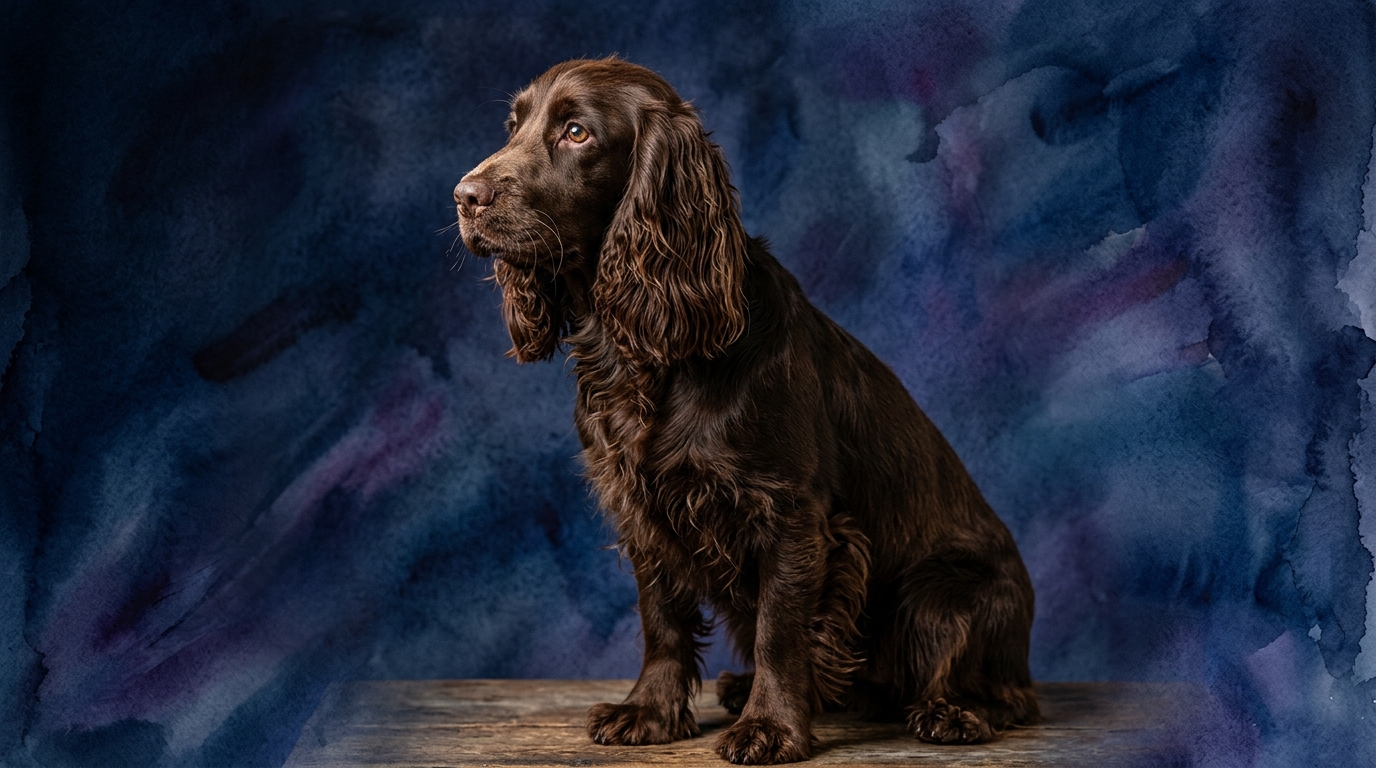
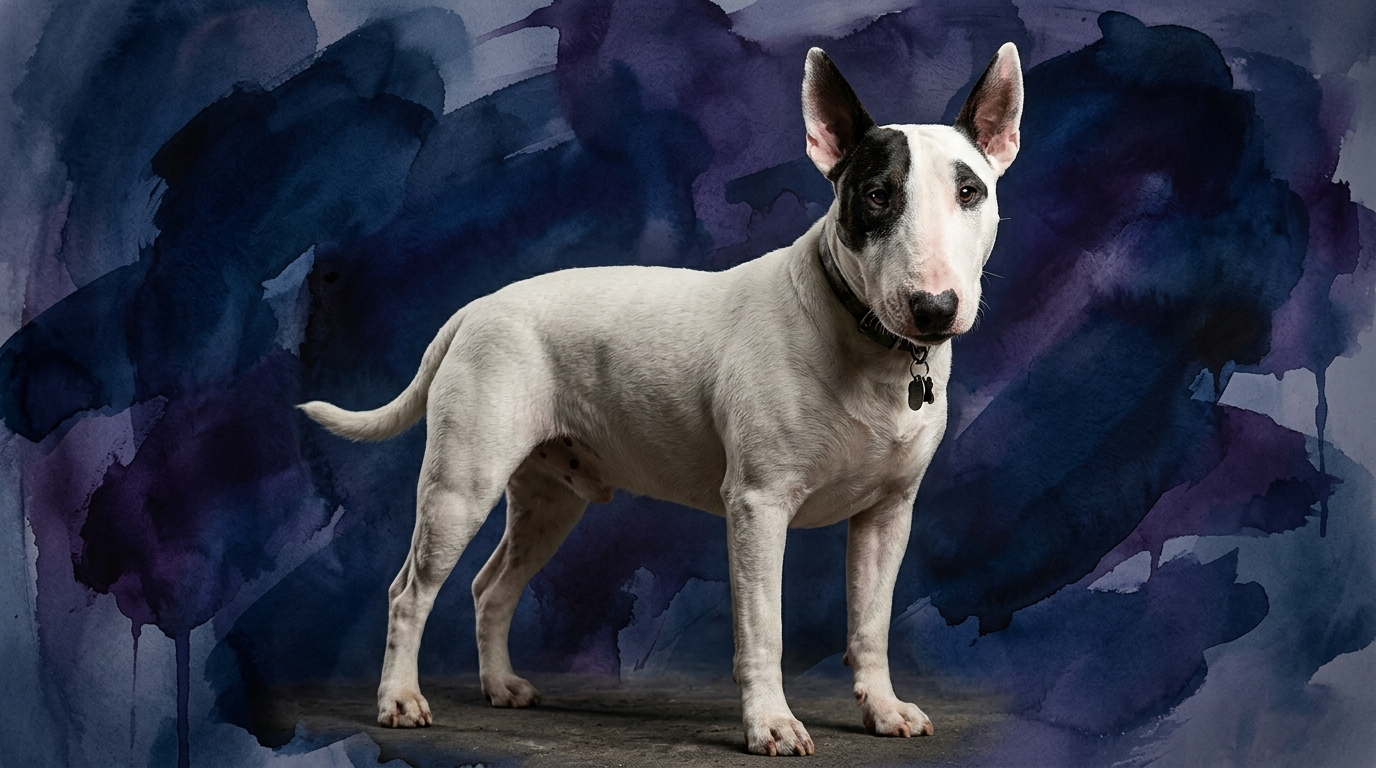
Side-by-Side Cognitive Profiles: Field Spaniel vs. Bull Terrier
At The Cosmic Pet Pet IQ Lab, we assess canine intelligence across five key dimensions. While both the Field Spaniel and the Bull Terrier register a consistent 3/5 across these categories, the *way* they manifest these scores is profoundly shaped by their breed heritage and inherent predispositions. Understanding these subtle differences is crucial for any discerning owner.
The **Field Spaniel**, a dog from the Sporting group, displays a practical and cooperative intelligence. Their Problem Solving (3/5) is finely tuned for their original purpose: tracking scents, navigating varied terrain to flush game, and retrieving fallen birds. Their cognitive efforts are often directed towards understanding environmental cues to achieve a clear objective, demonstrating a methodical approach rather than abstract reasoning. Training Speed (3/5) for these spaniels is moderate; they generally pick up new commands with enthusiasm, eager to please their human companions, though their spaniel exuberance can sometimes lead to momentary distractions, requiring consistent engagement. Their Social Intelligence (3/5) is warm and amiable, making them adept at reading human emotions and intentions, thriving on companionship and generally harmonious within their family unit. Instinctive Drive (3/5) revolves around hunting and retrieving, manifesting as a keen interest in scents and a desire to carry items, typically manageable and channelable. Field Spaniels possess a reliable Memory (3/5) for routines, learned commands, and familiar people and places, quickly recalling successful strategies for tasks.
The **Bull Terrier**, a formidable member of the Terrier group, approaches cognition with a distinctive blend of determination and ingenuity. Their Problem Solving (3/5) means they are remarkably persistent in figuring out how to achieve their desires, whether it's opening a cabinet or getting attention, often employing trial-and-error with impressive resolve rather than immediate compliance. Training Speed (3/5) is moderate; they are capable of understanding complex cues, yet their willingness to execute them consistently depends heavily on their personal interest and the strength of their bond with the trainer, rather than an inherent eagerness to please. Bull Terriers form deep, unwavering bonds with their immediate family, displaying a nuanced Social Intelligence (3/5) in understanding their human's moods, though they can be discerning with strangers. Their Instinctive Drive (3/5) is rooted in their terrier heritage: a robust prey drive, particularly for small, fast-moving objects, and a strong protective instinct towards their family, requiring careful management. Bull Terriers possess a solid Memory (3/5) for commands, routines, and experiences, both positive and negative, contributing to their consistency once a behavior is thoroughly ingrained, though they can also stubbornly adhere to certain learned preferences.
Where the Field Spaniel Excels Cognitively
The Field Spaniel’s cognitive strengths shine particularly in cooperative tasks and environmental navigation, directly stemming from their gundog lineage. Their breeding for flushing and retrieving imbues them with a superior ability to process and act upon complex scent information, allowing them to follow intricate trails with focus and precision. This translates to a clear cognitive advantage in activities like scent work, tracking, or even advanced obedience, where they methodically piece together sensory data to achieve a shared goal with their handler. Furthermore, their inherent biddability and desire to work alongside their human companions mean they are often quicker to interpret and respond to subtle human cues and body language, making them highly attuned partners in collaborative efforts. This predisposition for partnership means they are often more proactive in seeking guidance and understanding, a valuable cognitive asset for many owners.
Where the Bull Terrier Demonstrates Cognitive Strength
The Bull Terrier’s cognitive prowess is most evident in their tenacious problem-solving and self-directed ingenuity. While they may not always seek human approval as their primary motivator, their capacity to independently strategize and persist until a goal is achieved is remarkable. This manifests in their ability to figure out complex puzzles, bypass perceived obstacles, or creatively manipulate situations to their advantage, often demonstrating a unique blend of stubbornness and cleverness. Their discerning social intelligence, while sometimes misconstrued as aloofness with those outside their inner circle, allows them to form exceptionally deep and protective bonds. They are highly perceptive of their immediate family's needs and subtle emotional shifts, often acting as vigilant, self-appointed guardians. This ability to assess and react to their social environment with a strong sense of purpose and self-reliance gives them a distinct cognitive edge in situations requiring independent thought and protective instincts.
Ease of Training: Understanding Behavioral Differences
When considering ease of training, the Field Spaniel generally presents a more straightforward path, primarily due to their inherent biddability and strong desire to please. As a Sporting breed, they were meticulously developed to work cooperatively with handlers in the field, meaning they naturally look to their human for direction and find satisfaction in fulfilling commands. Their moderate training speed is often bolstered by their eager disposition, making them highly responsive to positive reinforcement, clear communication, and consistent training methods. They thrive on praise and connection, which fuels their willingness to learn and repeat desired behaviors.
The Bull Terrier, while equally capable of learning and possessing a 3/5 Training Speed, often presents a greater challenge in consistent training due to their independent and sometimes stubborn nature. Their Terrier heritage means they are more inclined to make their own decisions or follow their own interests if a task doesn't immediately appeal to them. Training a Bull Terrier requires immense patience, creativity, and a deep understanding of their unique motivations, often necessitating very high-value rewards, engaging game-based training, and a playful approach to maintain engagement against their independent streak. While they remember what they’ve learned, their willingness to perform is not a given; it's a choice they make, making the *process* of consistent, reliable training more demanding and requiring a stronger, more creative handler.
Matching Canine Companions to Lifestyles
For active owners seeking a dynamic companion, both breeds offer engagement, but with different styles and expectations. The Field Spaniel, with its moderate energy and strong instinctive drive for retrieving and scent work, thrives with owners who enjoy outdoor activities like hiking, field trials, or even agility. Their cooperative nature makes them excellent partners for structured activities, readily engaging in physical and mental tasks alongside their human. They are content to relax indoors after adequate exercise, but their cognitive and physical needs require regular, purposeful engagement to prevent boredom and maintain their amiable disposition.
The Bull Terrier, possessing a robust energy level and a tenacious spirit, also suits active owners who can provide consistent, vigorous exercise and mental stimulation. However, their independent streak means their activities might lean more towards structured play, robust puzzle toys, and strong, consistent obedience work to channel their drives effectively. They excel with owners who appreciate their unique personality, are prepared for a dog that might challenge boundaries, and can provide firm, fair leadership. For more relaxed owners, neither breed is truly "low maintenance" cognitively or physically. However, a relaxed owner willing to dedicate consistent, albeit perhaps less strenuous, mental engagement and moderate physical activity might find a Field Spaniel more amenable to a calmer routine, provided their core needs are met. A Bull Terrier's demands for consistent boundaries and mental challenges would likely overwhelm a truly relaxed owner, potentially leading to behavioral issues.
The Verdict
Opt for a Field Spaniel if you desire a warm, cooperative companion eager to engage in collaborative activities like scent work or retrieving, appreciating a dog that naturally seeks to please and thrives on consistent, positive interaction.
Select a Bull Terrier if you are drawn to a fiercely loyal, independent companion with a tenacious spirit and unique problem-solving skills, ready to invest patience and creativity in training a dog that will challenge and devotedly adore you.
🧠 Find Your Pet's IQ Score
Our Pet IQ Lab assessment covers 25+ tests across 5 cognitive dimensions — personalized to your breed.
Take the Full IQ Test →Frequently Asked Questions
Do Field Spaniels or Bull Terriers get along better with children?
Field Spaniels generally have a gentle and amiable nature, often making them very tolerant and good-natured companions for children, especially when properly socialized and supervised. Bull Terriers, while deeply loyal to their family, can be boisterous and require careful supervision with very young children due to their strength and enthusiastic play style, though they are devoted to their 'pack' members.
What kind of mental stimulation do these breeds need to prevent boredom?
Field Spaniels benefit greatly from activities that engage their scenting abilities and retrieving drives, such as hide-and-seek games, puzzle toys, or structured obedience and scent work training. Bull Terriers thrive on robust puzzle toys, interactive games that challenge their persistence, and consistent, varied training sessions that appeal to their independent problem-solving nature, often needing more creative and engaging challenges.
Are there significant health differences that might impact their cognitive function as they age?
Both breeds can be susceptible to certain health conditions; Field Spaniels are sometimes prone to eye conditions and hip dysplasia, while Bull Terriers can face issues like deafness, heart problems, and kidney disease. While specific cognitive decline is not universally tied to these conditions, maintaining overall health through proper diet, exercise, and regular veterinary care is crucial for supporting optimal brain function and cognitive longevity in any aging dog.