Side-by-side IQ profile
The Cosmic Pet Pet IQ Lab employs a five-dimensional framework to assess canine cognitive abilities, providing a nuanced understanding beyond simple obedience. Let's delve into how the German Shepherd and Field Spaniel measure up across these specific metrics.
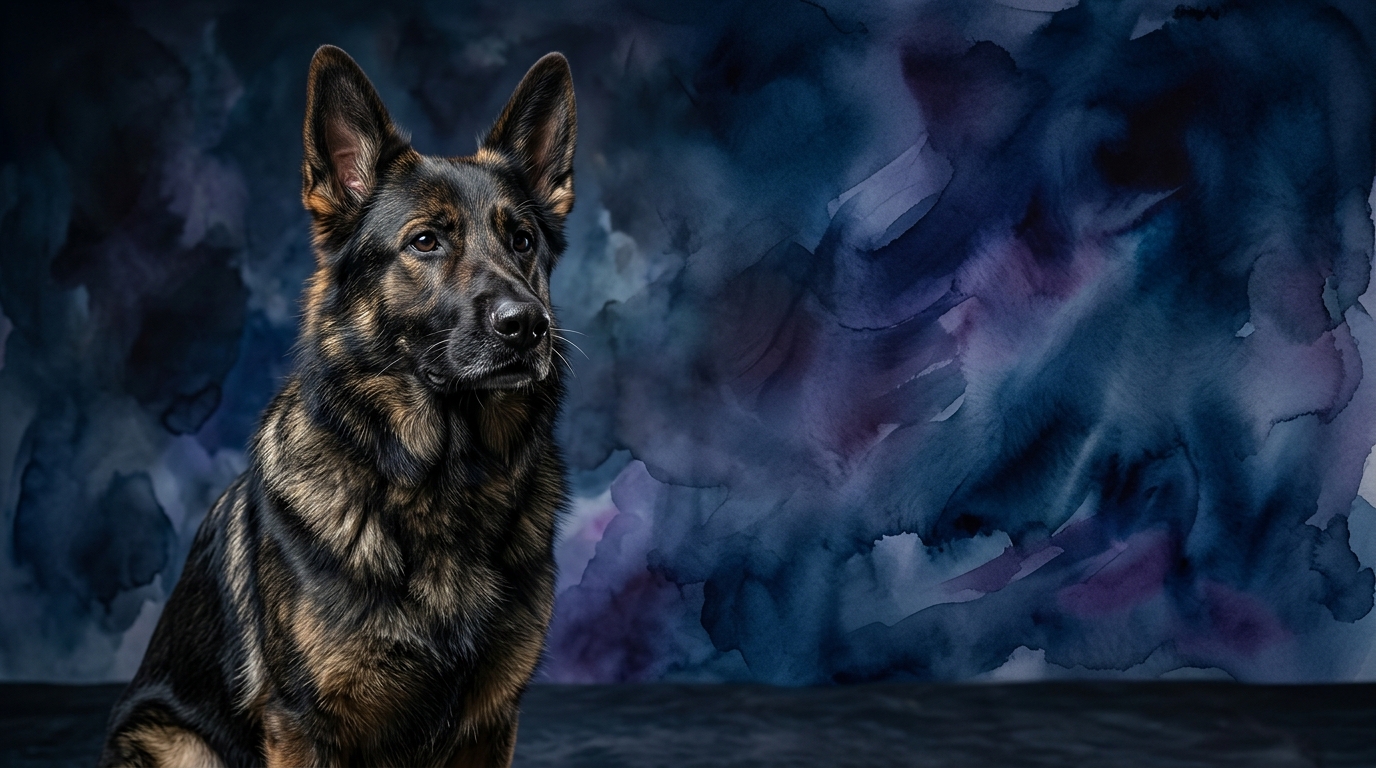
The German Shepherd exhibits a remarkable uniformity across all cognitive dimensions, scoring a perfect 5/5 in every category. Their Problem Solving is exceptional, demonstrating an ability to analyze novel situations and devise effective, often multi-step solutions. Training Speed is equally impressive, as they acquire new commands and complex routines with remarkable swiftness, typically requiring very few repetitions to achieve mastery. Their Social Intelligence is profound, allowing them to exhibit a deep understanding of human cues, intentions, and social hierarchies, making them highly attuned to their handlers. An intense Instinctive Drive, also rated 5/5, means they possess a powerful innate motivation for work, protection, and specific tasks, channeling these drives into purposeful action. Finally, their Memory is robust, enabling them to retain vast amounts of information, including commands, routines, faces, and environmental layouts, over extended periods.
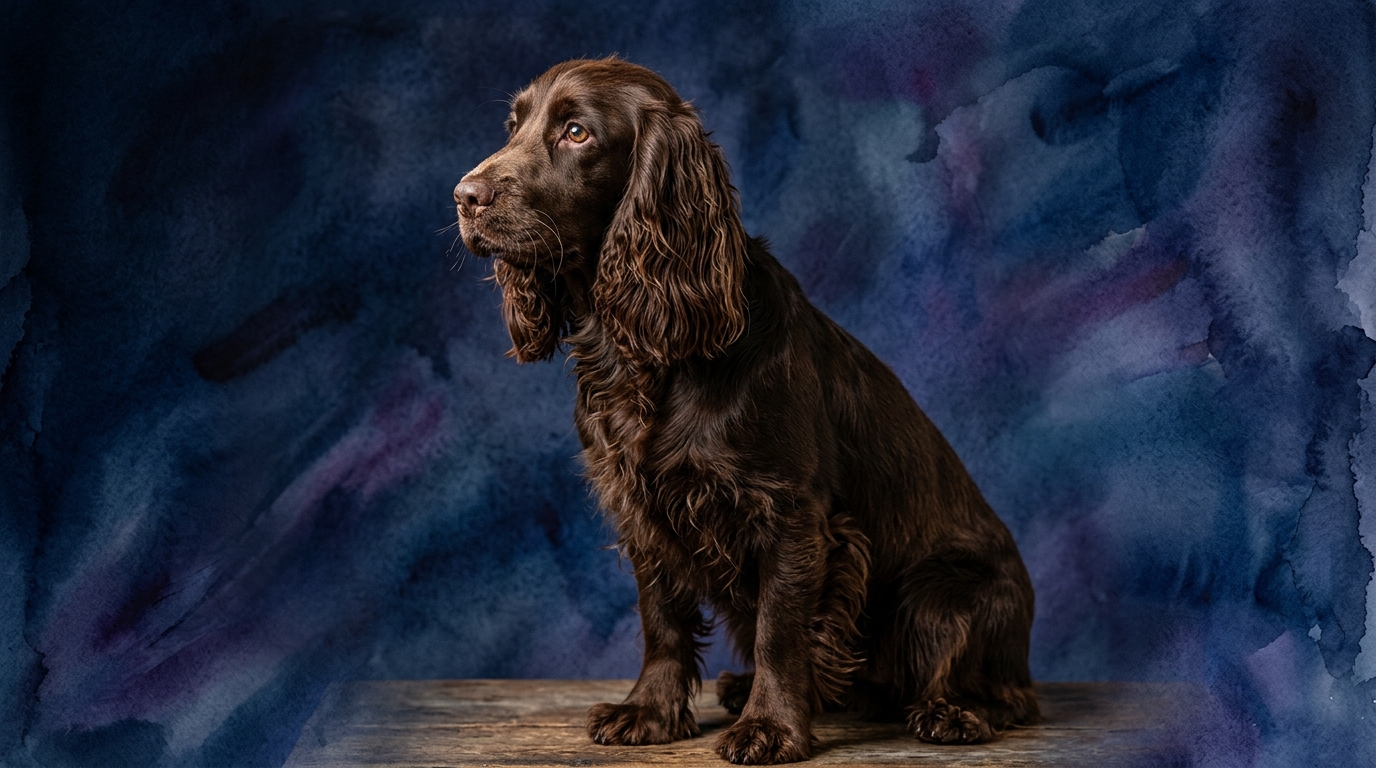
In contrast, the Field Spaniel presents a consistent, moderate profile across the board, scoring 3/5 in all five IQ dimensions. Their Problem Solving capabilities are practical, meaning they are capable of solving straightforward problems, particularly those related to their hunting instincts, but may struggle with abstract or multi-layered challenges. Training Speed for the Field Spaniel is moderate; they learn at a steady pace, requiring consistent repetition and positive reinforcement to solidify new behaviors and commands. Their Social Intelligence is generally amiable and responsive to human interaction, though their social understanding is more direct and less nuanced than breeds designed for complex partnership. The Instinctive Drive of a Field Spaniel is moderate, displaying a balanced motivation for sporting activities like scent work and retrieving, driven by their heritage but less intense or broadly applicable than herding breeds. Lastly, their Memory reliably retains learned behaviors and familiar routines, but they may not recall intricate details or extensive sequences with the same precision as a German Shepherd.
Where German Shepherd wins cognitively
The German Shepherd's cognitive strengths are most vividly displayed in their capacity for intricate, multi-stage tasks that demand foresight and adaptability. Their 5/5 problem-solving score signifies more than just following instructions; it means they can extrapolate, adapt, and even initiate solutions in dynamic, unpredictable environments. For instance, a German Shepherd can be trained to systematically search a building, identify a specific scent, alert to its presence, and then guide a handler to the source, all while navigating obstacles and making independent judgments about the safest or most efficient path. This deep cognitive flexibility, coupled with their perfect scores in training speed and memory, allows them to master demanding roles like search and rescue, police work, and complex service tasks where quick learning, retention, and independent decision-making are paramount. Their 5/5 social intelligence also means they read human intent with remarkable accuracy, often anticipating commands or even needs before they are explicitly given, fostering a truly collaborative and predictive partnership.
Where Field Spaniel wins cognitively
While the German Shepherd excels in broad, complex cognitive domains, the Field Spaniel shines in a different, equally valuable arena: focused, sustained application of more direct cognitive abilities, particularly within their sporting heritage. Their 3/5 problem-solving, though not top-tier for abstract tasks, is perfectly suited for practical, sensory-driven challenges like tracking game or retrieving. A Field Spaniel might not devise a multi-step plan to open a complex latched gate, but it will persistently follow a scent trail through dense undergrowth with unwavering focus, utilizing its senses and memory to achieve its goal. Their moderate instinctive drive of 3/5, while not as overwhelming as a herding breed's, allows for a more balanced and manageable application of their working instincts, making them excellent companions for focused activities like agility or scent work without the intense need for constant, demanding mental stimulation. Their 3/5 social intelligence ensures they are responsive and cooperative partners in these endeavors, albeit with less of the nuanced communication seen in breeds bred for highly collaborative work, preferring direct and clear interactions.
Which is easier to train and why
Based on their IQ profiles, the German Shepherd is objectively easier to train in terms of speed and the complexity of learned behaviors. Their 5/5 training speed means they grasp new commands, concepts, and routines with minimal repetitions, often understanding a new cue after just a few exposures. This rapid acquisition stems from their deep cognitive abilities, including superior memory and problem-solving, which allow them to quickly form associations and generalize learned behaviors to new contexts. For example, teaching a German Shepherd a complex agility course or a series of obedience commands typically progresses at an accelerated rate because they process information efficiently and retain it robustly, often anticipating the next step in a sequence.
The Field Spaniel, with a 3/5 training speed, requires more patience and consistent repetition. They will learn, but the process will be more gradual and incremental, demanding a more methodical approach from the handler. Their training success often hinges on making sessions fun, positive, and engaging, leveraging their natural desire to please and their moderate instinctive drive for retrieving. While they may not pick up a new trick in a handful of tries, their cooperative nature and focus on the task at hand mean they are trainable, particularly for activities that align with their sporting instincts like retrieving or scent games. A Field Spaniel might need 10-15 repetitions to solidify a "stay" command, whereas a German Shepherd might master it in 3-5, but both breeds can achieve reliability with the right, consistent approach tailored to their learning pace.
Which suits active owners vs relaxed owners
The German Shepherd, with its 5/5 instinctive drive and high cognitive needs across the board, is unequivocally suited for active owners who can provide consistent, challenging mental and physical engagement. These dogs thrive when given a 'job' – be it advanced obedience, protection training, agility, or extensive hiking. An owner who enjoys structured training, daily rigorous exercise, and incorporating their dog into a dynamic, purposeful lifestyle will find the German Shepherd to be an incredibly fulfilling and responsive partner. Neglecting their need for stimulation can lead to boredom-driven behaviors like excessive barking, destructive chewing, or neurotic tendencies, as their powerful mental and physical energy seeks an outlet.
The Field Spaniel, possessing a 3/5 instinctive drive and moderate cognitive requirements, is a better fit for owners who seek a companion for moderate activity levels. While they certainly enjoy and benefit from regular walks, playtime, and opportunities to sniff and explore, they don't demand the same intensity or complexity of daily 'work' as a German Shepherd. They are content with a good daily romp, some retrieving games in the yard, and consistent, positive reinforcement training. An owner looking for a devoted family dog that is happy with a comfortable routine, occasional outdoor adventures, and a generally calmer home environment will find the Field Spaniel to be a wonderfully adaptable and affectionate choice, without the pressure of managing a very high-drive working breed's constant need for engagement.
The Verdict
Choose a German Shepherd if you are an experienced, active owner seeking a highly engaged partner for complex training, demanding mental challenges, and a truly collaborative relationship in work or sport.
Opt for a Field Spaniel if you desire a warm, cooperative companion for moderate activity, consistent positive training, and a calm presence that enjoys focused outdoor exploration and family life.
🧠 Find Your Pet's IQ Score
Our Pet IQ Lab assessment covers 25+ tests across 5 cognitive dimensions — personalized to your breed.
Take the Full IQ Test →Frequently Asked Questions
Are German Shepherds good family dogs despite their working drive?
Yes, German Shepherds can be excellent family dogs when properly socialized and trained from a young age, understanding their role within the family structure. Their protective instincts and social intelligence mean they bond deeply, but they require owners who can consistently manage their high energy and cognitive needs to prevent boredom or misdirected drives.
Do Field Spaniels require extensive grooming?
Field Spaniels have a medium-length coat that does require regular grooming to prevent matting, especially around their ears, chest, and feathering. Weekly brushing and occasional professional trims are typically sufficient to keep their coat healthy and tidy, reflecting their sporting heritage.
Can a Field Spaniel participate in dog sports like agility?
Absolutely, Field Spaniels can excel in various dog sports, including agility, obedience, and scent work, thanks to their moderate drive and cooperative nature. While they may not have the extreme speed of some breeds, their enthusiasm and willingness to work with their handler make them enjoyable and capable competitors.